
Balabac Island Travel Guide: The Last Untouched Paradise in the Philippines
If you’ve been to El Nido and thought, “this is as good as it gets”, Balabac is going to completely change your definition of paradise.
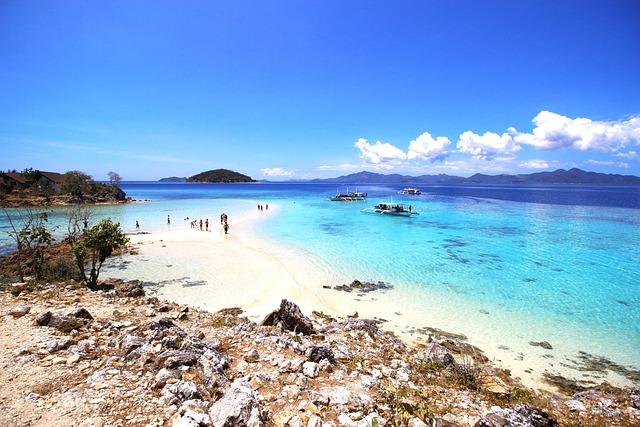
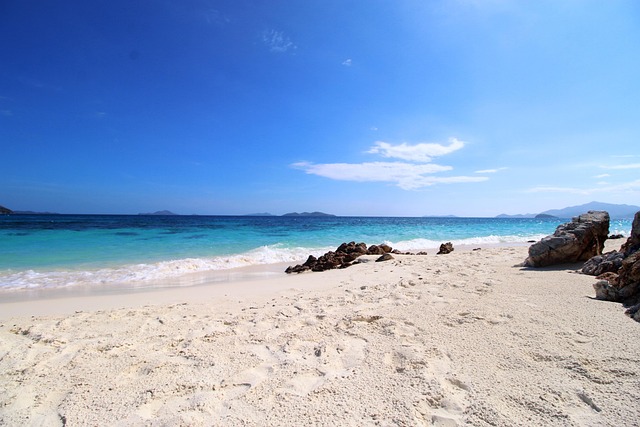
Honestly, I was skeptical the first time someone told me Balabac was better than El Nido. That felt like a bold claim. But the moment our boat rounded the corner into Onuk Island’s lagoon, powder-white sand, water so clear it looked like glass, and not a single other tourist in sight, I understood. This place is operating on a completely different level.
The catch? Getting here takes effort. And that’s exactly why it’s still this beautiful.
Where Is Balabac?
Balabac is a group of islands at the southernmost tip of Palawan, just 55 km from Sabah, Malaysia. It’s technically part of the province of Palawan but feels like a completely separate world. The main municipality is Balabac town, and from there you access around 31 islands scattered across the Sulu Sea.
Most tourists never make it this far south. The journey is long, the infrastructure is minimal, and there are no Grab cars or 7-Elevens waiting for you. But that’s the entire point.
How to Get to Balabac
Getting to Balabac requires commitment, and that’s what keeps it pristine. Here’s how it works:
Step 1: Fly to Puerto Princesa from Manila (about 1 hour, multiple daily flights with Cebu Pacific or Philippine Airlines).
Step 2: Take a van from Puerto Princesa to Buliluyan Port in Bataraza This is the long part, it’s roughly 4–5 hours by road, passing through Quezon town. The road is mostly paved now, which is a significant improvement from a few years ago.
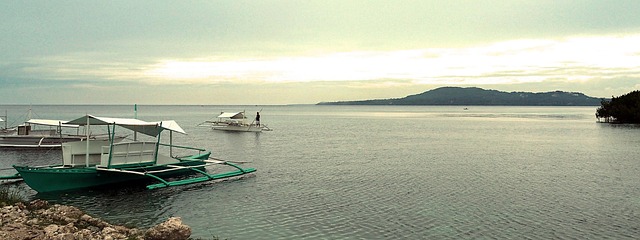
Step 3: Take a boat from Buliluyan Port in Bataraza to Balabac town. The passenger boat takes about 2–3 hours depending on sea conditions. There are also speedboat options that cut the time in half but cost more.
The total journey from Puerto Princesa is a full day. Book a Balabac tour package through CMT and we handle all the logistics, van transfer, boat coordination, everything. Trust me, doing this on your own for the first time is much harder than it sounds.
Insider tip: Don’t try to rush Balabac into a day trip from Puerto Princesa. You need at least 3 nights to make the journey worthwhile. Our recommended package is 4 days / 3 nights, which gives you two full days of island hopping.

The Islands You Need to Visit
Onuk Island
This is the one that ends up on everyone’s camera roll. Onuk has a sandbar that changes shape with the tide, surrounded by water in about six different shades of blue and green. At low tide, the sandbar extends far enough to walk along. There’s no accommodation on the island, it’s purely a day stop, which means the only people there are whoever’s on the boat tours for the day.
Candaraman Island
Candaraman is where you’ll find Balabac’s famous pink sand beach. The color comes from crushed red coral mixed with white sand, up close it looks pale rose, and in photos it looks like something you’d design if you were trying to invent the most perfect beach possible. The waters in front of Candaraman are also excellent for snorkeling.
Bugsuk Island
One of the larger islands in the group, Bugsuk has dense forest, pristine beaches, and is home to some local fishing communities. It’s a good place to see dugongs (sea cows) if you’re lucky, the area around southern Palawan is one of the last strongholds for these gentle marine mammals in the Philippines.
Melville Lighthouse Island
Built by the British in the 1800s (yes, really), this island has a historic lighthouse that you can climb for sweeping views across the Sulu Sea toward Borneo. It’s a fascinating stop that most other Palawan destinations can’t offer, a sense of history layered over raw natural beauty.
Ramos Island
Calm, clear, and uncrowded. Ramos is the kind of island where you anchor the boat, jump in the water, and float for an hour without doing anything else. The coral reef surrounding the island is in excellent condition because so few people visit.
What to Expect in Balabac Town
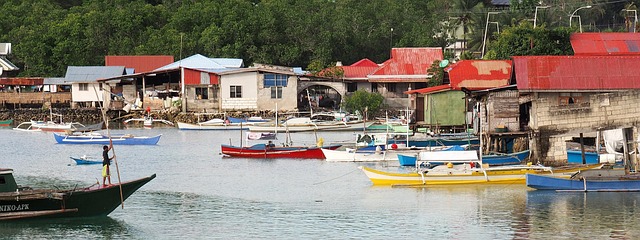
Balabac’s main town is small and unpretentious. There are a handful of guesthouses and homestays, don’t expect luxury; expect clean beds, friendly hosts, and real local hospitality. The food is fresh seafood-heavy: grilled fish, kinilaw (raw fish cured in vinegar, the Filipino ceviche), and simple Filipino dishes.
There’s limited Wi-Fi. Bring a local SIM with data (Globe or Smart), download your offline maps, and pack your patience. Power outages are occasional. And honestly, being offline for a few days is one of the things that makes this trip so restorative.
The people of Balabac are genuinely warm. Because tourism is still so new here, you get treated like a guest rather than a transaction.
Best Time to Visit Balabac
The dry season (November to May) is essential for Balabac. The islands sit in an exposed position in the Sulu Sea, and from June to October, rough seas can cancel boat trips entirely or make the journey from Buliluyan Port in Bataraza uncomfortable. Go in December to March for the calmest water and best visibility for snorkeling.
Avoid Holy Week (Easter weekend), even Balabac gets a surge of domestic tourists during this period, and accommodation fills up fast.
How Much Does a Balabac Trip Cost?
Going fully independent is difficult because of transport coordination, so most travelers book a package. CMT’s 4-day Balabac tour package starts at ₱14,500 per person and includes:
- Van transfer from Puerto Princesa to Buliluyan Port in Bataraza
- Boat to Balabac
- All island hopping (2 full days)
- Breakfast, lunch, and dinner
- Accommodation or camping on the island
- Tour guide and boat crew
For a destination this remote, that’s extremely competitive pricing.
Should You Go to Balabac?
If you’re the kind of traveler who values raw, uncrowded natural beauty over convenience, Balabac is one of the best decisions you can make in the Philippines. It’s not for everyone, the journey is genuinely long, the facilities are basic, and you’ll be out of your comfort zone in the best possible way.
But if you want to see a place that still looks the way El Nido looked before Instagram found it, Balabac is your answer. Go before the crowds do.
FAQ: Balabac Island
Q: Is Balabac safe to visit?
Yes, Balabac is safe for tourists. The local community is welcoming, and organized tour packages include experienced local guides who know the area well. The main risk is sea conditions, always travel during the dry season (November to May) and never attempt to island hop in bad weather.
Q: Do I need a permit to visit Balabac?
You’ll need to register at the Balabac Municipal Tourism Office upon arrival and pay a small environmental fee. This is usually handled by your tour operator if you book a package.
Q: Is there a pink sand beach in Balabac?
Yes, Candaraman Island has a genuine pink sand beach. The color comes from crushed red coral mixed with white sand. It’s best visible in early morning light or during overcast days.
Q: Can I see dugongs in Balabac?
Dugong sightings are possible, particularly around Bugsuk Island and the surrounding sea grass beds. They’re not guaranteed on every trip, but the area is one of the most important dugong habitats in the Philippines.
Q: How many days do I need for Balabac?
Minimum 3 nights / 4 days. One day is essentially consumed by travel each way, leaving you with two days of actual island hopping. Adding an extra day is worth it if your schedule allows.
Q: Is Balabac better than El Nido?
They’re different experiences. Balabac wins on raw, uncrowded beauty and the sense of discovery. El Nido wins on accessibility, variety of tours, and infrastructure. If you can only do one, El Nido is the safer first choice. But Balabac will stay with you longer.
Book Your Balabac Adventure
Don’t let the logistics put you off. CMT handles everything, van transfers, boat arrangements, accommodation, all meals, and guided island hopping, so you can focus entirely on the experience. This is one destination where having a good operator genuinely changes the trip.