
Best Time to Visit Palawan: Month-by-Month Weather & Travel Guide
The first question almost every Palawan visitor asks is: “When should I go?”
And it’s the right question to ask, because Palawan’s weather has a significant impact on what you can actually do there. The difference between visiting in January and visiting in August can be the difference between perfect island hopping and sitting in your guesthouse watching rain hammer the bay.
Palawan’s Two Seasons
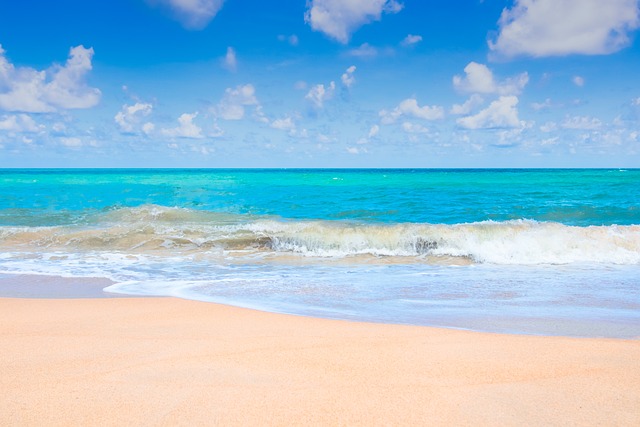
Dry Season (Amihan): November to May – Northeast winds bring clear skies, calm seas, and excellent conditions for island hopping, diving, and beach activities.
Wet Season (Habagat): June to October – Southwest monsoon brings heavy rain, rough seas, and reduced visibility. Island hopping tours frequently get cancelled.

Month-by-Month Breakdown
November: The Sweet Spot Begins
November is when Palawan wakes back up. By mid-to-late November, conditions are reliably good. Tourist numbers are lower than December-February, prices haven’t peaked yet, and the landscape is lush and green from the wet season rains.
Best for: Value-seekers who want good weather without peak-season prices and crowds.
December: Peak Season Begins
The weather is excellent, clear skies, calm seas, and cool-ish evenings. The Christmas holiday period (late December) sees a surge in domestic Filipino travelers, and accommodation books up fast.
Book everything in advance for December visits, especially the weeks around Christmas (Dec 23-Jan 2).
Best for: Travelers who want ideal conditions and don’t mind the higher prices and crowds of the holiday season.
January: The Best Month in Palawan
Consistently calm seas, excellent visibility for diving and snorkeling, warm sunshine, and fewer crowds than December. January is widely considered the single best month to visit El Nido and Coron.
Temperatures are pleasant, hot during the day (28-32°C) but comfortable in the shade, and genuinely cool at night.
Best for: Anyone who has flexibility, this is the top choice.
February: Still Excellent
Nearly identical to January. Still the dry season at its peak. Valentine’s week sees a bump in couples traveling.
Best for: Couples (book accommodation early for Valentine’s week) and anyone who missed January.
March & April: Hot, Busy, and Beautiful
The Philippine summer begins. Temperatures climb to 33-36°C, and the midday heat on a bangka boat can be intense. Bring strong sun protection.
April is Holy Week in the Philippines, and domestic tourism surges massively. El Nido gets packed with Filipino vacationers, prices spike, and accommodation books solid weeks ahead.
Insider tip: Go in early March before the heat and crowds build. Holy Week (Palm Sunday to Easter) is the absolute peak of domestic tourist season.
May: Shoulder Season Begins
May is transitional. The first half is still fine, good weather, diminishing crowds as the holiday season ends. By late May, the southwest monsoon starts edging in.
Best for: Budget travelers who want post-peak prices with mostly good weather.
June to October: The Wet Season
This is typhoon season, and it shows. The southwest monsoon brings heavy sustained rainfall, rough seas, and frequent tour cancellations.
- June: The start of the transition. Still workable, especially in early June.
- July: Getting rougher. Island hopping is possible on calm days but not reliable.
- August-September: The toughest months. Rough sea conditions make island hopping frequently impossible.
- October: Starting to ease. Late October can see improving conditions.
If you go during the wet season, build in flexibility for cancelled tours and book accommodations that offer refunds.
Weather Summary Table
| Month | Weather | Sea Conditions | Crowds | Prices |
|---|---|---|---|---|
| November | Good | Mostly calm | Low | Lower |
| December | Excellent | Calm | High | Peak |
| January | Excellent | Very calm | Medium | Peak |
| February | Excellent | Very calm | Medium | Peak |
| March | Very good | Calm | Medium-high | Medium |
| April | Very good | Calm | Very high (Holy Week) | Highest |
| May | Good-Fair | Mostly calm | Low | Lower |
| June | Fair | Choppy | Very low | Low |
| July | Rainy | Rough | Very low | Lowest |
| August | Very rainy | Very rough | Very low | Lowest |
| September | Very rainy | Very rough | Very low | Lowest |
| October | Rainy | Choppy | Very low | Low |
Special Considerations by Destination
El Nido: Most sensitive to bad weather because island hopping requires calm seas. Stick to November-May.
Coron: More exposed to northeast winds in November-February. Generally fine November through May.
Balabac: Accessible only during the dry season. Never attempt Balabac during the wet season.
Puerto Princesa/Underground River: The Underground River tour can be done year-round, though the road to Sabang can get muddy in heavy rain.
FAQ: Best Time to Visit Palawan
Q: What is the best month to visit Palawan?
January is generally considered the best month, calm seas, clear skies, comfortable temperatures, and slightly fewer crowds than December. November is a close second for value.
Q: Can I island hop in Palawan during the rainy season?
Occasionally, on calm days, but it’s unreliable. The dry season (November-May) is strongly recommended for island hopping.
Q: Does Palawan get typhoons?
Palawan does experience typhoons, though less frequently than the Visayas. The main risk period is July to November, with August-October seeing the most typhoon activity.
Q: When is Palawan least crowded?
June-October (wet season) sees the fewest tourists. For good weather with low crowds, November and February-March are excellent choices.
Q: Is March a good time to visit El Nido?
Early to mid-March is excellent, dry season weather, decreasing post-holiday crowds, and manageable temperatures. Avoid Holy Week if you prefer quiet.
Plan Your Trip for the Right Season
CMT’s Palawan tour packages are designed around the dry season calendar, all our island hopping tours operate November through May. Tell us your travel dates and we’ll match you with the right package and destination.
[…] from PAGASA the night before if you are travelling in the wet months. Our month-by-month guide to the best time to visit Palawan maps this out across the whole […]
[…] is the sweet spot. The sea is calmer, the visibility is better, and boats run more reliably. The best time to visit Palawan guide breaks this down by month, including the shoulder periods when crowds thin out but weather is […]
[…] also the busiest and priciest window. If you’re weighing up seasons more broadly, our best time to visit Palawan guide compares the months […]
[…] guide to the best time to visit Palawan breaks the months down properly if you’re still choosing dates. And if you’re building […]