
Wreck Diving in Coron: A Beginner’s Guide to the Best Dive Sites
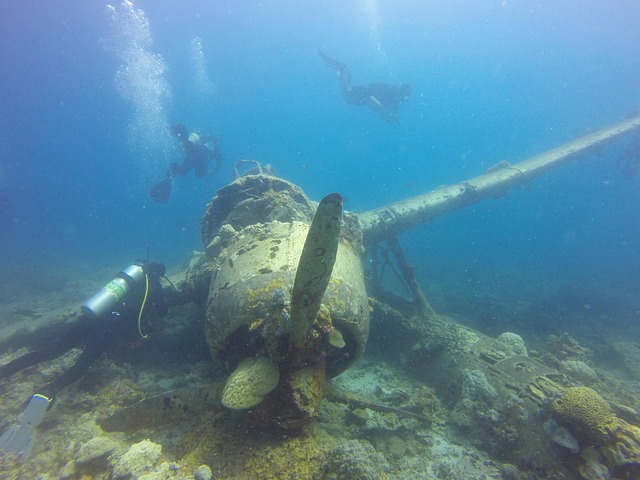
September 24, 1944. American aircraft attacked a Japanese fleet sheltering in Coron Bay, sinking 24 vessels in a single day. Eighty years later, those ships lie at the bottom of Palawan’s sea, now covered in coral, inhabited by reef fish, and visited by divers from all over the world.
Coron wreck diving is frequently cited as one of the best wreck diving destinations on Earth. That’s not travel blog hyperbole, serious dive publications consistently rank Coron in their global top-ten lists. If you have any interest in diving, this is a place that will change your understanding of what’s possible underwater.
And if you’re a complete beginner? You can still experience it, more on that below.
The History Behind the Wrecks
Before we get to depths and dive briefings, the historical context matters. The Japanese fleet in Coron Bay in 1944 was part of the military supply network for Japanese forces in the Philippines. The American airstrike, Operation Musketeer, caught the fleet by surprise and sank vessels ranging from fleet oilers and supply ships to smaller escort vessels.
The wrecks have been sitting on the sea floor for over 80 years. That’s long enough for massive coral colonies to have established themselves on the steel hulls, transforming what were once military ships into some of the most spectacular artificial reefs in Asia. Giant sea fans, barrel sponges, and dense soft coral cover entire sections of some wrecks. Schools of lionfish, barracuda, batfish, and occasional reef sharks inhabit the structures.
These aren’t just historical artifacts, they’re thriving marine ecosystems.
The Best Wrecks in Coron
Olympia Maru (Depth: 15–25m)
The most beginner-friendly of the main wrecks. The Olympia Maru is a Japanese cargo ship lying at a relatively accessible depth with the upper deck at around 15 meters. The superstructure is draped in coral growth, and visibility here is typically excellent.
This is the go-to recommendation for newly certified Open Water divers doing their first wreck dive. The depth is manageable, the structure is visually dramatic, and you’re genuinely inside a WWII-era ship.
Best for: Open Water certified divers, first-time wreck divers
Akitsushima (Depth: 25–40m)
The star of Coron wreck diving. The Akitsushima was a seaplane tender, a support vessel for Japanese flying boats, and it’s the largest and most intact wreck in the area. The ship is enormous, and its crane (which serviced the seaplanes) is still visible and recognizable.
At this depth, you’ll need Advanced Open Water certification. The reward is extraordinary, swimming through a ship that feels frozen in time, with the crane overhead and the hull walls on either side covered in decades of marine growth.
Best for: Advanced Open Water divers
Okikawa Maru (Depth: 10–25m)
Part of this fleet oiler actually protrudes above the water surface, you can see the bow sticking out as you approach by boat. Below the waterline, the wreck stretches for 170 meters, making it the largest wreck in the Coron group.
The shallower sections are accessible to Open Water divers, while the deeper penetrations require more experience. The interior diving here is exceptional, moving through the ship’s cargo holds with a dive light while schools of glassfish part around you.
Best for: All levels (depth varies)
Kogyo Maru (Depth: 15–28m)
This transport ship is festooned with sea fans and encrusting coral. One distinctive feature: the ship’s machinery and cargo equipment is remarkably well-preserved and recognizable after all these years. Photography enthusiasts consistently rate this as one of the most visually striking wrecks in the area.
Best for: Open Water certified divers with some experience
Irako (Depth: 20–42m)
Often cited as the most beautiful wreck in Coron. The Irako was a refrigeration ship, and its interior spaces are massive, room-sized cargo holds that you can penetrate with the right certification and equipment. The fish populations around the Irako are exceptional, large schools of jackfish, grouper, and barracuda consistently hang around this structure.
Best for: Advanced divers, ideally with wreck specialization
Skeleton Wreck / Coral Garden (Depth: 1–10m)
This shallower wreck (the Kyokuzan Maru) is snorkeler-accessible, you can see the mast from the surface and the upper structure at very shallow depth. Not the most dramatic dive in Coron, but perfect for non-divers or those who want to experience wreck snorkeling.
Best for: Snorkelers, discover scuba divers, entry-level divers
Do I Need Certification to Dive in Coron?
For the main wrecks: yes, you need an Open Water certification at minimum, and Advanced Open Water for deeper sites like the Akitsushima and Irako.
If you’re not certified, you have two options:
Discover Scuba Diving (DSD): A brief introduction session that allows uncertified divers to experience scuba under close supervision. You can do a DSD at Skeleton Wreck (Coral Garden), a shallow, accessible site. Expect to pay around ₱1,500–₱2,500 for the experience including equipment.
Get certified in Coron: Several dive shops offer PADI Open Water courses in Coron, typically running 3–4 days and costing ₱12,000–₱18,000 including certification. If you’re planning a Coron trip specifically for diving, arriving early for the course and then diving the wrecks as a certified diver is the most rewarding sequence.
How Much Does Wreck Diving in Coron Cost?
| Dive Type | Approximate Cost |
|---|---|
| Single fun dive (own equipment) | ₱1,000–₱1,200 |
| Single fun dive (with equipment rental) | ₱1,200–₱1,800 |
| Two-dive trip package | ₱2,000–₱3,200 |
| Discover Scuba Diving (DSD) | ₱1,500–₱2,500 |
| PADI Open Water course (full) | ₱12,000–₱18,000 |
| Dive guide (if required) | ₱300–₱500 extra |
Most day dive trips include: boat transfer to the site, dive briefing, tank and weights, and a basic meal or snack. Better dive shops include a dedicated dive guide. Check this before booking.
Which Dive Shop to Choose in Coron?
Coron has many dive operators, ranging from excellent to questionable. Things to verify:
- Are they PADI or SSI affiliated?
- Do they carry a full set of modern, well-maintained equipment?
- What’s the guide-to-diver ratio? (Should be 1:4 or better for wreck diving)
- Do they provide proper dive briefings?
- What’s their safety record and emergency protocol?
Price should not be your only filter. Underwater safety matters, especially inside wrecks where disorientation is a real risk.
Practical Tips for Diving the Coron Wrecks
Go early. The morning light between 8–10am filters down through the water in a way that’s dramatically more beautiful than afternoon dives. Plus, visibility tends to be clearest in the morning.
Bring a dive torch. Even on wrecks you’re not penetrating, interior areas and overhangs are dark enough that a light significantly improves your experience. Most dive shops have torches for rent (₱150–₱300 extra).
Watch your buoyancy. Wreck diving in Coron means being near metal and coral, poor buoyancy control can damage marine growth or kick up silt that destroys visibility for everyone. This is why prior open-water experience matters.
Check your equipment carefully. Confirm equipment function before you board the boat, not at the water surface.
Stay hydrated. Diving is more dehydrating than it feels. Drink plenty of water the night before and morning of dive days.
Combining Wreck Diving with Island Hopping
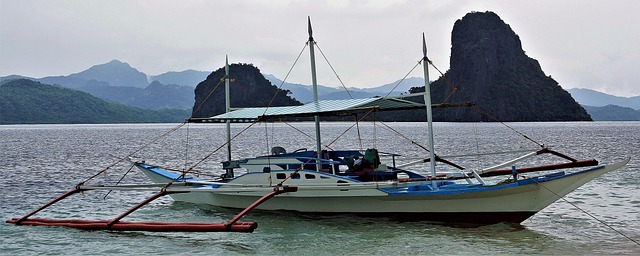
Not everyone in your group dives, and that’s fine. Coron’s island hopping (Kayangan Lake, Twin Lagoon, CYC Beach) is a completely separate and excellent experience for non-divers. Many Coron visitors split their days: mornings diving for the certified divers, afternoons on the island hopping boat with the whole group.
CMT’s Coron packages include island hopping tours and can be combined with externally booked dive trips. The logistics of staying in Coron town give you easy access to dive shops within walking distance of most accommodation.
FAQ: Coron Wreck Diving
Q: Do I need to be certified to dive in Coron?
For the main wrecks, yes, Open Water certification minimum, Advanced for deeper sites. Uncertified divers can do Discover Scuba Diving at shallower accessible sites.
Q: What are the best wrecks in Coron for beginners?
The Olympia Maru (15–25m) and Skeleton Wreck/Coral Garden (1–10m) are the most accessible for newly certified or non-certified divers.
Q: How much does diving in Coron cost?
A single fun dive with equipment rental runs approximately ₱1,200–₱1,800. A full PADI Open Water certification course in Coron costs ₱12,000–₱18,000.
Q: Can I snorkel over the wrecks in Coron?
Yes, the Skeleton Wreck (Coral Garden, Kyokuzan Maru) is shallow enough for snorkeling. The mast is visible from the surface and the top of the structure sits in 3–5 meters of water.
Q: Is Coron worth visiting just for diving?
Absolutely, wreck divers specifically come to Coron from all over the world. Even if island hopping doesn’t interest you, the wreck diving alone justifies the trip.
Q: Is it safe to dive in the Coron wrecks?
Yes, with a certified guide and appropriate certification level. These wrecks have been dived for decades and are well-documented. Use a reputable, properly equipped dive shop and follow your guide’s instructions.
Plan Your Coron Diving Trip
Coron is one of those destinations that rewards proper planning, particularly for divers who want to maximize their time on the wrecks. CMT’s Coron tour packages handle your island hopping and transfers, giving you clean days to dedicate to diving without logistics getting in the way.