
Is Palawan Safe to Travel? What Tourists Need to Know in 2026
Palawan is one of the most visited tourist destinations in the Philippines, and one of the safest. But “safe” is relative, and there are real risks to be aware of that have nothing to do with crime.
Let me give you the complete, honest picture so you can travel with confidence.
Overall Safety Assessment
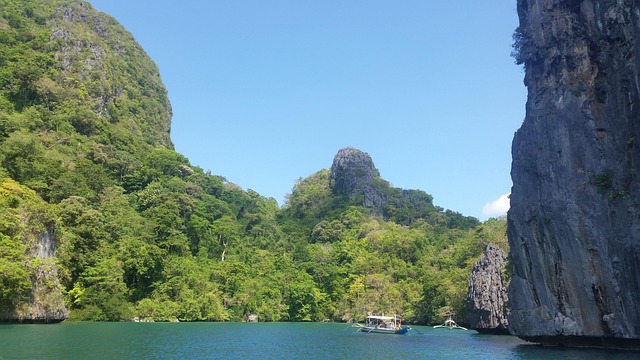
Palawan’s tourist areas, Puerto Princesa, El Nido, and Coron, are generally very safe for travelers. Petty crime exists, as it does everywhere, but violent crime against tourists is rare. Most travelers visit without any safety incident whatsoever.
The Philippine Department of Tourism and local tourism authorities have invested significantly in making Palawan’s tourist zones safe and well-regulated. Environmental fees, licensed operators, marine park regulations, all of these also contribute to a managed, accountable tourism environment.
The risks in Palawan are more commonly:
- Weather and sea conditions (more relevant than crime for most travelers)
- Sunburn and heat-related illness
- Water safety during island hopping
- Travel disruptions from typhoons
Crime and Personal Safety
Petty theft is the primary concern. Pickpocketing and opportunistic theft can happen in any tourist area, El Nido and Coron are no exception. But it’s not a significant problem by Southeast Asian standards.
Practical steps:
- Don’t leave valuables unattended on beaches or boats
- Use your accommodation’s safe or lock box for passports, excess cash, and extra cards
- Be aware of your surroundings in crowded market areas
- Avoid displaying expensive jewelry, cameras, or gadgets unnecessarily
- Keep a small amount of cash accessible and the rest secured
Scams: The most common tourist scams in El Nido are overcharging for services (tricycles, freelance “tour guides”) and unofficial vendors selling tour spots at inflated prices. Book your island hopping through licensed operators and agree on prices before you get in the vehicle.
Nightlife: El Nido’s nightlife is low-key, a few beach bars, some live music. It’s not a party destination by Philippine standards. The usual advice applies: don’t accept drinks from strangers, don’t leave your drink unattended, trust your instincts.
Is El Nido Safe?
Yes, El Nido is safe for solo travelers including solo female travelers. The town is small enough to be walkable and familiar within a day. The local community is generally friendly and tourism-oriented.
Solo female travelers specifically: El Nido is one of the more comfortable destinations in the Philippines for women traveling alone. The traveler demographics are diverse and international, the hostels and guesthouses are used to hosting solo women, and the island hopping groups provide natural social situations.
The usual precautions apply: be aware of your surroundings at night, don’t walk isolated areas alone after dark, trust your instincts about people and situations.
Is Coron Safe?
Yes, Coron town is similarly safe and low-key. If anything, it’s quieter and more local-feeling than El Nido, with less of a tourist-bar scene. The dive community creates a friendly, internationally mixed social environment.

Weather and Sea Safety: The Real Risk
This is where travelers should focus their safety attention. Sea conditions in Palawan can deteriorate quickly, and island hopping in unsafe conditions is genuinely dangerous.
Monsoon season (June–October): Check PAGASA forecasts before any boat activity. Typhoons and tropical storms can bring rough seas, strong winds, and dangerous wave conditions. Boat tours in these conditions are risky. If your tour operator is cancelling, listen to them. Don’t push for tours in bad weather conditions.
Even during dry season: Occasional storms and squalls happen. Responsible operators cancel or reschedule when conditions aren’t safe. If a guide recommends against going out, that recommendation should be respected.
Practical sea safety:
- Always wear your life jacket on the boat, even if others don’t
- Know where the life jackets are stored before departure
- Swim within your abilities, lagoon entries can have currents
- Inform your guide if you’re a non-swimmer
- Don’t swim alone at isolated stops

Sun and Heat Safety
Underestimated by most first-time visitors. The Philippine sun at sea level is genuinely intense, and spending 8 hours on the water without proper protection causes severe sunburn in many tourists.
- Apply reef-safe SPF 50+ sunscreen 30 minutes before departure and every 90 minutes on the water
- Wear a rash guard for extended water time
- Stay hydrated, drink water consistently throughout the day, not just when you feel thirsty
- Take shade breaks on the boat between stops
- Recognize heat exhaustion symptoms: heavy sweating, cold/pale/clammy skin, fast/weak pulse, nausea, fatigue. Move to shade, drink water, rest.
Health Considerations
Water: Don’t drink tap water. Bottled and filtered water is widely available and inexpensive. Most guesthouses provide filtered water or sell bottles.
Food safety: Palawan’s tourist restaurants generally maintain good food safety standards. For street food and market stalls, apply the usual travel judgment, busy stalls with high turnover are safer than quiet ones with food sitting out.
Insects: Dengue fever is present in the Philippines, including Palawan. Use DEET-containing insect repellent especially during dawn and dusk. The dengue mosquito (Aedes aegypti) is most active at these times.
Medical facilities: Puerto Princesa has the most developed medical facilities in Palawan, a hospital and several clinics. El Nido has basic medical facilities but serious conditions require transfer to Puerto Princesa or Manila. Travel insurance with medical evacuation coverage is strongly recommended.
COVID and health requirements: As of 2026, the Philippines no longer requires COVID vaccination certificates or testing for entry. Standard Philippine entry requirements apply.
Southern Palawan Safety Note
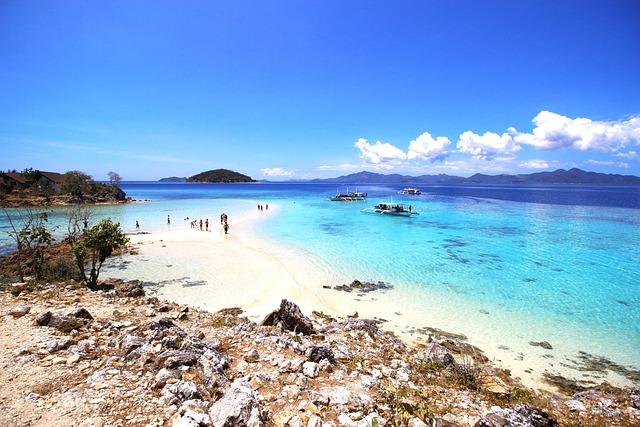
Balabac and the southernmost islands of Palawan sit close to the Sulu Sea and the Borneo coastline. Historically, this area has had some maritime security concerns. The Philippine government and local authorities have significantly improved security in recent years, and organized tour packages with local operators, like CMT’s Balabac tour package, operate with full knowledge of local conditions. Independent travel to very remote southern Palawan islands is not recommended.
For El Nido, Coron, and Port Barton: no such concerns apply.

Travel Insurance
Buy it. For any Palawan trip, travel insurance that covers:
- Medical treatment and emergency evacuation (costs can be significant without insurance)
- Trip cancellation due to weather (typhoons can force cancellations)
- Lost or stolen baggage
Is genuinely important. Medical evacuation from El Nido to Manila can cost ₱100,000+ without insurance. The peace of mind alone is worth the premium.
FAQ: Is Palawan Safe?
Q: Is El Nido safe for solo female travelers?
Yes, El Nido is one of the safer Southeast Asian beach destinations for solo female travelers. The tourist community is diverse and international, accommodation is generally secure, and the town is small enough to navigate confidently.
Q: Is there crime in El Nido?
Petty theft exists, as in any tourist area. Violent crime against tourists is rare. Take standard precautions with valuables and you’re unlikely to have any problems.
Q: Is it safe to swim in El Nido’s lagoons?
Yes, with appropriate awareness. Always wear a life jacket when offered. Know your swimming ability and stay within your limits. Inform your guide if you’re a non-swimmer.
Q: What should I do if my island hopping tour gets cancelled due to weather?
Accept the cancellation, it’s the operator making a safety call, not a commercial decision. Request a refund or reschedule. Don’t attempt to go out on the water in unsafe conditions.
Q: Do I need vaccinations to visit Palawan?
The Philippines does not require specific vaccinations for entry. However, standard travel health advice includes being up to date on routine vaccinations. Hepatitis A and Typhoid vaccinations are worth considering for tropical travel. Consult your doctor before traveling.
Q: Is dengue a risk in Palawan?
Dengue fever is present in the Philippines including Palawan. Use DEET-containing insect repellent, especially around dawn and dusk. If you develop a high fever within two weeks of your trip, seek medical attention.
Q: Is Palawan safe to visit in 2026?
Yes, the tourist areas of Palawan (Puerto Princesa, El Nido, Coron, Port Barton) are safe for international tourists in 2026. Travel advisories from most countries rate the Philippine tourist areas as standard travel precaution level.
Travel Palawan with Confidence
The best way to ensure a safe Palawan trip is to travel with experienced, licensed operators who know the local conditions. CMT’s guides and boat crews operate every day in these waters, they know when to go and when to stay in. Book with us and the safety decisions are in experienced hands.