
Small Lagoon El Nido: How to Visit & What to Expect in 2026
If you ask a handful of local boatmen which lagoon in El Nido they’d take their own family to, honestly, more than a few will say Small Lagoon before Big Lagoon even comes up. Everyone knows Big Lagoon from the postcards. Small Lagoon is the one tucked behind a crack in the limestone that you can barely fit a kayak through. We still remember the first time our boatman cut the engine right outside that gap and just pointed at the rock wall. No dock, no sign, just a narrow slit with glowing turquoise water on the other side. That’s the small lagoon el nido experience in a nutshell: a hidden pocket of Bacuit Bay that rewards travelers willing to duck their heads and swim a little. Here’s what it actually costs, how to get in, and why timing your visit matters more than most guides will tell you.
What Is the Small Lagoon, Exactly?
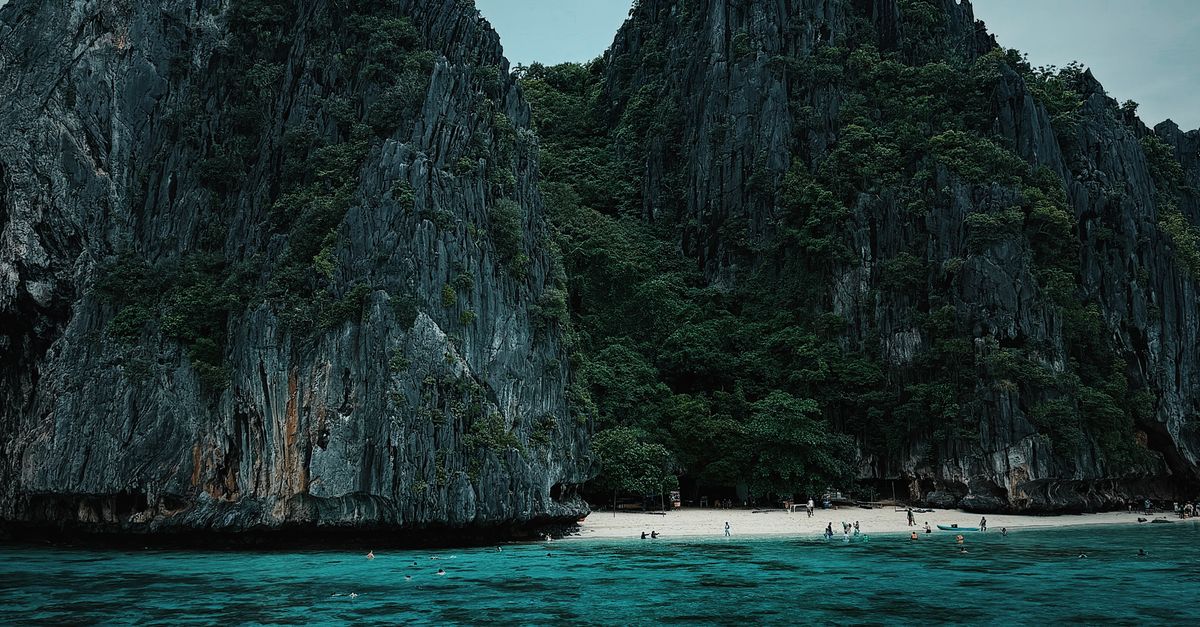
Small Lagoon sits on the eastern side of Miniloc Island, right in Bacuit Bay, just a short hop from its more famous neighbor Big Lagoon. Both lagoons are part of the El Nido-Taytay Managed Resource Protected Area, which is why the whole area feels so untouched: towering limestone karst walls, water so clear you can count the fish beneath your kayak, and almost no development in sight.
What makes Small Lagoon different is the entrance. Big Lagoon has a wide, open channel that boats can practically nose into. Small Lagoon doesn’t. You approach a solid-looking cliff face, and only once you’re close do you spot the gap, a crevice barely a couple of meters wide. Swim or paddle through it and the lagoon opens up into a quiet, enclosed pool ringed by cliffs on every side. It genuinely feels like a different place from the open bay you just left.
Insider tip: ask your boatman to hang back for a minute before you swim in. Most tour groups rush straight through the opening, but if you pause just outside, you’ll often have the crevice entirely to yourself for a photo, since everyone else is already inside.
Small Lagoon vs Big Lagoon: What’s the Difference?
Travelers planning a Tour A day always ask this, so here’s the quick comparison.
| Feature | Small Lagoon | Big Lagoon |
|---|---|---|
| Entrance | Narrow crevice, swim or kayak only | Wide open channel, boats can enter |
| Boat access | No, anchor outside and swim/paddle in | Yes, boats can get close |
| Best for | Kayaking, quiet swimming, photos | Snorkeling, sightseeing by boat |
| Crowd level | Busy midday, quieter early morning | Busy most of the day, especially by boat |
| Typical tour | El Nido Tour A | El Nido Tour A |
Neither one is objectively “better,” and honestly, most people do both back to back since they’re stops on the same tour. But if you only had time for one, Small Lagoon is the more intimate, more physically active experience of the two.

How to Get to Small Lagoon
Small Lagoon isn’t something you book on its own. It’s a stop on El Nido’s Tour A, which departs from El Nido town by boat, usually early in the morning between 7:00 and 8:00 AM. The boat ride out to Miniloc Island takes roughly 20 to 30 minutes depending on where your tour actually launches from and how the sea is that day.
Tour A typically covers Small Lagoon, Big Lagoon, Secret Beach, Shimizu Island, and 7 Commandos Beach in one full day, usually wrapping up back in town by mid to late afternoon. If you’re weighing which island hopping package to book, our full breakdown in the El Nido Tour A guide covers the whole day stop by stop, and the El Nido island hopping tours guide compares Tour A against B, C, and D if you’re still deciding.
So, do you need to plan anything special to see Small Lagoon? Not really. Just book Tour A, whether through your accommodation, a walk-in agency in town, or directly with an operator like CMT, and Small Lagoon is already on the itinerary.
One thing worth planning ahead of time, though, is how you actually get to El Nido in the first place. Most travelers fly into either Lio Airport or Puerto Princesa and then connect by van, with carriers like AirSWIFT running direct flights to Lio. If you’re building out your full trip, our best time to visit El Nido guide is a good place to start before you lock in dates.
Getting Inside: Swim or Kayak Through the Crevice
Here’s the thing nobody mentions until you’re already in the water: whether you swim or kayak through the entrance often depends on the tide, not just your preference. At higher tide, a kayak usually slides through the gap without much trouble. At lower tide, the opening can get shallow enough that kayaks scrape or simply won’t fit, and your guide will just tell everyone to swim it instead.
Either way works fine, and neither is dangerous, but pack accordingly. You’ll want a waterproof bag or dry pouch for your phone if you’re swimming in, since you’ll be in open water for a stretch with nowhere to set anything down.
Once you’re inside, the lagoon is calm and shallow in most areas, good for casual swimming, and there are a few cliff faces where local guides sometimes point out safe jumping spots. Snorkeling inside isn’t the main draw compared to somewhere like the reefs near Shimizu Island, but the rock formations and hidden corners make it worth bringing your mask anyway.
Insider tip: the current inside the lagoon is basically nonexistent, so it’s a genuinely relaxed swim even for weaker swimmers. The tricky part is only the entrance crevice itself.
Small Lagoon Entrance Fees & Prices in 2026
Palawan’s fee structure can be confusing if nobody explains it upfront, so here’s the breakdown as of 2026.
| Item | Approximate Price (PHP) |
|---|---|
| El Nido Eco-Tourism Development Fee (ETDF) | ₱400 per person (covers 10 days, multiple sites) |
| Small Lagoon site fee | Typically bundled into your Tour A package or the ETDF, confirm with your operator |
| Kayak rental at Small Lagoon | Approximately ₱300 to ₱500 per kayak, cash only |
| Tour A, shared/group boat | Approximately ₱1,200 to ₱1,500 per person |
| Tour A, private boat | Approximately ₱4,500 to ₱6,000 per boat |
The ETDF is the flat environmental fee that covers most of El Nido’s protected natural attractions, including Small Lagoon, and it was raised to the current ₱400 rate under Municipal Ordinance 01, Series of 2024. It’s valid for 10 days across multiple sites, so if you’re staying a week and doing more than one tour, you generally only pay it once. Keep your receipt on you though, since wardens do spot checks at some sites.
Kayak rental is cash-only and paid on the spot, usually to a small operator stationed right at the lagoon entrance. Bring exact change if you can, since they’re not always able to break a large bill out on the water.
Best Time to Visit Small Lagoon
Dry season, running roughly November through May, is the easiest time to visit. Seas are calmer, visibility is better, and you’re less likely to get your tour cancelled or rerouted because of weather. You can check current conditions and forecasts through PAGASA, the Philippines’ official weather bureau, before you fly in.
But even within dry season, timing your day matters. Tour A boats tend to hit Small Lagoon mid-morning, right around the time three or four other boats show up too. If your itinerary or operator gives you any flexibility on stop order, ask to do Small Lagoon first thing, right after departure, rather than after Big Lagoon. You’ll trade a few extra minutes of morning boat ride for a lagoon that’s genuinely quiet.
And if you’re visiting during the June to October off-season? It’s still doable, and honestly, the crowds thin out considerably. Just expect more rain delays and rougher water on any given day, so build a buffer day into your itinerary if you can.

What to Pack and Insider Tips
A few things that make a real difference at Small Lagoon specifically:
- A waterproof phone pouch, since you may need to swim through the entrance
- Reef-safe sunscreen, applied before you leave the boat, not after you’re already in the water
- Water shoes or sandals with a strap, the rocks near the entrance can be sharp
- Snorkel mask if you have your own, rental gear on tour boats is hit or miss
For the rest of your trip, our what to pack for Palawan guide covers everything else you’ll want in your bag beyond just this one stop.
Insider tip: most boats only give you around 30 to 45 minutes at Small Lagoon before moving on to the next stop. Don’t spend the first ten minutes deciding whether to swim in. Get in the water early and you’ll actually have time to explore the far corners of the lagoon instead of just the entrance area.
FAQ
Is Small Lagoon in El Nido worth visiting?
Yes. It’s consistently one of the most recommended stops on Tour A, and the narrow swim-through entrance gives it a completely different feel from the more open Big Lagoon just next door.
Can you swim in Small Lagoon?
Yes, swimming is one of the main activities there, along with kayaking. The water inside the lagoon is calm with basically no current, though the entrance itself involves a short swim through a narrow gap.
Do you need to know how to swim to visit Small Lagoon?
You should be a reasonably confident swimmer, since getting into the lagoon usually means swimming through the entrance crevice, especially at low tide. If you can’t swim, ask your guide about kayak options when the tide allows boats through instead.
How much does it cost to enter Small Lagoon?
Entry is generally covered by the ₱400 El Nido Eco-Tourism Development Fee (ETDF), which applies across most protected sites in El Nido, including Small Lagoon. Kayak rental, if you want one, is a separate cash cost of roughly ₱300 to ₱500.
Is Small Lagoon part of Tour A or Tour D?
Most El Nido tour operators, including CMT, include Small Lagoon on Tour A alongside Big Lagoon, Secret Beach, Shimizu Island, and 7 Commandos Beach. You may see some third-party sources list it under Tour D instead. This varies by operator, so always confirm your specific tour’s stops when booking.
What should I bring to Small Lagoon?
A waterproof pouch for your phone, reef-safe sunscreen, water shoes, and a snorkel mask if you own one. There are no facilities at the lagoon itself, so bring what you need with you.
How long do you get at Small Lagoon on a tour?
Most Tour A itineraries allow around 30 to 45 minutes at Small Lagoon before moving to the next stop, so it’s worth getting in the water quickly rather than lingering on the boat.

Other El Nido Stops Worth Planning Around
Since Small Lagoon shares a tour day with a few other big names, it helps to know what else you’re in for. Our Big Lagoon guide covers El Nido’s most photographed lagoon in detail, and Secret Beach breaks down the other swim-through spot on the same Tour A route, the one with the even tighter entrance. Worth reading both before your trip so you know what to expect from the full day, not just the one stop.
Ready to See It for Yourself?
Small Lagoon is one of those stops that photos genuinely don’t do justice, you have to swim through that crevice yourself to get it. If you’re ready to book, check out our El Nido Tour A package for the full day that includes Small Lagoon, Big Lagoon, and more, or message us directly on Facebook to lock in your date. Whichever lagoon ends up being your favorite, we’d bet Small Lagoon surprises you.