
Big Lagoon El Nido 2026: The Complete Visitor Guide
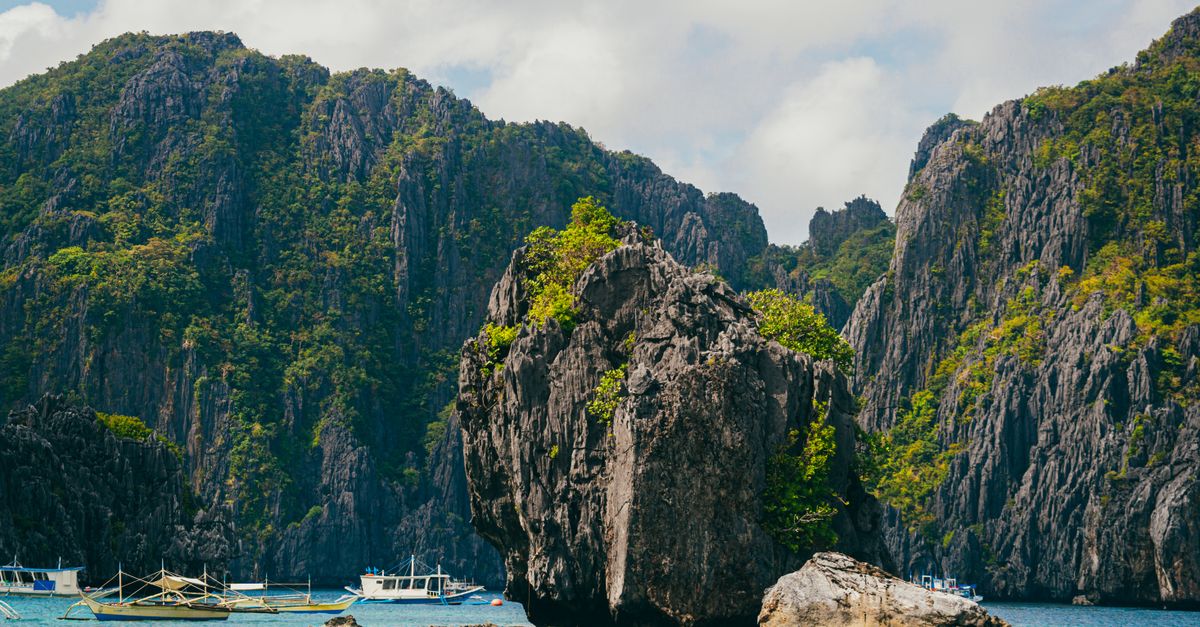
If you’ve seen one photo from El Nido, there’s a decent chance it was Big Lagoon. That shot of a bangka boat floating in front of towering limestone cliffs, the water somewhere between teal and electric blue, is basically the poster image for Palawan tourism at this point. And honestly? It looks even better in person.
Big Lagoon El Nido sits inside Bacuit Bay on Miniloc Island, and it’s the single most requested stop when people book El Nido Tour A with us. We get messages almost every day asking the same things: how do you actually get there, how much does it cost in 2026, is it worth the hype, and when should you go to avoid the crowds. This guide answers all of it, based on what we see happen on the water every week.
What Is Big Lagoon El Nido?
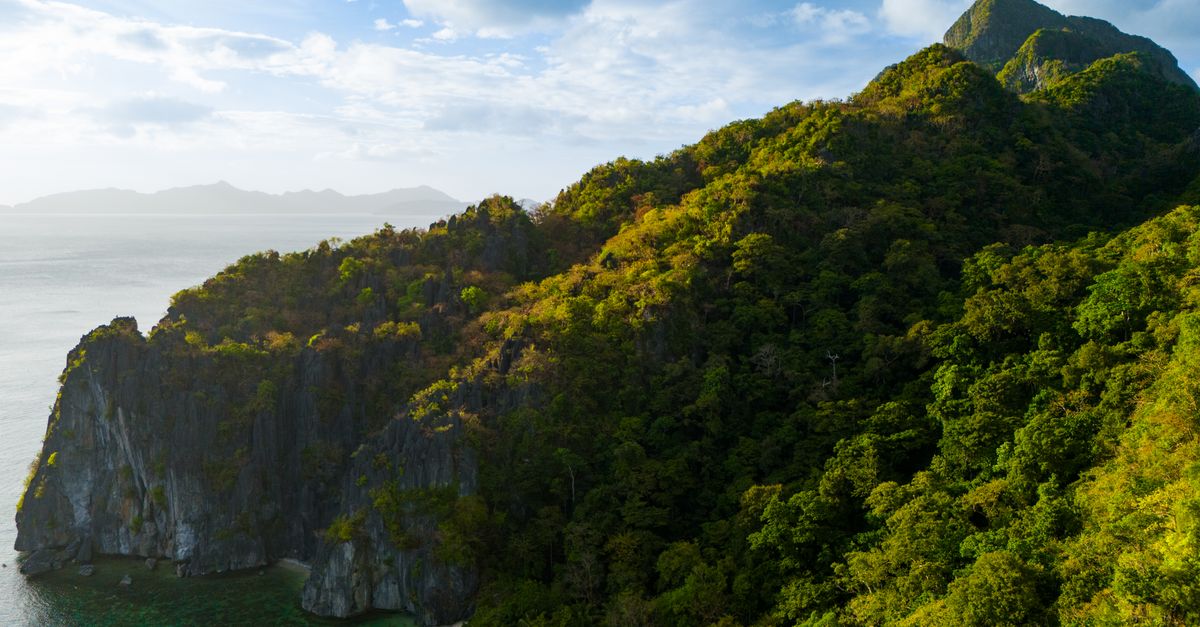
Big Lagoon is a semi-enclosed lagoon carved into the limestone karst of Miniloc Island, one of the many islands scattered across Bacuit Bay. It’s the largest of El Nido’s lagoons (Small Lagoon and Secret Lagoon are its smaller, more enclosed neighbors), which means there’s more room to spread out, more corners to explore by kayak, and generally less of a bottleneck than you get at some of the tighter stops on the tour.
The cliffs here rise almost straight up out of the water, and the whole place has that “how is this real” quality that shows up in every Palawan brochure. Big Lagoon is only reachable by boat, and specifically, it’s a stop on El Nido Tour A, the original and still most popular island hopping route in town. You can’t walk in, you can’t drive up to it, and there’s no land access at all. A bangka boat is the only way in.
Insider tip: if your itinerary options mention “Tour A,” Big Lagoon is almost always included. But double check with whoever you’re booking through, since a small number of operators run shortened routes during extremely rough weather and may skip it. Always confirm Big Lagoon is on the list before you pay.
How to Get to Big Lagoon El Nido
Most travelers reach El Nido by flying directly into El Nido Airport on AirSWIFT, or by flying into Puerto Princesa on a carrier like Cebu Pacific and then taking a 5 to 6 hour van transfer up to El Nido town. Either way, once you’re in town, getting to Big Lagoon itself only happens by boat.
Tour A boats depart from Corong-Corong Beach or the El Nido town wharf, usually between 8:30 and 9:00 AM. The boat ride out to Bacuit Bay takes anywhere from 20 to 40 minutes depending on which stops your operator hits first, since Big Lagoon is often the second or third stop of the day rather than the first.
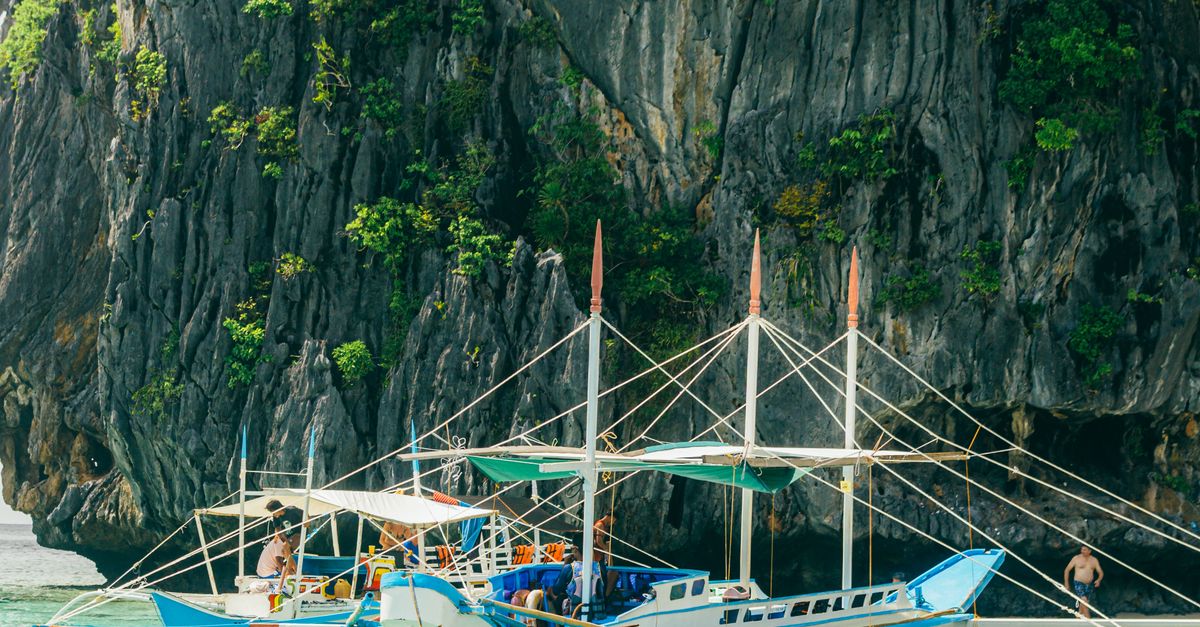
Once you arrive, the boat anchors just outside the lagoon mouth. From there, you either kayak in or swim in through the shallow entrance channel. There’s no dock and no dry entrance, so plan on getting wet the moment you arrive.
Here’s the thing a lot of first-timers don’t realize: Big Lagoon can only be visited as part of a tour. There’s no way to book a standalone ticket or hire a boat that goes only to Big Lagoon. It’s bundled into Tour A (and occasionally offered as a private “Big Lagoon only” premium add-on by a few operators, which usually costs significantly more than a standard shared tour).
Insider tip: ask your boat crew, politely, if they can prioritize Big Lagoon early in the route. Some operators are flexible about stop order if you ask before departure, and arriving before 10 AM makes an enormous difference in how crowded it feels.
Big Lagoon El Nido Entrance Fees & Prices 2026
Let’s talk numbers, because this is the part everyone actually wants to know. Fees at Big Lagoon come from two separate sources: the municipal Eco-Tourism Development Fee (ETDF), which covers your whole trip across multiple sites, and a specific lagoon entrance fee charged at Big Lagoon itself.
| Item | Cost (PHP) | Notes |
|---|---|---|
| El Nido ETDF (environmental fee) | â±400/person | Municipal Ordinance 01, Series of 2024. Valid for 10 days, covers multiple sites |
| Big Lagoon entrance fee | ~â±200/person | Paid at the lagoon or included in some tour packages, confirm with your operator |
| Kayak rental (2-seater) | â±300-400 | Per kayak, not per person |
| Tour A group rate (shared bangka) | â±1,200-1,500/person | Big Lagoon is one of 4-5 stops |
| Private Tour A charter | â±4,500-6,000/boat | Whole boat, split among your group |
A quick word on the ETDF since it trips a lot of people up: El Nido raised this fee from â±200 to â±400 per person under a 2024 municipal ordinance, and it’s valid across multiple attractions for your stay, not just Big Lagoon. If you already paid it earlier in your trip for another tour, you typically don’t pay it again within the validity window, so keep your receipt.
Kayak rental is genuinely worth it. You could technically swim into Big Lagoon and paddle around on a life vest, but a kayak lets you actually explore the far corners of the lagoon where it’s quieter, and honestly, the extra â±300 to 400 pesos is nothing compared to what you’re paying to get to Palawan in the first place.
Insider tip: if you’re traveling with a partner or friend, one kayak between two people is standard and works out cheaper per head than solo kayaks. Ask at the entrance, since rental staff usually have a small fleet ready right at the mouth of the lagoon.
What to Expect Inside Big Lagoon
Kayaking Through Big Lagoon
This is the main event. You paddle from the entrance channel into the open lagoon, and the cliffs close in around you on almost every side. The water shifts color depending on the light and depth, sometimes pale jade, sometimes a deep sapphire blue near the cliff bases where it gets suddenly deeper.
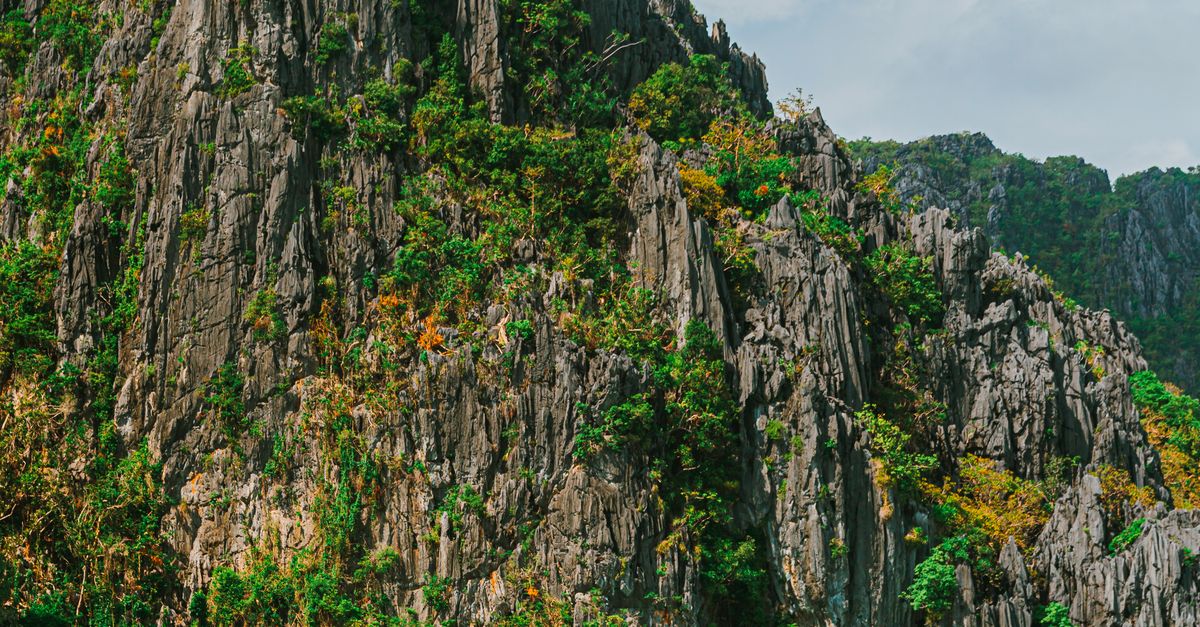
Because the lagoon is bigger than Small Lagoon, you can usually paddle to a quiet corner even when the main entrance area feels busy. That’s honestly the best move here: don’t linger where everyone else parks their kayak near the entrance. Paddle further in. It takes maybe five extra minutes and the payoff is having a slice of limestone cliff practically to yourself.
Bring a waterproof phone case or an action camera if you have one. The light in Big Lagoon changes fast depending on cloud cover, and some of the best photos happen in those brief windows when the sun breaks through.
Swimming Without a Kayak
If you’d rather skip the kayak, you can swim in through the entrance channel with a life vest. The water near the mouth is shallow enough to stand in most of the year, though it deepens quickly once you’re inside. Guides are usually nearby and happy to help less confident swimmers.
Insider tip: the entrance channel gets a mild current at certain tide points. It’s not dangerous, but it can catch you off guard if you’re not expecting it. Ask your boat crew about the tide before you jump in, especially if you’re traveling with kids or non-swimmers.
You’ll have roughly an hour to an hour and a half at Big Lagoon before the boat moves on to the next stop, which is usually Small Lagoon or Secret Beach depending on your operator’s route that day.
Big Lagoon vs Small Lagoon: What’s the Difference
People ask us this constantly, so here’s the honest answer. Big Lagoon is larger, more open, and better for kayaking since there’s more room to spread out. Small Lagoon, a short paddle or swim away, is more intimate and enclosed, with a narrow rock gap you pass through to reach it, and the light hits its walls in a way that turns the water a deep gold in the late afternoon.
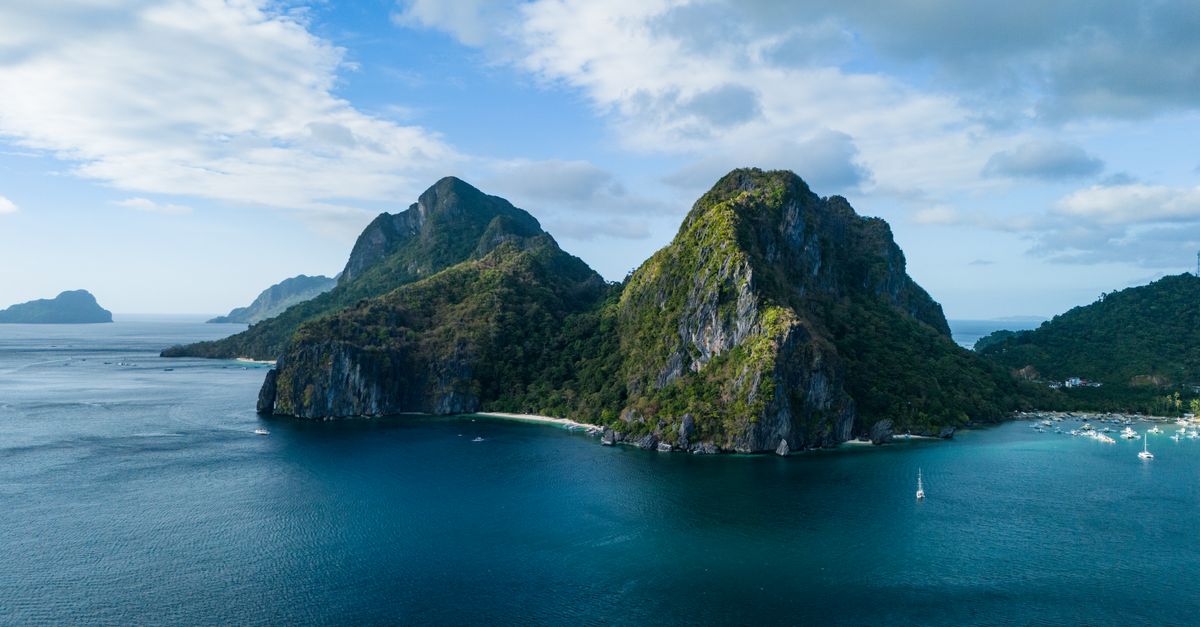
Neither one is objectively “better.” They’re just different moods. If you only have time or budget for one, Big Lagoon has the edge for photos and space. If Small Lagoon happens to be on your route too (it usually is, on a standard Tour A), don’t skip it just because Big Lagoon gets more attention online. If you’re weighing Tour A against the other routes, our El Nido Tour B guide covers the caves and beaches you’d see instead if you picked that route.
Best Time to Visit Big Lagoon
Best Season
November through May is dry season in El Nido and the better window overall, with calmer seas and clearer water for photos. December through February tends to have the best underwater visibility if you’re planning to snorkel or just want clear shots below the surface.
June through October is the rainy season. Tours still run, and Big Lagoon is rarely cancelled outright, but rough sea days can mean operators skip stops or reorder the route. If you’re visiting off-season, book with an operator who monitors conditions honestly rather than pushing tours out in marginal weather. You can check general seasonal patterns through PAGASA, the Philippines’ national weather agency, before you travel. For a fuller month-by-month breakdown, our best time to visit El Nido guide goes deeper into what each season actually feels like on the water.
Best Time of Day
Early. This is the single biggest lever you have over your own experience at Big Lagoon. Boats that arrive before 9:30 or 10 AM often have the lagoon nearly to themselves. By midday, when tour boats from every operator in town converge on Bacuit Bay, the entrance area can genuinely feel crowded, with kayaks bumping into each other near the mouth.
We’ve watched the difference firsthand. Arrive at 9 AM and it feels like a private cove. Arrive at noon and you’re sharing it with six other boatloads of people. Same lagoon, completely different experience, just because of timing.
Insider tip: if early departure isn’t offered by default, ask for it specifically when booking. A lot of operators default to a “standard” 9 AM departure that still puts you at Big Lagoon around 10:30 or 11, right as it fills up. Ask if an 8 AM pickup is possible instead.
Tips for Visiting Big Lagoon El Nido
A few practical things that make the visit smoother, gathered from what guests tell us after their tours:
- Reef-safe sunscreen only. Bacuit Bay is a protected marine area, and chemical sunscreens are discouraged or outright banned at several stops, Big Lagoon included. Bring biodegradable or mineral sunscreen.
- Bring cash in small bills. Kayak rental and the lagoon entrance fee are typically paid on the spot, and change can be limited at the entrance kiosk.
- Wear water shoes if you have them. Some of the rockier edges near the entrance can be slippery.
- Pack a dry bag. You’ll be swimming or kayaking, and having somewhere dry to stash your phone and wallet for the rest of the day is genuinely worth the extra bag.
- Don’t touch or stand on the coral or rock formations. It sounds obvious, but with everyone trying to get the perfect photo, it’s an easy rule to forget in the moment.
What to Bring to Big Lagoon
Beyond the basics above, pack an underwater camera or GoPro if you have one, since the water clarity here is good enough that you’ll want shots below the surface too. A change of clothes for the ride back is worth having, along with motion sickness tablets if you’re prone to seasickness on the open crossings between islands (the lagoon stops themselves are calm, but getting between islands can have some swell). For the full rundown of what to pack for the rest of your trip, see our Palawan packing list.
How to Book Your Big Lagoon Visit
Big Lagoon comes bundled into El Nido Tour A, which you can book through your accommodation, at the tourism office near the town wharf, or directly with a local operator like us. Prices land in a similar range no matter where you book, but service quality, group size, and whether entrance fees are already included in your quote can vary a lot.
Before booking, confirm: is lunch included, are entrance fees bundled into the price or paid separately, is kayak rental included or extra, and what time does the boat actually leave. Our El Nido Tour A package covers Big Lagoon, Small Lagoon, Secret Beach, and Shimizu Island in one trip, with entrance fees, lunch, and snorkeling gear included, and we can arrange early departure times specifically to beat the Big Lagoon crowds. If you want the full rundown of every stop on the route, check out our complete El Nido Tour A guide.
Big Lagoon is the reason a lot of people book El Nido in the first place, and it genuinely earns the hype. Message us on Facebook Messenger with your travel dates and we’ll help you plan the best day for it.
FAQ: Big Lagoon El Nido
How much does it cost to visit Big Lagoon El Nido?
Expect to pay the ETDF (â±400 per person, valid across multiple sites for 10 days), a Big Lagoon entrance fee of around â±200 per person, and â±300 to 400 for a kayak rental if you want one. This is on top of your Tour A booking, which runs â±1,200 to 1,500 per person for a shared group tour.
Can I visit Big Lagoon without a kayak?
Yes. You can swim into the lagoon through the entrance channel with a life vest. It’s shallow enough to stand near the mouth, though it deepens further in. A kayak just lets you cover more ground and reach the quieter corners.
Is Big Lagoon part of Tour A or Tour B?
Big Lagoon is a Tour A stop. If you’re deciding between El Nido’s island hopping tours, our guide comparing all four El Nido tours breaks down what’s included in each.
How long do you spend at Big Lagoon?
Most tours allow around one to one and a half hours at Big Lagoon before moving to the next stop.
What’s the best time of day to visit Big Lagoon?
As early as your operator allows, ideally arriving before 10 AM. Big Lagoon gets noticeably busier from late morning onward as more tour boats arrive.
Is Big Lagoon better than Small Lagoon?
They’re different rather than better or worse. Big Lagoon is larger with more room to kayak and explore. Small Lagoon is smaller and more enclosed, with a narrower, more dramatic entrance. Most Tour A itineraries include both.
What’s the best season to visit Big Lagoon?
November to May, during El Nido’s dry season, offers calmer water and better visibility. June to October is rainier, and while tours still run, rough weather can occasionally affect the route.
Book Your El Nido Tour A Trip with CMT
Big Lagoon is the highlight most travelers remember long after their trip to El Nido ends. Our El Nido Tour A package includes Big Lagoon, Small Lagoon, Secret Beach, and Shimizu Island, with entrance fees, lunch, and snorkeling gear included, no hidden charges.
Book El Nido Tour A here or message us on Facebook Messenger to check availability and ask about early departure slots.