
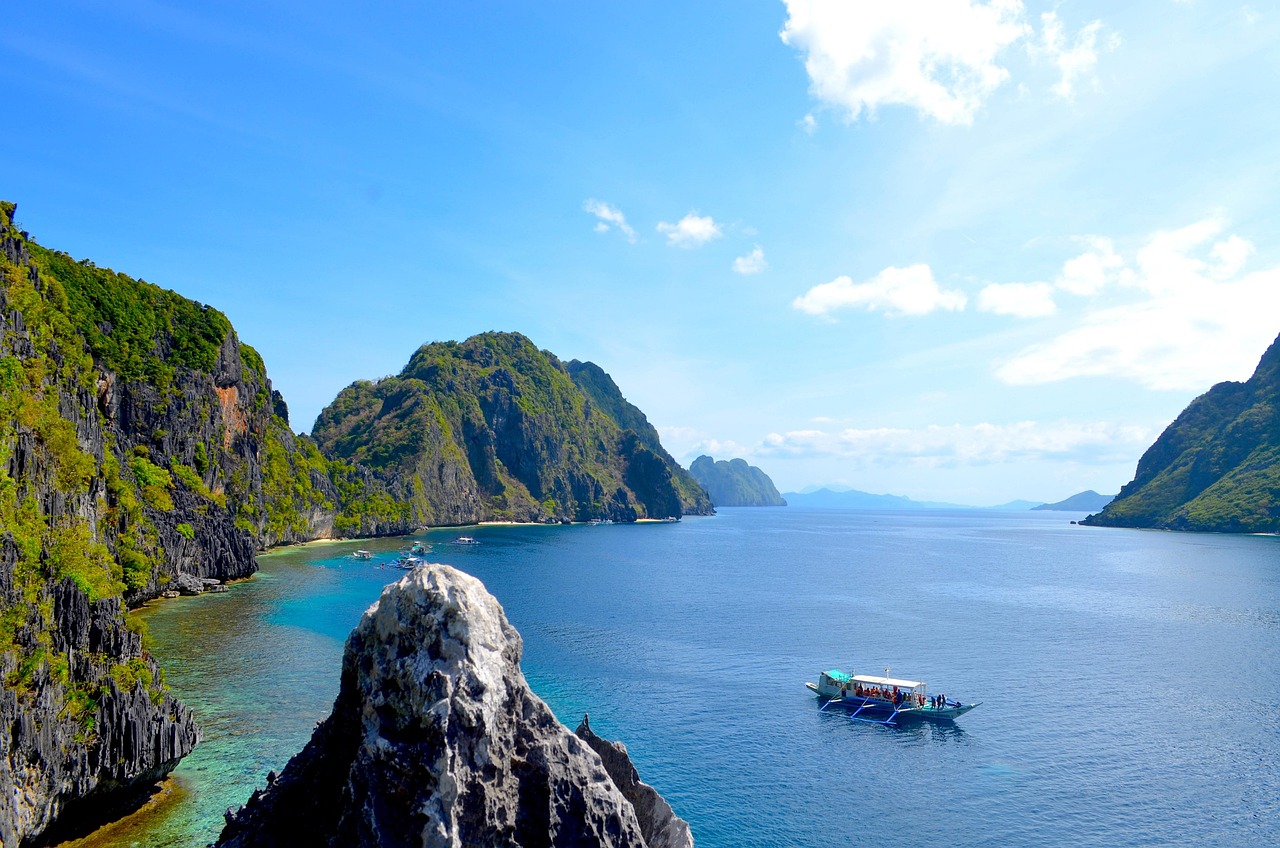
Why Palawan’s Reefs Are Worth Protecting Right Now
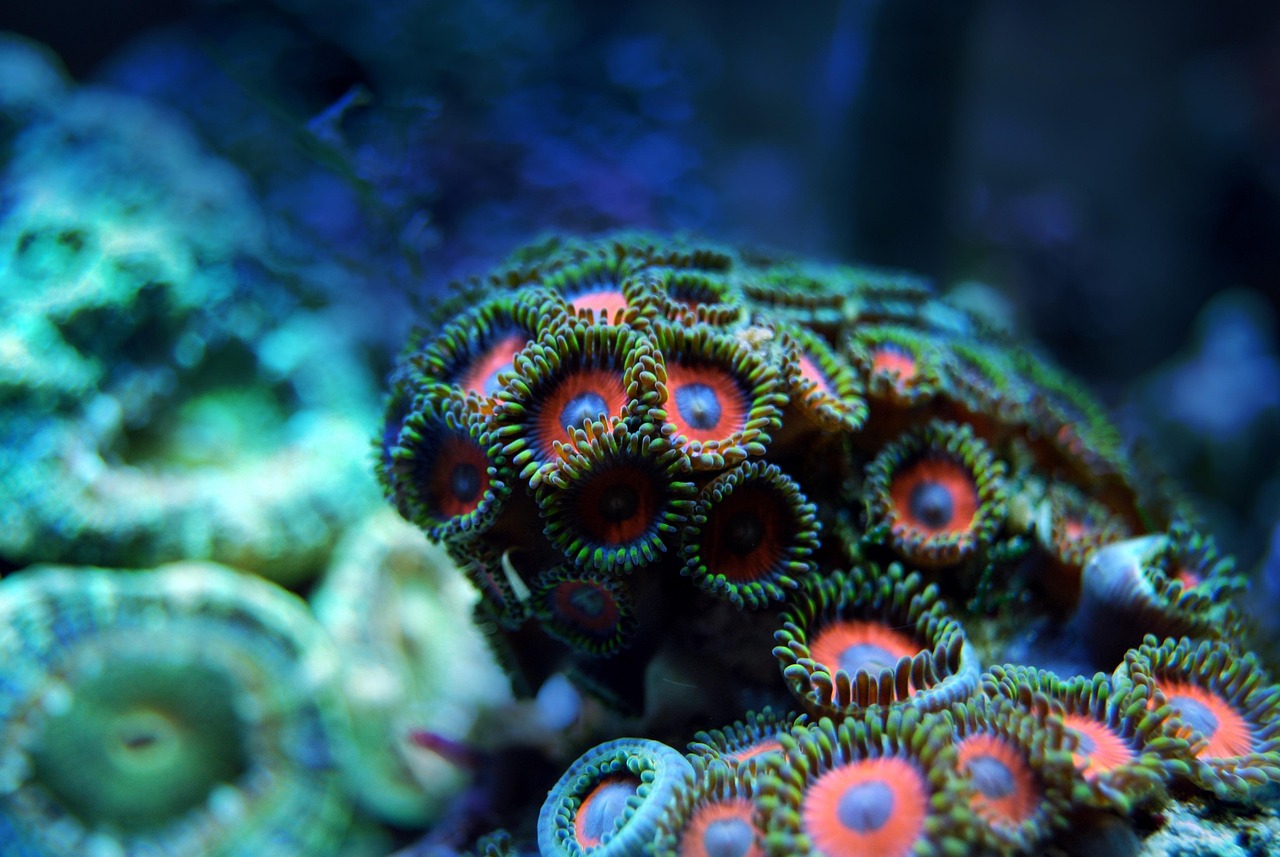
Palawan is home to one of the most biodiverse marine ecosystems on the planet. The Tubbataha Reef Natural Park, a UNESCO World Heritage Site, sits about 150 kilometers southeast of Puerto Princesa and contains over 360 coral species. The reefs around El Nido’s Bacuit Bay aren’t far behind in terms of richness.
But coral bleaching events, plastic pollution, and irresponsible tourism have taken a real toll over the past decade. The Palawan Council for Sustainable Development (PCSD) has been working hard to enforce environmental laws across the province, but they can’t do it alone. Travelers have a role to play too.
The reefs here aren’t just beautiful. They support the livelihoods of thousands of local fishermen and the entire tourism economy. When the coral dies, the fish leave. When the fish leave, the fishermen struggle. It’s a chain reaction that affects real families in places like El Nido town, Coron, and Port Barton.
Environmental Fees in Palawan: Where Your Money Goes
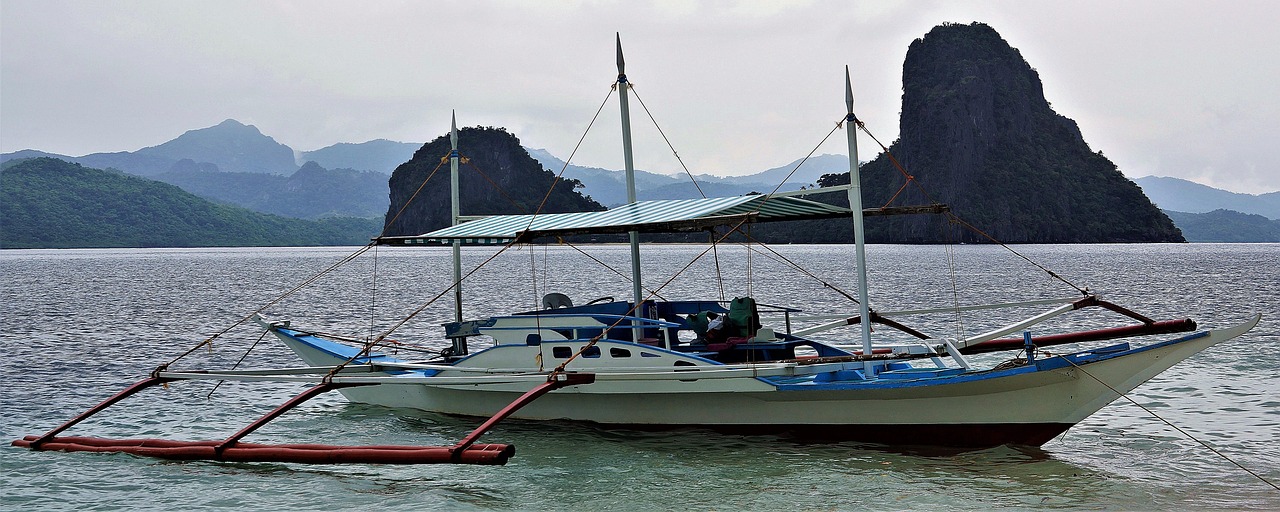
Before you even step on a boat, know this: environmental fees are mandatory in Palawan, and they exist for good reason.
In El Nido, you’ll pay an environmental fee of ₱200 per person when you arrive. This covers your stay and contributes to the Environmentally Critical Areas Network (ECAN), which protects the most sensitive marine zones in the Bacuit Archipelago. Some tour packages include this fee already, so check with your operator before you pay at the terminal.
Coron charges its own set of fees: around ₱200 for the Kayangan Lake entrance, ₱200 for Twin Lagoon, and similar amounts for other protected sites. In total, a full day of island hopping in Coron can run ₱500-700 in environmental and entrance fees on top of your tour cost. Don’t grumble about it. That money funds the ranger patrols, the clean-up crews, and the conservation programs that keep these places worth visiting.
Our El Nido island hopping packages already include all mandatory environmental fees, so there are no surprise charges when you arrive at the lagoons.
Puerto Princesa has a similar setup. The Underground River National Park charges a ₱150 environmental fee per visitor, and boat rentals are regulated to limit the number of visitors inside the cave at any given time. This is a great model for sustainable tourism that other destinations in the Philippines could learn from.
Reef-Safe Sunscreen: Non-Negotiable in the Water
This is probably the single most important thing you can do for the reefs during your visit. And it’s honestly not that hard once you know what to look for.
Regular chemical sunscreens contain oxybenzone and octinoxate, two compounds that have been proven to cause coral bleaching, disrupt coral reproduction, and damage juvenile coral at concentrations as low as one drop in an Olympic-size swimming pool. In a lagoon like Big Lagoon or Small Lagoon in El Nido, where hundreds of tourists swim daily in relatively enclosed water, the cumulative effect is significant.
What to use instead: mineral-based sunscreens with zinc oxide or titanium dioxide. Look for labels that say “reef-safe” or “reef-friendly,” and double-check the ingredients list. Some brands use the reef-safe label as marketing without removing the harmful chemicals, so always flip the bottle over.
Good reef-safe options are available in El Nido town at prices ranging from ₱350 to ₱800 for a decent-sized bottle, depending on the brand. Bring one from Manila or buy it locally, but don’t skip it. Your guide will thank you. The coral will thank you.
(Quick tip: apply sunscreen at least 30 minutes before getting into the water. It absorbs better and you’ll shed less in the ocean.)
Check our El Nido packing list for a full rundown of what to bring, including specific reef-safe sunscreen recommendations that are available in the Philippines.
How to Pick a Responsible Tour Operator in El Nido
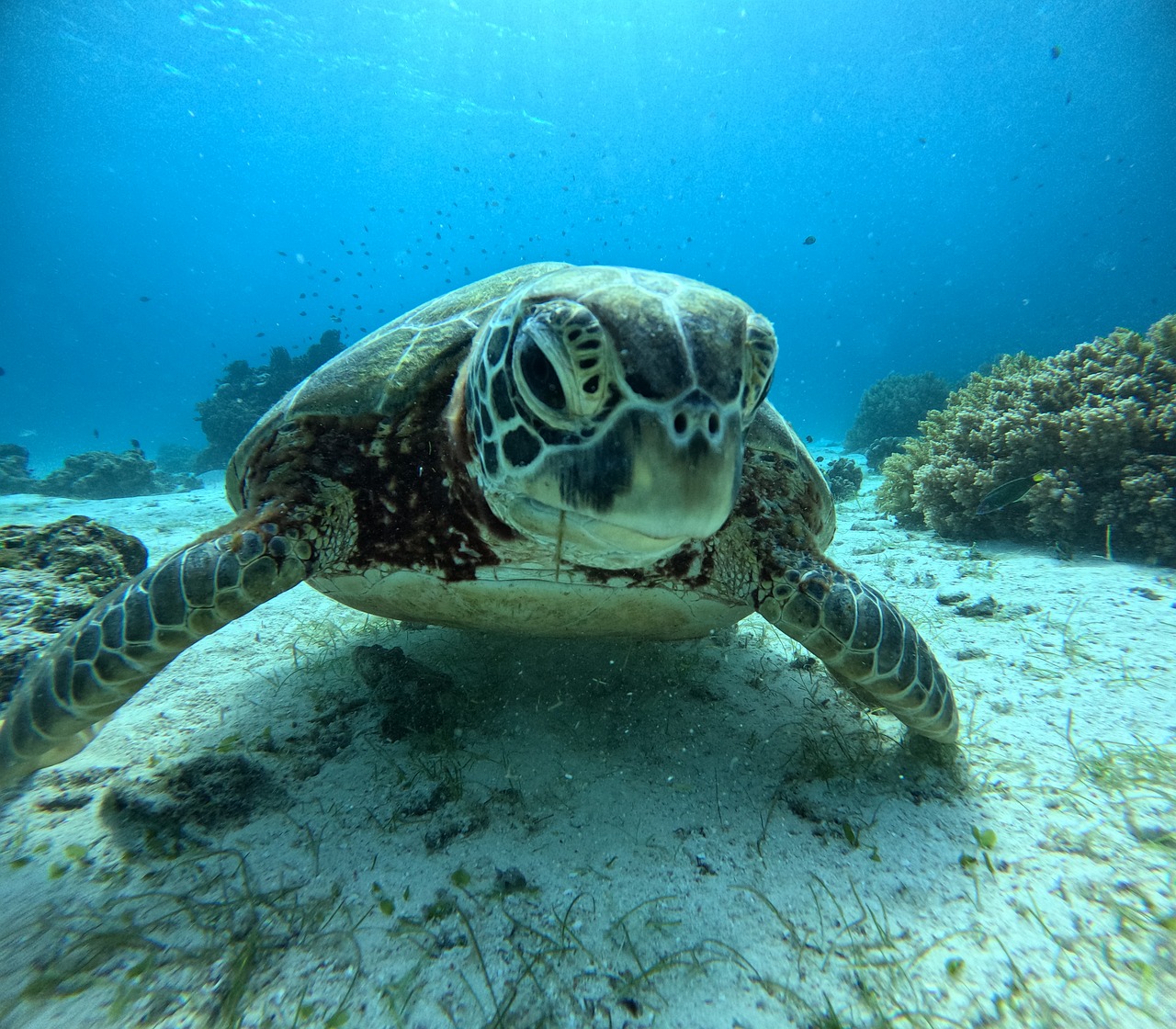
Not all tour operators are created equal when it comes to environmental responsibility. Here’s what to look for, and what to avoid.
First, ask whether the operator is accredited by the Department of Tourism Philippines. Accredited operators are required to follow environmental regulations and can be held accountable when they don’t. This matters more than you’d think.
Second, check the boat. Older wooden boats with poorly maintained engines leak oil and fuel into the water. The better operators have shifted to cleaner, more efficient engines in recent years, especially for routes around El Nido’s protected zones. You won’t always be able to confirm this before booking, but you can ask.
Third, look at the group size. Smaller groups mean less noise, less waste, and less crowding at the snorkel stops. At CMT, our island hopping tours limit group sizes to keep the experience comfortable and the impact low. A private tour means you’re also not competing with 15 strangers for space on the same patch of reef.
Fourth, ask how they handle trash. Do they bring back everything they carry out? Do they provide reusable water containers? These small details tell you a lot about how the operator genuinely thinks about the environment versus just talking about it.
On the Boat and in the Water: What Responsible Looks Like
Once you’re out on the water, here are the rules that matter most.
Don’t touch the coral. Ever. Not even to steady yourself in the current. Coral is a living organism, and a single touch can damage years of growth. If you’re not a confident swimmer, use a life vest and stay at the surface rather than grabbing onto reef structures for balance.
Don’t feed the fish. It seems harmless, but feeding disrupts natural feeding behaviors and can attract aggressive species that then harass other snorkelers. It also creates dependency that weakens the fish population over time.
Walk only on sand. At certain beach stops during island hopping, the shoreline is lined with sea grass beds or shallow coral gardens. Watch where you step. A good guide will show you the safe paths.
Bring a reusable water bottle. Many boats now have a cooler with water you can refill throughout the day. If yours doesn’t, bring your own and skip the single-use plastic bottles. Palawan has had a plastic bag ban in place since 2010 under the PCSD’s environmental code, and single-use plastics are increasingly restricted across El Nido and Coron.
Want to combine responsible travel with a great experience? Our Tour C and Tour D packages include stops at less crowded sites specifically to spread tourism impact more evenly across the Bacuit Archipelago.
Where You Stay Matters Too
Your accommodation choice has a bigger environmental impact than most travelers realize. Hotels and resorts that aren’t connected to a proper sewage system discharge waste into the ocean, which contributes to algae overgrowth that smothers coral reefs. In El Nido town especially, this is a real issue that the local government has been working to address.
When booking, look for properties that mention rainwater harvesting, solar panels, sewage treatment, or partnerships with local environmental groups. There are several eco-lodges and guesthouses around El Nido and in Port Barton that are genuinely trying to operate sustainably. Our El Nido accommodation guide highlights some of the better options for eco-conscious travelers at different price points.
Port Barton is worth a special mention here. It’s significantly less developed than El Nido, with fewer concrete resorts and a more community-based tourism setup. If your schedule allows a night or two there, it’s a good way to spread tourist income to smaller communities while experiencing a quieter, less impacted stretch of coastline. Check our full Port Barton travel guide for the details on getting there and what to expect.
Practical Eco-Travel Tips You Can Use Right Now
Let me bring this back to the practical, because that’s what actually changes behavior.
Pack light on single-use plastics before you even arrive. Bring solid shampoo bars, a reusable tote, reef-safe sunscreen, and a good water bottle. You can find most of this in Manila or online before you fly to El Nido.
Buy local food. Eating at small local carinderias instead of tourist restaurants keeps money in the community and typically involves less packaging. A plate of fresh grilled tuna with garlic rice at a local eatery in El Nido town costs around ₱180-250. It’s fresher, cheaper, and you’re directly supporting a local family.
Respect the wildlife rules. No touching sea turtles, no collecting shells or coral, no disturbing nesting birds. These rules exist in Palawan’s marine protected areas and are enforced. Fines start at ₱1,000 and go up significantly for more serious violations.
If you’re visiting Balabac in the south, where the rules are even stricter due to the presence of the rare Philippine mouse deer and pristine reefs, read our Balabac Island travel guide for specific guidelines on responsible visits to this remote destination.
Finally, share what you know. Post about reef-safe sunscreen on your Instagram. Mention the environmental fees when you tell friends about your trip. The single most effective way to improve tourist behavior in Palawan is peer-to-peer conversation, not regulation.
Frequently Asked Questions About Sustainable Travel in Palawan
Is reef-safe sunscreen required by law in El Nido?
There is no specific law mandating reef-safe sunscreen in El Nido as of 2026, but it is strongly recommended by local guides, environmental groups, and the PCSD. Some marine protected areas in other parts of the Philippines have started enforcing it, and it may become law in Palawan in the coming years. Use it regardless, because the science is clear on the damage chemical sunscreens cause.
What is the PCSD and what role does it play in Palawan tourism?
The Palawan Council for Sustainable Development (PCSD) is the government body that oversees environmental protection in Palawan. It manages the Strategic Environmental Plan (SEP) for Palawan and enforces the ECAN zoning system that designates which areas can be accessed for tourism and which need strict protection. You can learn more at pcsd.gov.ph.
Can I island hop in El Nido and still be eco-friendly?
Absolutely, yes. Island hopping is completely compatible with eco-travel when you choose a responsible operator, use reef-safe sunscreen, avoid touching coral, and follow the guide’s instructions at each stop. The key is choosing a tour that respects the ECAN zones and limits group sizes.
Are environmental fees in El Nido included in tour packages?
It depends on the operator. Some tours include the ₱200 El Nido environmental fee, while others list it separately. Always confirm this before booking. CMT’s island hopping tour packages include all mandatory environmental fees so you know exactly what you’re paying upfront.
What happens to the environmental fees collected in El Nido?
Environmental fees go to the El Nido municipal government and are allocated for environmental management, including coral reef monitoring, waste management, and maintenance of marine protected areas. In practice, the effectiveness varies, but the fees do contribute to conservation programs in the area.
Is Palawan safe from overdevelopment?
Palawan has stronger environmental protections than most other Philippine destinations, largely thanks to the PCSD and the Strategic Environmental Plan. That said, development pressure is real, especially in El Nido. Supporting local and community-based businesses over large resort chains is one of the best things travelers can do to influence how tourism develops here.
What’s the best way to travel in Palawan with a low plastic footprint?
Bring a reusable water bottle (most accommodations have refill stations), use solid toiletries, carry a cloth bag for market shopping, and decline single-use straws and plastic utensils when eating out. El Nido’s plastic bag ban makes this easier than in most Philippine towns since vendors are already accustomed to reusable bags.
Ready to Explore Palawan the Right Way?
Sustainable travel in Palawan isn’t about sacrificing the experience. It’s about making sure the experience is still there for the next traveler, and the one after that. The reefs, the lagoons, the incredible marine life: all of it is worth protecting. And you can enjoy every bit of it while still doing your part.
If you’re planning your trip and want help putting together an itinerary that’s both unforgettable and responsible, follow us on CMT’s Facebook page for daily tips, package updates, and real traveler stories from El Nido, Coron, and beyond.