
Best Time to Visit El Nido Palawan: Month-by-Month Guide 2026
El Nido’s weather is probably the most important factor in whether your trip is perfect or a total washout. The islands are stunning in any season, but the sea conditions and rainfall vary dramatically from month to month. Get the timing right and you’ll have glassy lagoons and brilliant visibility. Get it wrong and your island hopping tours get cancelled two days in a row.
Here’s the honest, month-by-month breakdown from someone who’s been there across different seasons.
El Nido’s Two Seasons: What You Actually Need to Know
Palawan runs on a distinct wet and dry season, and El Nido sits at the northern tip where the weather patterns are a little more extreme than Puerto Princesa.
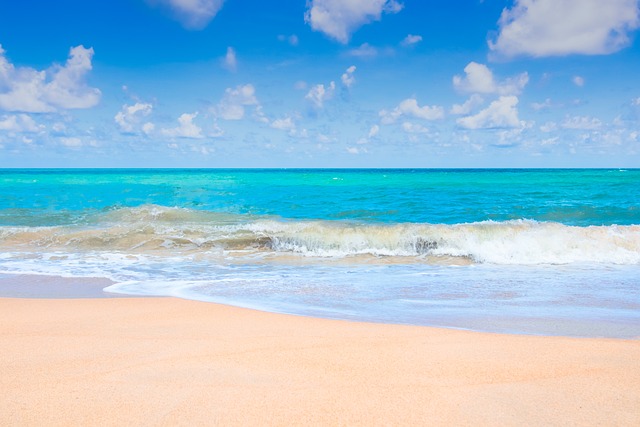
Dry season (November to May): This is when you want to be here. Calm seas, minimal rain, and the kind of visibility in the water that makes everything look like an aquarium. Island hopping runs reliably, boat departures are consistent, and the lagoons are at their most accessible.
Wet season (June to October): Monsoon season. Rain arrives in waves, the sea gets rough, and boat tours can be cancelled or heavily modified. That said, it’s not six straight months of constant rain. There are still good days, and some travelers enjoy the green, quiet version of El Nido that the wet season offers.
The Philippine Atmospheric, Geophysical and Astronomical Services Administration (PAGASA) publishes seasonal forecasts if you want the official data.

Month-by-Month Guide to El Nido
November: Dry Season Starts, Crowds Build
November marks the start of the dry season and the beginning of the tourist influx. Early November can still have some lingering rain from the previous wet season, but by mid-to-late November the weather usually settles. Sea conditions improve steadily through the month.
This is a genuinely good time to visit. The peak crowds of December-March haven’t arrived yet, prices are reasonable, and the weather is cooperative. Rating: Very good.
December: Peak Season Begins
December brings the Christmas holiday surge. Domestic Filipino travelers arrive in large numbers, particularly around December 22-January 2. International tourists start arriving too, drawn by the classic “escape winter” instinct.
Accommodation books up fast in December. Tour slots fill. Prices go up. The lagoons are beautiful but busier. Book at least 6-8 weeks ahead if you’re targeting the Christmas period. Rating: Excellent weather, high crowds.
January: Best Weather, Busiest Month
January is peak El Nido. The sea is glassy, visibility underwater is outstanding (sometimes 20+ meters on good days), and the sky is reliably blue. It’s also the most crowded and most expensive month.
If you’re flexible on dates, the first week of January (after New Year’s) sees the holiday rush thin out a little before the next wave of bookings arrives. Rating: Best weather, most expensive and crowded.
February: Peak Season Sweet Spot
February is arguably the single best month to visit El Nido. The weather is at its absolute finest, the post-January drop in domestic tourists means slightly thinner crowds compared to December-January, and you miss the Easter rush that hits in April.
International tourists are here in force, so it’s not quiet, but it’s the most balanced version of peak El Nido. Rating: Best overall.
March: Still Excellent
March remains fully in the dry season with great weather. Crowds are similar to February but slightly heavier as the long-haul summer school holidays from various countries begin. The sea is calm, diving visibility is excellent, and you can count on your island hopping tours running.
Rating: Excellent.
April: Holy Week Warning
April is split into two distinct phases. Early April (pre-Holy Week) is still dry season, still excellent weather, still reliable tours. Then Holy Week arrives (Easter weekend, which moves around but typically falls in April).
Holy Week is the busiest domestic travel period in the Philippines, full stop. El Nido fills to capacity. Accommodation becomes impossible to find last minute, boat tours are fully booked, and the town feels genuinely packed. If you’re visiting during Holy Week, book months in advance. If you’re flexible, schedule around it. Rating: Excellent weather, extreme crowds during Holy Week.
May: Transition Month, Good Value
May is a transition month. The dry season technically continues, but weather can be unpredictable, with occasional afternoon showers and a few days of choppy sea. Most tours still run, but you might have one day where conditions aren’t ideal.
The crowds drop off significantly from the April peak, which makes May surprisingly good value. Accommodation prices fall, tour slots are available, and the lagoons are much less busy. Rating: Good, best value for money in the dry season.
June to August: Wet Season Core
The southwest monsoon arrives in June and the sea gets rough. Island hopping operates on a day-by-day basis, subject to sea conditions. Some tours get cancelled, some run with modified stops, and some days are fine. You genuinely don’t know what you’ll get.
That said, El Nido in the wet season has its own appeal. The jungle turns intensely green. The town is quiet and relaxed. Prices drop 30-50% from peak rates. If you’re a flexible traveler who can adapt to a cancelled tour day, you can have a great trip. If you’ve only got 4 days and need to maximize every one of them, don’t come in June-August. Rating: Risky for island hopping, cheap and quiet.
September to October: Roughest Months
This is when typhoon risk is highest for Palawan. September and October see the most unstable weather of the year. Typhoons don’t always hit El Nido directly, but even typhoons passing near the Philippines can create days of rough sea and heavy rain.
Avoid September-October if island hopping is your priority. Some budget travelers visit specifically because prices are lowest and they’re happy exploring the town, waterfalls, and local areas on land. But this is a niche use case. Rating: Not recommended for island hopping.

When to Visit by Travel Type
| Traveler Type | Best Months |
|---|---|
| First-time visitors | February, March, November |
| Budget travelers | May, early November |
| Divers and snorkelers | January-March (best visibility) |
| Crowd-avoiders | May, early November |
| Photographers | January-February (best light, clearest water) |
| Flexible/adventure travelers | June-August at reduced rates |
Booking Timeline by Season
Peak season (December-April): Book accommodation and tours 6-8 weeks in advance minimum. For Christmas and Holy Week, book 3-4 months ahead.
Shoulder season (May, November): 2-3 weeks usually sufficient, but earlier is always better for specific accommodation preferences.
Wet season (June-October): Last-minute booking is often possible, but always have a backup plan if tours get cancelled.
FAQ: Best Time to Visit El Nido
Q: What is the best month to visit El Nido?
February is generally the best month: excellent weather, slightly lower crowds than January, and before the April Holy Week rush. January is a close second for weather but busier and pricier.
Q: Can you visit El Nido in June or July?
You can, but expect some cancelled tour days and reduced visibility. Prices are much lower and the town is quieter. Best for flexible travelers who don’t mind adjusting plans.
Q: Is El Nido good in November?
Yes, November is an excellent time to visit. The dry season is starting, crowds are lighter than peak months, and prices are reasonable. Late November is better than early November for weather reliability.
Q: When should I avoid El Nido?
September and October are the riskiest months due to typhoon season. Holy Week in April should be avoided unless you’ve booked everything months in advance.
Q: Does El Nido get typhoons?
Less often than other parts of the Philippines, but typhoons can affect sea conditions even without direct hits. September and October carry the most risk. Check PAGASA forecasts if visiting during this period.
Q: What’s the water temperature in El Nido?
El Nido’s sea temperature ranges from about 26°C in January to 30°C in May-June. Comfortable for swimming and snorkeling year-round, no wetsuit needed for recreational diving.
Plan Your El Nido Trip with CMT
CMT runs El Nido island hopping tours and packages year-round, with full knowledge of seasonal conditions. We’ll tell you honestly if your planned dates are risky and suggest alternatives. Check our available packages and message us on Facebook with your travel dates for a recommendation tailored to your timing.
[…] traveling June to October, you’ll have more flexibility but check the weather. Our El Nido weather guide breaks down exactly what to expect each […]