
Coron Diving Guide 2026: Wrecks, Lakes & What to Expect
Coron has a reputation in the diving world that goes beyond the usual “beautiful reef” category. The fleet of Japanese warships sunk here in September 1944 has spent the past 80 years transforming into one of the most extraordinary artificial reef systems in Asia. Add Kayangan Lake, Barracuda Lake, and some of the clearest freshwater diving on the planet, and you have a destination that serious divers plan entire trips around.
But here’s the thing: Coron is genuinely worthwhile even if you’ve never put on a tank. Let me break down the full picture, because the diving conversation often overshadows what else is here.
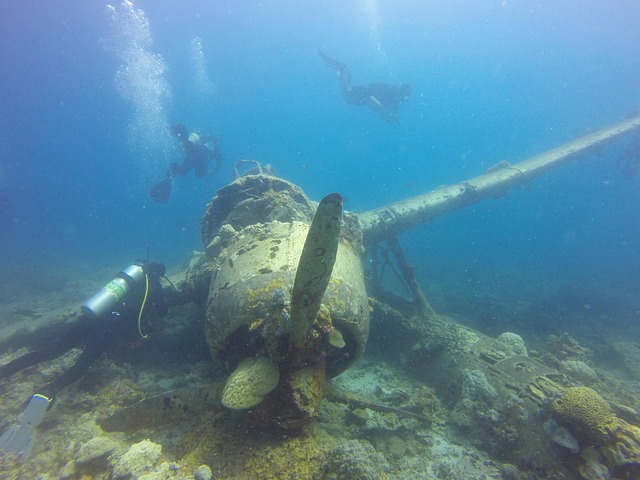
The Wreck Diving: What Actually Happened in 1944
On September 24, 1944, US Navy aircraft launched a coordinated strike on a Japanese fleet anchored in and around Coron Bay. Twelve ships were sunk. The wrecks settled across a stretch of sea floor that ranges from 10 to 40 meters deep, and the coral, fish, and marine life that have colonized them over 80 years make them completely unlike anything you’d find on a natural reef.
The combination of historical significance, marine life density, and diving accessibility (many wrecks have sections suitable for beginner and intermediate divers) is what puts Coron on the international diving map. PADI rates Coron among Asia’s top wreck diving destinations.
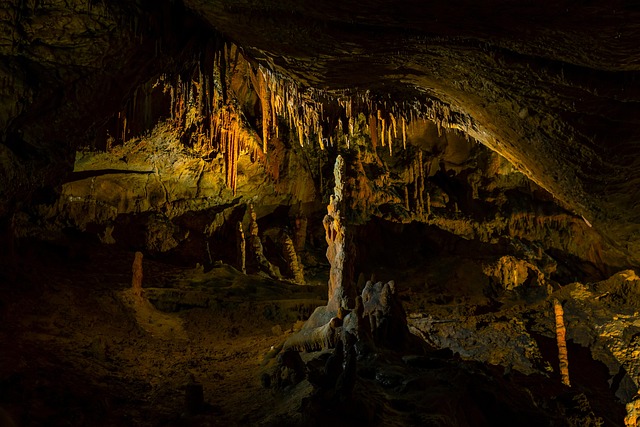
The Best Wrecks to Dive in Coron
Okikawa Maru
The largest of the Coron wrecks, a tanker that sits with its bow at about 10 meters and its stern at 47 meters. The shallower sections are accessible to Open Water certified divers, and the cargo holds have become enormous chambers of marine life. Black corals, sea fans, and schools of fish throughout. This is the one that tends to end up on every Coron highlight reel.
Kogyo Maru
A cargo ship sitting at 16-34 meters. One of the most intact wrecks structurally, which makes penetration diving rewarding. The engine room is accessible with a dive light, and the main cargo hold still contains equipment from when it sank. Intermediate divers get more out of this one.
Akitsushima Maru
A seaplane tender with a unique profile, the crane and other deck structures are still recognizable after 80 years. Sits at 18-38 meters. The coral growth on this wreck is particularly dense. Swim-throughs in the upper deck structures work well for Open Water divers.
Skeleton Wreck (Olympia Maru)
The most dramatic visually. The hull is almost completely stripped, leaving a skeletal steel framework draped in coral. At 10-26 meters with good natural light and no penetration required, it’s accessible to beginners and stunning for underwater photography. Often included in snorkeling island hopping tours for non-divers.
East Tangat Wreck
A smaller vessel at 16-22 meters, less visited than the main wrecks. Good for a more relaxed dive with fewer other boats around. The marine life concentration is excellent and the manageable depth makes it good for post-certification divers building experience.
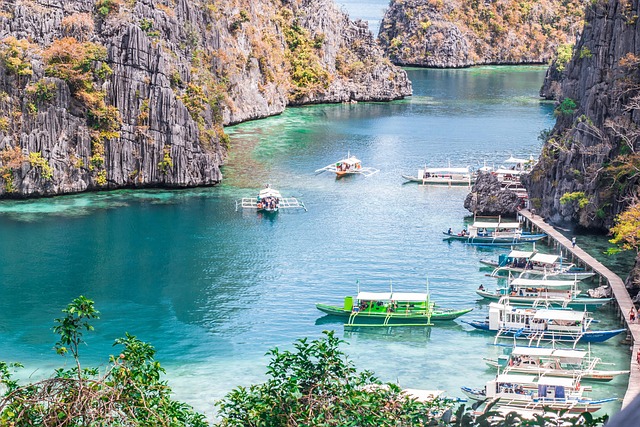
Lake Diving: Barracuda Lake and Kayangan Lake
This is what makes Coron truly unique. Two lakes with completely different characters offer dive experiences you can’t replicate anywhere else in the Philippines.
Barracuda Lake
Barracuda Lake has a thermocline: a sharp temperature boundary where layers of water at different temperatures meet. Swimming through it is disorienting in the best possible way, you pass through visibly different clarity and temperature in a matter of meters. At depth, the water gets warm (sometimes 38°C) due to geothermal activity. Visibility is extraordinary. Barracuda Lake is accessible to Open Water divers. The sole massive barracuda that used to live here (the lake’s namesake) has since been replaced by other large fish, but the lake still delivers.
Kayangan Lake
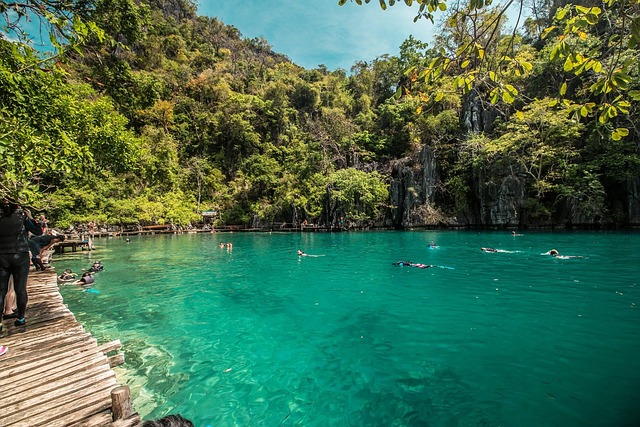
Kayangan Lake is the one that ends up on every Coron Instagram post. The diving here is in fresh and brackish water with visibility that feels almost unreal. The underwater landscape is otherworldly: stalactite-like formations, dramatic light rays, and ancient coral formations. Dive certifications and guides are required. Even non-divers can snorkel in the lake’s surface waters.
Do You Need to Be a Certified Diver to Enjoy Coron?
No. And this is important, because “Coron is for divers” puts off people who would otherwise love the destination.
Non-divers have access to: Kayangan Lake (snorkeling on the surface, which is beautiful), Twin Lagoon (swimming and snorkeling), the Skeleton Wreck (visible from the surface and by snorkeling), CYC Beach and Bulog Dos Island, and the entire island hopping circuit that Coron offers independent of the dive sites.
If you’re a non-diver but curious, Coron is also an excellent place to do a Discover Scuba Diving experience (no certification required, one session with an instructor) or to take a full Open Water certification course. Several PADI-certified dive shops operate in Coron town. A full Open Water certification course takes 3-4 days and costs approximately ₱18,000-₱25,000 including materials.
CMT’s Coron packages are designed to work for both divers and non-divers, covering the island hopping circuit, Kayangan Lake, and key natural attractions that don’t require tanks.
Dive Conditions in Coron
Best season: November to May. The wrecks and lakes are diveable year-round but sea conditions affect getting to the wreck sites from October to June. Best visibility is December to March.
Visibility: 10-25 meters on the wrecks typically, depending on season and conditions. Lake visibility can be extraordinary, 20+ meters at Barracuda Lake in good conditions.
Water temperature: 26-30°C on the wrecks, with temperature anomalies at Barracuda Lake. A 3mm wetsuit is sufficient for most divers.
Currents: Minimal to moderate at most sites. Some of the bay dives can have mild drift conditions. Suitable for Open Water level divers at the main sites, with Advanced certifications recommended for deeper wreck penetration.
Coron Dive Operators
Multiple dive shops operate in and around Coron town. When choosing a dive shop, look for PADI certification, modern equipment, good DM-to-diver ratios (6:1 is typical, 4:1 is better), and guides who know the specific wrecks well. Coron’s wrecks reward local knowledge: the best entry points, the most interesting sections, and timing to avoid the busiest other dive groups.
Day dive packages typically run ₱3,500-₱5,000 per person for 2 dives including equipment rental, guide, and boat. Equipment-only divers (bringing their own gear) get a small discount.
FAQ: Coron Diving
Q: Do I need advanced diving certification for Coron wrecks?
Open Water certification is sufficient for the shallower sections of most wrecks (above 18m). Advanced certification opens up deeper penetration sections and the lower sections of larger wrecks. AOWD is recommended if you want the full wreck experience.
Q: Is Coron good for beginner divers?
Yes. The Skeleton Wreck, Kayangan Lake, and several bay sites are ideal for recently certified Open Water divers. The experience of diving a World War II wreck with your first 10 dives is genuinely remarkable.
Q: Can I learn to dive in Coron?
Absolutely. Several PADI-certified shops offer Open Water and Advanced courses. The conditions are good for learning and you’ll be certified in time to dive the wrecks.
Q: What’s the best wreck in Coron for beginners?
The Skeleton Wreck (Olympia Maru) at 10-26m is the most beginner-friendly. Great visibility, no penetration required, dense marine life, and stunning visual profile.
Q: Is non-diver island hopping worth it in Coron?
Yes. Kayangan Lake, Twin Lagoon, Barracuda Lake (surface), and the beach circuit are all spectacular without diving. Coron is not just for divers.
Book Your Coron Adventure
Whether you’re a certified wreck diver or visiting Coron for the lakes and beaches, CMT has packages that cover the best of what the Calamian Islands offer. Browse our Coron tour packages or check the full Palawan package range to plan your trip.