
El Nido Snorkeling Guide 2026: Best Spots, Gear, and Tips
If you’ve ever looked down from the side of a bangka boat in El Nido and seen the water below you, you already know. It’s impossibly clear, warm, and alive. El Nido snorkeling is genuinely some of the best in Southeast Asia, and the good news is you don’t need to be a diver or have any special skills to experience it. A mask, a snorkel, and the ability to float, that’s really all it takes.
I’ve snorkeled a lot of places across the Philippines, and El Nido still stands out. The coral gardens here survived in better shape than many areas in the country, the fish are abundant, and on certain reef systems you’ll share the water with sea turtles, reef sharks, and massive Napoleon wrasse that seem completely unbothered by your presence.
Here’s everything you need to plan the best el nido snorkeling experience in 2026.
Why El Nido is One of the Best Snorkeling Destinations in the Philippines
El Nido sits at the northern tip of Palawan, inside the Bacuit Archipelago, a cluster of over 45 islands and islets with limestone karst cliffs, hidden lagoons, and fringing coral reefs. The combination of clean water, minimal development, and active marine protection makes this one of the healthiest reef ecosystems in the Philippines.
The water temperature hovers around 27-29°C year-round, visibility typically runs 10-20 meters on calm days, and the diversity of marine life is genuinely impressive. You’ve got hard corals, soft corals, sea fans, and fish species ranging from tiny clownfish tucked into anemones to schools of barracuda that sweep past without a second glance.
Honestly, even if you’ve snorkeled before and thought it was just okay, El Nido might change your mind.
Best El Nido Snorkeling Spots
Shimizu Island
Shimizu Island is consistently rated the best snorkeling spot in all of El Nido, and it earns that reputation. The reef wraps around the island on multiple sides with hard coral formations, sea fans, and a reef wall that drops into deep water. On a clear morning, the visibility can stretch 15-20 meters and the fish life is extraordinary.
You’ll find this spot on the Tour A island hopping itinerary, so it’s included in the group tour schedule. But if you go on a private boat, you can spend a solid 45 minutes in the water here instead of the usual 20-minute group stop.
Insider tip: The best reef is around the left side of the island as you approach from the mainland. Most boats drop anchor at the sandy entry point. Swim left to reach the denser coral and bigger fish.
Small Lagoon Entry Point
The Small Lagoon is famous for kayaking, but the reef at the entrance channel is one of El Nido’s most underrated snorkeling spots. When you paddle in through the narrow passage, there’s a shallow reef on both sides with moray eels, pufferfish, and surprisingly large reef fish sheltering in the coral ledges.
Ask your boatman to stop here before entering the lagoon. Most tours skip this because it requires everyone in the water at the same time, but on a private charter you can spend as long as you want at the entrance.
Helicopter Island (Dilumacad Island)
Helicopter Island, included in Tour C, has a reef system that runs along its eastern side in 3-8 meters of water. It’s shallow enough for complete beginners and clear enough that you can see everything from the surface. Clownfish, triggerfish, and small reef sharks patrol this area regularly.
The beach here is also one of the nicest in the archipelago, so it works well as a combination snorkel-and-beach day.
Matinloc Shrine Reef
The reef around Matinloc Island, near the famous shrine, is rich in sea life and rarely gets the full attention it deserves because everyone’s distracted by the view from the shrine itself. The coral starts shallow and extends down to about 12 meters on the northern face.
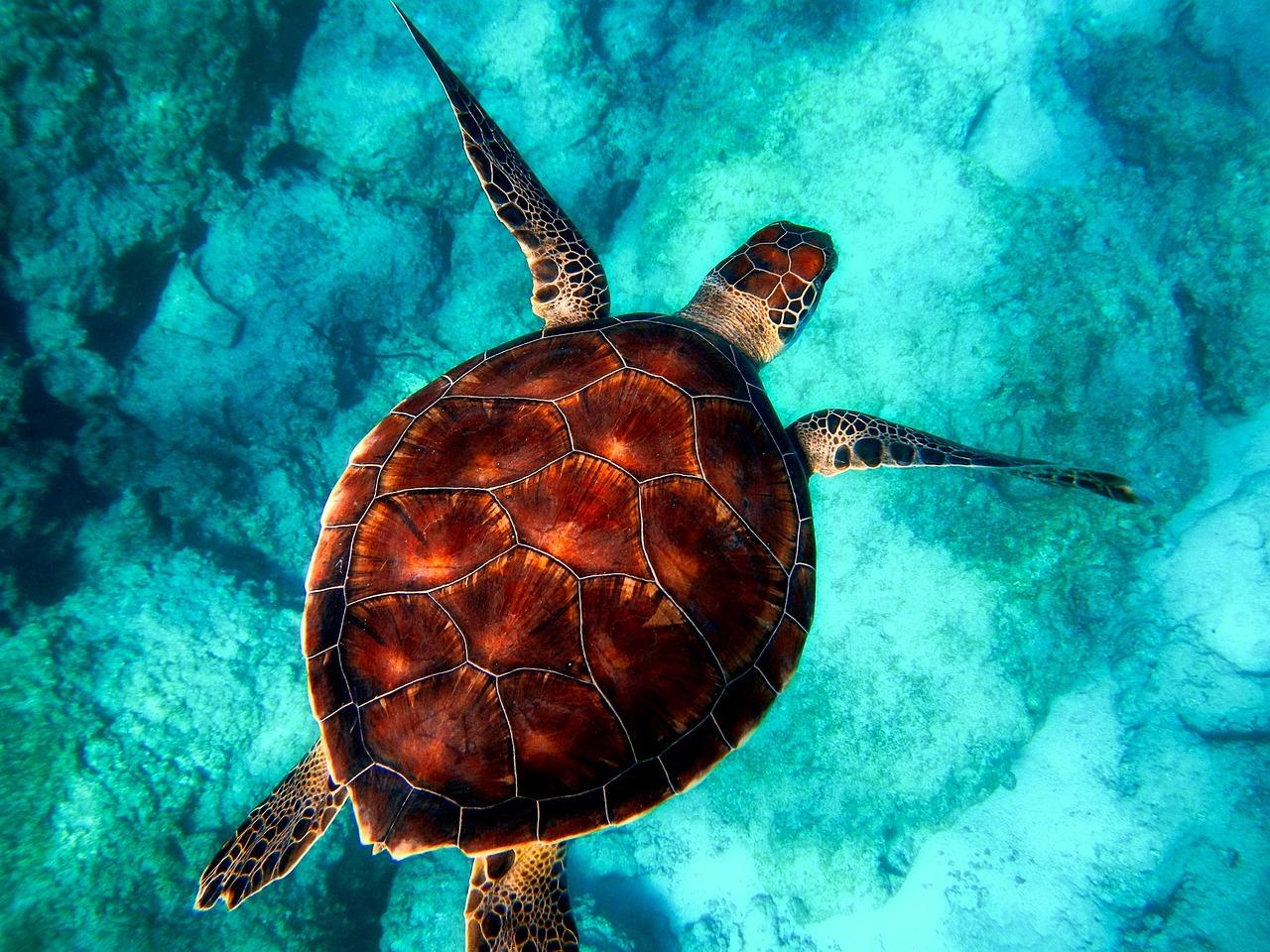
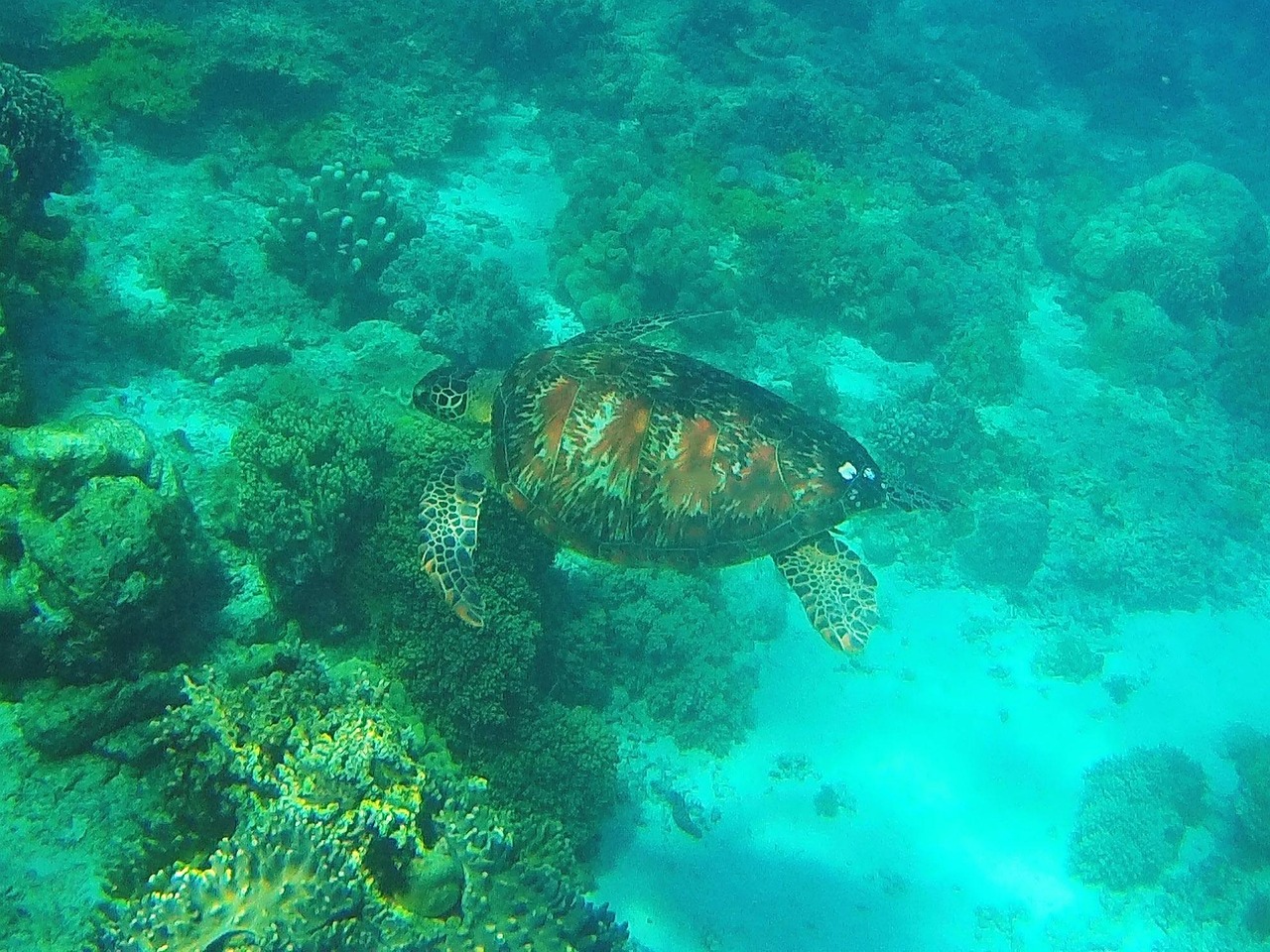
Sea turtles are regularly spotted here. If you see one, the local guide rule is simple: watch from a distance, don’t chase, don’t touch.
Cudugnon Cave and Surroundings
The waters around Cudugnon Cave, a stop on Tour B, have a good mix of coral and open sandy bottom. This is a great spot for beginners because the water stays calm even when there’s chop elsewhere in the bay.
Insider tip: Bring a dive light if you have one. The cave interior has some interesting formations and small marine life tucked into the crevices along the cave walls.
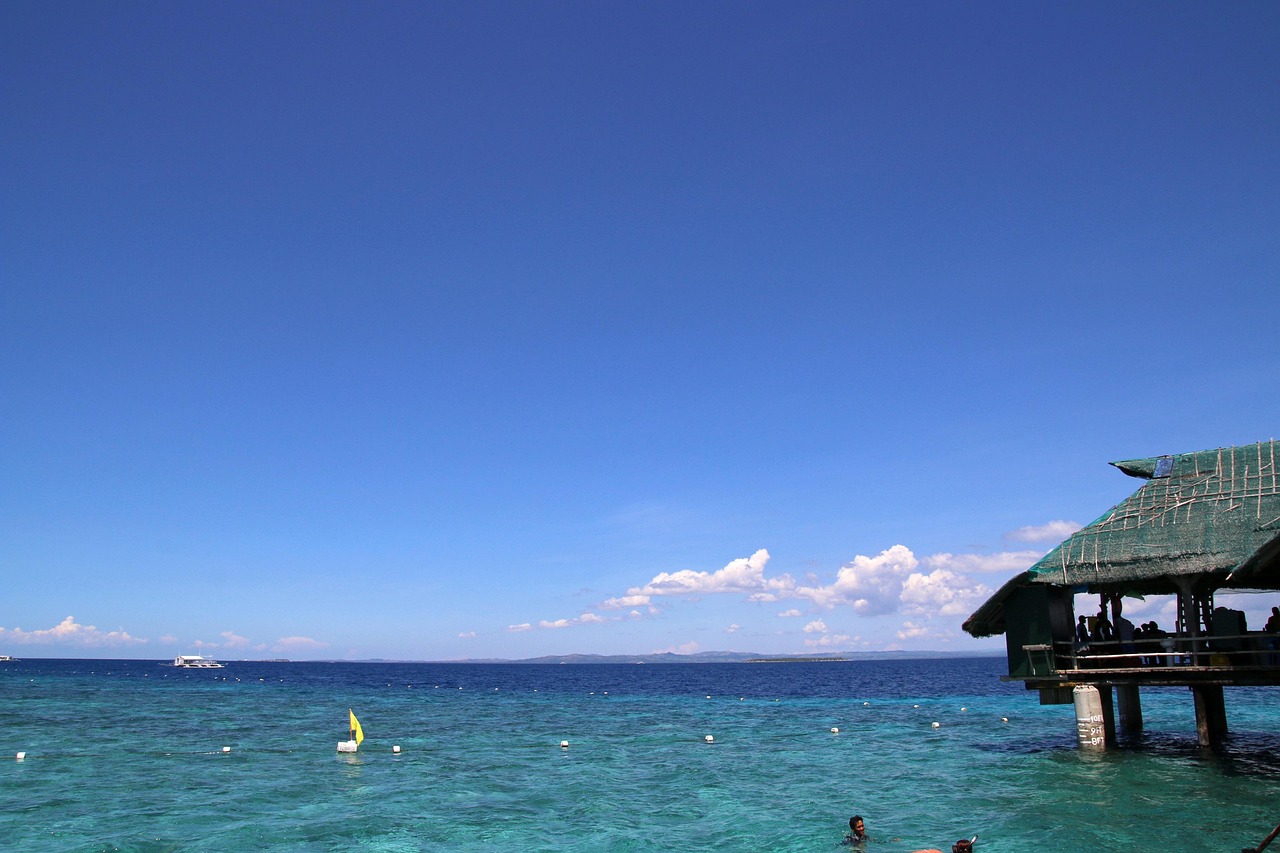
El Nido Island Hopping Tours for Snorkeling
Tour A: The Best Overall for Snorkeling
Tour A hits Shimizu Island, which is the top priority for any snorkeler. It also passes through the Small Lagoon entrance channel where the reef is excellent. If you only do one tour in El Nido and snorkeling is your main goal, do Tour A.
Tour C: Best for Beginners
Tour C includes Helicopter Island, which has the most accessible reef in the archipelago. Shallow, calm, and visually rewarding. If you’re snorkeling for the first time or have kids in your group, Tour C is the one.
Tour B and Tour D
Both tours include snorkeling stops, but the reefs are secondary to the other attractions (Twin Peaks Beach on Tour D, Entalula Beach on Tour B). Worth doing, but if snorkeling is your primary goal, start with A and C.
For a more detailed breakdown, the complete El Nido island hopping tours guide covers everything you need to choose between them.
Snorkeling Gear in El Nido: What to Bring vs. What to Rent
Should You Bring Your Own Gear?
If you’re serious about snorkeling, bring your own mask and snorkel. Full stop. Rental gear in El Nido is available from tour operators and a few shops in town, but quality is inconsistent and fit matters a lot, a leaky mask or a cracked snorkel ruins the whole experience.
A decent travel snorkel set weighs almost nothing in your bag and costs ₱500-₱2,000 if you buy one here in the Philippines before your trip. It’s worth it.
Fins: Optional but useful. Group tours usually have limited storage on the boat and fins can be awkward. For private charters where you’re spending more time in the water, they’re definitely worth bringing.
Wetsuit/rash guard: You don’t need a wetsuit in El Nido, the water is warm year-round. But a rash guard is highly recommended for sun protection, especially if you’re snorkeling for extended periods. The sun in Palawan is intense.
What the Tours Provide
All island hopping tours in El Nido include basic snorkeling equipment (mask, snorkel, fins) as part of the package. So you don’t need to bring anything if you’re on a group tour. Just be aware that the rental gear varies in quality, check yours before you jump in.
Gear Rental Prices in El Nido
| Item | Rental Cost |
|---|---|
| Mask and snorkel set | ₱100-₱150/day |
| Fins | ₱100/day |
| Full snorkel set (mask, snorkel, fins) | ₱200-₱250/day |
| Life vest / buoyancy aid | Usually included in tours |
El Nido Snorkeling Conditions and Best Times
Best Season for Snorkeling
The best time to visit El Nido for snorkeling is November through April. During these months the northeast monsoon (amihan) brings dry, clear conditions with gentle seas. Underwater visibility is at its peak and the reef is easiest to reach.
May through October is the southwest monsoon (habagat) season, which brings rougher conditions in the open bay and occasional rainfall. Some snorkeling spots become inaccessible when seas are rough. But not all sites are exposed, the sheltered lagoons and coves remain accessible most days even during the wet season.
Check PAGASA’s weather forecasts for daily conditions if you’re traveling outside peak season.
Marine Life You’ll See While Snorkeling in El Nido
Here’s an honest, non-exaggerated list of what you’re likely to encounter on a good snorkeling day in El Nido:
Almost guaranteed:
- Clownfish and anemones
- Parrotfish in various sizes
- Triggerfish
- Schools of fusiliers and sergeant majors
- Sea stars and sea urchins
Common (most trips):
- Moray eels tucked into coral crevices
- Pufferfish
- Reef octopus (dawn and dusk are best)
- Bannerfish and moorish idols
Lucky sightings:
- Sea turtles (especially near Matinloc and Helicopter Island)
- Blacktip or whitetip reef sharks
- Eagle rays gliding past in the blue
- Napoleon wrasse (these are huge and memorable)
Snorkeling Safety Tips for El Nido
Look, El Nido is not a dangerous place to snorkel, but a few things are worth knowing before you get in the water.
Currents: Some channels between islands have stronger currents than they look, especially at tide changes. Your boatman will know which spots to avoid and when. Listen to them.
Boat traffic: The bay gets busy during peak season with many bangkas running tours simultaneously. When snorkeling near a tour stop, always stay close to your own boat and be visible. Bright-colored gear helps.
Fire coral: It’s orange, branching, and looks interesting. Don’t touch it. It causes a burning skin reaction that lasts days.
Marine life: El Nido has spiny sea urchins, stonefish on sandy bottoms near rocks, and lionfish near the reef. Don’t touch anything, and watch where you put your hands and feet.
Sunscreen: Use reef-safe sunscreen or wear a rash guard instead. Chemical sunscreens damage coral polyps. El Nido operators have gotten stricter about this, and some tour groups now require reef-safe products.
Booking El Nido Snorkeling Tours with CMT
CMT Ticketing and Services offers all four El Nido island hopping tours, plus private charter options for groups who want more flexibility and longer snorkeling time at each stop. We’re based in El Nido town and handle bookings through Facebook Messenger for fast, straightforward service.
Check out the El Nido tour packages to see what’s available, or message us to set up a private charter tailored to where you want to snorkel.
El Nido snorkeling is genuinely unforgettable, and planning it right makes all the difference. Get in early, bring your own mask, and don’t rush the reef at Shimizu Island. You’ll see things down there that are worth every hour it took to get to Palawan.
Frequently Asked Questions
What is the best snorkeling spot in El Nido?
Shimizu Island is consistently rated the best snorkeling spot in El Nido. The reef is healthy, the fish life is diverse, and visibility is excellent on calm days. It’s included in Tour A, or accessible by private boat charter.
Do I need snorkeling experience to snorkel in El Nido?
No experience needed. Most El Nido snorkeling spots are shallow (3-8 meters) and in calm, protected waters. As long as you’re comfortable in the water and can float, you’ll manage fine. Life vests are available if you want extra flotation.
Does El Nido island hopping include snorkeling?
Yes. All four standard island hopping tours (A, B, C, D) include snorkeling stops and basic snorkel gear rental as part of the tour price. Group tours typically cost ₱1,200-₱1,500 per person.
Is the snorkeling better in El Nido or Coron?
They offer different experiences. El Nido has lush reef gardens and abundant fish in calm, sheltered bays. Coron is famous for wreck diving and Kayangan Lake, but also has good snorkeling at Barracuda Lake and Twin Lagoon. If reef snorkeling is your priority, El Nido edges it. For something unique, Coron’s wrecks are unforgettable. See the El Nido vs Coron comparison for a full breakdown.
Can I rent snorkeling gear in El Nido town?
Yes. Several shops and tour operators in El Nido town rent snorkeling equipment. A basic mask and snorkel set runs ₱100-₱150 per day. Quality varies, so check the mask seal before you head out. Bringing your own is always better if you can.
Are there sea turtles in El Nido?
Yes, sea turtles are regularly sighted around Matinloc Island and Helicopter Island. Sightings aren’t guaranteed but are common enough that local guides keep an eye out. If you encounter one, observe from a distance without touching or chasing.
What should I wear for snorkeling in El Nido?
A rash guard (long-sleeve swim top) is the best choice. It protects against sunburn during extended snorkeling sessions and is reef-safe unlike chemical sunscreens. Add water shoes for rocky entries. Wetsuits are not necessary given the warm water temperature.