
Port Barton Restaurants 2026: Where to Eat & What It Costs
Here’s the thing nobody warns you about Port Barton: you come for the beaches and the turtles, and then you spend a surprising amount of your trip just deciding where to have dinner. The good news is that the Port Barton restaurants scene punches way above what a village of this size has any right to offer. Filipino carinderias, wood-fired pizza, Thai curries, a bakery that sells out by ten in the morning. All of it within a ten-minute walk of the beach.
The other thing nobody warns you about? Prices here are not the bargain everyone claims, at least not on the beachfront. And the power situation genuinely affects what your kitchen can cook that evening.
So let’s go through it properly. This is our 2026 guide to eating in Port Barton: which places are actually worth your pesos, what things really cost, when to show up, and the small practical stuff that catches first-timers out. We send customers here every week, so this comes from real trips, not a scraped review site.
What Eating in Port Barton Is Actually Like
Port Barton is small. Really small. The whole village is maybe six or seven streets, and the main strip along the beach plus Rizal Street covers almost every restaurant you’ll consider. You can walk the entire food scene in twenty minutes, which is a nice change from El Nido, where you’re constantly weighing up a tricycle ride to reach somewhere decent.
The kitchens here are mostly small and family-run, which means two things. Food takes time, sometimes thirty or forty minutes at busier places, because someone is genuinely cooking your fish rather than reheating it. And menus shrink or change depending on what came off the boats that morning. If a place tells you the tanigue is finished, they mean it.
The mix skews more international than you’d expect for a village this remote. There’s Italian, Thai, a couple of solid bakeries, plenty of European-run beach bars. The Filipino places tend to be tucked one street back from the sand, and honestly, those are where the value is.
Insider tip: Order dinner earlier than you think you need to. Kitchens in Port Barton commonly stop taking orders somewhere between 9pm and 10pm, and a few close earlier if it’s been quiet. Rolling up at 9:30 expecting a full menu is how people end up eating instant noodles from a sari-sari store.
The Best Port Barton Restaurants in 2026
These are the places that come up again and again, both from our own visits and from what customers tell us afterwards. Names and menus do shift in a town this size, so treat this as a strong starting list rather than gospel.
Kusinero del Barrio
If you only trust one recommendation in this whole guide, make it this one. Kusinero del Barrio Restobar sits a little back from the beach in a quieter pocket of town, and it’s a family-run place doing home-style Filipino cooking alongside a few international dishes. Portions are generous, prices are fair, and the beer is still around ₱70, which in 2026 Palawan feels almost nostalgic. The atmosphere is relaxed and there’s plenty of space, so it rarely feels crammed.
Gacayan Restaurant
The classic budget pick. Gacayan is a no-frills Filipino canteen-style spot where individual dishes start very cheap, often in the ₱50 to ₱120 range, and a freshly squeezed calamansi juice runs around ₱35. It’s not fancy and it isn’t trying to be. But if you’ve spent three days paying beachfront prices and want a plate of adobo and rice that costs less than a cocktail, this is your reset button.
Besaga
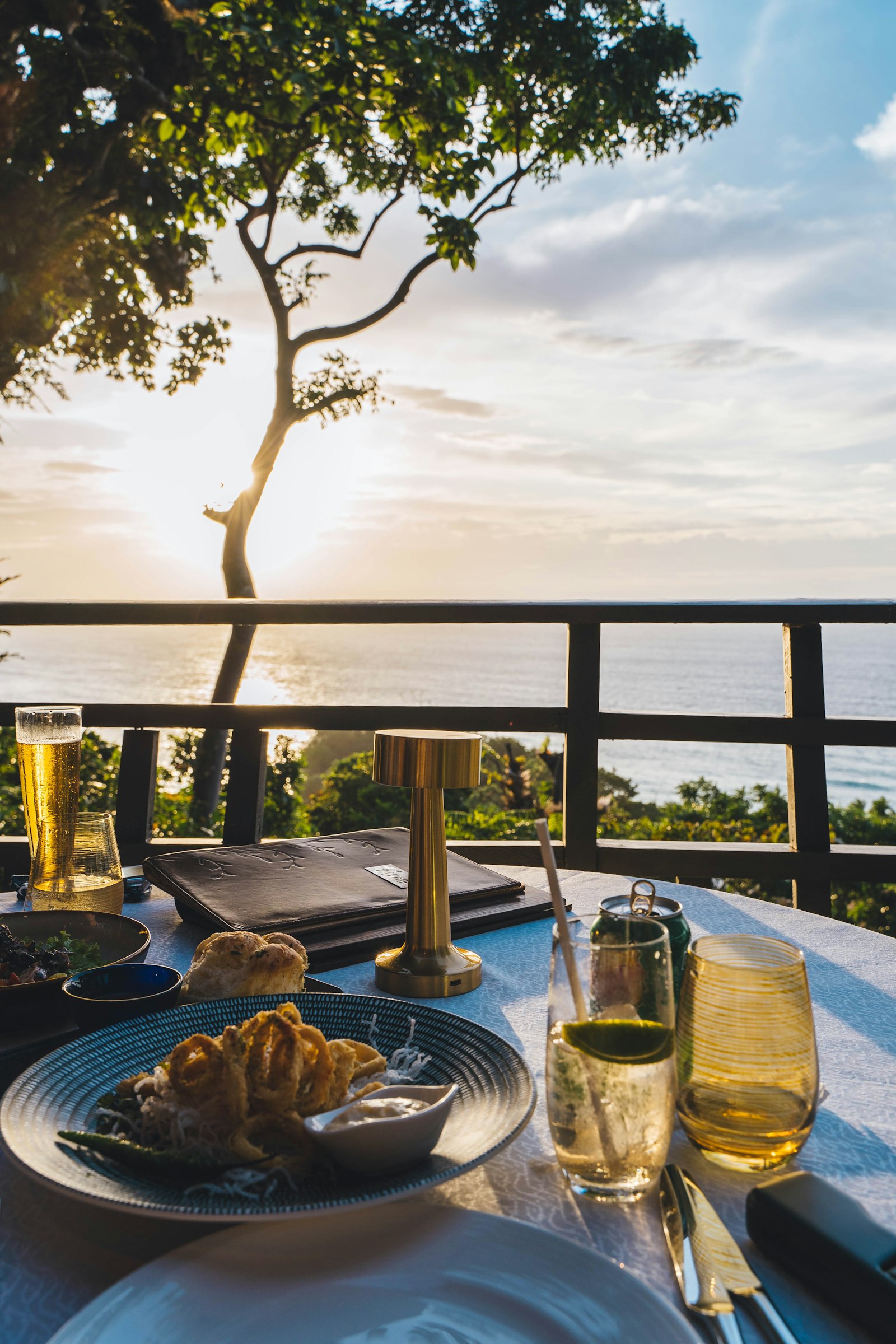
Beachfront, seafood-focused, and the spot most people mean when they say they want to eat with their feet near the sand. Grilled fish is the thing to order here. Show up around 6:30pm if you want one of the al fresco tables facing the water, because they go fast once the sun starts dropping. Later than 7pm and you’re eating inside, which is fine but not the point.
Barton Bistro
A beachside lounge with sunset views and generous plates. It gets busy, and the staff are lovely but stretched when three tables order at once, so build in some patience. Good for a longer, slower dinner with drinks rather than a quick refuel before an early tour.
Gorgonzola Pizza & Pasta
Yes, you’re on a remote Palawan beach and yes, the pizza is genuinely good. After four days of rice and grilled fish, something about a proper pizza hits differently. This is also the place to know about if you’re travelling with kids or with someone who has quietly hit their limit on Filipino breakfast.
House of Thai by Mackies
Thai curries and stir-fries, done well, with actual heat if you ask for it. A useful option when the seafood-and-rice loop starts feeling repetitive around day three.
Bikini Bakery
Pastries, bread and coffee, and the reason to set an alarm. Bakeries in small Palawan towns work on a bake-once-and-that’s-it model, so the good stuff is gone by mid-morning. Grab your banana bread or croissant before your island hopping boat leaves, not after.
Insider tip: The cheapest genuinely good meal in Port Barton is usually a carinderia plate from a small unnamed eatery on the inland streets. Point at what looks good in the tray, take rice with it, and you’ll pay ₱80 to ₱150. This is also where you’ll be eating alongside boat crews and guides, which tells you something.
What to Order: Dishes Worth Trying

Port Barton doesn’t have its own distinct regional cuisine the way some Philippine provinces do. What it has is very fresh fish and a lot of coconut. Order accordingly.
- Inihaw na isda – whole grilled fish, usually tanigue, lapu-lapu or whatever came in that day. Served with rice, calamansi and soy. The benchmark dish here.
- Kinilaw – raw fish cured in vinegar and calamansi with onion, ginger and chilli. The Filipino cousin of ceviche, and much better when the fish is hours old rather than days.
- Ginataang anything – vegetables, fish or shrimp cooked in coconut milk. Palawan does this beautifully.
- Adobo and sinigang – the two Filipino dishes everyone eventually falls for. Adobo is soy and vinegar braised meat. Sinigang is a sour tamarind soup that sounds odd and then becomes the thing you crave.
- Calamansi juice and buko – fresh calamansi runs about ₱35 to ₱60, and a whole young coconut is usually ₱50 to ₱80 from a beach vendor.
If you want the wider context on Filipino dishes across the province, our Palawan food guide goes deeper on what to look for in each destination.
Insider tip: Ask what fish came in today before you look at the menu. Half the beachfront places will happily grill you something that isn’t listed, priced by weight, and it’s usually the best plate they’ll serve that night.
Port Barton Food Prices in 2026
Here’s the part people actually want. These are realistic 2026 ranges based on what we and our customers pay. Prices drift, especially in peak season between November and May, so treat them as a planning guide rather than a quote.
| Item | Typical price (₱) | Notes |
|---|---|---|
| Carinderia meal with rice | 80 – 150 | Inland streets, cheapest hot food in town |
| Filipino main at a budget restaurant | 150 – 250 | Gacayan-style canteen pricing |
| Beachfront main course | 280 – 450 | You’re partly paying for the view |
| Whole grilled fish (shared) | 400 – 700 | Often priced by weight |
| Pizza or pasta | 300 – 500 | Imported ingredients push this up |
| Local beer (San Miguel) | 70 – 120 | ₱70 still exists if you look inland |
| Cocktail | 150 – 300 | Happy hour deals are common before sunset |
| Fresh calamansi or mango shake | 35 – 120 | Shakes cost more than straight juice |
| Breakfast set with coffee | 150 – 300 | Most guesthouses do a decent version |
| Realistic daily food budget | 700 – 1,200 | Three meals plus a couple of drinks |
So what does that mean in practice? A budget traveller eating mostly inland and drinking sparingly can genuinely get through a day on ₱600 to ₱800. Someone eating beachfront twice a day with sunset cocktails is looking at ₱1,500 or more. Port Barton is cheaper than El Nido, but the gap is narrower than the internet suggests, and it’s closing every year.
For the full picture on what a trip here costs beyond food, our Port Barton beaches guide and the wider is Palawan expensive breakdown both help with budgeting.
Breakfast, Coffee and the Morning Routine
Most island hopping boats leave between 8:30am and 9:30am, which puts real pressure on breakfast. A few things worth knowing.
Guesthouse breakfast is usually included or cheap, and it’s the safest bet on a tour morning because the kitchen is expecting you. Expect eggs, rice or toast, fruit and coffee for around ₱150 to ₱250 if it isn’t bundled into your room rate. Where you stay matters here, and our where to stay in Port Barton guide flags which places do a proper morning spread.
Cafes in town generally open around 7am, sometimes later, and coffee is decent. Real espresso exists at a handful of places. Instant coffee, or kape barako if you’re lucky, is the default everywhere else.
And if you’re going on a boat, buy your snacks the night before. The village shops are small, they don’t all open at 7am, and the tour lunch, while usually good, arrives around 12:30pm. That’s a long morning of snorkelling on one pandesal.
Practical Things That Catch People Out
Bring cash, and more than you think
Port Barton runs on cash. Nearly all restaurants, tours and guesthouses are cash-only, and card machines are rare to non-existent. There are reportedly one or two private ATMs in the village, but accounts of them are inconsistent: high withdrawal fees, and they run dry during busy weeks.
So withdraw what you need in Puerto Princesa or El Nido before you travel. GCash is widely used by locals and worth setting up if you’re staying more than a couple of days.
The power supply is genuinely unreliable
Port Barton is not on the main Palawan grid in the way larger towns are, and 2026 has been a rough year for electricity across the province, including a system-wide Palawan blackout in May. In the village, expect the community supply to go off overnight, roughly midnight to 6am, and expect daytime interruptions too. Better resorts and a few restaurants run generators or solar to cover the gaps.
How does that affect eating? Cold drinks aren’t always cold, and kitchens sometimes simplify menus. A place that was buzzing on Tuesday can be candlelit and half-closed on Wednesday. It’s part of the charm, mostly, as long as you’re not counting on air conditioning with dinner.
Seasonality changes everything
Between November and May, the town is busy, more places are open, and the beachfront restaurants run full menus every night. From June to October, during the southwest monsoon, several businesses close entirely or cut back hours, and you’ll find fewer options. Neither is bad, they’re just different trips. Worth checking the forecast on PAGASA before you commit to dates, and the Philippine Department of Tourism is the place to check for any current local advisories.
Food hygiene and stomachs
Standards are generally fine. Stick to bottled or filtered water, be a bit careful with ice at the very cheapest places, and eat where there’s turnover. Busy is safer than empty, always. If you’re travelling on to other destinations, our things to do in Port Barton guide covers how to structure your days around meal times and boat schedules.
How Port Barton Food Compares to El Nido and Coron
Fair question, and worth answering honestly. El Nido has far more variety, more genuinely excellent restaurants, and higher prices to match. Coron sits in the middle. Port Barton has the fewest options but the most relaxed atmosphere, and the gap in quality is smaller than the gap in quantity.
Where Port Barton wins is that you can eat well without booking, without queuing, and without a tricycle ride. Where it loses is choice. Ten days here and you will have tried nearly everything.
If you’re comparing destinations before you commit, our El Nido vs Port Barton comparison covers the trade-offs properly. For the food scene in the other two towns, see our best restaurants in El Nido and Coron food guide.
Frequently Asked Questions
How much should I budget for food per day in Port Barton?
Around ₱700 to ₱1,200 a day covers three meals and a couple of drinks for most travellers. Eating mainly at inland carinderias can bring that down to ₱600. Beachfront dining twice a day plus cocktails pushes it past ₱1,500.
Are there ATMs in Port Barton?
Reports conflict. Some travellers find one or two private ATMs in the village charging high fees and often out of cash, others find none working. Don’t rely on them. Withdraw in Puerto Princesa or El Nido and bring cash for your whole stay.
Do Port Barton restaurants accept cards or GCash?
Cards are rarely accepted anywhere. GCash is widely used by locals and increasingly by small businesses, so it’s worth having set up, but cash is still king.
What time do restaurants close in Port Barton?
Most kitchens stop taking orders between 9pm and 10pm, earlier on quiet nights and in low season. Bars stay open later than kitchens. Eat before 9pm to be safe.
Is there vegetarian or vegan food in Port Barton?
Yes, though you’ll need to ask. Most places can do vegetable ginataang, pancit without meat, or a simple stir-fry. The Thai and Italian restaurants have the easiest vegetarian options. Say “walang karne” if you want to be clear about no meat.
Is Port Barton cheaper than El Nido for food?
Generally yes, particularly away from the beachfront, but the difference is smaller than it used to be. Budget meals are noticeably cheaper. Mid-range beachfront dinners are close to El Nido prices.
Can I get food delivered or eat late after an island hopping tour?
Delivery essentially doesn’t exist here. After a late tour, aim straight for the beachfront strip, since those places serve latest. A sari-sari store will always have instant noodles and biscuits as a backup.
Planning Your Port Barton Trip?
CMT Ticketing and Services arranges Port Barton island hopping, van transfers and accommodation across Palawan, and we’ll happily tell you which restaurants are actually open the week you’re travelling. Message us on Facebook Messenger or WhatsApp with your dates, or browse everything on our travel packages page. If you’re still planning the route, start with our full Port Barton travel guide and work backwards from there. Getting the Port Barton restaurants right is half the pleasure of a trip here, and we’d rather you spent your pesos well.