
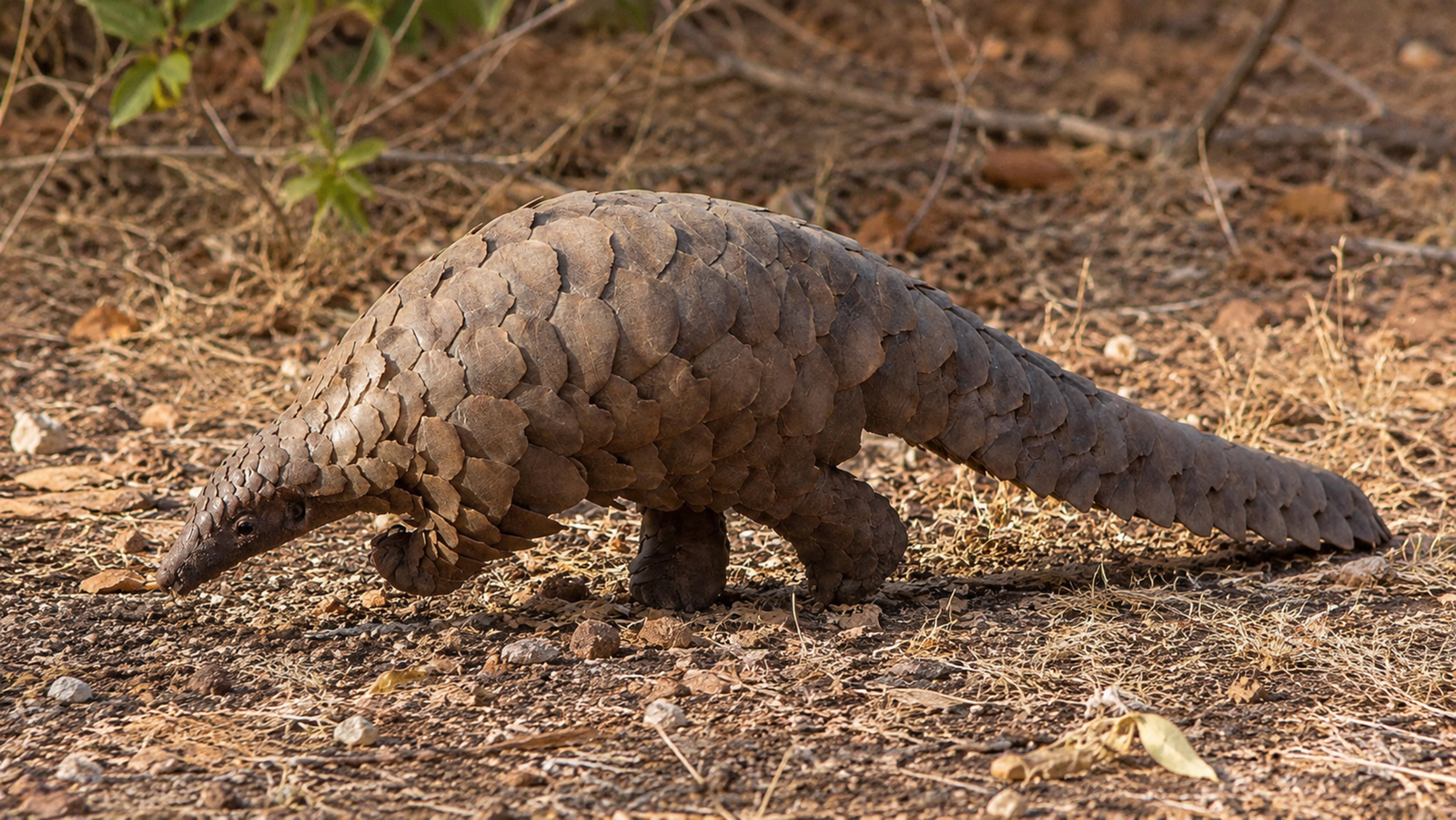
The Philippine Pangolin: Palawan’s Most Endangered Resident
The Philippine pangolin, called balintong locally, lives only in Palawan and a handful of nearby islands. It’s a scaly, ant-eating, nocturnal mammal that curls into an armoured ball when threatened. Which works beautifully against predators and catastrophically against humans.
The IUCN lists it as Critically Endangered. Pangolins are the most illegally trafficked mammals in the world, hunted for their scales and their meat, and Palawan’s population has been hit hard.
Will you see one on a tour? Almost certainly not. They’re nocturnal, shy, and increasingly rare. But you should know they’re out there, because the reason we ask guests not to buy “traditional medicine” souvenirs or wildlife products in local markets is directly connected to this animal.
Insider tip: If anyone offers you pangolin scales, dried seahorses, or turtle shell products anywhere in Palawan, walk away and report it. Buying them is a criminal offence under Philippine wildlife law, and the fines are not small.
The Philippine Cockatoo: A Conservation Story That Actually Worked
Now here’s the one that gives me hope.
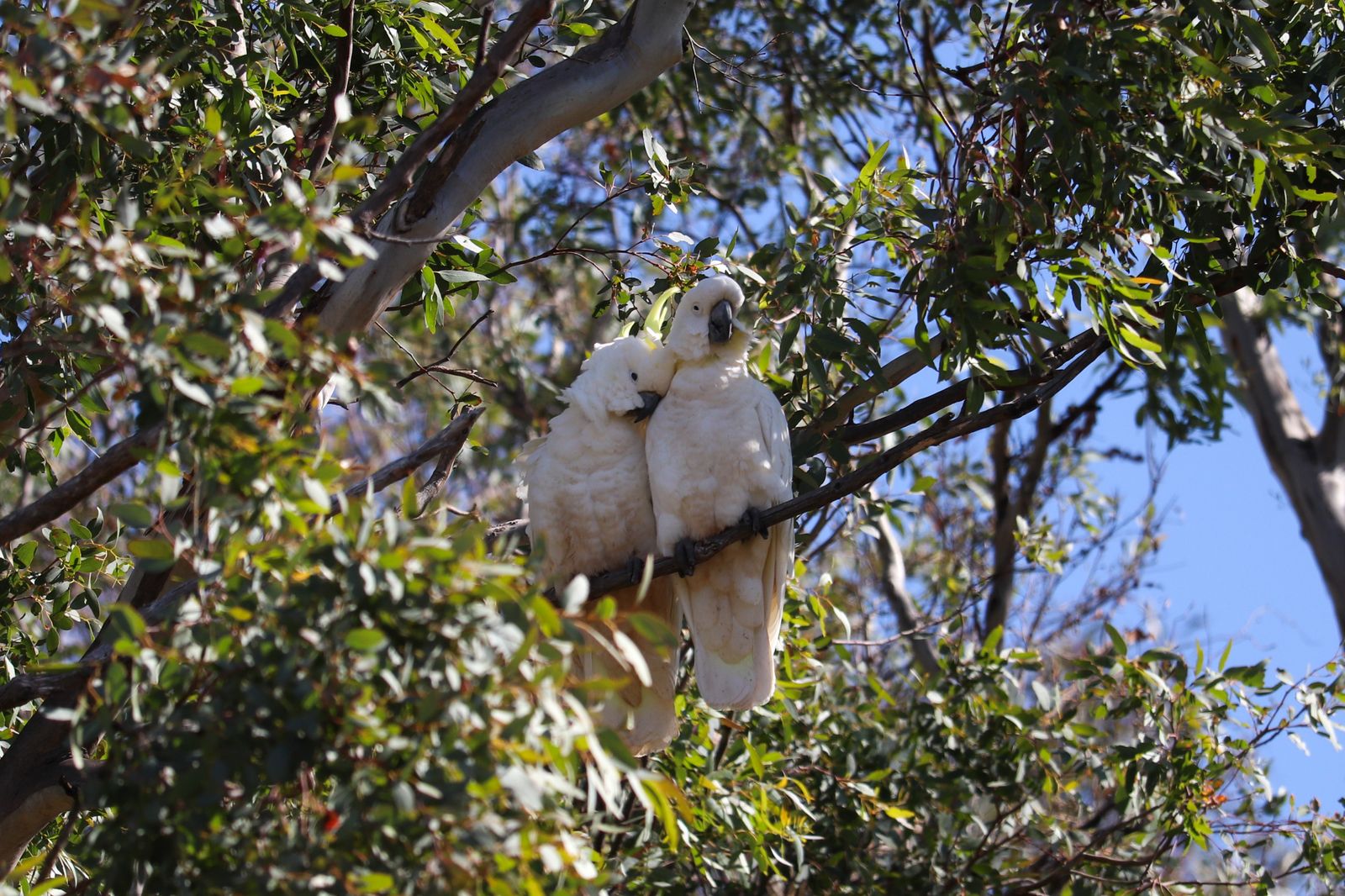
The Philippine cockatoo, or katala, is a white parrot with a striking red patch under the tail. It used to be found across the archipelago. Poaching for the pet trade and habitat loss wiped it out almost everywhere.
On Rasa Island off Narra in southern Palawan, the population had crashed to somewhere around 23 to 25 birds by 1998. Twenty-five birds. That’s it. Then the Philippine Cockatoo Conservation Program stepped in with a community wardening scheme, hiring former poachers as nest guards.
By early 2019 the island held close to 400 individuals. Current estimates put the total wild population somewhere in the range of 840 to 1,210 birds. Still Critically Endangered, still fragile, but climbing instead of falling.
Rasa Island is roughly a two hour drive south of Puerto Princesa, then a short boat crossing. It’s a genuine detour, not a casual stop, and access is managed. But if you’re a birder, it’s the single best cockatoo site in the country.
The Birds You Actually Have a Chance of Seeing
Palawan Hornbill
The talusi, as locals call it, is a black hornbill with a heavy pale casque on its bill. It’s found only in Palawan and neighbouring islands including Balabac, Busuanga, Culion, Coron and Calauit. You’ll usually hear one before you see it. The wingbeats sound like someone shaking out a wet towel overhead.
Best odds are in forested areas near Sabang, around the Underground River park, and on quieter parts of Busuanga.
Palawan Peacock-Pheasant
Listed as Vulnerable by the IUCN, this is the bird on Palawan’s provincial seal. The males have an iridescent blue-green crest and metallic wing spots that look almost unreal in the right light. They’re ground-dwelling forest birds and extremely shy. Serious birders spend days looking. Most casual visitors see them only in rescue centres.
Blue-Naped Parrot and Palawan Flowerpecker
The blue-naped parrot is far more common and you may spot flocks crossing between islands in Bacuit Bay if you’re paying attention on a boat transfer. Look up during the long stretches between snorkel stops instead of scrolling your phone. Trust me on this one.
Insider tip: Ask your boat crew to point out birds. Filipino boatmen grew up on these islands and most of them know the local names and habits better than any app will tell you. It also makes for a much better day than everyone sitting in silence.
Mammals: Bearcats, Leopard Cats and Flying Foxes
Palawan has close to 60 recorded terrestrial mammal species, and a meaningful share of those are endemic to the Philippines with several found only here.
The Palawan bearcat, or binturong, is the local celebrity. It’s a large tree-dwelling mammal with a prehensile tail that can reach around 1.4 metres nose to tail tip. It smells faintly of buttered popcorn, which sounds like a joke but isn’t. It’s nocturnal and mostly seen in rescue facilities.
The Palawan flying fox is a large fruit bat found in Palawan, Balabac and Busuanga. At dusk, in the right coastal spots, you can watch colonies stream out across the water. It’s one of the most underrated wildlife moments in the province and it costs nothing.
The Palawan leopard cat is a small spotted wild cat, roughly house-cat sized, that hunts at night in forest edges and farmland.
And the Calamian deer, a small hog deer, survives only in the Calamian Islands around Coron and Busuanga. Its stronghold is Calauit, which was declared a game reserve and wildlife sanctuary in 1976. Population estimates sit in the low hundreds, so it remains genuinely endangered.
Where to Actually See Palawan Wildlife in 2026
Let’s be practical. You have limited days and you want to see animals, not just read about them. Here’s where the realistic odds are.
Puerto Princesa Subterranean River National Park
This is your highest-probability wildlife stop, and it’s already on most itineraries. The park holds around 30 mammal species, roughly 19 reptile species including large water monitor lizards, and well over 200 bird species. Eight bat species live inside the cave itself.
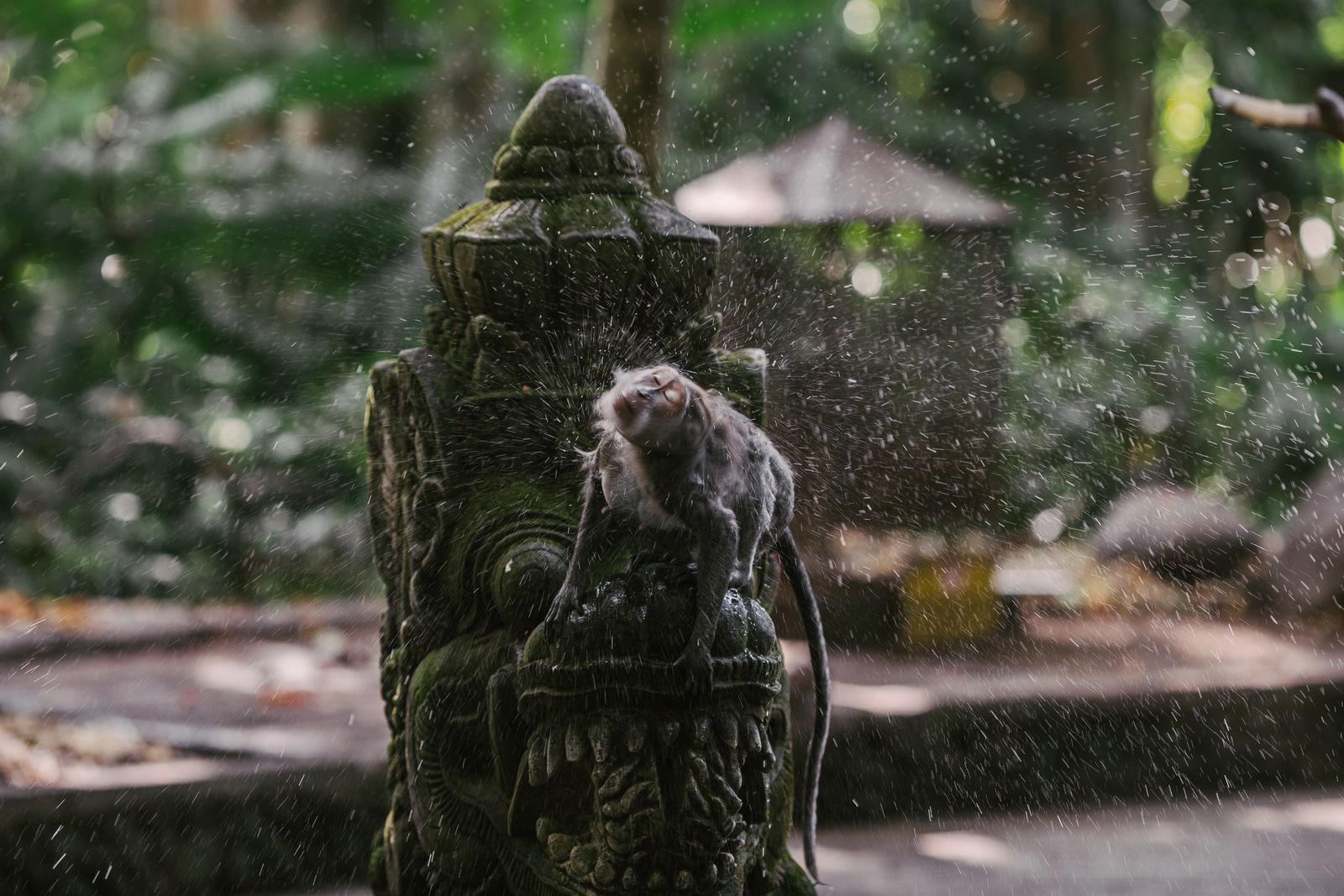
The long-tailed macaque is the animal you’re most likely to actually meet, often along the shoreline at low tide or in the canopy near the boardwalk. They are bold and they will absolutely take your snacks. Our full Underground River guide covers permits, timings and how to avoid the queues.
Palawan Wildlife Rescue and Conservation Center
Locally still called the Crocodile Farm, this is the only wildlife rescue centre in the province, sitting on the edge of Puerto Princesa. Entrance is inexpensive, typically around ₱40 for adults, and it’s open daily from roughly 8:30am to 5:30pm with guided education tours running through the day.
You’ll see saltwater and Philippine crocodiles, rescued bearcats, hornbills and sometimes a peacock-pheasant. It’s a rescue facility, not a zoo, and the difference matters.
Calauit Safari Park, Busuanga
The odd one. Calauit holds African species introduced in the 1970s alongside genuine Palawan endemics including the Calamian deer and Palawan bearcat. Entrance runs at approximately ₱400 for Filipinos and ₱600 for foreign visitors, with extra charges for the safari truck and the short boat crossing. Our detailed Calauit Safari Park guide breaks down the full day trip from Coron town.
Balabac and the Southern Islands
Southern Palawan and the waters around Balabac are the province’s least-visited corner and its best marine wildlife territory, including dugong sightings. Getting there takes real effort, which is exactly why it’s still wild. See our Balabac travel guide before you commit to that trip.
Honda Bay and Bacuit Bay
For marine life, the day tours do the job. Sea turtles, reef fish, occasional reef sharks. Our Honda Bay island hopping guide covers what’s realistic on a standard day trip out of Puerto Princesa.
Wildlife Sites and Costs at a Glance
| Site | Location | Approx. Entry | What You’ll Likely See |
|---|---|---|---|
| Palawan Wildlife Rescue Center | Puerto Princesa | ₱40 adult | Crocodiles, bearcat, hornbills |
| Subterranean River Park | Sabang, 2 hrs from city | Permit + boat fees vary | Macaques, monitor lizards, bats |
| Calauit Safari Park | Busuanga, near Coron | ₱400 local / ₱600 foreign | Calamian deer, giraffe, zebra |
| Rasa Island | Narra, southern Palawan | Managed access, guide required | Philippine cockatoo |
| Balabac waters | Far south Palawan | Varies by operator | Dugong, turtles, reef life |
Prices shift, especially local government fees, so treat these as planning figures rather than quotes. We confirm current rates when you book.
How to Travel Here Without Making Things Worse
Every one of these species is under pressure from the same short list: habitat loss, poaching, and tourism that grew faster than the rules did. So what can one traveller realistically do?
Don’t buy wildlife products. Not shells, not coral, not anything made from an animal. Don’t feed monkeys, however funny it seems in the moment, because habituated macaques get aggressive and then get culled.
Use reef-safe sunscreen, since chemical sunscreen damages the coral that feeds the whole marine food chain. Keep your distance from turtles, don’t touch anything underwater, and never chase marine life for a photo.
And pick operators who follow the sanctuary rules even when nobody’s watching. The Palawan Council for Sustainable Development sets the environmental framework for the province, and the Department of Tourism accredits operators who meet national standards. Ask which one your boat falls under.
Insider tip: Bring a proper reusable water bottle. Many El Nido and Coron accommodations now have refill stations, and single-use plastic bottles are the single most visible waste problem on these islands. Our Palawan packing list has the full rundown.
Is Wildlife Watching in Palawan Safe?
Broadly, yes. Palawan is one of the safer provinces in the Philippines for travellers, and we cover that in detail in our guide to whether Palawan is safe.
The animals themselves are not the risk. Saltwater crocodiles do exist in mangrove river systems, which is exactly why you should never swim in mangrove channels or river mouths that aren’t designated swimming areas. Monitor lizards look alarming and are harmless. Macaques will steal food and can bite if you provoke them, so just don’t.
The genuine risks in Palawan are sun, dehydration, and boat schedules during the southwest monsoon from around June to October. Not the wildlife.
Planning a Wildlife-Focused Palawan Trip
If seeing Palawan endemic animals matters to you, structure the trip differently from a standard beach itinerary. Give Puerto Princesa two nights instead of using it purely as an airport stopover. Put the rescue centre and the Underground River on separate days so you’re not rushing. Add Busuanga if the Calamian deer interests you.
Then do El Nido for the island hopping, because honestly, the lagoons deserve their reputation. Blue-naped parrots crossing Bacuit Bay at golden hour while you’re heading back to town is a decent way to end a day.
Six to seven days is the realistic minimum for combining wildlife and island hopping without living on a bus.
Frequently Asked Questions
What animals are only found in Palawan?
Palawan endemic animals include the Philippine pangolin, Palawan peacock-pheasant, Palawan hornbill, Palawan bearcat, Palawan flying fox, Palawan leopard cat and the Calamian deer. Several are found in Palawan and a few immediately neighbouring islands only.
Can I see a pangolin in Palawan?
Realistically, no. The Philippine pangolin is Critically Endangered, strictly nocturnal and extremely shy. Occasionally a rescued individual is held temporarily at the Palawan Wildlife Rescue and Conservation Center, but there’s no reliable way to see one in the wild.
Why does Palawan have Bornean animals?
Because Palawan sits at the edge of the Sunda Shelf. During ice ages, low sea levels narrowed or closed the gap across the Balabac Strait, letting species move between Borneo and Palawan. The rest of the Philippines never had that land connection.
Is Calauit Safari Park ethical?
It’s debated. The African species were introduced in the 1970s and are not native, which some travellers find uncomfortable. It does, however, protect a genuine population of endangered Calamian deer and other Palawan endemics on the same island. Read our full guide and decide for yourself.
When is the best time for wildlife in Palawan?
Roughly November through May, the drier months, when boat access is reliable and trails aren’t waterlogged. Bird activity is generally strongest in the early dry season. June to October brings the southwest monsoon and more cancellations.
Do I need a permit to visit wildlife sites?
For the Underground River, yes, and permits are limited daily so book ahead. Rasa Island requires coordination with the local conservation programme. The rescue centre and Calauit just charge entry at the gate.
Are there monkeys in El Nido?
Long-tailed macaques exist on some of the larger forested islands and along the mainland coast, but sightings on standard Tour A to D routes are uncommon. Your best macaque odds are around Sabang and the Subterranean River park.
Ready to See Palawan for Yourself?
Palawan endemic animals are one of the best reasons to slow down here instead of racing between lagoons. CMT Ticketing and Services runs island hopping, transfers and full multi-day itineraries across El Nido, Coron, Puerto Princesa, Port Barton and Balabac, and we’re happy to build a wildlife-weighted route if that’s what you want.
Browse our El Nido tours or the full CMT travel packages, then message us on Facebook Messenger or WhatsApp and tell us what you’d like to see. We’ll sort the rest.