
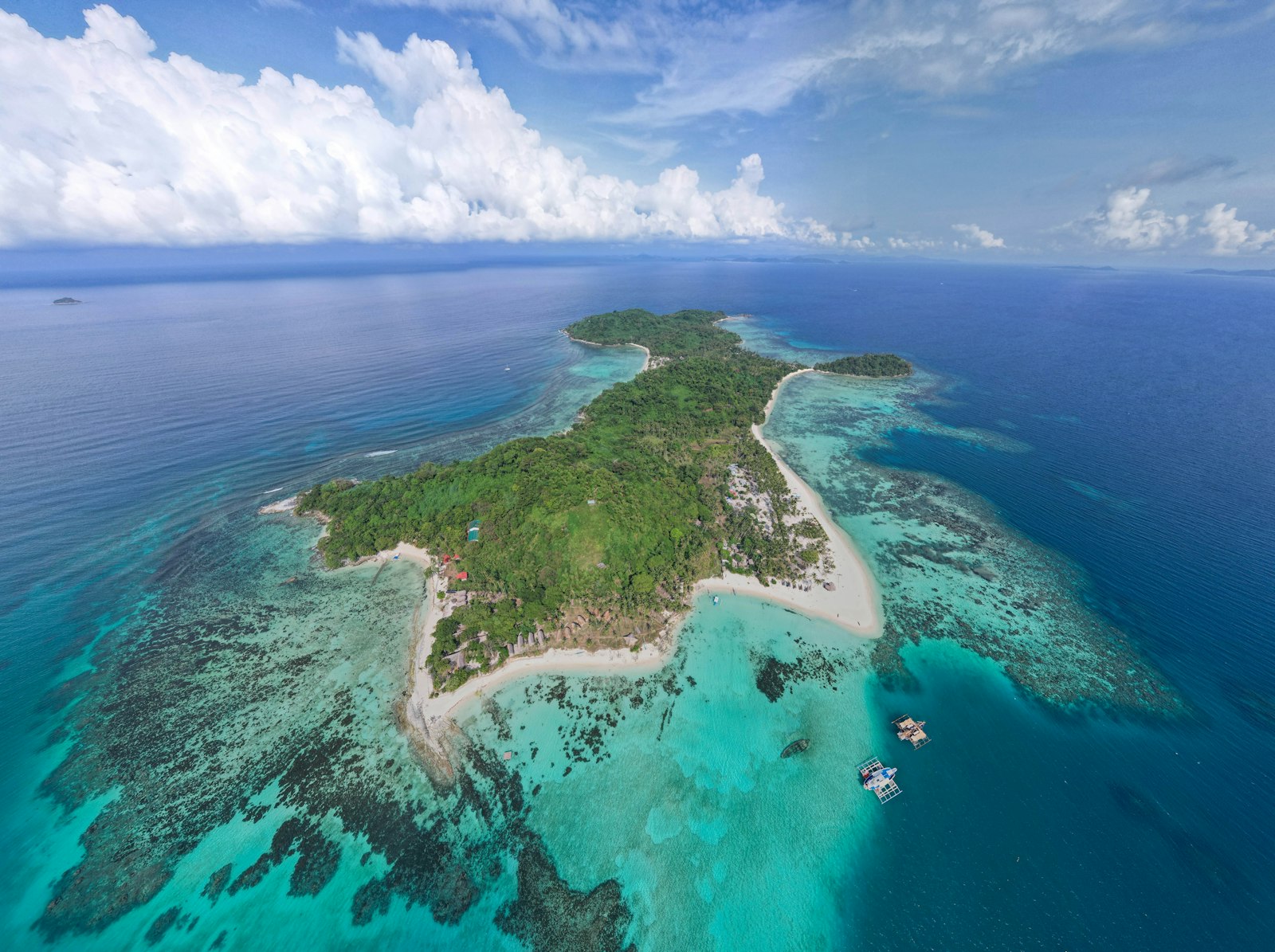
Here’s a question we get in our Facebook inbox almost every week during peak season: “What sunscreen should I bring for El Nido?” And honestly, most people asking aren’t thinking about the reef at all, they just don’t want to burn on the boat. But in Palawan, the sunscreen you pack actually matters for more than your skin. Several marine sanctuaries here now check bags before you get on a bangka, and if you’re wearing the wrong stuff, you might get turned away or asked to rinse off before you’re allowed in the water.
Look, I get why this is confusing. Walk into any Watsons or Mercury Drug back home and half the shelf says “reef safe” on the label with zero explanation of what that actually means. So let’s break down what reef-safe sunscreen really is, why it matters specifically for Palawan’s lagoons and marine parks, which brands actually hold up, and where you can buy them once you land in El Nido or Coron (spoiler: don’t wait until the last minute, the selection on-island is limited and pricier than you’d expect).
Why Reef-Safe Sunscreen Actually Matters Here
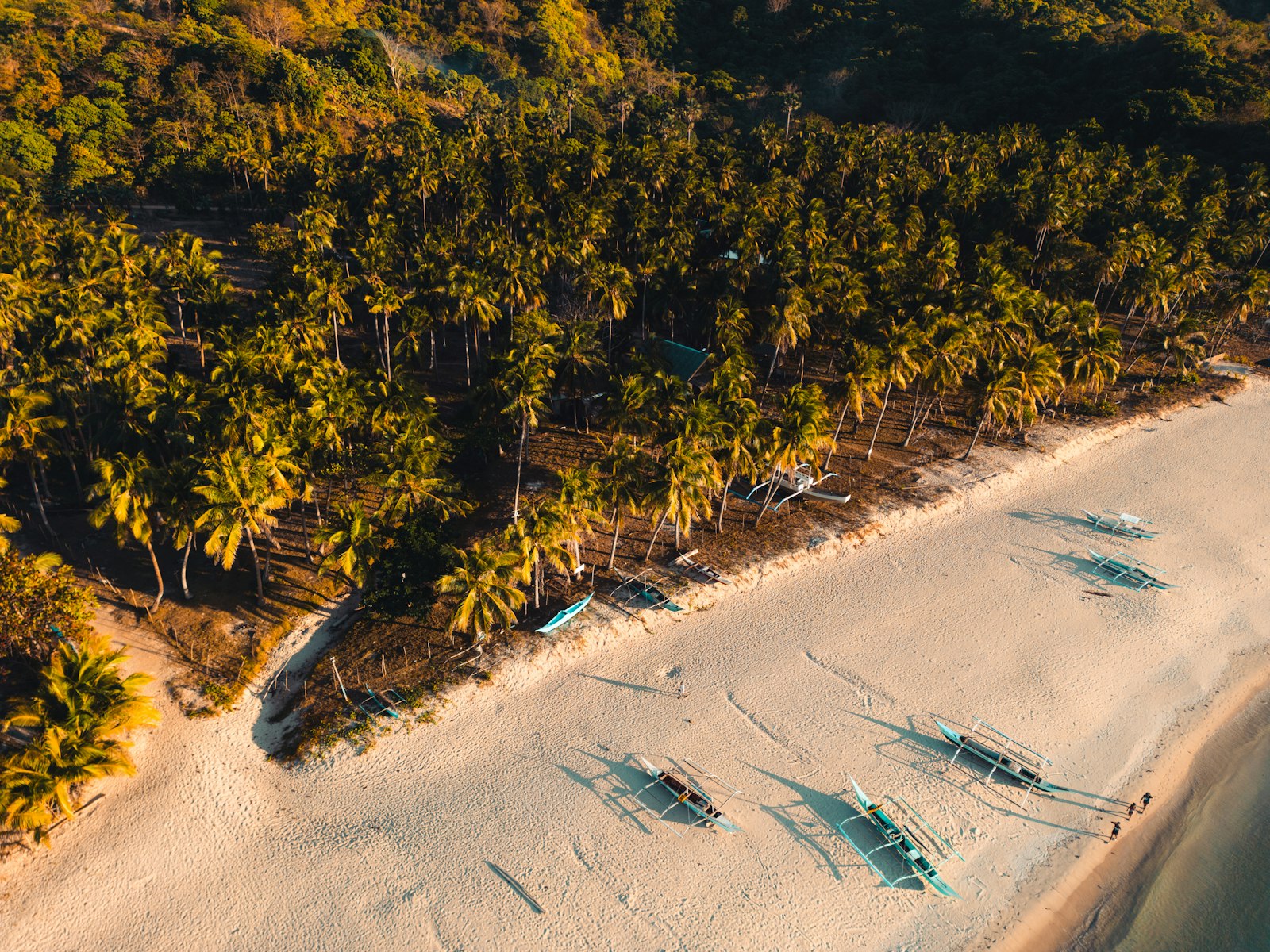
Palawan isn’t just scenic, it’s one of the most biologically important marine regions in the Philippines. The province is home to the Tubbataha Reefs Natural Park, a UNESCO World Heritage Site, and Bacuit Bay in El Nido alone has over a dozen protected marine sanctuaries feeding the coral systems that make the lagoons and snorkeling spots worth visiting in the first place. When we take guests out on Tour A or Tour B, we’re literally anchoring next to reefs that took decades to grow back after past damage from dynamite fishing and bleaching events.
Certain chemical sunscreen ingredients, oxybenzone and octinoxate being the big two, have been linked in multiple studies to coral bleaching, DNA damage in coral larvae, and disruption of the algae that reef systems depend on to survive. It doesn’t take much either. Even a small amount washing off swimmers in a high-traffic lagoon adds up over a full tourist season. And with El Nido pulling in more visitors every year during peak months, that cumulative effect on a small enclosed bay is real.
Insider tip: If you’re snorkeling at Secret Beach or the Big Lagoon, apply sunscreen at least 20-30 minutes before you get in the water. Chemical or mineral, letting it fully absorb into your skin instead of rinsing straight off makes a real difference in how much actually ends up in the water.
What Actually Makes a Sunscreen “Reef-Safe”?
Here’s the thing: “reef safe” isn’t a regulated term, so brands slap it on packaging pretty loosely. What you actually want to check is the active ingredient list. Mineral sunscreens using non-nano zinc oxide or titanium dioxide are the gold standard, they sit on top of your skin instead of absorbing in, and they don’t break down into the coral-damaging byproducts that chemical filters do.
Avoid anything listing oxybenzone, octinoxate, octocrylene, or homosalate as active ingredients. These show up constantly in mainstream sunscreen brands sold in malls back home, so it’s worth actually flipping the bottle over and reading the label rather than trusting the front-of-bottle marketing.
| Ingredient | Reef Impact | Verdict |
|---|---|---|
| Non-nano Zinc Oxide | Sits on skin, doesn’t absorb into water column | Safe, best option |
| Non-nano Titanium Dioxide | Similar to zinc, mineral-based | Safe |
| Oxybenzone | Linked to coral bleaching, larval DNA damage | Avoid |
| Octinoxate | Disrupts coral reproduction cycles | Avoid |
| Octocrylene | Accumulates in coral tissue | Avoid |
Insider tip: Mineral sunscreens leave a slight white cast, which honestly bugs some people. If that’s a dealbreaker, look for “tinted” mineral formulas instead of switching back to chemical ones. A few brands now make them sheer enough that you won’t look ghostly in your island hopping photos.
Where It’s Actually Required in Palawan
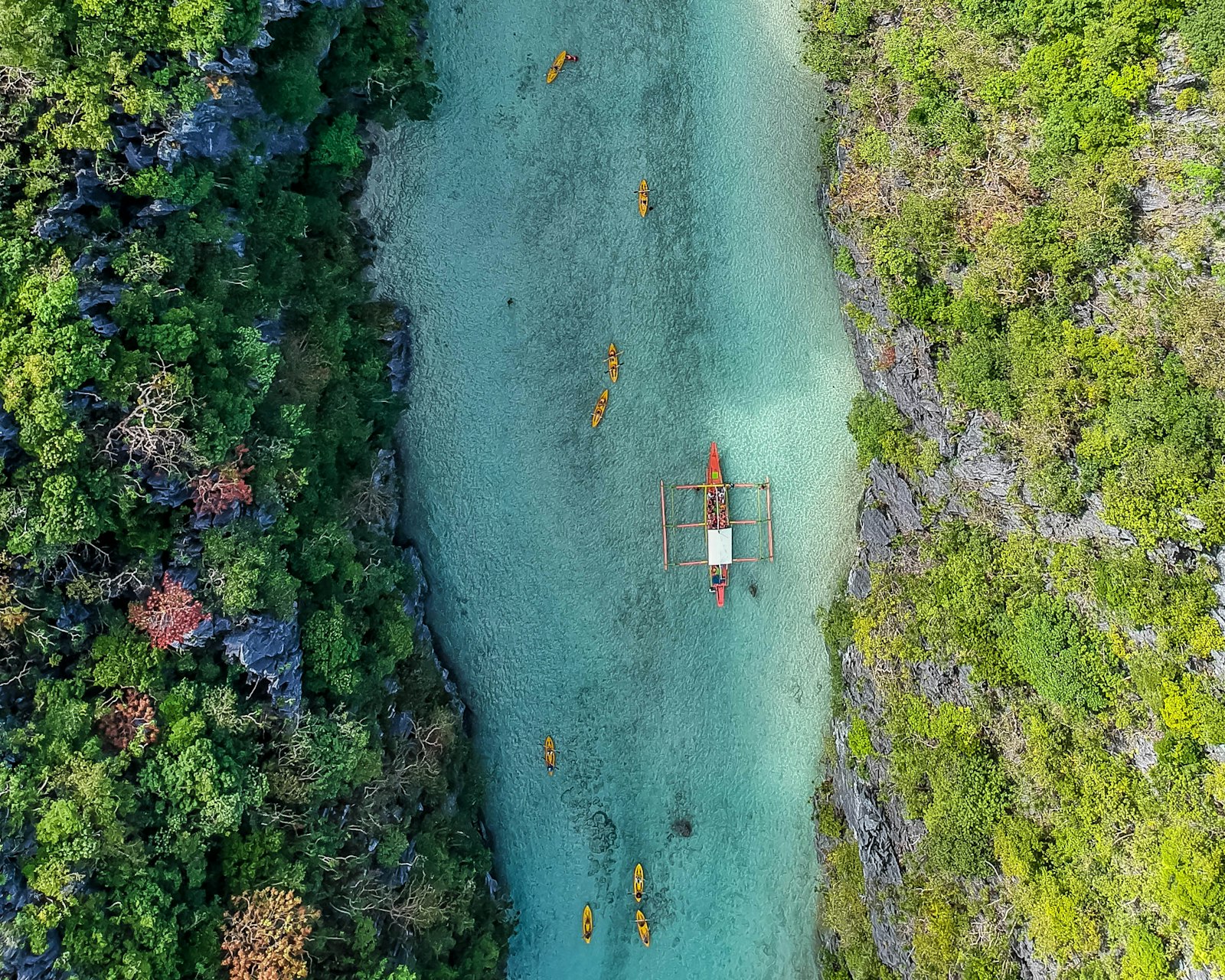
This isn’t just a nice suggestion anymore. Several tour operators and local government units have started enforcing reef-safe rules directly, especially in high-traffic marine protected areas.
El Nido’s Bacuit Bay sanctuaries, including stops on Tour A and Tour C, are managed under strict protected area guidelines, and guides increasingly ask guests to show their sunscreen before boarding. Coron’s Kayangan Lake and Twin Lagoon operate under similar rules through the local Tagbanua community council that manages access. And if you’re doing the Puerto Princesa Underground River as part of your trip, the surrounding Department of Tourism protected zone also discourages chemical sunscreen runoff near the mangrove approach, even though enforcement there is lighter than in the marine sanctuaries.
We’ve had guests get genuinely caught off guard by this. One family showed up for their island hopping tour with a big bottle of a popular drugstore sunscreen, chemical filters front and center on the ingredient list, and our boat crew had to explain they’d need to rinse off and reapply from a spare mineral bottle before getting in at Secret Beach. Nobody wants that conversation five minutes before they’re supposed to be enjoying the water.
Insider tip: If you’re booking through us, mention it when you message us on Facebook and we’ll flag it in your booking notes so your guide already knows to do a quick check before departure instead of holding up the whole boat.
Best Reef-Safe Sunscreen Brands You Can Actually Find in the Philippines
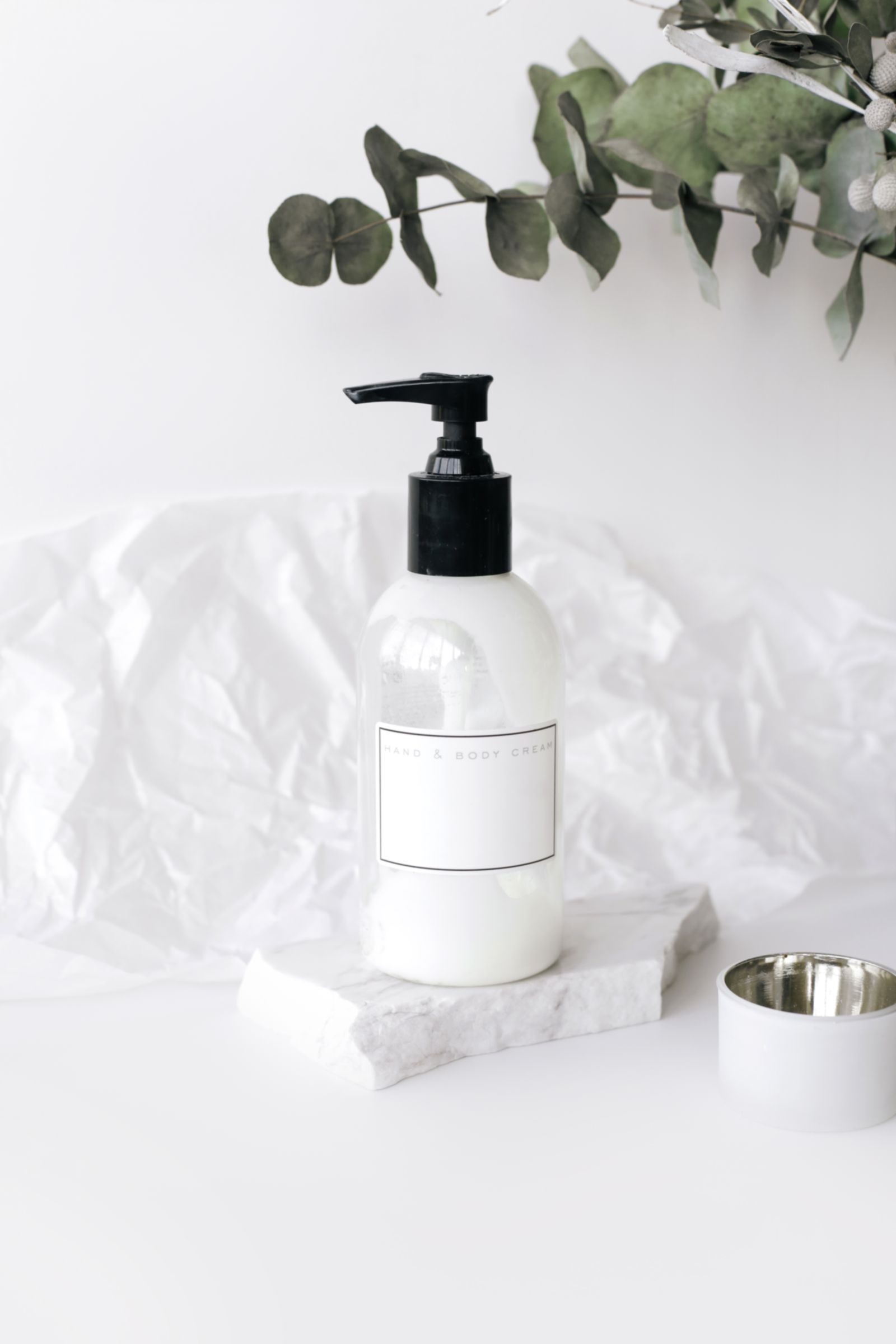
You don’t need to import anything fancy. A handful of brands are stocked in Manila and increasingly in Palawan itself, though the selection thins out the further you get from the city.
| Brand | Type | Approx. Price (PHP) | Where to Find |
|---|---|---|---|
| Suntribe Mineral Sunscreen | Zinc oxide, SPF 30 | ₱1,200-₱1,500 | Online (Shopee/Lazada), select Manila stores |
| Human Nature SunScreen | Zinc-based, local Filipino brand | ₱350-₱450 | Watsons, SM stores, online |
| Coola Mineral Sunscreen | Zinc oxide, various SPF | ₱1,800-₱2,400 | Rustan’s, select Manila boutiques |
| Badger Balm Mineral Sunscreen | Zinc oxide, unscented option | ₱1,000-₱1,300 | Online only, order ahead |
| Bum Boogie Reef Safe | Zinc-based, budget option | ₱280-₱380 | Some El Nido/Coron sari-sari stores |
Human Nature is honestly our go-to recommendation for most travelers since it’s a Filipino-made brand, widely available even in Puerto Princesa before you head north, and reasonably priced compared to the imported options. We’ve seen it stocked at pharmacies right in El Nido town too, though stock runs low during peak months (November to May), so don’t count on it being there the day you land.
Insider tip: If you’re flying in via AirSWIFT or Cebu Pacific through Puerto Princesa first, grab your sunscreen there rather than waiting for El Nido. The pharmacy selection in the city is noticeably better than what’s available once you’re further north.
Where to Buy Reef-Safe Sunscreen Once You’re in El Nido or Coron
So here’s the honest truth: shopping for reef-safe sunscreen on the day you arrive is risky. El Nido town has a scattering of pharmacies and convenience stores along the main road near the plaza, and a few resort gift shops carry mineral sunscreen, but prices run 30-50% higher than what you’d pay in Manila, and stock frequently sells out during high season.
Coron town has slightly better options near the public market and along the main strip heading toward the pier, with a couple of dive shops stocking reef-safe brands specifically because so many of their customers are snorkelers and divers who already know the drill.
Honestly, the smartest move is packing it before you fly. We always tell guests planning their trip to add it to their packing list alongside reef shoes and a rash guard, check our full what to pack for Palawan guide for the complete rundown of what you’ll actually need out here.
Insider tip: Buy a travel-size bottle plus a backup. Between multiple island hopping days and reapplying every couple hours in Palawan’s sun, most travelers underestimate how fast a single small bottle disappears over a five to seven day trip.
How to Apply It So It Actually Works
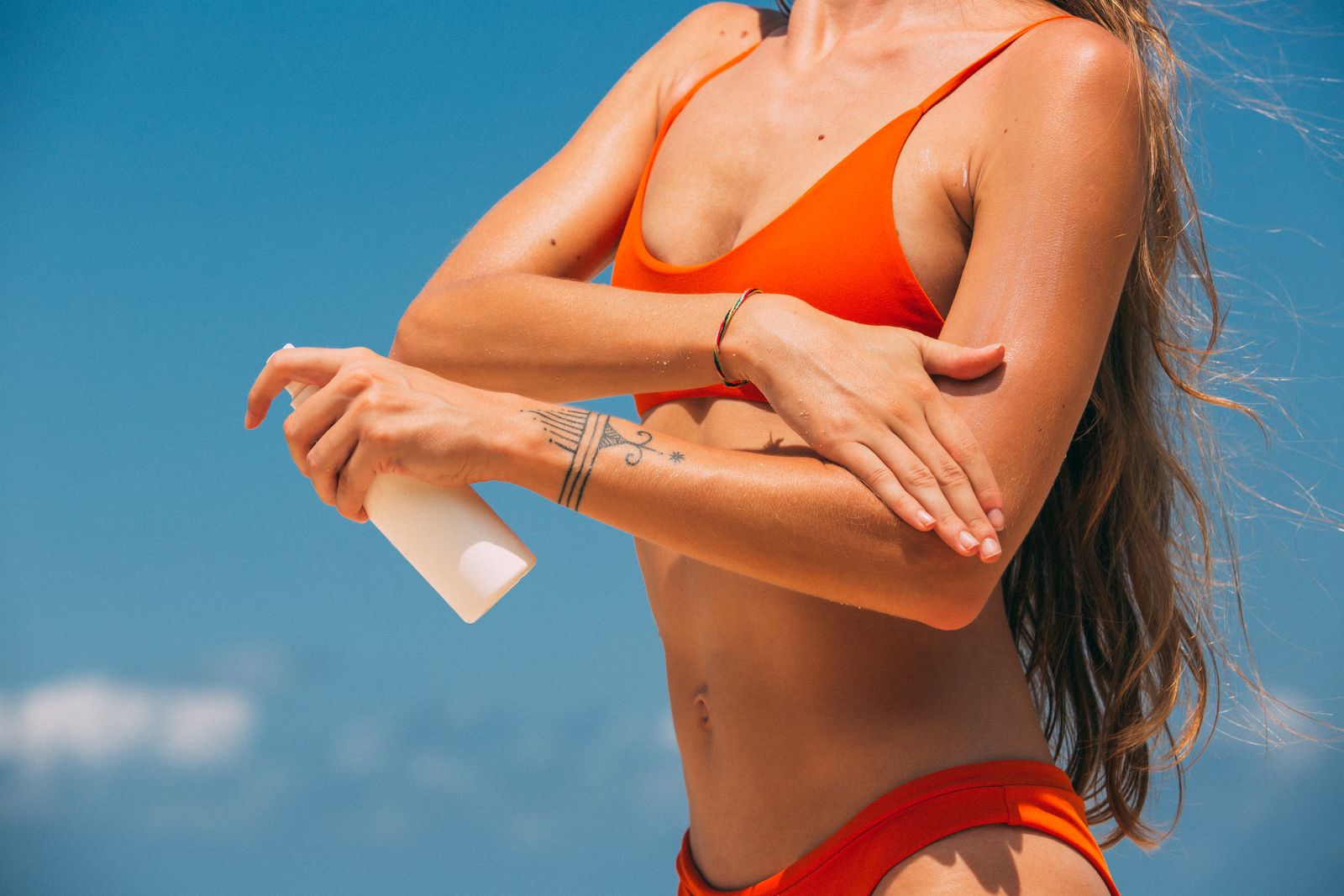
Mineral sunscreen needs a slightly different approach than chemical formulas. Apply it generously, and I mean generously, most people use about half of what they actually need. A shot-glass amount for your whole body is the standard guideline, and don’t skip your ears, the back of your neck, or the tops of your feet if you’re wearing sandals in the boat.
Reapply every two hours, and always right after swimming even if the bottle says “water resistant.” Water resistance on mineral sunscreen usually maxes out around 40-80 minutes depending on the formula, and a full day of island hopping involves a lot more time in the water than that.
And honestly, the single best thing you can do isn’t sunscreen at all, it’s a rash guard. Wearing a long-sleeve rash guard cuts your sunscreen reapplication needs in half and eliminates a huge amount of chemical runoff simply because there’s less skin exposed to begin with. We recommend it constantly to guests doing our full-day El Nido island hopping tours, especially on Tour A and Tour B where you’re in and out of the water across four or five stops.
Insider tip: Reapply sunscreen on the boat between stops, not just once in the morning at your hotel. The tropical sun here is stronger than most travelers expect, even on overcast days, and boat decks reflect extra UV off the water surface.
What Happens If You Show Up Without It
Most tour operators, us included, won’t turn you away entirely if you forget. But you’ll likely be asked to rinse off before entering certain sanctuaries, and some stricter sites now sell mineral sunscreen on-site at a markup for exactly this situation. It’s an easy problem to avoid just by checking your bottle’s ingredient list before you even leave home.
If you’re trying to plan out your whole trip budget and want to know where sunscreen and other small purchases fit into your daily spending, our is Palawan expensive breakdown covers the small stuff that adds up, sunscreen included.
Frequently Asked Questions
Is reef-safe sunscreen actually required in El Nido?
It’s increasingly enforced at specific marine sanctuaries within Bacuit Bay, including stops on Tour A and Tour C. Guides may ask to check your sunscreen before you board, so it’s best to arrive prepared rather than risk being turned away at a stop.
What ingredients should I avoid when buying sunscreen for Palawan?
Avoid oxybenzone, octinoxate, octocrylene, and homosalate. Look for non-nano zinc oxide or titanium dioxide as the active ingredient instead.
Can I buy reef-safe sunscreen in El Nido or do I need to bring my own?
You can find some options in El Nido and Coron town, but selection is limited and prices run higher than in Manila. It’s safer to pack a bottle before you fly, especially during peak season.
Are mineral sunscreens as effective as chemical ones?
Yes, when applied generously and reapplied every two hours. Mineral sunscreens work immediately on application rather than needing to absorb first, which is actually an advantage for last-minute application before jumping in the water.
Does reef-safe sunscreen cost more than regular sunscreen?
Generally yes, expect to pay ₱350 to ₱2,400 depending on the brand, compared to ₱150-₱300 for standard drugstore chemical sunscreen. Filipino brands like Human Nature sit at the more affordable end.
Will I get fined for wearing the wrong sunscreen in Palawan?
Formal fines aren’t standard yet across most sites, but you may be asked to rinse off and reapply an approved sunscreen, or in some cases purchase one on-site at a markup. It’s simpler to just bring the right kind from home.
What else should I pack alongside reef-safe sunscreen for island hopping?
A rash guard, reef-safe or reef shoes, a reusable water bottle, and a dry bag are the essentials. Check our full Palawan packing guide for the complete list.
Ready to book your El Nido island hopping trip? Pack your reef-safe sunscreen and let CMT Ticketing and Services handle the rest, check out our El Nido island hopping tours or message us on Facebook for the best price on your dates.