

Palawan Food Guide: What to Eat in El Nido and Coron 2026
You can eat extremely well in El Nido and Coron without spending a lot of money, which is one of the things that makes Palawan such a well-rounded destination. Fresh seafood pulled from the same water you’re island hopping through, local Filipino dishes with strong Palawan character, and a food scene that has grown significantly as tourism has expanded. Here’s what to eat, where to eat it, and what to skip.
What Palawan Is Known For: The Local Specialties
Fresh Grilled Seafood
This is the headline act and it deserves to be. The fish, prawns, squid, and shellfish served in El Nido and Coron come from local fishermen, and you can taste the freshness in a way that’s hard to fake. The standard Filipino preparation, grilled over charcoal and served with rice, calamansi (local citrus), and spiced vinegar dipping sauce, is simple and consistently excellent.
Order fish by weight at the paluto-style restaurants in El Nido: pick your fish from the ice display (typically maya-maya, tanigue, or lapu-lapu snapper), they weigh it, you choose the preparation (inihaw/grilled, kinamatisan/in tomato, or sinigang/sour soup), and it comes out 20-30 minutes later. Budget ₱350-₱600 for a fish depending on size and type.
Kinilaw
The Filipino version of ceviche. Raw fish (typically tanigue/Spanish mackerel or tuna) cured in vinegar and calamansi juice with ginger, onion, and chilies. The acid cooking process gives it a texture somewhere between sashimi and actual ceviche. Good kinilaw in El Nido uses fish that was in the sea that morning. It’s one of those dishes that shows you exactly how fresh the local catch is. Order it as a starter at any of the seafood grills on the main strip.
Tamilok
This is the adventurous one. Tamilok is a woodworm (actually a species of shipworm, Teredo sp.) that grows inside dead mangrove wood in Palawan’s coastal areas. It’s eaten live, cured in vinegar and spices, and tastes something like a mild oyster with an unusual texture. Found primarily in Puerto Princesa markets. Not for everyone, but if you eat oysters and clams without hesitation, tamilok is worth trying for the experience.
Crocodile Sisig
Puerto Princesa is known for crocodile dishes, particularly sisig made from crocodile meat rather than the standard pork. The Palawan Wildlife Rescue Center raises crocodiles partly for conservation and partly to supply registered restaurants. The flavor is between chicken and white fish, mild and clean. Kinabuchs on Rizal Avenue is the most well-known spot to try it. It’s not cheap (₱350-₱450 for a serving) but it’s genuinely unique to Puerto Princesa.
Halaan Soup
Halaan are surf clams, cooked simply in a clear broth with ginger, lemongrass, and sometimes light vegetables. Clean, delicate, and deeply satisfying after a day on the water. Find it at most Filipino restaurants in El Nido and Coron town for ₱150-₱250.

Where to Eat in El Nido
El Nido’s restaurant strip runs along Calle Hama and the roads behind the main beach. It’s a compact area and most visitors discover their favorite spots within the first day just by walking the strip.
For fresh seafood: The open-air paluto restaurants on the main drag let you select live or freshly caught seafood from ice displays and have it cooked to order. Ambiance is basic, food is excellent. Budget ₱300-₱600 per person with rice and sides.
For kinilaw and local dishes: Any restaurant with hand-painted menus and plastic stools is the right call. They’re usually run by the same families for years and the recipes reflect actual Palawan home cooking rather than tourist-adjusted versions.
For Western food: El Nido has enough backpacker-facing restaurants offering pasta, burgers, and pizza that you can go several days without eating Filipino food if you somehow want to. Artcafe on the main road is a favorite for coffee, breakfast, and baked goods. It fills up fast in the mornings.
Insider tip: The best seafood in El Nido is often not at the restaurants closest to the beach (those tend to charge a location premium). Walk one block inland and the quality stays the same while prices drop 20-30%.
Where to Eat in Coron
Coron town is smaller and the food scene reflects that, fewer tourist restaurants, more local eateries, and slightly less variety. Which is actually a feature, not a bug. You end up eating more Filipino food simply because that’s what’s available, and the quality is high.
Coron town market: The public market near the town center has several carenderia stalls (small canteen-style eateries) serving excellent home cooking. Rice, meat dishes, fish, and vegetables for ₱80-₱150 per meal. This is where locals eat. Point at what you want, they’ll plate it up.
Seafood restaurants: Multiple restaurants around the waterfront area serve grilled seafood at similar quality and price to El Nido. The locally caught fish selection in Coron tends to include more variety since it’s less tourist-normalized.
Korean BBQ: Coron has developed a notable Korean restaurant cluster, reflecting the significant Korean tourist market. If you’re in the mood for samgyeopsal (pork belly BBQ), there are solid options near the town center.

Eating on the Island Hopping Boats
Tour boat lunches are included in your tour package and typically served on a beach stop mid-tour. The standard is: grilled fish or chicken, rice, a vegetable dish, fresh mango, and sometimes kinilaw. It’s simple, filling, and considerably better than the equivalent on similar tours in other countries.
If you have dietary restrictions, tell your tour operator or CMT when booking. Vegetarian alternatives are usually possible with advance notice. The boat crew eats the same food as the tourists, which is a good sign about quality.

Budget Guide: Eating Costs in El Nido and Coron
| Meal Type | Approximate Cost |
|---|---|
| Carenderia / local eatery (full meal) | ₱80-₱150/person |
| Mid-range Filipino restaurant | ₱200-₱400/person |
| Grilled seafood (paluto style) | ₱300-₱600/person |
| Western food restaurant | ₱350-₱600/person |
| Coffee and breakfast (cafe) | ₱150-₱300/person |
| Cold San Miguel beer | ₱60-₱80 |
Drinks: What to Expect
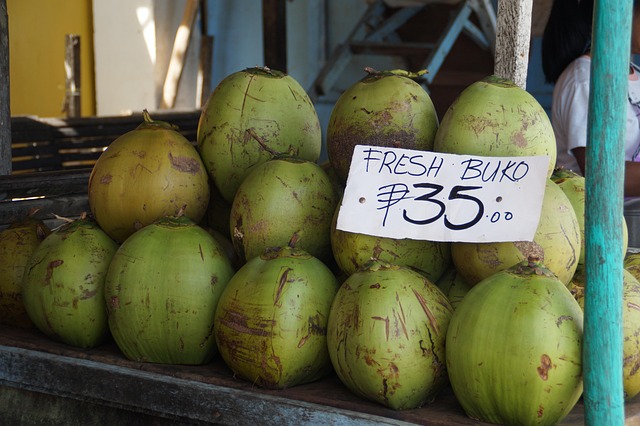
San Miguel Beer is the national default and well-priced at ₱60-₱80 for a cold bottle. Fresh fruit shakes are everywhere in El Nido: mango, watermelon, and dragonfruit are local and excellent. Buko (young coconut) juice is served straight from the shell at beach stops and markets for around ₱50-₱80.
Coffee quality varies. El Nido has a handful of proper espresso cafes. Coron is more instant-coffee territory outside the hotel restaurants. If you’re particular about coffee, El Nido is the better base.
FAQ: Palawan Food Questions
Q: Is the seafood in El Nido expensive?
No, it’s genuinely affordable for the quality. A full grilled fish meal with rice and sides runs ₱300-₱600 per person at local seafood restaurants, which is reasonable for fish of this freshness.
Q: Are there vegetarian options in El Nido?
Yes, though Filipino cuisine is meat and seafood-heavy. Vegetable dishes, tofu, and egg-based meals are available. Western-facing restaurants have more explicitly vegetarian options. Tell your island hopping tour operator in advance if you need vegetarian boat lunch.
Q: What’s kinilaw and should I try it?
Kinilaw is the Filipino version of ceviche: raw fish cured in vinegar with ginger, onion, and chili. If you eat raw fish sushi or ceviche, you’ll enjoy it. Order it as a starter at any local seafood restaurant.
Q: Can I drink the tap water in El Nido?
No. Drink bottled or filtered water. Most accommodation provides drinking water. Plastic waste is a real issue in El Nido, so carrying a reusable water bottle and refilling at filtered water stations (₱5-₱10 per liter) is both cheaper and better for the environment.
Q: Is there good street food in El Nido?
Some. Grilled corn, fish balls, and skewered meats appear along the main road in the evenings. The Filipino street food culture is less intense in El Nido than in Manila, but the basics are there.
Ready to Plan Your Palawan Trip?
CMT’s El Nido and Coron tour packages include daily breakfast and boat lunch during island hopping, so you’re not starting the day on an empty stomach or scrambling for food between tour stops. Check our El Nido packages and Coron packages for all-inclusive options that take the logistics off your hands.