
Why Palawan Is in a League of Its Own for Island Hopping
Palawan stretches over 650 kilometers from north to south, running along the western edge of the Philippines like a long green spine between the Sulu Sea and the South China Sea. The entire province is dotted with limestone karst formations, hidden lagoons, and coral reefs that haven’t seen the same volume of tourist traffic as other Philippine destinations.
When people talk about Palawan island hopping, they usually mean one of three places: El Nido, Coron, or Port Barton. Each one has its own personality, and the right choice depends entirely on what you’re after.
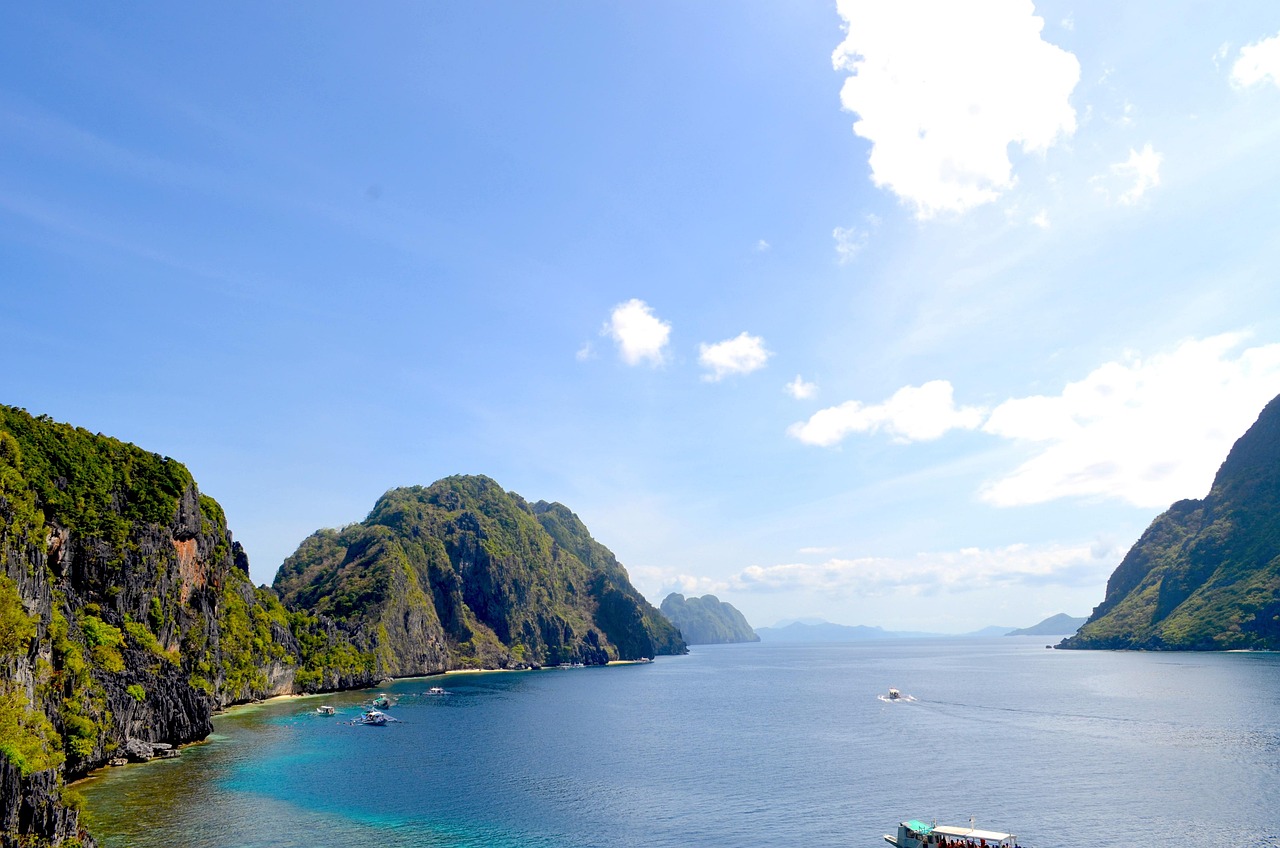
El Nido is the most famous, and for good reason. Bacuit Bay holds some of the most dramatic scenery in Southeast Asia, with towering limestone cliffs rising straight out of turquoise water. Coron sits further north and is the go-to spot for wreck diving and freshwater lakes. Port Barton, in the middle, is quieter and more budget-friendly, with fewer crowds and a laid-back vibe that feels like El Nido did ten years ago.
Understanding the Tour System: What Are Tours A, B, C, and D?
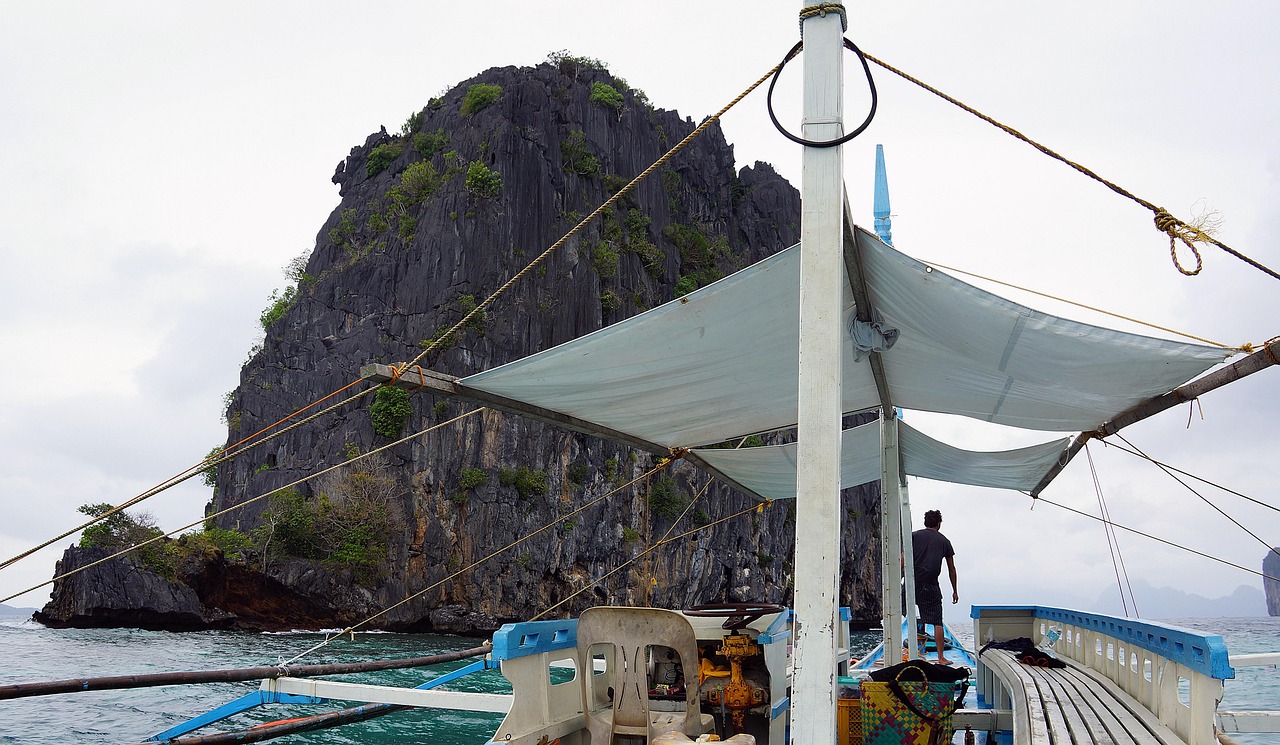
If you’re heading to El Nido, you’ll hear about Tour A, Tour B, Tour C, and Tour D constantly. These are the four official shared island hopping circuits in El Nido, each covering a different set of islands and attractions in Bacuit Bay.
Tour A is the most popular and usually the first one visitors take. It covers the Big Lagoon, Small Lagoon, Secret Lagoon, and Shimizu Island. The Big Lagoon kayak entry (around ₱200 for kayak rental) is optional but absolutely worth it. Tour A tends to book up fast, especially during peak season from November to May.
Tour B focuses on Entalula Island, Pangalusian Island, Pinagbuyutan Island, and the Cudugnon Cave. It’s less crowded than Tour A and gives you more beach time. Good for people who want to swim and relax rather than kayak through lagoons.
Tour C covers the Hidden Beach, Secret Beach, Matinloc Shrine, and Tapiutan Island. This one is known for the most dramatic scenery of the four, with hidden coves you access by swimming through a narrow rock opening. Honestly, Tour C might be the most memorable day you’ll have in El Nido.
Tour D takes you to Cadlao Lagoon, Pasandigan Cove, and a few other spots on the northern end of the bay. It’s the least crowded of the four and a great option if you’ve already done Tours A and C.
Shared tours in El Nido typically cost ₱1,200 to ₱1,500 per person and run from around 9:00 AM to 4:00 PM. Lunch is usually included and served on a beach stop. You’ll be on a traditional outrigger bangka boat with 10 to 20 other travelers, which is part of the charm. Want a private tour instead? Our El Nido tour packages include both shared and private options, so you can choose what works for your group.

El Nido vs Coron vs Port Barton: Which Should You Pick?
This is the most common question we get from first-time visitors, and the honest answer is: it depends on what you want from the trip.
Choose El Nido if you want iconic lagoon scenery, dramatic cliff formations, and a lively town with lots of restaurant and bar options after the tour. It’s the most developed of the three and has good transport connections via the airport at Lio (serviced by AirSWIFT from Manila and Cebu).
Choose Coron if wreck diving or freshwater lake swimming is on your list. Coron is home to Japanese WWII shipwrecks that are some of the best dive sites in the world. Kayangan Lake, often cited as one of the cleanest lakes in Asia, is another highlight. The island hopping here is different from El Nido, more about geological variety than pure lagoon exploration.
Choose Port Barton if you want a quieter experience with fewer tourists. The snorkeling is excellent, the pace is slow, and accommodation is cheaper. It doesn’t have the same visual drama as El Nido, but some travelers prefer it for that reason. (We’ve had guests tell us they liked Port Barton so much they extended their stay by three days.)
If you have 10 or more days, the ideal Palawan trip combines at least two of these. Our Palawan tour packages can be customized to cover multiple destinations in one smooth itinerary.
What to Expect on a Typical Island Hopping Day
First thing: the early morning start. Most shared tours in El Nido and Coron depart between 8:30 and 9:30 AM from the main beach. You’ll get a briefing, receive a life jacket (wear it), and board the bangka.
The boat ride to the first stop is usually 20 to 45 minutes depending on which tour and where the boat is coming from. Bring sunscreen and apply it before you board, not after you arrive. Sun exposure on open water is intense, and a lot of first-timers underestimate this.
At each stop, you’ll typically get 30 to 60 minutes to swim, snorkel, kayak, or explore. The guides are good at signaling when it’s time to regroup. Lunch is served beachside or on the boat, usually grilled fish, rice, and vegetables. It’s simple and good.
By 3:30 to 4:00 PM, you’re back at the main port. The whole day covers 4 to 6 stops depending on the tour. It’s a long day in the sun, so pace yourself. One insider tip: bring a dry bag. Your valuables, phone, and camera will get wet one way or another, whether from splash on the boat or from wading ashore at beach stops. A good waterproof phone case or dry bag is worth every peso.
How Much Does Island Hopping in Palawan Cost?
Let’s talk numbers, because this is where a lot of visitors get surprised.
Shared tours in El Nido typically run ₱1,200 to ₱1,500 per person for the tour itself. On top of that, environmental fees apply: the El Nido Ecotourism Association (ELAN) tour fee is ₱200 to ₱400 per tour depending on where you go, and some lagoons charge a separate ₱200 kayak rental. Budget around ₱2,000 to ₱2,500 per day, all-in, for a shared tour with fees.
Private tours in El Nido start at around ₱4,500 to ₱6,000 for a whole boat (fitting 6 to 10 people). Split between a group, this often works out cheaper per head than shared tours, and you get to set your own pace.
In Coron, shared island hopping tours also run ₱1,200 to ₱1,500 per person. Kayangan Lake has its own environmental fee of around ₱200 per visitor. For transport to and from your hotel, our transport services cover transfers throughout El Nido, Coron, and Puerto Princesa at fixed rates, so there’s no haggling involved.
Best Time to Go Island Hopping in Palawan
The short answer: November to May. This is the dry season across Palawan, when seas are calm, visibility underwater is at its best, and you’re unlikely to have a tour cancelled due to weather.
Peak season runs from December to April, when both domestic and foreign tourist numbers are highest. Book in advance during this window, especially for private boat charters. June to October is the wet season (habagat), and while tours still operate, weather can be unpredictable. Some of the more exposed routes like Tour D in El Nido or Coron wreck dive sites can be off-limits when sea conditions are rough.
If you’re flexible on timing, March to May hits a sweet spot: dry conditions, plenty of boats running, and slightly fewer crowds than the Christmas-to-February peak. Check real-time weather forecasts via PAGASA before you finalize dates.
What to Pack for a Day on the Water
Keep it minimal, keep it waterproof. Reef-safe sunscreen is non-negotiable, and it matters for the environment too. Many islands and lagoon areas have started requiring reef-safe products to protect the coral. Strong SPF 50 reapplied every two hours is the standard.
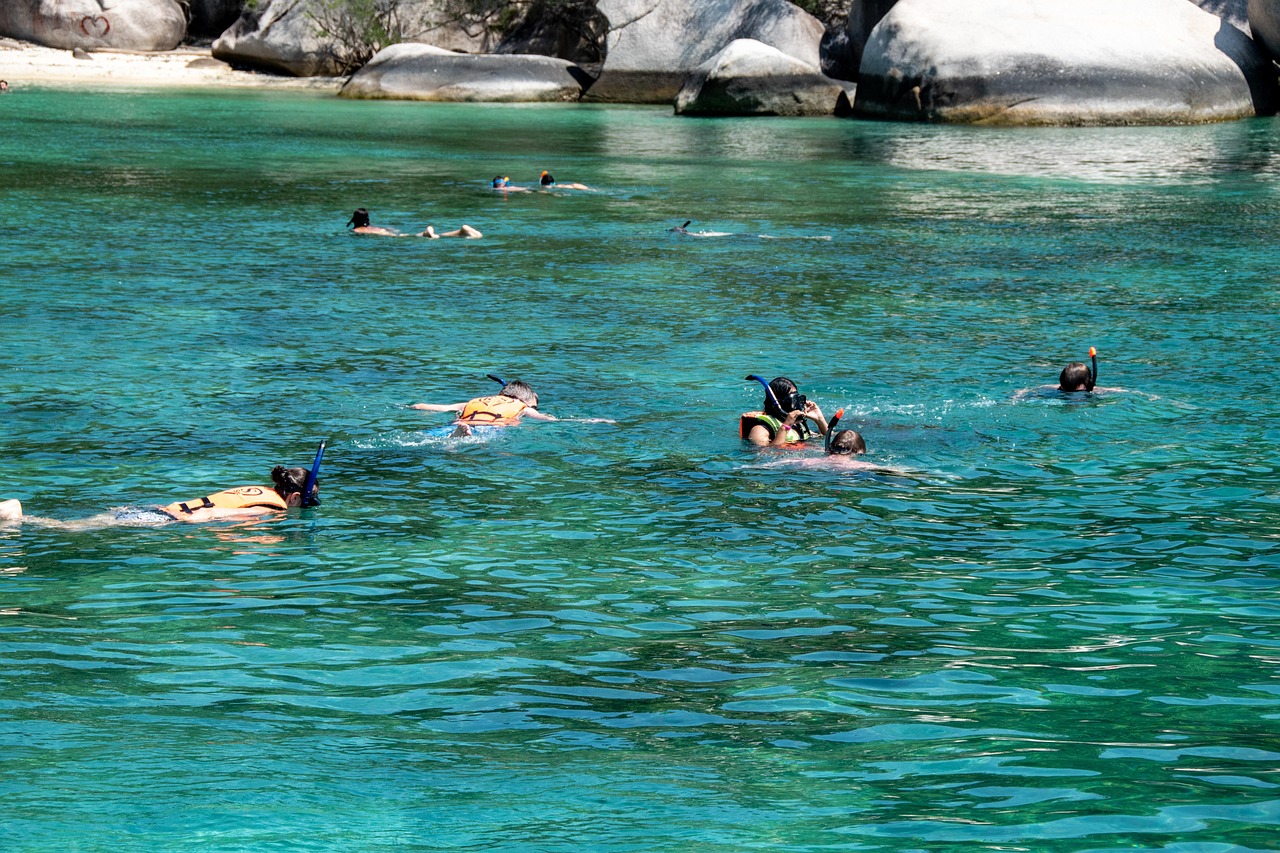
Rash guards are better than just a swimsuit for a full day out. They protect from sun and are more comfortable when you’re in and out of the water repeatedly. Snorkel gear: many tours provide basic snorkels and masks, but the quality varies. If snorkeling is a priority, bring your own.
Water and snacks. Lunch is included, but you’ll want water beyond what the boat provides. Bring 1.5 to 2 liters minimum. Energy bars or fruit for between stops are a good idea. And cash in small bills: some island stops have vendors selling coconuts or snacks, and boat guides and crew appreciate a cash tip at the end of the day.
How to Book Your Palawan Island Hopping Tour
You have a few options. Walk-in bookings are possible in El Nido town, especially for shared tours, but during peak season you risk missing out or ending up on an overcrowded boat. Booking in advance guarantees your spot and lets you choose the specific tour circuit.
For the easiest booking experience, message us on Facebook at CMT Ticketing and Services. We confirm availability, lock in your dates, and handle all the logistics so your first morning in Palawan is relaxed, not stressful. Our team is based in El Nido and knows the boats and guides personally.
If you’re combining island hopping with inter-town transport or accommodation bookings, our complete Palawan packages bundle everything together at competitive rates. You might also want to read our guide to the best beaches in Palawan and our tips for solo travel in Palawan before you go.
Frequently Asked Questions About Palawan Island Hopping
Do I need to know how to swim to go island hopping in Palawan?
No, but it helps to be comfortable in the water. Life jackets are provided and required on the boat. Non-swimmers can still enjoy most stops by staying in shallower areas, though some lagoon kayak tours require paddling through deeper water.
Can I do more than one tour in a day?
Generally no. Each tour runs a full day (roughly 9 AM to 4 PM). Some operators offer half-day sunset tours that visit one or two spots in the late afternoon, which can be combined with a morning tour if you’re physically up for it.
Is snorkeling gear included in the tour price?
Most shared tours include basic snorkeling equipment at no extra cost. Quality varies, so if snorkeling is important to you, bring your own mask and snorkel.
What happens if the tour is cancelled due to weather?
Most legitimate operators will reschedule or refund you if conditions are unsafe. Always confirm the cancellation policy when you book. Our tours at CMT Ticketing and Services offer free rescheduling if weather cancellations occur.
Is it safe to island hop in Palawan?
Yes, Palawan island hopping is generally very safe. Always wear your life jacket, follow guide instructions, and book with a licensed operator. The Philippine Department of Tourism regulates tour operators, and reputable companies comply with safety standards.
How far in advance should I book?
For peak season (December to February), book at least 1 to 2 weeks ahead. For off-peak months, 2 to 3 days’ notice is usually fine for shared tours, longer for private charters.
Can kids join island hopping tours?
Yes, children are welcome on most island hopping tours. For family-specific advice, check out our complete guide to Palawan with kids, which covers age-appropriate tours and what to pack for little ones.
Ready to book your Palawan island hopping adventure? Message us on Facebook at CMT Ticketing and Services and we’ll sort out your tour, transport, and accommodation in one conversation. Check out our full range of El Nido tour packages and Palawan island hopping packages to get started.
[…] a full picture of all the island hopping options in El Nido, read our complete Palawan island hopping guide. And if you’re still planning your itinerary, our 3-day El Nido itinerary covers how to […]
[…] combine Tours A and C with a Nacpan half-day. If you’re building a longer Palawan trip, our complete Palawan island hopping guide puts Nacpan in context alongside El Nido, Coron, and Port […]