
Palawan Island Hopping: What to Expect, What to Pack & How to Prepare
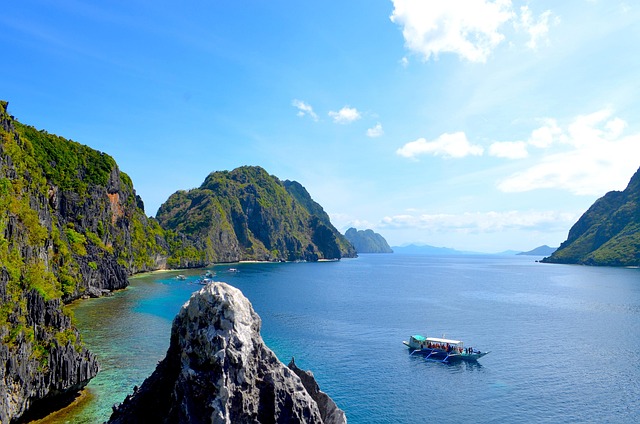
Island hopping is the heartbeat of Palawan travel. It’s the reason most people make the journey, hopping between limestone-fringed lagoons, hidden beaches, and snorkel sites on a traditional wooden bangka boat, with lunch served on a beach and the open sea all around you.
But if you’ve never done it before, the whole thing can feel a little opaque. What exactly happens? How long are you on the boat? What do you eat? What if you get seasick? Here’s the honest, practical guide.
How Palawan Island Hopping Actually Works
The basic structure of a Palawan island hopping day looks like this:
7:30–8:30am: Gather at the departure pier (usually the main town pier in El Nido or Coron). Your tour operator confirms your group, collects any fees, and assigns you to a boat.
Boat briefing: The crew or guide briefly explains the day’s stops, safety rules (life jackets, no stepping on coral), and schedule. This takes about 5 minutes.
Departure: The bangka pulls away from the pier and heads for the first stop, typically 20–45 minutes across the bay.
Stop 1: Usually the most popular site on the route. You anchor offshore, swim or kayak to the lagoon or beach, spend 45–75 minutes, then back to the boat.
Continue: The same routine repeats 3–4 times throughout the day, with travel between stops ranging from 10 minutes to 1 hour depending on distance.
Lunch: Served on a beach around 12–1pm. The crew prepares grilled fish, rice, and vegetables. Most dietary needs can be accommodated with advance notice.
Final stop: Usually the longest or most relaxed, a beach where you can swim freely without a specific attraction to rush between.
Return to pier: Around 4:30–5pm.
That’s a full day on the water. 8 hours approximately, with maybe 5 hours of actual activity and exploration across 3–5 stops. Most people find it tiring in the best way, sun-tired, salt-dried, and content.
The Boat: What Is a Bangka?
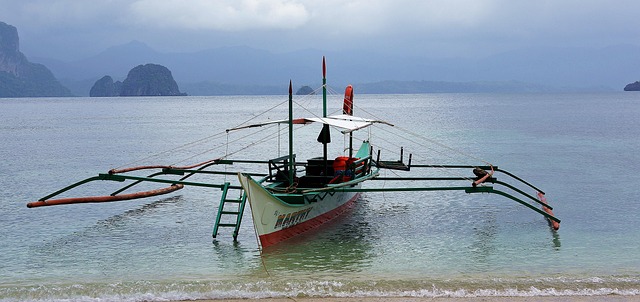
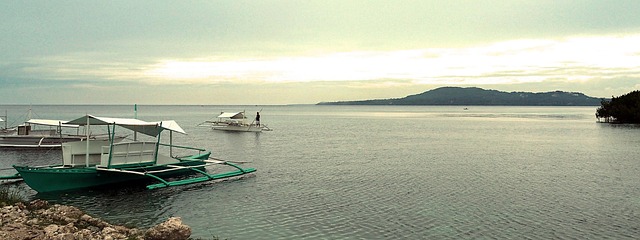
A bangka (also spelled “banca”) is the traditional Filipino outrigger boat. Two bamboo or wooden poles extend from both sides of the hull, providing stability, you’ll see these in every Palawan photo. Most island hopping bangkas carry 10–15 passengers plus crew.
The boats have a covered center section (good for shade) and open front and back sections. Seating is basic, wooden benches or seats. Life jackets are stored onboard.
Is the boat comfortable? It depends on your standards. You’re sitting on a wooden bench for several hours. A thin foam cushion or small pillow from your daypack makes a difference. The boat moves with the water, smooth on calm days, bouncy on choppy ones.
Can you get seasick? Some people do, particularly on the longer crossings. If you’re prone to motion sickness: take medication 30 minutes before departure, choose a seat in the middle of the boat (more stable than the front or back), keep your eyes on the horizon, and avoid reading or looking at your phone during crossings.
What to Pack for a Palawan Island Hopping Day
Absolute essentials:
- Reef-safe sunscreen, water-resistant SPF 50+ minimum. Reapply every 90 minutes. The Philippine sun at sea level is intense, and you’re on the water all day. Sunburn is the most common preventable problem on island hopping tours.
- Rash guard or light long-sleeve shirt, better sun protection than sunscreen alone. Most serious island hoppers wear these instead of relying on sunscreen for extended water time.
- Sunglasses with UV protection
- Cash, for kayak rental, extra snacks, small tips
- Dry bag or waterproof case, for your phone and camera. Boats splash. Lagoon entries involve swimming. Your phone will get wet if unprotected.
- Snorkel mask, the rental masks on boats are often ill-fitting and foggy. Your own mask is worth the investment if you plan to snorkel.
- Small backpack or bag, for carrying your day items
Highly recommended:
- Motion sickness medication, bring it even if you don’t expect to need it
- Insect repellent, some beach stops have sand flies, especially in shaded areas
- Water (1.5 liters minimum), some tours provide water, but not all. Bring your own.
- Snacks, lunch is included but between stops, a banana or energy bar helps
- Fins, if you have snorkel fins and can bring them, they significantly improve lagoon and reef exploration. Not worth buying just for one trip, but worth packing if you own them.
Leave at your accommodation:
- Valuables you don’t need (jewelry, extra cash beyond what you’ll use)
- Heavy bags, you’ll be on a boat and in the water all day
- Formal or delicate clothing
Snorkeling: What Will You See?
Marine life varies by site and time of year, but in general across El Nido and Coron you can expect:
- Reef fish in abundance, parrotfish, butterflyfish, damselfish, clownfish (yes, real ones)
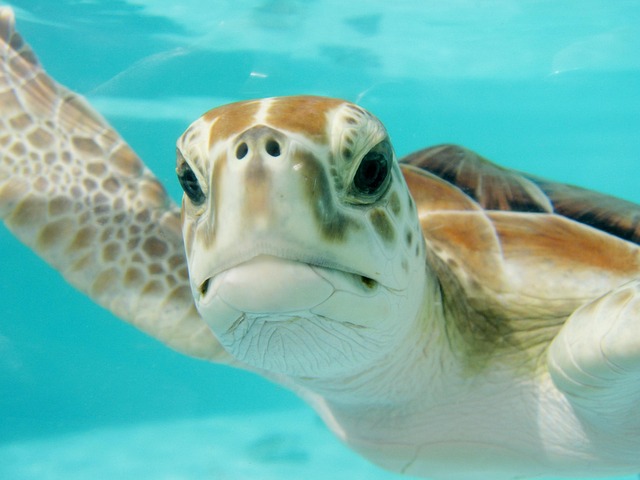
- Sea turtles, sightings are common, especially around less-trafficked snorkel stops
- Coral formations, both hard coral (brain coral, staghorn) and soft coral. Quality varies by site; the less-visited spots generally have better coral.
- Occasional larger species, reef sharks, eagle rays, manta rays (Port Barton and some outer El Nido sites)
Snorkeling tip: The best marine life is often at the edges of the reef, not directly below the tour boat. Swim out a bit from where everyone else is concentrated, and you’ll generally see more.

Lunch on Island Hopping: What to Expect
Lunch is prepared by your boat crew on a designated beach stop. The standard spread:
- Grilled fish (usually fresh bangus or maya-maya)
- Steamed or fried rice
- Grilled vegetables or a simple salad
- Fresh fruit
- Softdrinks or water
It’s simple, filling, and honestly quite good, especially after a morning in the water. Vegetarian travelers should let their tour operator know in advance; it’s easily accommodated.
Is the food safe? Yes, boat crew meals are a standard part of Palawan tourism and generally well-prepared. The usual travel food hygiene applies: trust your instincts, stay hydrated.
Group Composition: Who Will You Be With?
On shared tours, you’ll be grouped with other travelers, typically between 10 and 15 people per boat. This is usually a friendly mix of solo travelers, couples, and small friend groups from various countries.
Most island hopping experiences are naturally social, you’re all going to the same places, swimming in the same lagoon, eating lunch on the same beach. Good conversations happen.
If privacy is important, consider a private charter. CMT offers private bangka charters for groups, check our El Nido packages for pricing.
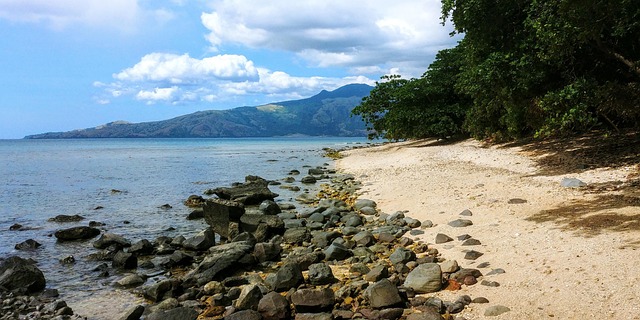
Environmental Responsibility on Island Hopping Tours
Palawan’s beauty depends on the choices tourists make on every single tour. A few non-negotiables:
- Never step on coral, even if a boat crew directs you somewhere that risks contact, err on the side of not touching
- Don’t take anything from the ocean or beach, shells, coral fragments, sand
- Use reef-safe sunscreen only, standard sunscreen contains chemicals that damage coral
- Pack out your trash, including cigarette butts and plastic bags
- Respect wildlife distances, don’t touch, chase, or corner sea turtles, rays, or other marine life
FAQ: Palawan Island Hopping
Q: How long does island hopping take in Palawan?
A full day tour runs approximately 8 hours (8am to 5pm), visiting 3–5 stops with a lunch break.
Q: What should I wear for island hopping in Palawan?
Swimwear, a rash guard or light shirt for sun protection, water sandals, and sunglasses. Bring a change of dry clothes for the return journey.
Q: Do I need to know how to swim for island hopping?
Swimming ability makes the experience much richer, but non-swimmers can still enjoy tours, life jackets are provided, and many stops have beach areas accessible without swimming. Let your guide know your comfort level.
Q: Is island hopping suitable for older travelers or young children?
Yes, generally. The main physical requirements are getting on and off a boat (some agility required) and walking on uneven beach terrain. Children of all ages can participate; life jackets are available in small sizes.
Q: What’s the best time of day to start island hopping?
As early as possible, 8am or 8:30am. Earlier starts mean fewer crowds at popular stops, calmer morning sea conditions, and more comfortable temperatures before the midday heat.
Q: Is reef-safe sunscreen required?
It should be, the Marine Protected Area regulations in El Nido technically require reef-safe sunscreen. Bring your own to be sure. Standard chemical sunscreens damage coral reefs.
Ready to Get on the Water?
CMT’s island hopping tours depart from El Nido and Coron with pre-arranged morning slots, experienced boat crews, and all the essentials included. You show up, we take you there.