
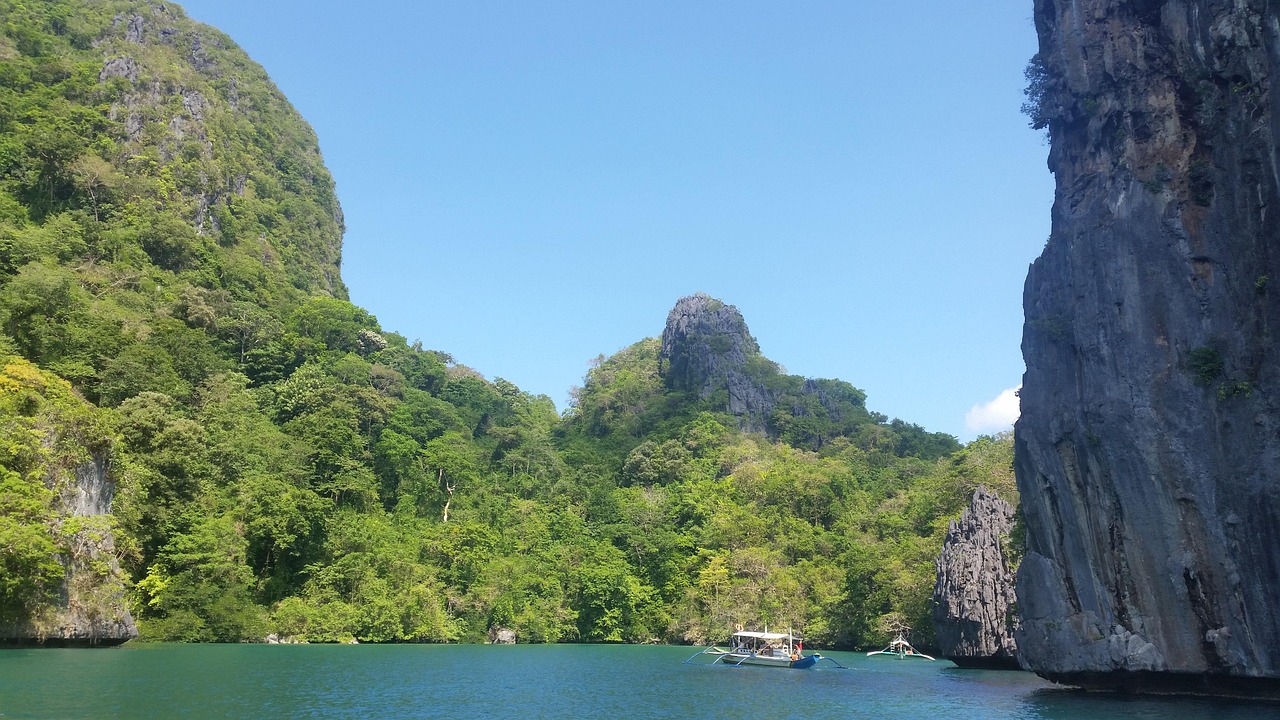
There’s a moment when you round a karst cliff in a bangka boat, the sea turns impossibly blue, and you think: how has this place not been completely overrun yet? That’s Palawan. And if you’re here reading this Palawan Philippines travel guide, you’re smart to be planning a trip before more people catch on.
Palawan is the Philippines’ westernmost province, and it’s been named the best island in the world more times than most places can count. But calling it “an island” is actually a misunderstanding. It’s a province made up of more than 1,780 islands and islets stretching across the Sulu Sea and the South China Sea. The main hubs most travelers visit are Puerto Princesa, El Nido, Coron, Port Barton, and Balabac. Each one feels completely different from the last.
This guide covers everything you need for your first trip: when to go, how to get there, where to spend your time, and how to budget it. Let’s get into it.
Where Is Palawan?
Palawan sits on the western edge of the Philippine archipelago, running northeast to southwest for roughly 450 kilometers. It’s one of the longest islands in the country, but most of what travelers see is just a small piece of the whole province.
The easiest way to think about it: Puerto Princesa is your gateway city in the south. El Nido is your northern paradise, about 240 kilometers up the coast. Coron sits off to the northeast in the Calamian Island Group. Port Barton is a quiet coastal village halfway up the west coast. Balabac is at the far southern tip, sitting close to Malaysia and almost unknown compared to the rest.
According to the Department of Tourism Philippines, Palawan consistently ranks as the country’s top domestic tourism destination. The landscapes make it obvious why.
Best Time to Visit Palawan
Go between November and May. That’s Palawan’s dry season, when skies are clear, seas are calm, and island hopping is actually possible. Peak months run December through April, when beaches fill up and accommodation books out weeks ahead.
June through October is southwest monsoon season, locally called habagat. Rain isn’t constant, but seas in El Nido and Coron can get rough enough to cancel tours for multiple days. Low season brings lower prices and thinner crowds. Port Barton and Puerto Princesa hold up better through light rain than El Nido or Coron.
The sweet spot? November. The rains have cleared but the peak-season crush hasn’t arrived yet. Late February through April is also excellent if you want guaranteed sunshine. For a month-by-month breakdown covering weather, seas, and crowds, check our best time to visit El Nido guide.
How to Get to Palawan
Most travelers fly in. Puerto Princesa Airport (PPS) has the most options from Manila. Cebu Pacific, Philippine Airlines, and AirAsia all service the Manila-Puerto Princesa route daily, with tickets starting around 1,500-3,500 pesos one-way if you book ahead.
If El Nido is your primary destination, AirSWIFT flies direct from Manila to El Nido’s Lio Airport. It saves you the 5-6 hour van ride north from Puerto Princesa. Tickets run 4,000-7,000+ pesos each way, but if your time is tight, it’s worth every peso. Coron also has its own airport at Francisco B. Reyes with connections from Manila.
From Puerto Princesa, getting to El Nido overland takes about 5-6 hours by shared van (600-800 pesos per person). The road cuts through mountains and small barangays, and it’s a beautiful drive. Puerto Princesa to Port Barton is about 2.5-3 hours. CMT handles airport transfers and inter-town transport across Palawan if you want someone reliable to sort the logistics.
The Main Destinations in Palawan
El Nido
El Nido is the most popular destination in Palawan for very good reason. Bacuit Bay stretches out in front of town, ringed by dramatic limestone karst formations, and the islands within it contain Big Lagoon, Small Lagoon, Secret Lagoon, Shimizu Island, and more snorkeling spots than you can fit into a week.
The main activity is island hopping across four standard tour routes, labeled Tour A, B, C, and D. Tour A is the classic: Big Lagoon, Small Lagoon, Secret Lagoon. Tour C covers Helicopter Island and Star Beach. You could do all four tours and not repeat a single stop. Our complete guide to El Nido Tours A, B, C, and D lays out exactly what’s included in each one.
Coron
Coron is a different kind of Palawan. Yes, there’s island hopping, but the town is famous for wreck diving through the remnants of a WWII Japanese fleet, Kayangan Lake (frequently called the cleanest lake in Asia), and coral gardens you can snorkel without a dive certification.
It feels less hectic than El Nido and the town has more of a lived-in character. Our Coron Palawan travel guide has the full breakdown of what to do and how to plan your time there.
Puerto Princesa
Most people treat Puerto Princesa as a transit stop, and that’s a mistake. The city is the gateway to the Puerto Princesa Subterranean River National Park, a UNESCO World Heritage Site and one of the New Seven Wonders of Nature. You cruise through an underground river in near-darkness as your guide points out bat colonies and cathedral-sized cave chambers. Genuinely impressive, even for well-traveled visitors.
Beyond the Underground River, the city has Honda Bay for day-trip island hopping and Ugong Rock for spelunking and zip-lining. Our Puerto Princesa Underground River guide covers how to book permits before they fill up.
Port Barton
Port Barton sits on Palawan’s west coast, roughly midway between Puerto Princesa and El Nido. It’s small, slow, and genuinely wonderful. There’s no ATM in the village, wifi is patchy, and that’s kind of the appeal. You come here to slow down, take a bangka out to the islands just offshore, and eat fresh fish at a beachfront table. Everything you need is in our Port Barton Palawan guide.
Balabac
Balabac is in a category of its own. It’s the southernmost part of Palawan, sitting close to Sabah, and it has some of the most pristine beaches in the Philippines: powdery sand with a faint pinkish tint, glass-clear water, and almost no one around. Getting here takes planning and effort, but travelers who make the trip say it’s one of the best decisions of their lives. Our Balabac Island travel guide covers the logistics step by step.
Island Hopping in Palawan: What to Expect
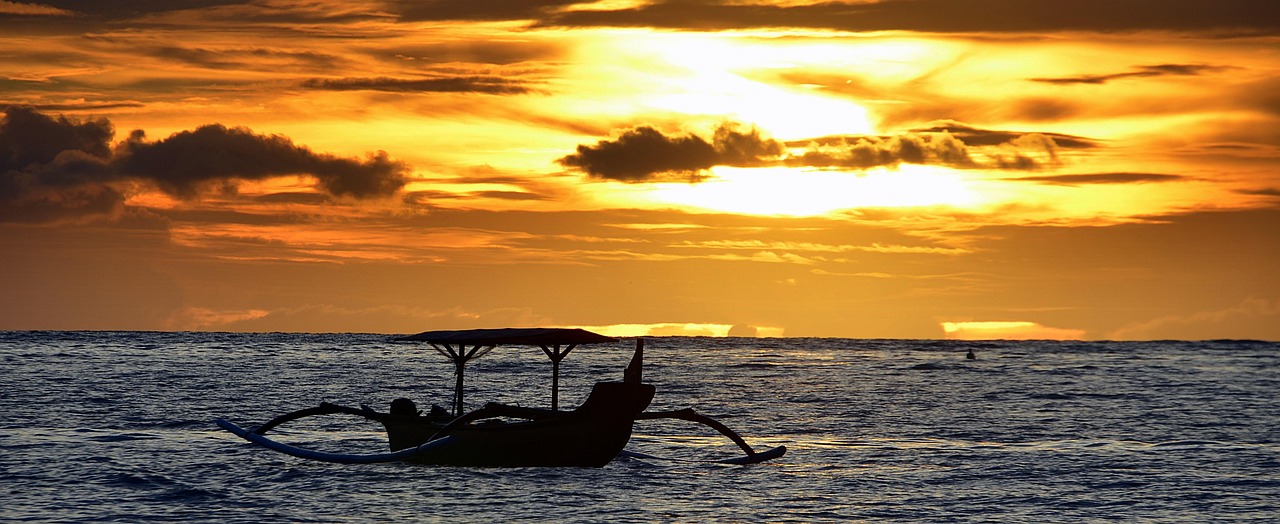
Whatever destination you pick in Palawan, island hopping is the centerpiece activity. You board a bangka (a traditional outrigger boat), your boatman navigates between islands, and you jump in and out at snorkeling spots, lagoons, and beaches throughout the day. It’s as simple and as good as it sounds.
Most shared group tours run from around 8:30am to 5pm, covering 4-5 stops. In El Nido, a shared group tour costs roughly 1,200-1,600 pesos per person, which usually includes the boatman, a guide, and basic snorkeling gear. Lunch may or may not be included , always confirm before you commit. Private boat hire gives you flexibility on timing and stops: expect to pay 4,500-7,000 pesos for the whole boat, split within your travel group.
The Palawan Council for Sustainable Development manages environmental regulations across Palawan’s protected areas, including visitor limits at certain lagoons and snorkeling sites. Some spots in El Nido require advance passes and cap daily visitors. Book early in peak season.
How Much Does a Palawan Trip Cost?
Here’s a rough daily breakdown in Philippine Pesos:
- Budget traveler (dorm, shared tours, local carinderias): 1,800-2,500 pesos per day
- Mid-range (private room, mix of group and private tours, restaurants): 3,500-5,500 pesos per day
- Comfortable (beachfront accommodation, private boat tours, good dining): 7,000 pesos and up per day
Fixed costs to build in: El Nido’s environmental fee is 200 pesos per person on arrival. Coron has separate entrance fees per island (around 100-300 pesos per site). The Puerto Princesa Underground River requires a permit (200 pesos) plus a boat fee of around 800-1,000 pesos per person. For a full cost breakdown with accommodation options at every price point, our budget Palawan guide has the detailed numbers.
Practical Palawan Travel Tips
Bring cash. El Nido has ATMs but they run dry regularly in peak season. Port Barton has none at all. Withdraw in Puerto Princesa before heading north.
Use reef-safe sunscreen. Sunscreens containing oxybenzone and octinoxate are harmful to coral reefs, and some operators will check. Stick to mineral-based sunscreen before leaving Manila.
Download offline maps. Signal drops across Palawan, especially in Balabac and Port Barton. Google Maps works offline if you download the area before you travel.
Book accommodation early. Popular guesthouses in El Nido and beachfront spots in Port Barton fill up weeks ahead during peak season (December-March). Don’t assume you can figure it out on arrival.
Pack a dry bag. Your phone will not survive the spray on a fast bangka run between islands without one. Non-negotiable.
Check the PAGASA weather service in the shoulder months before any boat-heavy day. Conditions can shift fast out on open water.
Frequently Asked Questions About Palawan
Do I need a visa to visit Palawan?
Most nationalities enter the Philippines visa-free for 30 days, with some eligible for 59 days on arrival. Check the Bureau of Immigration website for your specific country before you fly.
Is Palawan safe for solo travelers?
Yes. Palawan, and El Nido in particular, is one of the safer tourist areas in the Philippines. Standard travel sense applies: don’t flash valuables, be aware at night, and you’ll be fine. Locals are genuinely friendly and helpful to visitors.
Can I visit Palawan on a tight budget?
Absolutely. With a dorm bed, shared island hopping tours, and eating at local spots, you can do El Nido comfortably for 1,800-2,200 pesos per day all in. Even less in low season.
How many days do I need in Palawan?
Minimum four days just for El Nido: that covers Tours A, B, C, and time to explore town. Add Coron and budget at least three more. For a proper Palawan trip covering Puerto Princesa, El Nido, Coron, and Port Barton, plan 10-14 days.
Can I travel between El Nido and Coron by boat?
Yes. There’s a direct ferry that takes about 8 hours, operated by several companies. Tickets run 1,200-1,800 pesos depending on the operator and season. It’s a scenic ride through the Calamian Islands.
What’s the best island hopping tour in El Nido?
Tour A is the most popular for Big Lagoon and Small Lagoon. Tour C (Helicopter Island, Star Beach, Hidden Beach) is our pick for sheer variety. See our El Nido island hopping guide for a full side-by-side comparison of all four tours.
Do tour operators in Palawan accept GCash?
Many local operators now accept GCash, though having cash as a backup is always smart, especially in smaller villages. CMT accepts GCash for all bookings.
Book Your Palawan Trip with CMT
CMT Ticketing and Services is based right here in El Nido. We run island hopping tours, airport transfers, accommodation bookings, and transport across Palawan. Got questions about planning your trip? Message us on Facebook or send a booking inquiry and we’ll get back to you within the day.
If you want to understand the full scope of what this island has to offer, the complete beginners guide to Palawan covers every destination from north to south.