

What Actually Happens During Palawan’s Wet Season?
Let’s be direct about this: Palawan’s wet season runs from June through October, and yes, it rains. But “wet season” in Palawan doesn’t mean what most people picture. It doesn’t rain all day, every day. It rains hard for an hour or two, usually in the afternoon, then clears up. You can absolutely do island hopping, see the lagoons, and have a genuinely great trip during these months. Plenty of people do it every week.
What actually changes is the sea conditions. Swells from the southwest monsoon (locally called habagat) can make certain boat routes rough or temporarily inaccessible. Some tour sites get closed for short periods when conditions are unsafe. This is real and worth planning around. But it doesn’t make a Palawan trip impossible in June to October. It just makes it different.
The PAGASA weather service publishes daily marine forecasts for the Palawan area. Checking it the night before any boat trip is just good practice, wet season or not.
Here’s the honest version of what each month looks like for travelers.
Month-by-Month: What to Expect June Through October
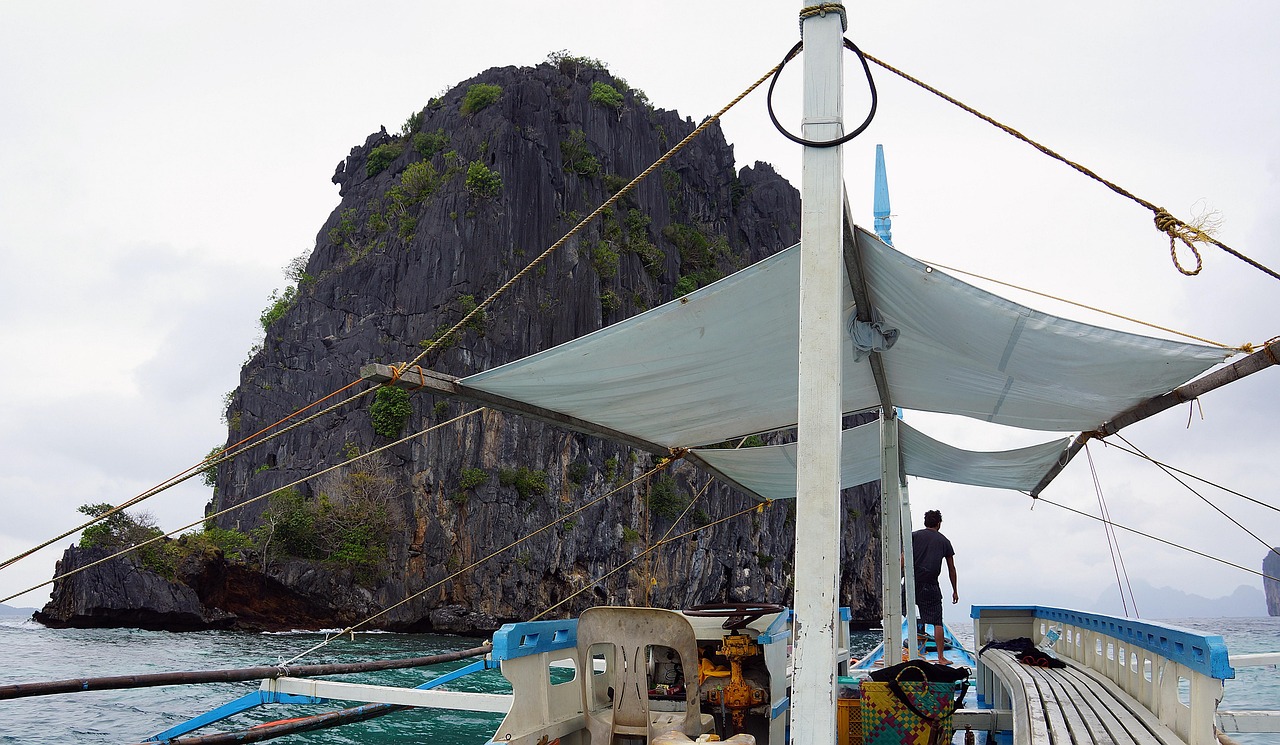
June is the start of the transition. Some days are perfectly sunny, others bring afternoon squalls. Island hopping in El Nido still runs on most days, but expect some last-minute adjustments to tour routes depending on sea conditions. Coron tends to be a bit calmer in June than El Nido. It’s a decent month to visit if your dates are flexible.
July and August are the most unpredictable months. Habagat is at its strongest, and the west-facing coasts around El Nido can get genuinely rough. Some years are fine; others see extended closures of specific tour sites for a week or more. Port Barton and Puerto Princesa tend to handle the southwest monsoon better than El Nido. If you’re visiting in July or August and El Nido is the main goal, go in with flexible bookings and no hard deadlines on activities.
September starts to ease up a bit, though it can still be unpredictable. It’s also typhoon-awareness season for the broader Philippines, though Palawan sits further from the typical typhoon belt than the Visayas or Luzon. Check PAGASA regularly if you’re planning a September trip.
October is when things genuinely start improving. Rainfall drops noticeably, the sea calms down, and you start to see the conditions that make Palawan famous. By mid-to-late October, many operators report that tours are running smoothly again most days. October is actually one of the underrated months to visit: fewer crowds than peak season, lower prices, and conditions that are usually good enough for the full island hopping experience.
The Real Benefits of Visiting Palawan in the Wet Season
Here’s what nobody tells you in the “avoid the wet season” articles: off-season Palawan has real advantages that peak-season travelers never experience.
Prices drop significantly. Accommodation in El Nido during peak season (December to February) can run two to three times higher than June to September rates. A guesthouse that charges ₱2,500 per night in January might go for ₱1,200 in August. Tour prices also soften, and operators are more willing to negotiate or throw in extras.
The crowds disappear. El Nido town in February looks like a different place from El Nido in July. The pier isn’t jammed, the lagoons aren’t packed with boats, and you’ll sometimes have beach stops almost to yourself. If you’ve ever wanted the El Nido experience without the Instagram crowd, wet season is when you get it.
The landscape is lush. The limestone karsts around the Bacuit Archipelago turn a deeper, richer green during the wet months. The hills behind El Nido town come alive. On the days it’s not raining, the scenery is genuinely more dramatic than in the dry season. Several photographers I know specifically plan their Palawan trips for October for this reason.
Accommodation is easy to get. No need to book weeks in advance. Walk-ins are common. If a guesthouse is full, the next one almost certainly has space. This kind of flexibility just doesn’t exist during peak season.
Check our budget Palawan guide for specific numbers on how much you can save by traveling in the low season.
Island Hopping in the Wet Season: What Still Runs

This is the most common question from travelers considering a wet season visit: can I actually do the island hopping tours?
The answer is usually yes, with caveats. Tour operators in El Nido run tours year-round. They cancel or modify routes when sea conditions are unsafe, but they don’t shut down for the entire wet season. On a calm day in July, you can absolutely visit Big Lagoon, Small Lagoon, and Shimizu Island. On a rough day, the same operator might redirect you to east-facing sites that are sheltered from the habagat.
Tour A (the lagoon tour) is the most weather-dependent because the lagoons are on the western side of the Bacuit Archipelago. Tour D (the cave and beach tour) tends to be more accessible in mixed conditions because several stops face east or are sheltered. Our El Nido island hopping guide breaks down exactly which stops are on each tour and how they fare in different conditions.
Coron is generally considered more manageable during the wet season than El Nido because the Calamian Islands offer more shelter. Kayangan Lake and Twin Lagoon are well-protected from southwest swells and continue operating through most of the wet season. Read our Coron travel guide for details on the specific tour routes.
Port Barton is the wet season dark horse. The island hopping routes there are shorter, the seas are more sheltered, and the atmosphere is relaxed enough that a rain day spent in a hammock feels like exactly what you came for. If you’re visiting Palawan during the wetter months, building Port Barton into your itinerary is genuinely smart. Our Port Barton guide has everything you need to plan the stop.
Where to Stay in Palawan During the Wet Season
The good news: Palawan’s accommodation doesn’t suddenly get worse in the wet season. The guesthouses, eco-lodges, and mid-range resorts are all still there. What changes is availability (much easier to get rooms) and price (noticeably lower).
In El Nido, staying in town is a better call during the wet season than staying on the outer islands. When weather rolls in, you want to be close to restaurants, shops, and tour operators rather than stuck on a small island with limited options. Our El Nido accommodation guide covers the best options at every budget.
In Coron, the town center near the pier is the practical base. Getting on and off boats is quick, you’re close to restaurants, and you can easily wait out a rain squall over coffee before heading to the dock.
If you’re set on staying at a beach resort rather than in town, focus on properties on the east coast or on sheltered bays. West-facing resorts bear the brunt of habagat winds and can feel genuinely uncomfortable during a sustained blow.
Packing for Palawan in the Wet Season
A wet season packing list looks a bit different from the standard Palawan essentials. A few additions make a real difference.
Bring a lightweight, packable rain jacket. Not a poncho, not an umbrella (useless on a boat), but a proper jacket with a hood that packs down small. You’ll want it for afternoon squalls and for boat rides when spray comes over the side.
Waterproof your electronics. A dry bag or a simple zip-lock system for your phone and camera is non-negotiable on boat days. Even in peak season it makes sense. In the wet season, it’s essential. A good waterproof phone case costs around ₱300-500 at shops in El Nido town.
Pack quick-dry clothes. Cotton stays wet for hours after a downpour. Lightweight polyester or nylon dries in 30-60 minutes. This matters more than you’d think when the afternoon rain hits and you’ve still got dinner plans.
Bring reef-safe sunscreen anyway. The sun still burns through cloud cover, especially near water where UV reflects back at you. Wet season travelers often get surprised sunburns because they assumed overcast skies meant no sun protection needed.
For a full wet-season-ready packing list, check our El Nido packing guide which includes seasonal variations.
How to Book Smart for a Wet Season Palawan Trip

The biggest mistake wet season travelers make is booking rigid, non-refundable itineraries. When your Tour A depends on calm weather and you’ve got a hard checkout at 11am the next morning, a bad forecast creates real stress. Flexibility is your most important asset during these months.
Book accommodations with free cancellation or modification when possible. This lets you extend a night in El Nido if the weather is bad on your planned tour day, or move to Coron if El Nido is getting hammered but Coron is fine.
Don’t book the last night before your flight as a tour day. Give yourself a buffer. If tours are cancelled two days in a row due to weather, you want a day in reserve rather than missing your last chance at the lagoons entirely.
Talk to your tour operator on arrival about current conditions and which routes are running. Local knowledge matters here far more than any forecast app. Operators like CMT monitor the sea daily and know which tour stops are accessible even when overall conditions are mixed. Message us on Facebook before your trip and we can give you an honest picture of what’s running during your dates.
Frequently Asked Questions: Palawan Wet Season 2026
Can you do island hopping in El Nido during the wet season?
Yes, on most days. Tour operators run year-round and only cancel when sea conditions are genuinely unsafe. Routes may be modified to avoid rough western sites, but the core island hopping experience is available most days even in July and August. The more flexible your schedule, the better your chances of hitting a good weather window.
What is the worst month to visit Palawan?
July and August are the most challenging months, particularly for El Nido. The habagat (southwest monsoon) is strongest then and west-facing tour sites see the most closures. If you must travel in July or August, consider basing yourself in Coron or Port Barton instead, as both handle wet season conditions better than El Nido.
How much cheaper is Palawan in the wet season?
Expect accommodation savings of 30-50% compared to peak season (December to March). A guesthouse that runs ₱2,500 per night in peak season may go for ₱1,200-1,500 in August. Tour prices also drop slightly, and operators are more willing to negotiate. Overall, a wet season trip can cost 30-40% less than the same trip in peak season.
Does Palawan get typhoons?
Palawan is less typhoon-prone than other parts of the Philippines because it sits outside the main typhoon belt. However, typhoons can still affect Palawan, particularly in September and October. Always check PAGASA forecasts and your accommodation’s cancellation policy if you’re visiting during typhoon season. Domestic flights to Palawan are cancelled during active typhoon warnings.
Is Puerto Princesa okay to visit in the wet season?
Yes. Puerto Princesa is one of the better wet season options in Palawan because the Underground River tour is sheltered and the city itself has more indoor options than El Nido or Coron. Rain affects the boat ride to the cave entrance, but the tour still runs on most days. Puerto Princesa is also a practical base for exploring Honda Bay, where the island hopping is generally calmer than in the Bacuit Archipelago.
Should I get travel insurance for a wet season Palawan trip?
Yes, and this applies to any Palawan trip but especially the wet season. Look for a policy that covers trip interruption, tour cancellations due to weather, and flight delays. Tour operators in Palawan do not typically refund for weather cancellations (they usually reschedule instead), but travel insurance can protect you if you have to fly home before rescheduling is possible.
What’s the best alternative to El Nido if weather is bad in the wet season?
Coron is the top alternative. It handles wet season conditions better than El Nido thanks to more sheltered bays and a stronger dive scene that’s less weather-dependent. Port Barton is another excellent backup with calmer seas and a relaxed atmosphere that actually suits a rainy day surprisingly well.
The Bottom Line on Palawan in Wet Season
Palawan in the wet season is not for travelers who need everything to go exactly to plan. But for people who travel with flexibility, a decent rain jacket, and realistic expectations, it delivers something peak season simply can’t: genuine space, lower costs, and a version of this place that feels a little less like a conveyor belt and a little more like discovery.
October in particular is worth serious consideration. The weather is improving, the prices haven’t jumped yet, and the landscape is at its most dramatic. Some of the best Palawan trips I’ve heard about happened in October.
If you’re planning a wet season visit and want honest advice on current conditions, route availability, and where to focus your time, reach out to us on CMT’s Facebook page. We’re based in El Nido and can tell you exactly what’s running during your dates.
Ready to book? Browse our Palawan tour packages, or message us on Facebook Messenger or WhatsApp (+63 998 531 5694). We usually reply within the hour, El Nido time.
[…] when the sea is rough. Check PAGASA before you travel in those months, and read our notes on the wet season in Palawan if you’re planning a shoulder […]