

Is Palawan Safe for Solo Travelers?
Short answer: yes. Palawan is one of the safest places in the Philippines for solo travel, and that includes solo female travelers. I’ve met dozens of people over the years who did their first solo trip here, and almost all of them said the same thing afterward: they wished they’d come sooner.
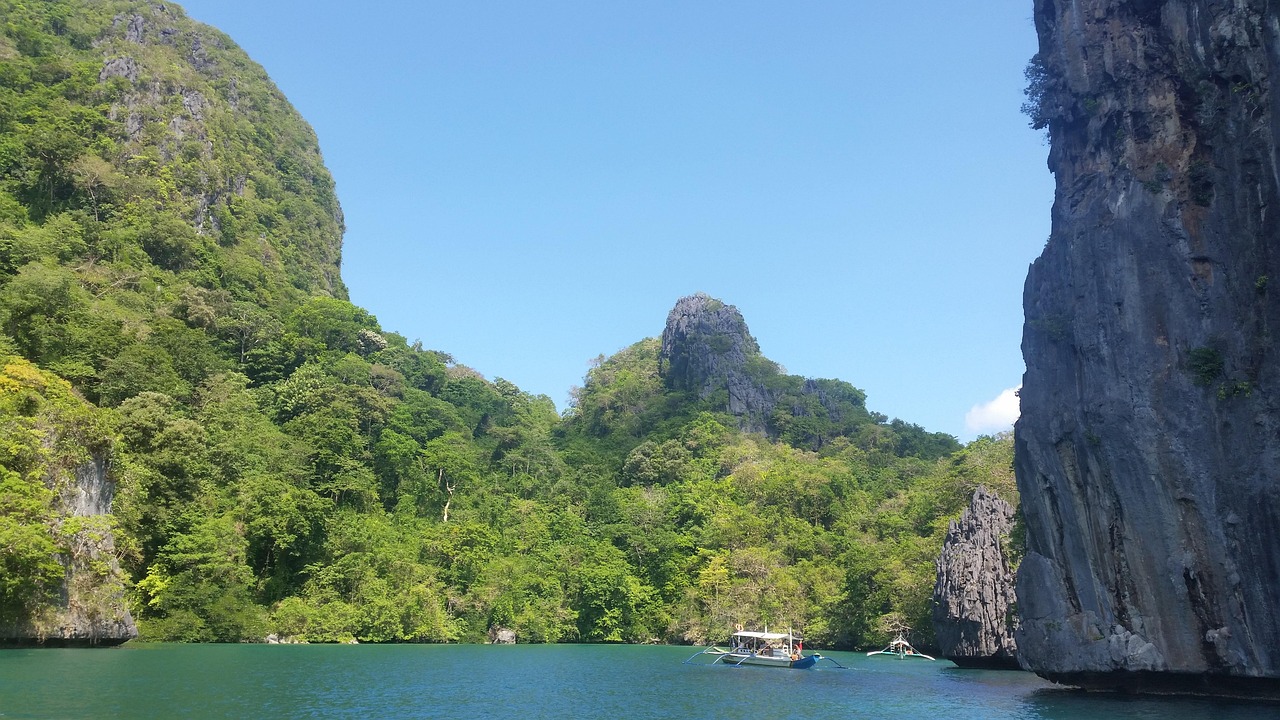
El Nido and Coron are both small, walkable towns where tourists and locals mix comfortably. Petty crime happens anywhere, but serious incidents involving tourists are rare. The bigger risk in Palawan is honestly the weather and the sea, not other people. Stay off boats when it’s rough, listen to your guides, and you’ll be fine.
That said, a few sensible habits go a long way. Keep a photocopy of your passport separate from the original. Share your itinerary with someone at home. Register with your accommodation so someone knows where you are. The Department of Tourism Philippines maintains a tourist assistance hotline at 1-800-10-TOURISM if you ever need help.
For solo female travelers specifically: El Nido town is busy enough that you won’t feel isolated, and group tours mean you’re almost never completely alone at sea. Port Barton is another great option. It’s small, the community is tight-knit, and the traveler vibe there is relaxed and social without being rowdy.
What Does Solo Travel in Palawan Actually Cost?
Here’s the thing about Palawan: it doesn’t have to be expensive. A solo traveler on a real budget can do this trip for around ₱2,500-3,500 per day all-in. A mid-range traveler spending a bit more on comfort and private tours will land closer to ₱5,000-8,000 per day.
Accommodation: Dorm beds in El Nido town start at around ₱600-800 per night. Budget private rooms go for ₱1,200-2,000. In Coron, similar range: budget guesthouses around ₱900-1,500 for a private room. Port Barton is cheaper than both: expect ₱500-1,000 for a clean basic room near the beach.
Food: Eating at local carinderias (small Filipino eateries) keeps daily food costs at ₱250-400. Tourist restaurants in El Nido town run ₱150-350 per meal. Fresh seafood at a proper sit-down place can push ₱500-700 for a meal, but it’s worth it once or twice.
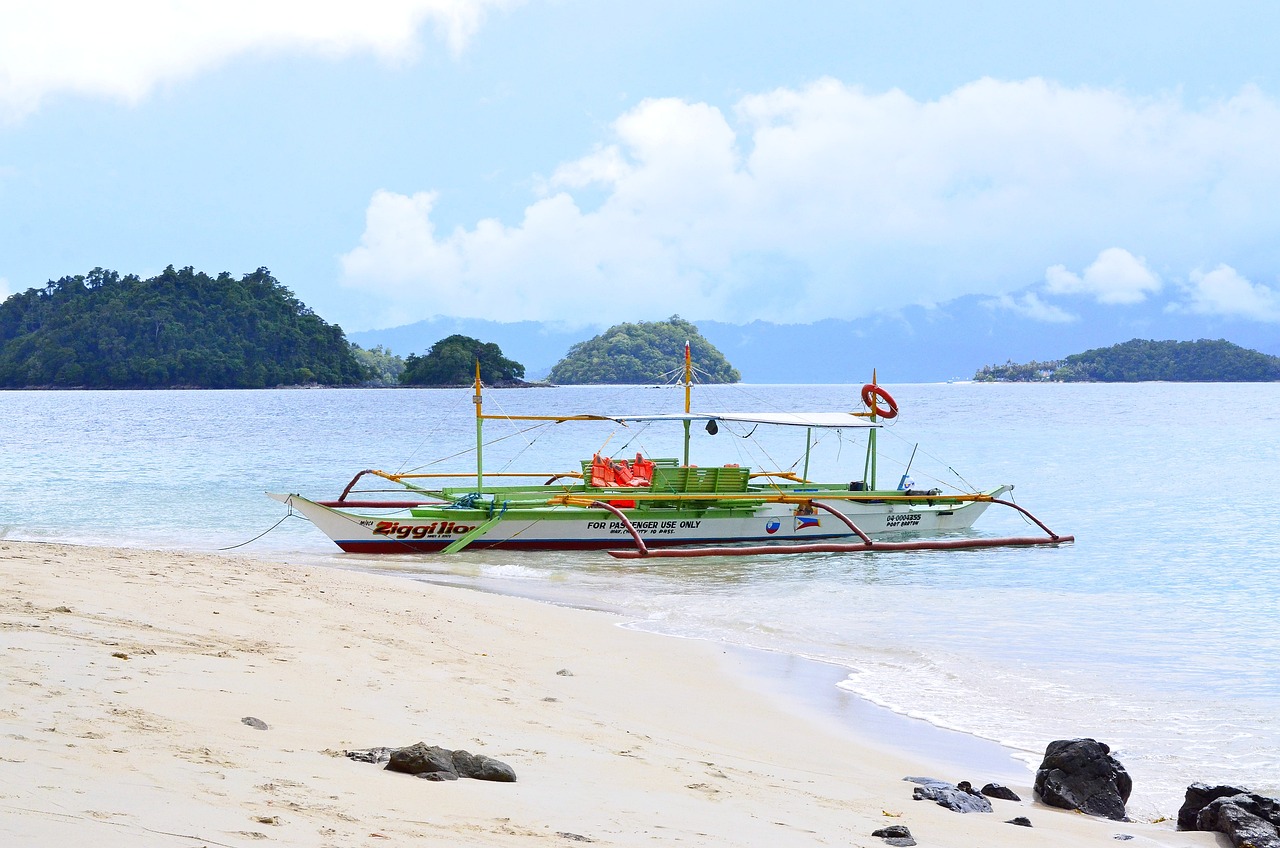
Island hopping tours: Shared group tours are the solo traveler’s best friend here. A shared Tour A or Tour B in El Nido runs ₱1,200-1,500 per person and typically includes a packed lunch. Our El Nido island hopping packages are priced for shared groups, so you pay per head and join other travelers for the day. Coron shared tours are similar, around ₱1,200-1,800 per person depending on the route.
Transport: Tricycles within El Nido town cost ₱10-20. The van transfer from Puerto Princesa to El Nido (5-6 hours) runs about ₱600-700. If you’re flying directly to El Nido via AirSWIFT, expect to pay ₱2,500-6,000 depending on how early you book.
Check our budget Palawan guide for a full cost breakdown and tips on saving money without missing out on the experience.
Getting to Palawan as a Solo Traveler
Most solo travelers fly into Puerto Princesa International Airport (airport code: PPS), which has direct flights from Manila, Cebu, and a few other Philippine hubs. From Puerto Princesa, you have two main options to reach El Nido: a 5-6 hour van ride north (shared vans cost ₱600-700 and leave from the airport area), or a direct flight to El Nido via AirSWIFT, which takes about 45 minutes.
The van ride sounds long, but honestly it’s a decent way to see central Palawan and sometimes you meet other travelers en route who end up becoming your tour companions for the week. I’ve seen it happen more times than I can count.
If you’re entering the Philippines for the first time, check the latest entry requirements at the Bureau of Immigration Philippines before you travel. Most nationalities get a 30-day visa on arrival, extendable once you’re in the country.
Our full guide on how to get to El Nido covers every transport option with current prices and tips on where to book.
Solo Travel in El Nido: The Social Hub of Palawan
El Nido is where most solo travelers spend the bulk of their time, and for good reason. The town has a strong hostel culture, shared tours run daily, and the layout is compact enough that you’ll bump into the same faces at breakfast that you saw on the boat the day before. It’s genuinely easy to meet people here.
Calle Hama, the main strip in El Nido town, is lined with restaurants, tour operators, and small shops. Everything you need is within walking distance. The downside of this convenience is that it can feel a bit touristy. If that bothers you, rent a motorbike for a day and explore the coast toward Nacpan Beach (about 45 minutes north) or Duli Beach. Both are spectacular and much quieter than the town beaches.
For the island hopping itself, solo travelers almost always join shared group tours. The boats typically carry 8-15 people, and by lunchtime on the first day you’ve usually got a group chat going and plans for dinner. Tour A covers the famous Small and Big Lagoons, Shimizu Island, and Secret Lagoon. Tour C goes to Helicopter Island, Star Beach, and Hidden Beach. Each takes a full day and runs daily from the town pier.
Insider tip: if you’re visiting between November and February (peak season), book your tours at least a day in advance because shared tours fill up fast. If you’re traveling June to October, you’ll have more flexibility but check the weather. Our El Nido weather guide breaks down exactly what to expect each month.
Solo Travel in Coron: Divers and History Buffs Welcome
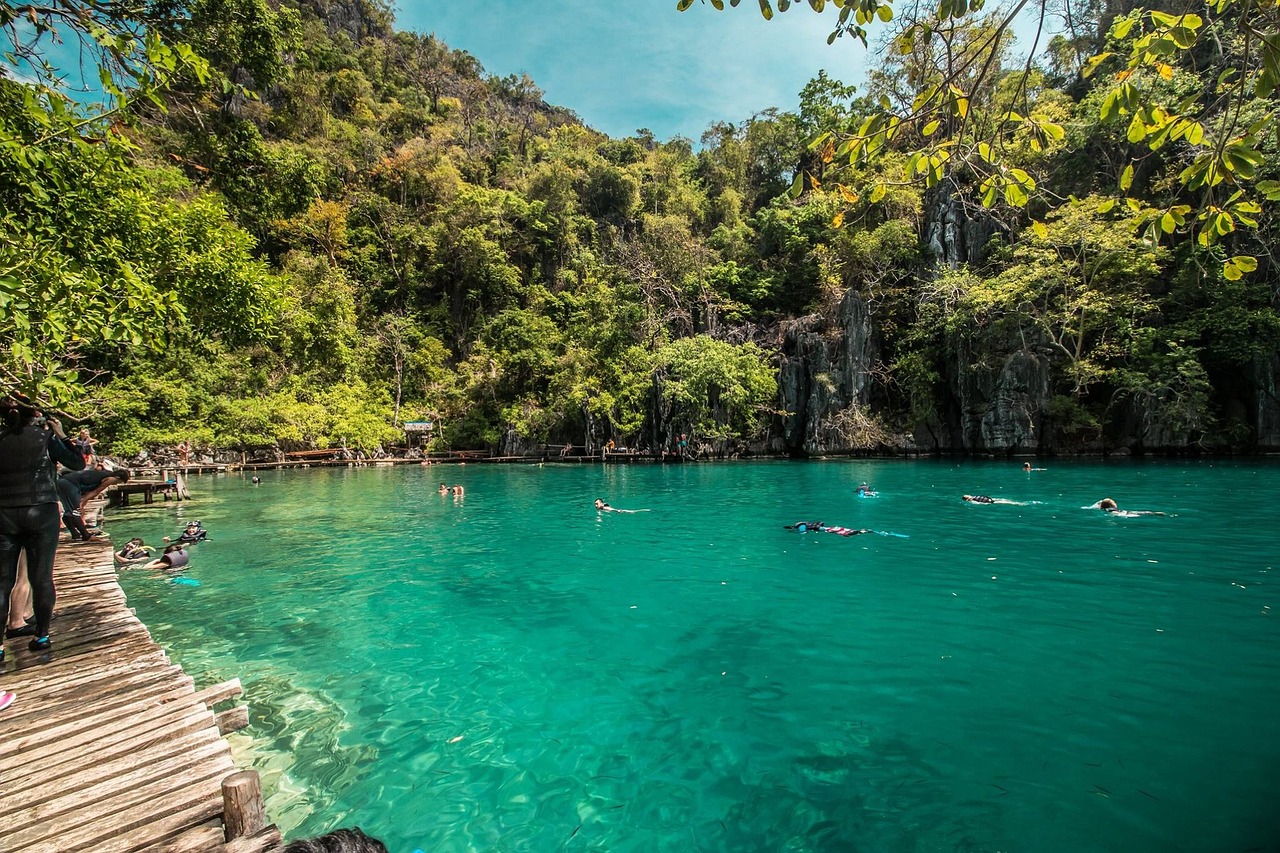
Coron is a different vibe from El Nido. It’s more laid-back, with a strong diving scene centered on the famous Japanese WWII shipwrecks in the bay. If you dive, this is one of the best wreck diving destinations in Southeast Asia. If you don’t dive, there’s still plenty to do: Kayangan Lake (consistently voted one of the most beautiful lakes in Asia), Twin Lagoon, Barracuda Lake, and the island-hopping routes through Coron Bay.
Solo travelers tend to base themselves in Coron town on Busuanga Island. The town is even smaller than El Nido and has a relaxed pace. Budget guesthouses are easy to find near the pier area. Many hostels organize shared tours directly, so you don’t need to hunt for a group: just tell the front desk what you want to do and they’ll sort it out.
The Coron Ultimate Tour (shared) visits Kayangan Lake, Twin Lagoon, Barracuda Lake, and several snorkel stops for around ₱1,200-1,800 per person including lunch. Our Coron travel guide has everything you need on what to book, where to stay, and how to get there from El Nido.
Port Barton: The Solo Traveler’s Secret Stop
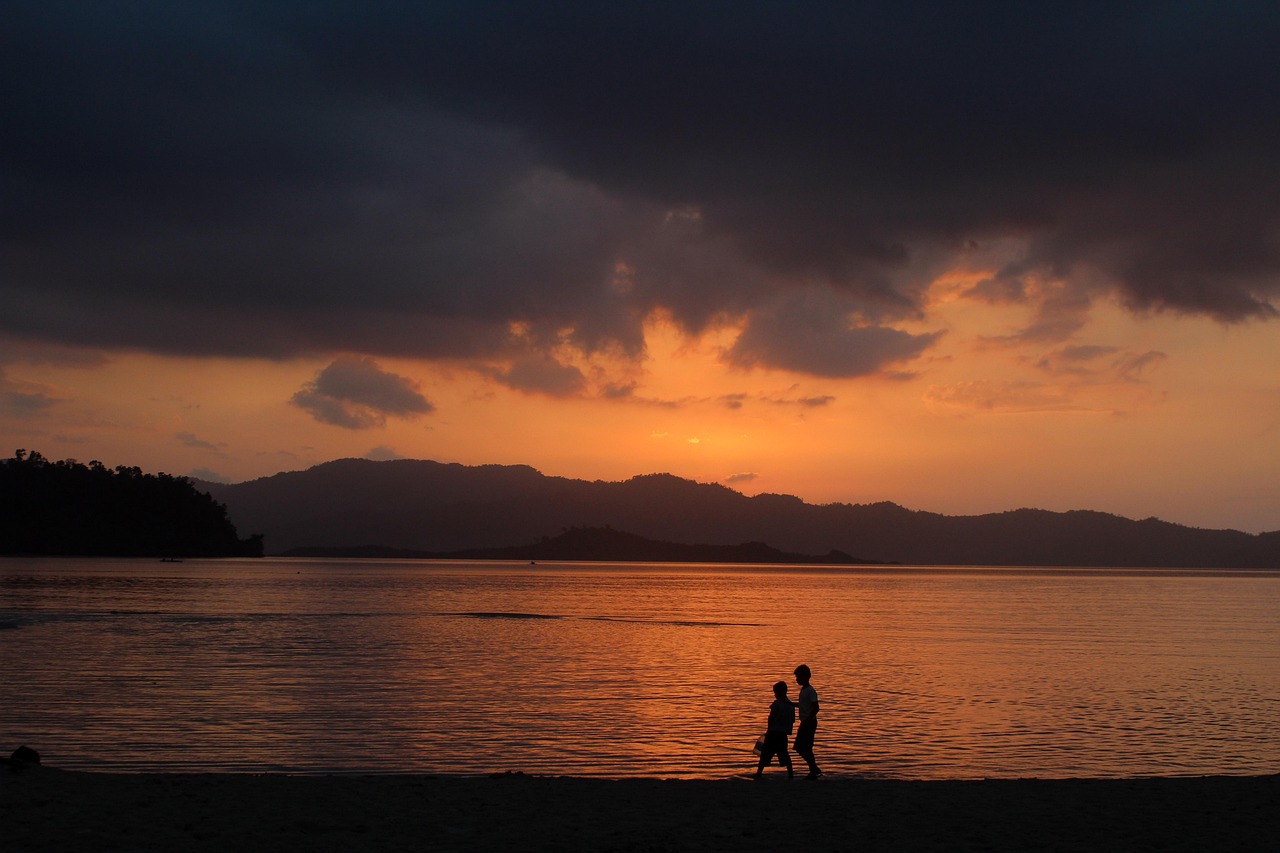
Between El Nido and Puerto Princesa sits Port Barton, a small fishing village turned low-key beach destination that most solo travelers absolutely love. It has maybe a dozen guesthouses, a handful of restaurants, no ATMs (bring cash), and one of the most relaxed atmospheres in all of Palawan.
What makes Port Barton perfect for solo travel is the scale. When there are only 50 tourists in town on any given night, you meet all of them. The nightly bonfire at the beach gets everyone together. Shared island hopping tours leave from the pier for ₱800-1,000 per person. It’s simple, cheap, and genuinely warm.
Getting there: shared vans from Puerto Princesa to Port Barton run daily (about 3.5 hours, ₱300-400). From El Nido, you’ll need to go back through San Vicente or take a private van transfer. It’s worth the extra logistics. Our Port Barton guide covers transport connections and where to stay.
Practical Solo Travel Tips for Palawan
A few things that make a real difference when you’re traveling alone in Palawan.
Carry cash. ATMs exist in El Nido town and Coron town, but they run out of cash on busy weekends and the machines sometimes go offline. Bring enough pesos from Puerto Princesa or Manila to cover a couple of days in case the ATM situation gets tricky. Smaller places like Port Barton have no ATMs at all.
Buy a local SIM card. Globe and Smart both have coverage in El Nido and Coron. Not perfect, but functional. A tourist SIM with data costs around ₱200-300 and having mobile internet makes navigation, communication, and last-minute booking much easier.
Book tours through your accommodation when possible. Many guesthouses and hostels coordinate daily shared tours and can find you a spot even if you arrive without a reservation. It’s also a natural way to meet other travelers staying at the same place.
Pack right. Solo travel means carrying your own bag everywhere, so keep it light. Our El Nido packing list is built for exactly this kind of trip: reef-safe sunscreen, quick-dry clothes, and the right footwear for climbing in and out of boats.
Check the weather before heading out on the water. Swells can pick up quickly around the Bacuit Archipelago and the Calamian Islands near Coron. The PAGASA weather service publishes daily marine forecasts, and your tour operator will also advise you if conditions aren’t safe. No photo is worth getting caught in rough seas.
Finally: solo doesn’t have to mean lonely. Palawan has one of the friendliest traveler communities of any destination in Southeast Asia. You’ll share boats, share meals, and share stories. Some of the best friendships I’ve seen start on a bangka heading toward the lagoons.
Frequently Asked Questions: Solo Travel in Palawan 2026
Is Palawan safe for solo female travelers?
Yes, Palawan is considered one of the safer destinations in the Philippines for solo female travelers. El Nido, Coron, and Port Barton are all small, tourist-friendly towns where harassment is uncommon. The usual precautions apply: stay aware of your surroundings at night, avoid empty beaches alone after dark, and trust your instincts. Most solo female travelers report feeling very comfortable here.
How much money do I need per day for solo travel in Palawan?
Budget travelers can manage on ₱2,500-3,500 per day, covering accommodation, food, and one tour. Mid-range travelers spending more on comfort and private transfers should budget ₱5,000-8,000 per day. This doesn’t include flights to Palawan, which vary widely depending on how far in advance you book.
Can I do El Nido island hopping alone?
Absolutely. Solo travelers join shared group tours daily. The boats carry 8-15 people and you’ll spend the whole day with a small group. It’s one of the easiest ways to meet other travelers. Private tours are also available if you prefer, but shared is the standard solo option.
What’s the best Palawan itinerary for solo travelers?
A classic 10-day solo route: 2 nights Puerto Princesa (Underground River day trip), 2 nights Port Barton (island hopping), 4 nights El Nido (Tours A, B, C, and D), then fly or boat to Coron for 2-3 nights. Adjust based on your pace. El Nido especially rewards an extra day or two.
Is it easy to meet other travelers in Palawan?
Very easy. The shared island hopping tours are natural social environments. Hostels in El Nido and Coron actively organize group dinners and activities. Port Barton is especially social given how small it is. Solo travel here rarely stays lonely for long.
Do I need to book tours in advance as a solo traveler?
During peak season (November to May), yes: book tours at least a day ahead. Shared tours fill up quickly, especially in El Nido. During off-season (June to October), same-day bookings are usually possible. Your accommodation can help you book if you arrive without reservations.
What’s the best way to get from Manila to El Nido as a solo traveler?
Two main options: fly Manila to Puerto Princesa (1.5 hours, from ₱1,500-3,000 one way) then take a shared van to El Nido (5-6 hours, ₱600-700), or fly directly Manila to El Nido via AirSWIFT (45 minutes, from ₱2,500-6,000). The direct flight is more convenient but pricier. The van option gives you a chance to see some of Palawan along the way.
Ready to Plan Your Solo Palawan Trip?
Solo travel in Palawan is one of those experiences that tends to exceed expectations. The scenery does its job, obviously. But it’s the ease of meeting people, the low cost of getting around, and the genuine warmth of the local communities that make it stick with you long after you leave.
If you want help putting together an itinerary, booking shared island hopping tours, or figuring out transport logistics, follow CMT on Facebook where we post daily tips, answer booking questions, and share real traveler stories from El Nido, Coron, and beyond.
Ready to book? Browse our Palawan tour packages, or message us on Facebook Messenger or WhatsApp (+63 998 531 5694). We usually reply within the hour, El Nido time.