
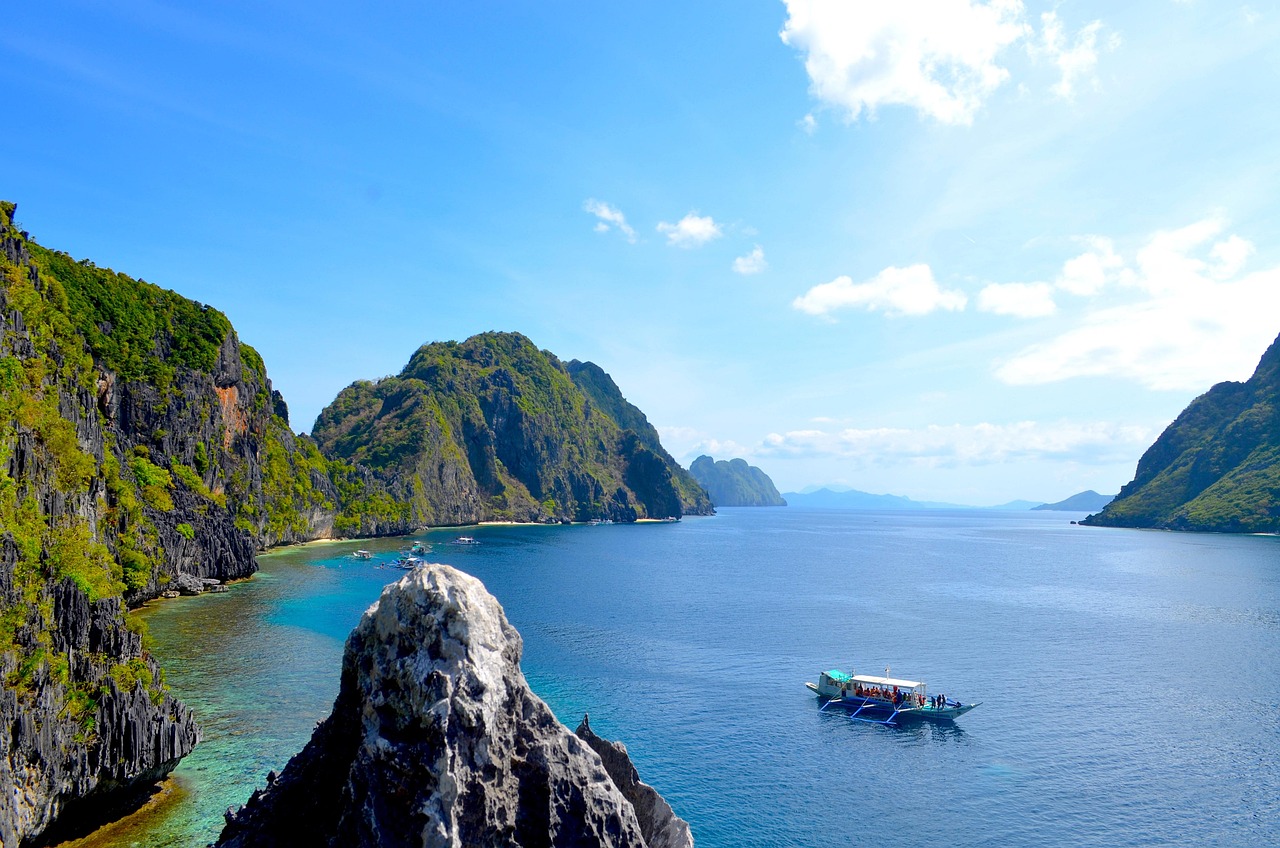
Ask any Filipino traveler why they keep coming back to Palawan and you’ll get the same answer every time: it doesn’t feel like anywhere else in the Philippines. Maybe the world. There’s something here that you can’t quite name until you’ve stood on a limestone cliff above Bacuit Bay, watched rays glide beneath a glass-calm lagoon, or hiked through forest so thick it blocks out noon sunlight completely.
That’s exactly why Palawan carries one of the most fitting nicknames in all of Southeast Asia: the Last Frontier.
It’s not just a marketing slogan. The name has roots in science, history, and the lived experience of everyone who steps foot on this island. So if you’ve ever wondered where that nickname actually comes from, and why it still holds true in 2026, let’s get into it.
Where the Nickname “Last Frontier” Actually Comes From
The phrase “Last Frontier” didn’t come from a tourism board brainstorm. It came from scientists and conservationists who studied Palawan in the late 20th century and kept finding something remarkable: the island had been left largely untouched by the rapid development and deforestation that had already consumed much of the rest of the Philippines.
While Luzon and Mindanao were losing forest cover at alarming rates through the 1970s and 1980s, Palawan held on. Its relative geographic isolation, combined with its positioning on the Sunda shelf (closer geologically to Borneo than to the rest of the Philippines), meant it developed its own distinct ecosystem, largely separated from outside pressures.
The Palawan Council for Sustainable Development (PCSD) was established in 1992 under Republic Act 7611, the Strategic Environmental Plan for Palawan. That law literally called the island the “last ecological frontier” in its preamble. So the nickname is enshrined in Philippine legislation. That’s how serious it is.
By the time international media picked it up, the name had already stuck among Filipino scientists and policymakers for a decade.
The Biodiversity That Earned Palawan That Name
Here’s where things get genuinely staggering. Palawan is home to over 600 species of birds, reptiles, and mammals, a huge portion of which are found nowhere else on Earth. Nowhere. Not in Borneo, not in Luzon, not in any other country in the world.
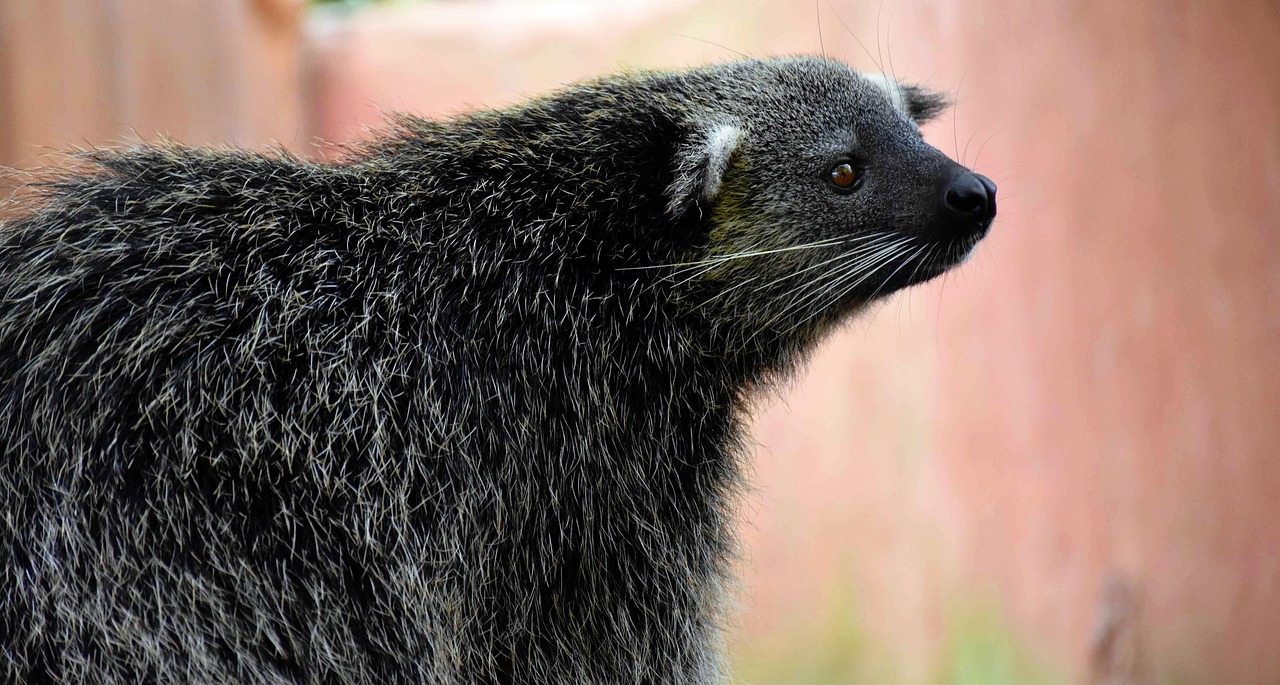
Spend a few days in the forests around El Nido or the interior of southern Palawan and you start to understand what that means. The Palawan peacock-pheasant. The bearcat (binturong). The Palawan pangolin. The cloud rat. The Puerto Princesa Subterranean River, which sits inside a UNESCO World Heritage-listed national park, provides habitat for millions of swiftlets and several bat species alongside an underground river system that’s among the longest navigable cave rivers on the planet.
The marine biodiversity is just as extraordinary. The waters of Bacuit Bay in El Nido and the Calamian Group around Coron sit within the Coral Triangle, the most species-rich marine ecosystem on Earth. You’ll find whale sharks, manta rays, sea turtles, dugong (especially in Balabac), and reef systems that marine biologists come from around the world to study.
Insider tip: if you want to increase your chances of spotting sea turtles on a snorkel stop, ask your island hopping boat captain to include the reef patches near Snake Island on Tour B. That stretch sees turtle sightings regularly, and most visitors don’t specifically ask for it.
What Makes Palawan Different from the Rest of the Philippines
The Philippines has 7,641 islands. Most of them are beautiful. So what sets Palawan apart?
Part of it is geology. Palawan lies on a separate continental shelf from the rest of the Philippine archipelago, which formed through a completely different geological process. The karst limestone cliffs that tower over El Nido formed over millions of years through coral reef accumulation and tectonic uplift. You won’t see formations like those in Cebu or Boracay because the underlying geology is entirely different.
Part of it is policy. The Strategic Environmental Plan passed in 1992 placed strict limits on large-scale mining, logging, and commercial fishing in much of Palawan’s waters and forests. That doesn’t mean zero development happened, but it created a legal framework that protected the most ecologically sensitive areas when the rest of Southeast Asia was opening up to mass extraction.
And part of it is simply timing. Tourism in El Nido only started growing significantly after the early 2010s, and parts of southern Palawan like Balabac are only now becoming accessible to independent travelers. The island’s remoteness worked in its favor for decades.
(I remember arriving in El Nido in early November years ago, before the main tourist season really kicked in. The town was quiet, the lagoons had almost no one in them, and it felt like we were seeing something genuinely rare. That feeling is still possible in Palawan if you plan right.)
The Natural Wonders That Define the Last Frontier
If you want to understand why Palawan earned its nickname, the best way is simply to visit its headline natural attractions. They don’t need much marketing because they speak for themselves.
The Puerto Princesa Underground River
The Puerto Princesa Underground River stretches roughly 8.2 kilometers through the Saint Paul Mountain Range and empties directly into the South China Sea. It’s a UNESCO World Heritage Site and one of the New Seven Wonders of Nature. The boat tour takes you into chambers so vast that your guide’s flashlight barely reaches the ceiling, past limestone formations that took hundreds of thousands of years to grow. There’s nothing casual about it.
El Nido’s Bacuit Archipelago
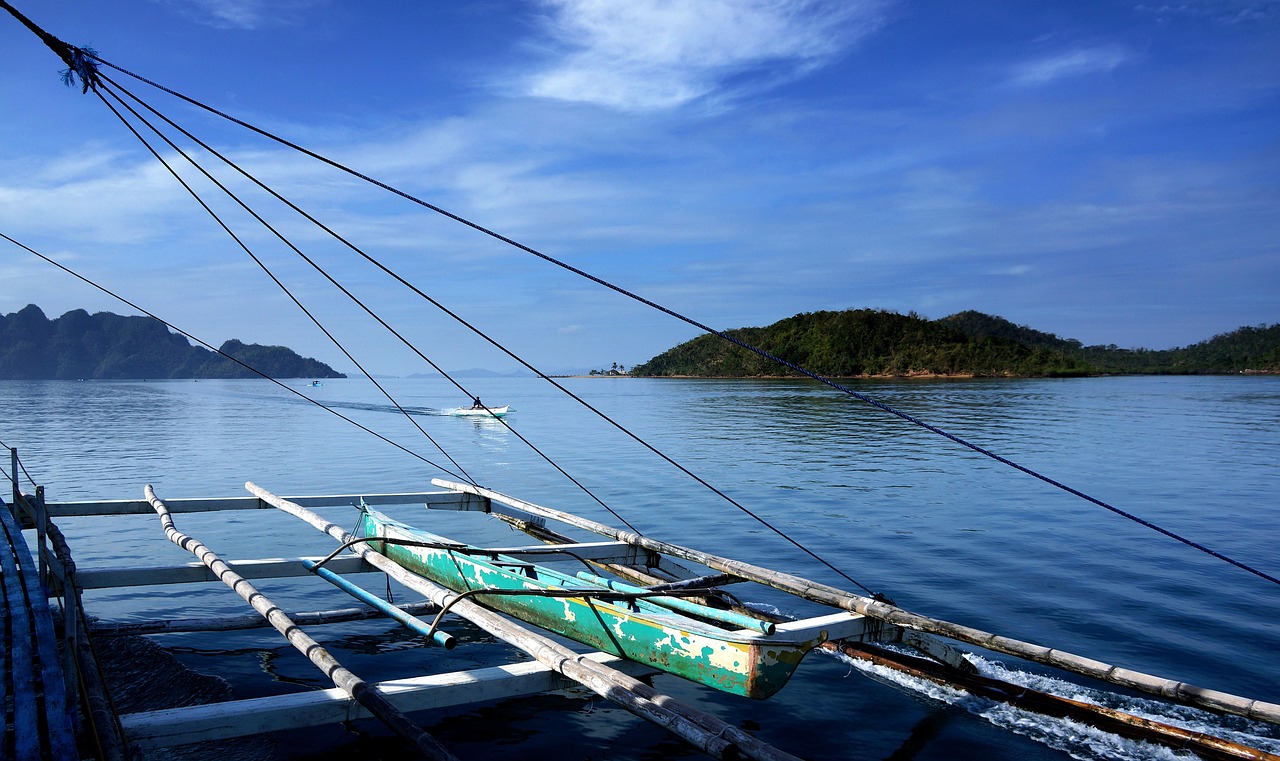
El Nido is probably what most people picture when they think “Palawan.” And the four island hopping tours (A, B, C, and D) give you access to over 45 islands and islets within Bacuit Bay, each with its own distinct character. Big Lagoon, Small Lagoon, Shimizu Island, Snake Island, Nacpan Beach. The list goes on. Boat tours typically depart at 8:30 AM and run until around 4:30 PM, with lunch included, and prices range from around ₱1,500 to ₱1,800 per person.
Coron and the Calamian Islands
Coron is a different kind of frontier experience. The main attraction is the collection of Japanese shipwrecks sunk during World War II, now among the best wreck dive sites in Asia. Add to that Kayangan Lake (considered by many as the cleanest lake in the Philippines), Twin Lagoon, and the panoramic views from Mount Tapyas, and you have a destination that rewards multiple visits. Our Coron travel guide covers all of this in detail if you’re planning a trip there.
Balabac: The Untouched South
Then there’s Balabac in southern Palawan. This is where the “last frontier” label feels most literal. Pink sand beaches, shallow turquoise sandbars, dugong sightings, and almost zero infrastructure. Getting there requires a van ride from Puerto Princesa to Bataraza (about 5-6 hours) followed by a boat transfer. It’s not easy. But that’s the point, and for travelers who make the effort, it’s unlike anywhere else in the Philippines.
Conservation Challenges in 2026: The Frontier Under Pressure
Calling Palawan the Last Frontier doesn’t mean it’s safe. The pressures of tourism growth, illegal fishing, and some poorly regulated development have all left marks, especially in areas around El Nido town and parts of Coron.
The Department of Tourism Philippines and the PCSD have pushed for stricter visitor limits and environmental impact studies for new tourism infrastructure. El Nido has a tourist environmental fee of ₱200 per visitor, and Palawan as a whole has an ecology fee of ₱150 that goes toward conservation programs.
The good news is that awareness has grown significantly among both local operators and travelers. Most licensed island hopping boats now enforce no-touch rules on coral reefs, single-use plastic restrictions are increasingly common, and community-based tourism programs in areas like Port Barton and Balabac help ensure that tourism revenue goes to local families rather than outside investors.
Insider tip: if you want your tourism spending to directly support conservation, book with local operators and guides based in the destination rather than third-party booking platforms that take heavy commissions. Ask your operator specifically how they handle waste during tours.
How to Experience the Last Frontier Responsibly
If you’re planning a trip, the first thing to sort out is timing. Palawan’s peak season runs from November through May, when seas are calm and skies are reliable. June through October brings typhoon risk and choppy water, though some months in the shoulder season can be excellent if you’re flexible.
For first-timers, a 5-day Palawan itinerary that splits time between Puerto Princesa and El Nido is a solid starting point. More time opens up Coron or Port Barton as additions. And if you want to understand the full scope of what this island has to offer, the complete beginner’s guide to Palawan covers every destination from north to south.
Before you travel, check your requirements. There are environmental fees, sometimes island-specific permits, and it’s worth reviewing the latest Palawan travel requirements for 2026 to avoid surprises at the port or airport.
The Last Frontier is still out there. But it needs travelers who are willing to treat it that way.
Frequently Asked Questions About Palawan the Last Frontier
Why is Palawan called the Last Frontier?
Palawan is called the Last Frontier because it retains one of the largest remaining tracts of original tropical forest and the most biodiverse marine ecosystems in the Philippines. The nickname was formalized in 1992 when Philippine legislation called it the “last ecological frontier” of the country.
What makes Palawan so unique compared to other Philippine islands?
Palawan’s unique geology, separate continental shelf, and stricter environmental protections have preserved a level of biodiversity found nowhere else in the Philippines. It has hundreds of endemic species, UNESCO World Heritage sites, and sea conditions that support coral systems within the global Coral Triangle.
Is Palawan still worth visiting given the growth in tourism?
Yes. While popular areas like El Nido town have developed significantly, large parts of Palawan remain genuinely remote and wild. Destinations like Balabac, Port Barton, and inland areas of southern Palawan are still very lightly visited and offer the kind of experience that’s increasingly rare in Southeast Asia.
What endemic species can you find in Palawan?
Palawan is home to several species found nowhere else on Earth, including the Palawan peacock-pheasant, Palawan pangolin, Palawan bearcat (binturong), Palawan cloud rat, and the Palawan porcupine. Marine species like the dugong are also found in Palawan’s southern waters around Balabac.
What fees do you need to pay to visit Palawan?
Visitors to Palawan typically pay a ₱150 ecology fee at the airport or port. El Nido has an additional ₱200 tourist environmental fee. The Puerto Princesa Underground River requires a separate permit and tour fee. These fees contribute to conservation and local tourism programs.
Is the Puerto Princesa Underground River really a UNESCO site?
Yes. The Puerto Princesa Subterranean River National Park was declared a UNESCO World Heritage Site in 1999 and was also named one of the New Seven Wonders of Nature in 2012. It’s one of the most visited natural attractions in Southeast Asia.
How do I get to Palawan from Manila?
There are direct flights from Manila to Puerto Princesa and to El Nido (via Lio Airport) operated by Cebu Pacific, Philippine Airlines, and AirSWIFT. Flight time to Puerto Princesa is about 1 hour 20 minutes. El Nido’s Lio Airport is served mainly by AirSWIFT from Manila and from Cebu.
Ready to Explore the Last Frontier?
CMT Ticketing and Services is a Palawan-based travel operator run by locals who know every corner of this island. Whether you’re planning island hopping in El Nido, a diving trip in Coron, or something completely off the beaten track in Balabac, we can help you put together the right trip at a fair price.
Message us on Facebook at CMT Travel and Tours to ask about packages, availability, and the best tours for your dates. We reply fast and we know our stuff.