

The first time I swam into the deep end of Barracuda Lake in Coron, I honestly thought something was wrong with me. One second the water was cool and normal. Then I kicked down maybe two metres and my legs hit something that felt like bathwater, while my shoulders were still cold. It was so strange that I came straight back up and asked our boatman if I was imagining it. He just laughed and said, “Ma’am, sir, normal po yan. Thermocline.”
That weird, layered, almost soupy water is the whole reason people come here. Barracuda Lake is not the prettiest lake in Palawan (its neighbour Kayangan Lake wins that one, easily) but it is by far the strangest, and the most memorable. And most visitors get maybe forty minutes here before the boat moves on, without ever understanding what they just swam through.
So here’s the full guide: what the thermocline actually is, what it feels like, what Barracuda Lake costs in 2026, when to go, and how to get more out of your visit than the average day tripper does.
What Makes Barracuda Lake Different From Every Other Lake in Palawan
Barracuda Lake sits inside Coron Island, the jagged limestone island you see rising out of the water across the channel from Coron town. It is not on Busuanga where the town and airport are. That confuses a lot of first timers, so it’s worth saying plainly: Coron town and Coron Island are two different places, separated by a short boat ride.
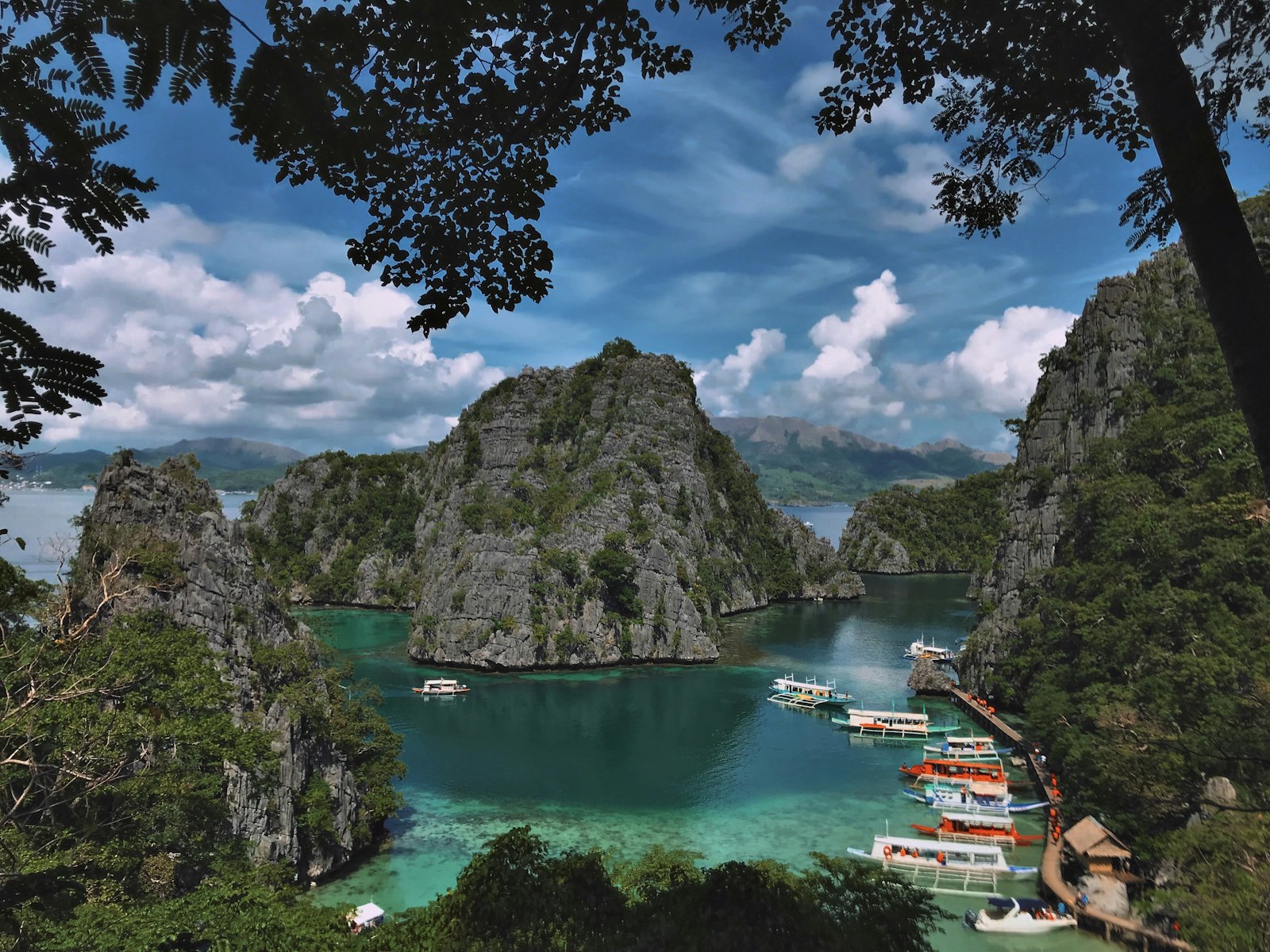
The lake is tucked behind a wall of black karst cliffs. You cannot see it from the water at all. Your boat ties up at a small wooden platform, you scramble up a short but genuinely steep rock staircase, maybe five minutes of climbing, and then the whole thing opens up below you: a still, glassy, jade coloured pool ringed by limestone spires that look like they were snapped off and stuck upright.
What makes it geologically unusual is that it’s a mixed lake. Fresh rainwater sits on top. Saltwater seeps in from below through the porous limestone. And because the lake is enclosed and barely circulates, those layers don’t mix properly. They just stack. That stacking is what creates the thermocline, and it is dramatic here in a way that almost nowhere else on earth can match.
Insider tip: the staircase up and over the karst has sharp, wet rock and a rope handrail in places. Reef shoes or any closed shoe with grip make this ten times easier than flip flops. I have watched more than one person go down hard on that climb.
The Thermocline, Explained Without the Science Textbook
A thermocline is just a boundary layer where water temperature changes sharply over a very short vertical distance. You get them in the ocean too, but they’re usually gentle, a couple of degrees, spread over many metres. At Barracuda Lake it is not gentle at all.
The top layer is fresh rainwater, and it sits at roughly 28 degrees Celsius, which feels pleasantly cool. Then at around 14 metres down there’s a sharp boundary where the water temperature jumps to somewhere near 38 degrees. That’s a shift of around 10 degrees in the space of a few metres. Divers who have been all over the world describe it as swimming into a warm bath with a clear ceiling above them.
There’s a halocline in there too, the salinity equivalent. When fresh and salt water meet without mixing, light bends differently between the layers and the water goes visibly shimmery and blurred, like looking through heat haze on a road. Snorkellers can sometimes see this from the surface on a bright day, hovering below them like a sheet of liquid glass.
Can You Feel It Without Scuba Gear?
Partly, yes. If you’re a decent snorkeller or you can freedive down even four or five metres, you’ll already start noticing the water warming up around your hands and head. The really dramatic jump sits deeper, around that 14 metre mark, which is scuba or serious freediving territory.
But here’s the thing most day trippers miss: near the rocky edges of the lake, warm water pockets sit much shallower. Swim slowly along the cliff wall on the right side as you enter, and you’ll pass through patches that go noticeably warm at barely a metre or two. It’s not the full experience, but it’s a real taste of it and it costs you nothing.
The lake is deep, around 40 metres at its deepest point, so there’s plenty below you even when the surface looks like a small quiet pond.
Where Barracuda Lake Is and How You Actually Get There
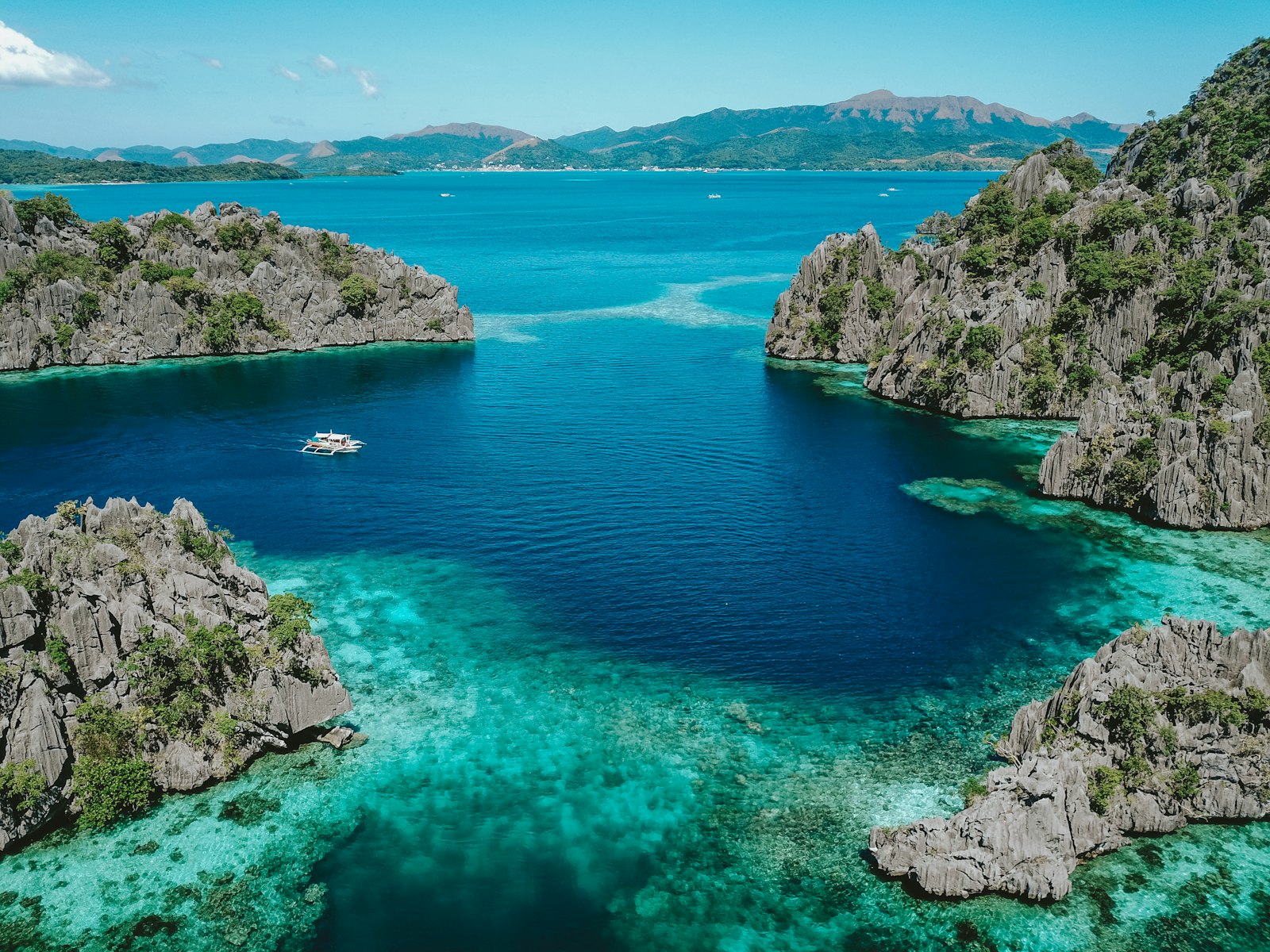
Barracuda Lake is a standard stop on the Coron Island tours that leave every morning from the town pier. The boat ride out from Coron town takes roughly 30 to 40 minutes depending on your boat and the sea state, and Barracuda usually gets bundled with Kayangan Lake, Twin Lagoon, CYC Beach and a couple of snorkelling stops. Our full breakdown of those routes is in the Coron island hopping guide.
To reach Coron in the first place you fly into Busuanga (USU) airport. Worth knowing for 2026: the direct Manila to Busuanga turboprop flights were discontinued in March 2026, so most travellers now route through Clark or Cebu. Check current schedules directly with AirSWIFT before you book anything else, because your flight day will drive your whole itinerary. We break the options down properly in how to get to Coron.
From Busuanga airport it’s roughly a 45 minute to one hour van transfer into Coron town, where nearly every hotel and dive shop sits within walking distance of the pier. If you haven’t sorted a base yet, where to stay in Coron covers the areas that actually make sense for early morning tour departures.
Insider tip: ask your operator specifically whether Barracuda Lake is included before you pay. Some cheaper joiner boats quietly drop it and only do Kayangan, because Barracuda carries its own separate entrance fee. This is one of the most common complaints we hear from travellers who booked the cheapest thing they found.
Barracuda Lake Entrance Fee and Costs in 2026
Coron runs on a lot of small separate fees, and they add up fast if nobody warned you. Here’s roughly what you’re looking at.
| Item | Approximate cost (2026) | Notes |
|---|---|---|
| Barracuda Lake entrance | around ₱200 per person | Paid at the lake, often included in tour price |
| Kayangan Lake entrance | around ₱300 per person | Usually the same day, same tour |
| Coron Island tour (joiner) | roughly ₱1,600 to ₱2,200 per person | Includes boat, guide, lunch, most fees |
| Private boat charter | from around ₱6,000 to ₱9,000 | Split between your group, worth it for 5 or more |
| Scuba dive (per dive) | around ₱1,500 plus fees | Barracuda Lake often carries a small surcharge |
| Snorkel and life vest rental | around ₱150 to ₱250 | Free with most decent operators |
Prices move, especially between peak and low season, so treat these as a planning range rather than a quote. For a full daily spend picture including food and rooms, see our Coron budget guide.
Insider tip: bring small bills. There is no card machine on a limestone cliff, and the fee collectors at the lakes rarely have change for a ₱1,000 note at nine in the morning. Break your cash in town the night before.

Snorkelling, Freediving or Scuba: Which Way to Experience It
Snorkelling
This is what 90 percent of visitors do, and it’s fine. You get the view, the cliffs, the surreal green water, and those shallow warm pockets along the wall. Expect around 30 to 45 minutes in the water before your guide waves everyone back to the boat. There isn’t much marine life, so manage your expectations: this lake is about the water itself, not the fish.
Freediving
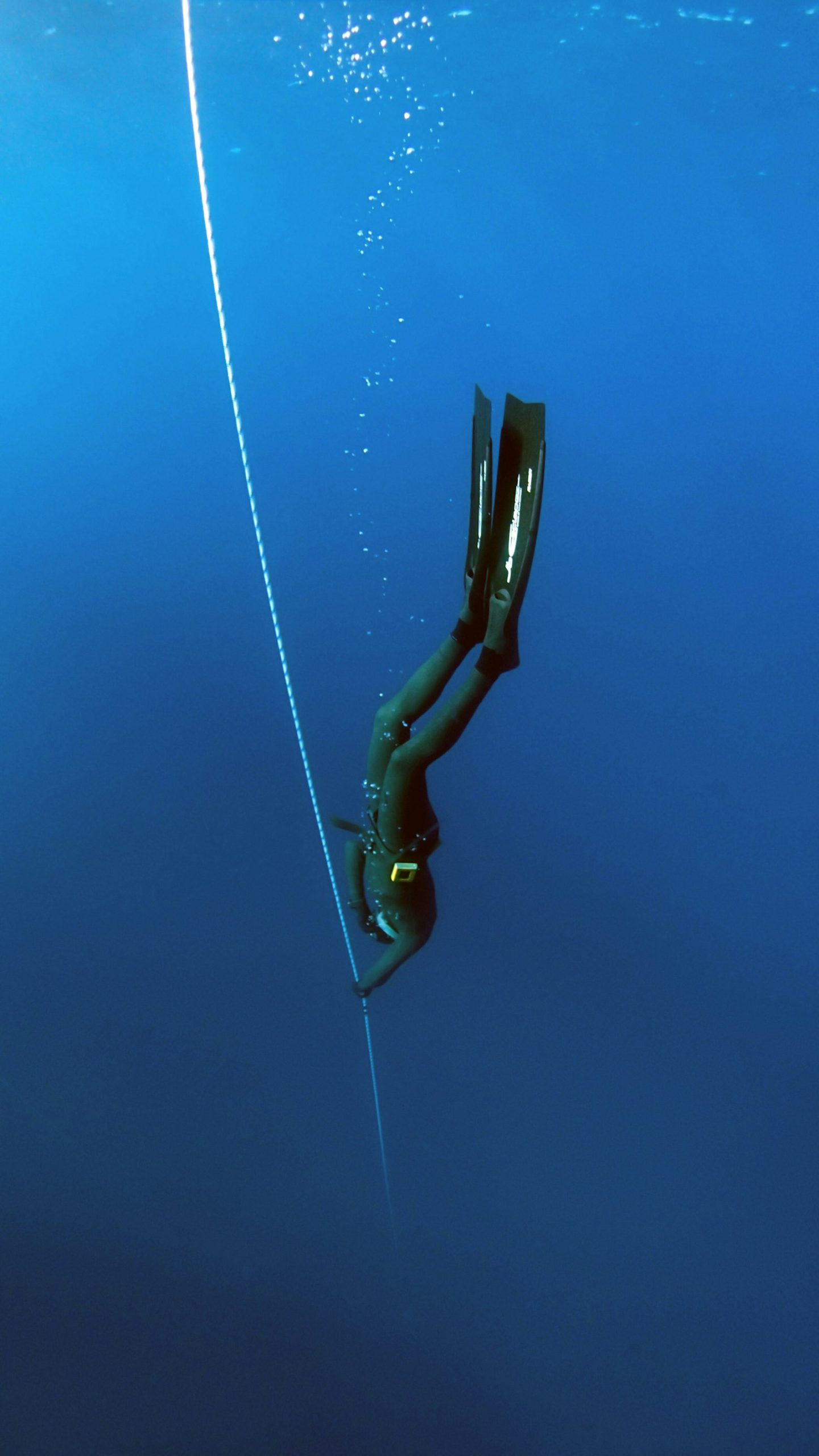
Coron has become a serious freediving destination, and Barracuda Lake is the reason. Zero current, no waves, excellent visibility and a soft silty bottom make it a near perfect training pool. If you’ve ever wanted to try freediving properly, this is a very good place to take your first course.
Scuba
Scuba is the only way to feel the full 14 metre thermocline for yourself, and divers consistently rate it as one of the weirdest dives of their lives. A word of warning that surprises people: many divers skip the wetsuit entirely here, because you will genuinely overheat below the boundary layer. Ask your dive shop what they recommend.
If you’re combining this with the famous Japanese shipwrecks, our Coron wreck diving guide covers those sites in detail. And if you’re still deciding what else to fill the week with, things to do in Coron has the wider list.
Best Time of Day and Time of Year to Visit
Go early. I cannot stress this enough. The first boats leave Coron town around 8 to 8:30am, and operators who go to Barracuda first, before Kayangan, give you the lake at its absolute best: mirror flat, empty, with the morning light coming over the karst. By 11am you’ll be sharing that little wooden platform with several boatloads of people.
Season wise, the dry months from roughly November to May give you the calmest crossings and the best visibility. June through October is the southwest monsoon, and while it certainly doesn’t rain all day every day, boat trips do get cancelled when the sea gets rough. Check the forecast and any active warnings with PAGASA before you commit to a fixed date.
Ever wondered why the lake looks a different colour in photos? Light angle. Mid morning sun turns it that famous deep jade. Overcast days flatten it to a dull grey green, which is the honest reason some people come back saying it was underwhelming.
What to Bring, and What to Leave on the Boat
- Reef shoes or grippy sandals for the rock staircase
- A dry bag for your phone, since there is nowhere dry to put anything up there
- Reef safe sunscreen only, applied well before you swim
- Small peso bills for entrance fees
- Drinking water, because that climb in the heat is no joke
Leave your big luggage, spare clothes and anything valuable on the boat. There are no lockers, no shade to speak of, and the platform gets crowded. Our Palawan packing guide goes deeper on the gear that actually earns its space in a bag.
Respect the Lake: This Is Tagbanua Ancestral Land
This part matters and almost no tour briefing mentions it. Coron Island is the recognised ancestral domain of the Calamian Tagbanua people, and the lakes here are not simply tourist attractions to them. They hold spiritual significance. The Tagbanua name for Barracuda Lake is Luluyuwan, and the old stories describe it as home to giant barracuda, which is where the English name traces back to along with a large barracuda skeleton reportedly found in the lake years ago.
Several parts of Coron Island remain closed to visitors entirely, at the community’s request, and that is their right. When you pay your entrance fee you are paying a community that has fought long and hard for legal control of its own land. So follow the rules, don’t touch or climb on the formations, take your rubbish back with you, and be gracious about it. The Philippine Department of Tourism promotes responsible travel practices across the region, and you can read more at tourism.gov.ph.
Is Barracuda Lake Worth It?
Yes, but for the right reason. If you’re expecting a coral reef teeming with fish, you will be disappointed. If you show up curious about a genuinely rare natural phenomenon, one that you can feel with your own skin rather than just photograph, Barracuda Lake in Coron delivers something no beach in Palawan can. Go early, take your time along the warm wall, and actually stop to notice the layers instead of racing for a photo.
Frequently Asked Questions
How much is the Barracuda Lake entrance fee in 2026?
Around ₱200 per person, paid at the lake itself. Most organised Coron Island tours already include it in the package price, but always confirm with your operator first.
How deep is Barracuda Lake?
Roughly 40 metres at its deepest. The sharp thermocline where the water temperature jumps sits at about 14 metres down.
How hot does the water actually get?
The surface layer sits around 28 degrees Celsius. Below the thermocline it climbs to somewhere near 38 degrees, which is close to a hot bath.
Can you swim in Barracuda Lake without diving?
Yes. Snorkelling is allowed and it’s what most visitors do. You’ll feel warm pockets near the rocky edges even in shallow water, though the dramatic layer is deeper.
Is Barracuda Lake better than Kayangan Lake?
Different, not better. Kayangan is the more photogenic of the two with clearer water and the famous viewpoint. Barracuda is the stranger, more interesting swim. Most tours include both, and that’s the right answer.
Are there actually barracuda in the lake?
No, not any you’ll meet. The name comes from local stories and a barracuda skeleton found there. The lake has very little marine life today, mostly small shrimp and a few catfish.
How long do tours spend at Barracuda Lake?
Usually 30 to 45 minutes in the water. If you want longer, a private boat charter lets you set your own pace and beat the crowds.
Ready to See It for Yourself?
CMT Ticketing and Services runs Coron Island tours that include Barracuda Lake, Kayangan Lake and Twin Lagoon, with early departures so you get the lakes before the crowds arrive. Browse our Coron travel packages or message us on Facebook Messenger for a quick quote and same day booking confirmation.