

Best Time to Visit Japan 2026: A Month-by-Month Guide for Filipino Travelers
Ask ten Filipinos about the best time to visit Japan and nine of them will say cherry blossom season. And look, the sakura are beautiful. But that answer is also the most expensive, most crowded, hardest-to-book answer available, and for a lot of travelers it’s simply the wrong one.
Here’s the thing about Japan: it’s the rare country where every single month genuinely works, as long as you know what you’re signing up for. A February trip to Hokkaido and a November trip to Kyoto are two completely different holidays, both excellent, and one of them costs about half as much as sakura season.
So this guide goes month by month. Real weather, real crowd levels, real peso figures, and the specific quirks Filipino travelers keep getting caught out by. We book Japan trips for clients out of El Nido and Manila every year, and the questions are always the same ones.
The Short Answer, If You Only Read One Paragraph
For most first-time Filipino travelers, late October through early December is the sweet spot: comfortable 12°C to 20°C weather, autumn colours, manageable crowds, and flights well below sakura-season prices. Late May and early June come a close second, right after Golden Week ends and before the rains settle in. If your heart is set on cherry blossoms, aim for the last week of March through the first week of April and book six to eight months out.
The worst times to arrive without planning? Golden Week in late April and early May, the Obon week in mid-August, and the New Year stretch from 29 December to 3 January. Not because Japan is unpleasant then, but because the whole country is travelling at once and prices follow.
Japan’s Seasons at a Glance
| Season | Months | Typical Tokyo Temps | Crowds | Manila Return Airfare |
|---|---|---|---|---|
| Winter | Dec to Feb | 3°C to 12°C | Low (except New Year) | ₱13,000 to ₱25,000 |
| Spring | Mar to May | 10°C to 23°C | Very high (sakura, Golden Week) | ₱25,000 to ₱45,000 |
| Summer | Jun to Aug | 24°C to 32°C | Medium, high during Obon | ₱14,000 to ₱28,000 |
| Autumn | Sep to Nov | 15°C to 27°C | Medium, rising in late Nov | ₱15,000 to ₱26,000 |
Airfares above are rough return-trip ranges for Manila to Tokyo or Osaka booked two to four months ahead. Book inside three weeks of departure and you can throw those numbers out the window. For the full breakdown of what a trip actually costs once you add hotels, trains and food, see our guide to the real Japan trip cost from the Philippines.
January to March: Snow, Cheap Hotels and Almost No Queues

January
The first three days of January are a national shutdown. Families go home, shrines fill up, and plenty of restaurants and small shops close until the 4th or 5th. After that, January flips into one of the quietest and cheapest months of the year.
Tokyo sits around 5°C to 10°C in the day and drops near freezing at night. It’s dry and often brilliantly clear, which is why January and February give you the best odds of actually seeing Mount Fuji from a distance instead of a wall of haze.
For Filipinos, this is also the first real cold most of us have ever felt. Bring proper layers, not one thick jacket. The trains, malls and restaurants are heated to the point of sweating, so you want things you can take off.
Insider tip: Mid-January is when Japanese winter sales (fukubukuro season is early January, then the clearance runs) hit their deepest discounts. If shopping is part of the plan, the second and third weeks of January beat December by a wide margin.
February
Coldest month of the year, and honestly one of the most underrated. The Sapporo Snow Festival runs for about a week in early February at Odori Park, and Hokkaido’s ski season is at its best. Nozawa Onsen, Hakuba and Niseko all have deep, reliable snow.
Down in Honshu, plum blossoms start opening late in the month. They look a lot like cherry blossoms to the untrained eye, they smell better, and roughly nobody flies in for them. That’s the trade.
Flights from Manila are usually at their yearly floor in late January and February, outside the Chinese New Year window. Hotel rates in Tokyo and Osaka can run 30 to 40 percent below April levels.
March
March is a month of two halves. The first two weeks are still cool and quiet, around 10°C to 15°C. Then, somewhere around the 20th to the 25th in Tokyo, the cherry blossoms open and the whole country changes gear.
Sakura timing shifts every year with the winter temperatures, so nobody can promise you a date in advance. Tokyo usually peaks in the last few days of March or the first days of April, Kyoto trails Tokyo by two to four days, and Hokkaido doesn’t bloom until late April or early May. The Japan Meteorological Agency and the major forecasting services release their first predictions in January, so check before you lock anything in with the Japan Meteorological Agency.
Insider tip: If you want sakura without the gamble, book Kyoto or Tokyo for the very last days of March and stay at least six nights. A six-night window almost always catches some part of the bloom, even in a year that runs early or late. A three-night trip is a coin flip.
April to June: Sakura, Golden Week and the Rain That Follows
April
The most photographed month in Japan, and the most expensive. Early April is peak sakura across Tokyo, Kyoto, Osaka and Hiroshima. Temperatures are lovely, roughly 12°C to 19°C, and every hanami spot from Ueno Park to the Philosopher’s Path is packed.
Understand what you’re buying, though. Hotel rates in Kyoto can double during bloom week. Popular ryokan sell out eight to ten months in advance. Flights from Manila that cost ₱16,000 in November go for ₱35,000 and up.
Then from 29 April, Golden Week begins. In 2027 the calendar sets up like this: Shōwa Day falls on Thursday 29 April, and Constitution Day, Greenery Day and Children’s Day run Monday to Wednesday, 3 to 5 May. Take one day of leave on Friday 30 April and you get a seven-day break, which means a huge share of Japan’s own population is on the move.
May
Once Golden Week clears, roughly from 7 May onwards, May turns into one of the finest travel months in the whole calendar. Warm but not humid, around 18°C to 24°C, long daylight hours, green everywhere, and the crowds have gone back to work.
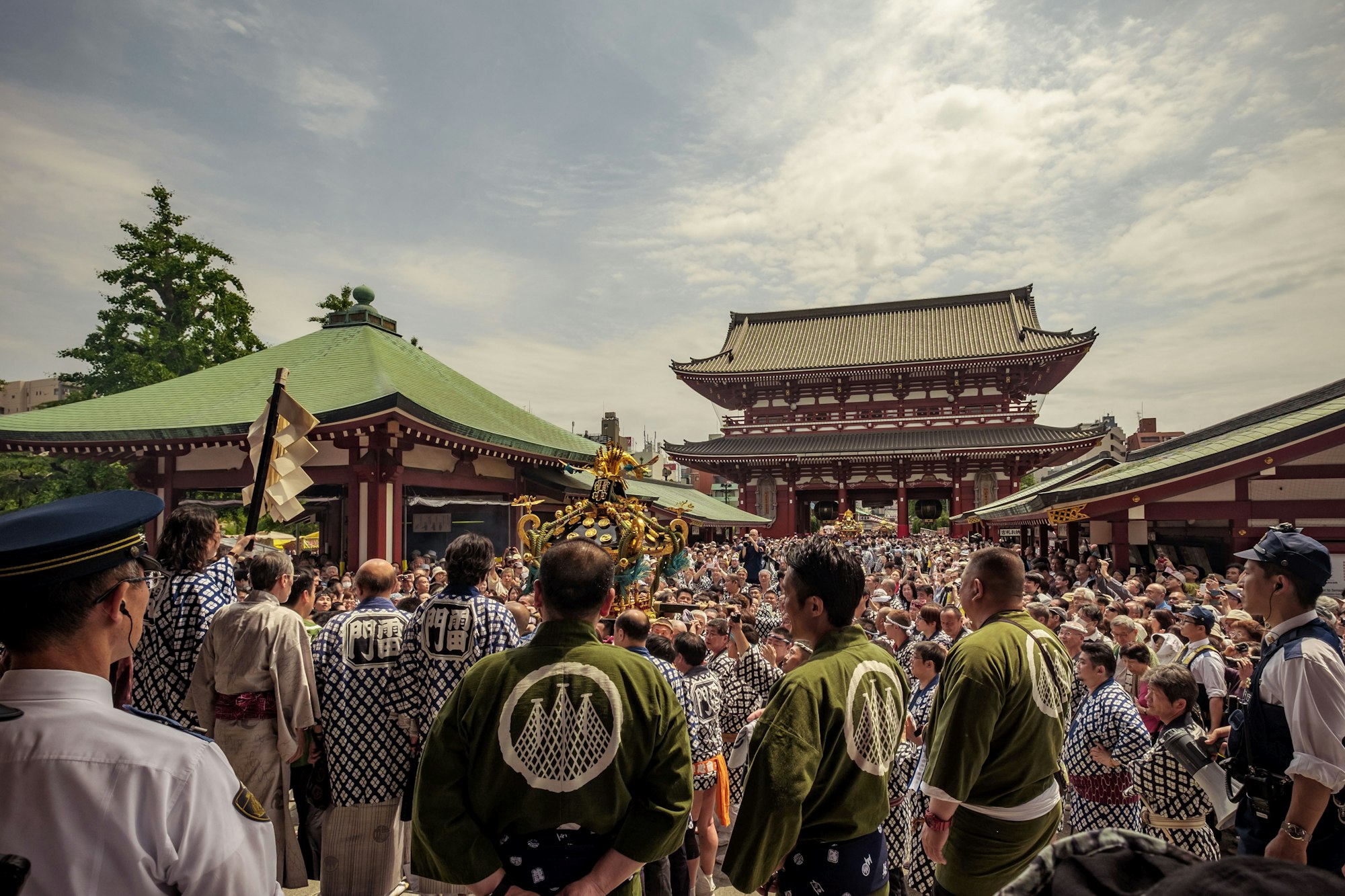
Sanja Matsuri takes over Asakusa on the third weekend of May, with portable shrines carried through the streets and genuinely enormous crowds. It’s free, it’s loud, and it’s one of the most memorable things you can stumble into in Tokyo.
Insider tip: The second and third weeks of May are the single best value window in spring. You get near-perfect weather at autumn prices. We push clients towards this window more than any other, and almost nobody asks for it unprompted.
June
Tsuyu, the rainy season, arrives in most of Honshu in early to mid-June and runs into mid-July. It isn’t monsoon rain the way we know it in Palawan. It’s grey skies, high humidity and showers that come and go, not a week of downpour.
Two things worth knowing. First, Hokkaido essentially skips tsuyu, so June is a genuinely excellent month up north. Second, June is often the cheapest month of the year to fly from Manila, and hydrangea season in places like Kamakura is spectacular in the wet.
If you’re travelling in June, pack the same way you would for a Philippine wet season trip, plus a light layer. Our full Japan travel guide for Filipinos has a more detailed packing list by season.
July to September: Heat, Festivals and Typhoon Watch
July
Rainy season lifts in mid-July and summer arrives properly. Tokyo hits 30°C to 33°C with humidity that will feel oddly familiar to anyone from Manila, except there’s less shade and far more walking.
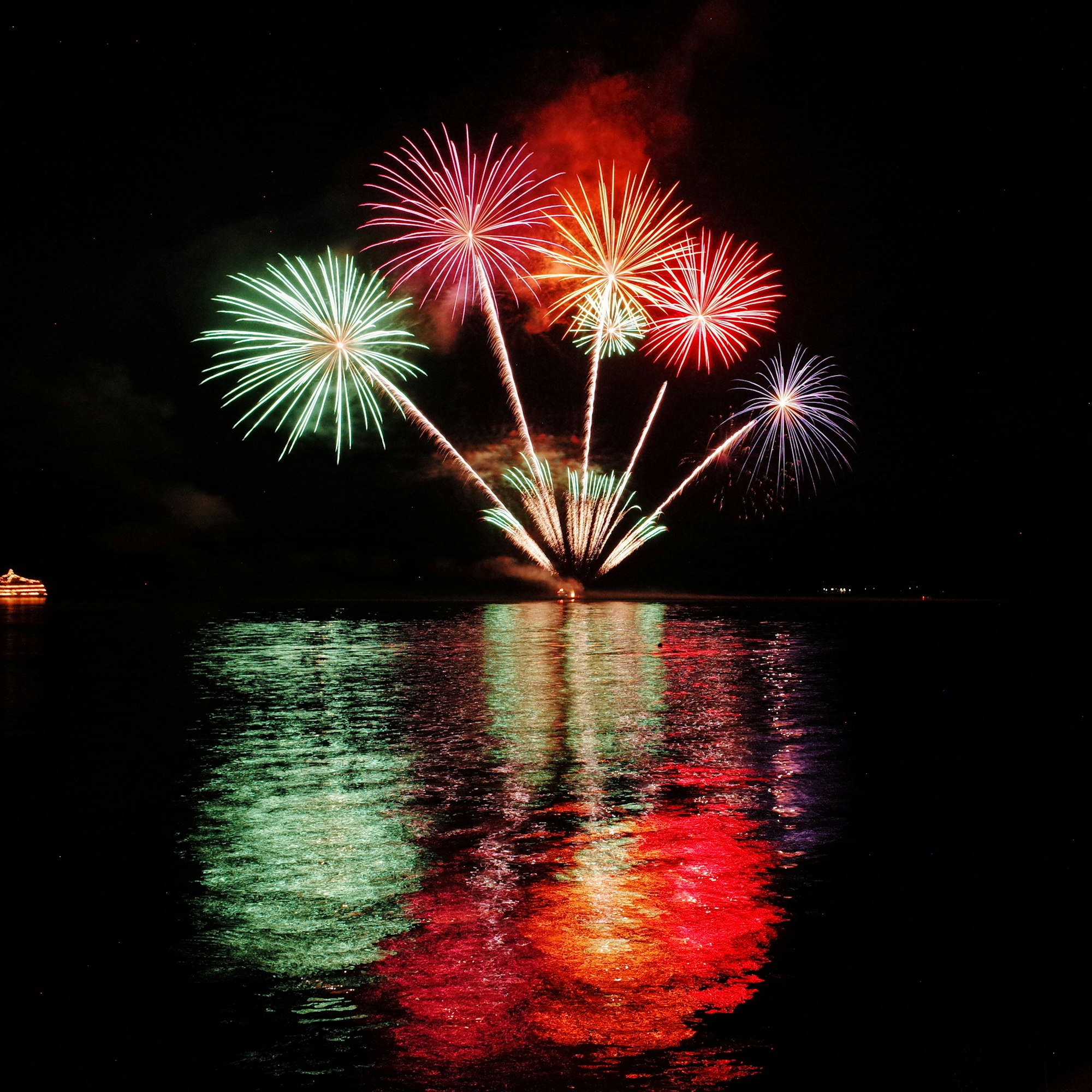
The upside is festival season. Kyoto’s Gion Matsuri runs through the whole of July, with the big float processions in the middle of the month. Fireworks festivals start up across the country, and evening street food stalls appear everywhere.
July also opens Mount Fuji’s climbing season. For 2026, the Yoshida Trail ran from 1 July to 10 September, with a mandatory ¥4,000 entry fee across all four trails, a daily cap of 4,000 climbers on Yoshida, and no trail entry between 2pm and 3am unless you’ve booked a mountain hut. Rules like these change year to year, so confirm before you plan a climb.
August
The hottest month, full stop. Tokyo, Osaka and Kyoto routinely push past 35°C, and heat exhaustion is a real risk if you try to walk a full temple itinerary at midday.
Obon, the ancestral holiday, falls around 13 to 16 August. Domestic trains and flights sell out, shinkansen reserved seats go fast, and hotel prices spike for about a week. Plan around it or accept the cost.
August is also peak typhoon season. Storms that form in the Philippine Sea often track north towards Japan, and Okinawa and Kyushu take the worst of it. Flight cancellations happen. This is the month where travel insurance stops being optional, and the same logic we lay out in our travel insurance guide applies just as much to a Japan trip.
Insider tip: If you must travel in August, go north. Hokkaido in August sits around 24°C to 27°C with low humidity and lavender fields in Furano. It’s the same country, a completely different experience.
September
Early September is still hot and still inside the typhoon window. But from around the third week, the heat breaks, and the back half of September becomes a quietly excellent time to travel.
There’s a cluster of public holidays in September, sometimes close enough together to form a long weekend the Japanese call Silver Week, so domestic travel briefly picks up. Outside those few days, sites are calm and prices are soft.
Hokkaido’s autumn colours begin in late September, weeks before anywhere else. If you want foliage without the November crowds, that’s your window.
October to December: The Months Most Filipinos Overlook
October
If we had to hand one month to a first-timer with no particular agenda, it would be October. Tokyo runs 16°C to 23°C, skies are clear, typhoon risk is fading, and the summer crowds are gone.
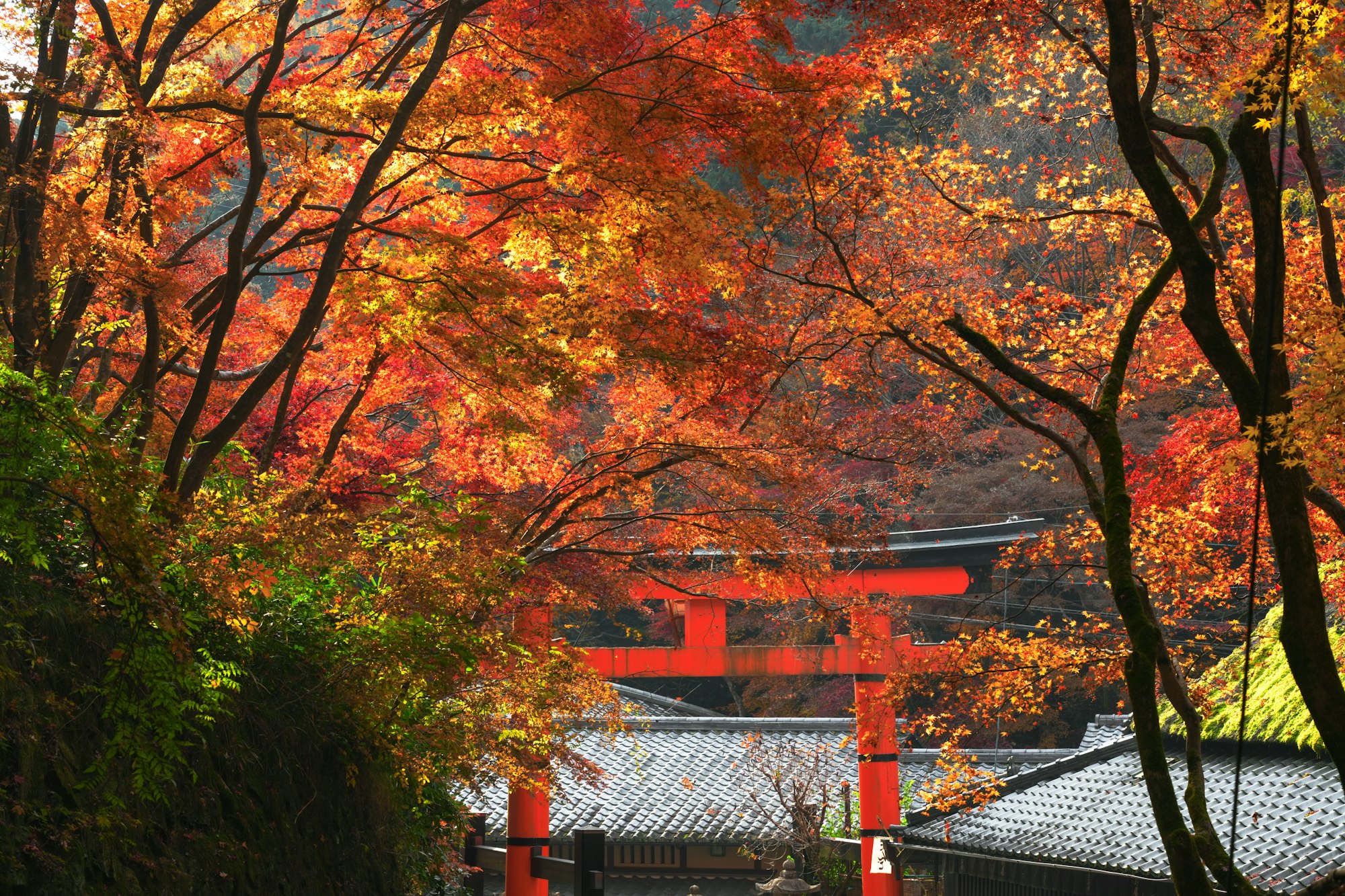
Autumn colours sweep down from Hokkaido through Tohoku and into the Japanese Alps during October. Nikko, Kamikochi and the Kurobe Gorge all hit their stride. Kyoto and Tokyo are still green, which is exactly why October stays affordable while November doesn’t.
Ever wondered why so many travel photos look effortless? It’s usually October light.
November
Koyo season proper. Kyoto’s maples turn somewhere between mid and late November, and temples like Tofuku-ji and Eikan-dō run special evening illuminations that are worth the queue.
Crowds and prices climb through the month, though they never reach April levels. Early November is calm and affordable. The last ten days of November in Kyoto are close to sakura-season busy, so book accommodation early if that’s your target.
Weather is crisp, around 11°C to 18°C in Tokyo, which most Filipinos find perfect: cold enough to feel like a proper change, not cold enough to need serious gear.
December
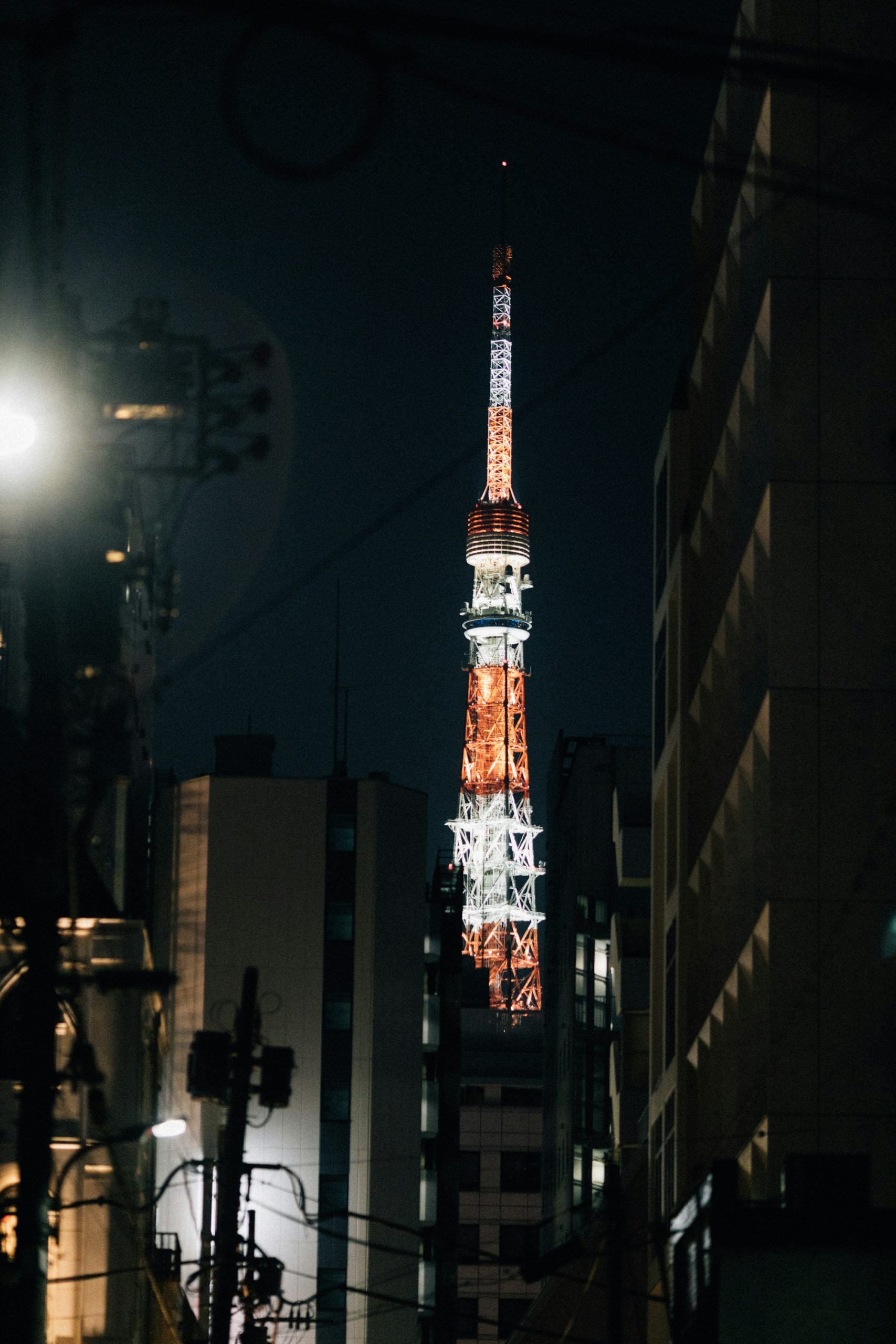
Split the month in two. From the 1st to roughly the 23rd, December is quiet, cold and cheap, with winter illuminations lighting up Roppongi, Shibuya and Osaka’s Midosuji. Ski resorts start opening. It’s a fine, low-stress time to be there.
From 24 December to 3 January, everything changes. Domestic travel peaks, prices jump, and much of the country shuts for New Year. Flights from Manila are at their most expensive because Filipino holiday travel peaks at exactly the same time.
Insider tip: A 10 to 20 December trip gives you the illuminations, the winter food, early ski snow in Nagano, and airfares roughly ₱10,000 to ₱15,000 cheaper per person than the same trip departing 26 December. That’s a meaningful gap for a family of four.
Pick Your Month Based on What You Actually Want
| What you want | Best months | Avoid |
|---|---|---|
| Cherry blossoms | Late Mar to early Apr | Any other month, honestly |
| Lowest total cost | Late Jan, Feb, Jun | Late Mar to early May, late Dec |
| Autumn colours | Mid to late Nov (Kyoto), Oct (Alps) | Jul to Aug |
| Snow and skiing | Jan to Feb | Apr to Nov |
| Best all-round weather | Mid May, Oct | Aug |
| Fewest crowds | Early Dec, mid Jan, Jun | Golden Week, Obon, New Year |
| Festivals | Jul (Gion), Aug (fireworks), May (Sanja) | Jan to Feb |
What Filipino Travelers Need to Time Around
Work backwards from the visa, not the flight
Philippine passport holders still need a visa for Japan. Since 15 May 2026, qualified applicants based in the Philippines can apply through the Japan eVISA system, but only if they’re travelling on an organised package tour. Independent travelers, business visitors and those visiting relatives still go through the Japan Visa Application Centre run by VFS Global.
The package-tour eVisa route also cuts the paperwork: applicants generally no longer submit bank certificates, bank statements or ITRs. That’s a significant difference if your income documentation is the part you’ve been dreading. Check current requirements directly with the Embassy of Japan in the Philippines before you apply, because these rules have been changing.
Practically speaking: start your visa two to three months before departure, especially for a sakura or December trip when application volumes are highest. Do not book non-refundable flights before the visa is approved.
Philippine school holidays push prices up too
Filipino demand for Japan flights spikes around Holy Week, the summer break in April and May, and the Christmas period. That stacks on top of Japanese peak season in April and December, which is why those two months hurt twice.
Watch the seat sales. Cebu Pacific and the other carriers on the Manila to Narita, Haneda and Kansai routes run promos that frequently cover travel dates six to nine months out, which lines up nicely with the visa timeline anyway.
Three Timing Mistakes We See Every Year
Booking three nights for sakura. The bloom shifts by up to ten days year to year. A short trip pinned to an exact date is a gamble. Give yourself a week.
Ignoring Golden Week when booking domestic trains. Plenty of travelers plan an international arrival perfectly and then discover every reserved shinkansen seat between Tokyo and Kyoto is gone. If your dates overlap those holidays, reserve the moment booking opens.
Treating August like any other summer month. The heat is not the same as Philippine heat, because you’ll be walking eight to ten kilometres a day on concrete. Build in indoor afternoons or move the trip.
Choosing the best time to visit Japan really comes down to one honest question: are you going for a specific sight, or for the country itself? If it’s the sakura or the snow, the calendar picks your dates. If it’s the food, the trains, the temples and the general feeling of being somewhere that works, then October, November and mid-May will give you all of that for a lot less money and a lot fewer people in your photos.
Frequently Asked Questions
What is the cheapest month to fly to Japan from Manila?
Usually late January, February, or June, when both Japanese domestic demand and Philippine holiday travel are low. Return fares to Tokyo or Osaka in those months typically land in the ₱13,000 to ₱20,000 range if booked two to four months ahead.
When exactly do the cherry blossoms bloom in Japan?
Tokyo usually peaks in the last days of March or the first days of April, Kyoto a few days later, and Hokkaido not until late April or early May. Exact dates depend on winter temperatures and are only forecast from January onwards, so treat any date more than a few months out as an estimate.
Is it worth visiting Japan during the rainy season?
Yes, if you’re flexible. June rain in Japan is intermittent rather than constant, prices are low, and Hokkaido barely gets a rainy season at all. Just build indoor options into each day and carry a compact umbrella, which every convenience store sells for around ¥600.
How cold does it actually get in Tokyo in winter?
Daytime highs sit around 8°C to 12°C in January and February, with nights close to freezing. Snow in central Tokyo is occasional, not routine. For most Filipinos a thermal base layer, a fleece and a windproof outer layer is plenty.
Should I avoid Japan during typhoon season?
Not necessarily, but be realistic. Risk is highest from August through September, particularly in Okinawa and Kyushu. Buy travel insurance that covers trip delay and cancellation, and avoid scheduling tight domestic connections in those months.
When is the best time to visit Japan for a first-timer?
Late October to early December, or the second and third weeks of May. Both give you comfortable weather, moderate crowds and prices well below peak, which matters when you’re still figuring out what you like about the country.
Do Filipinos need a visa for Japan in 2026?
Yes. Since 15 May 2026 there’s an eVISA option for qualified applicants travelling on organised package tours, with reduced documentary requirements. Everyone else applies through the Japan Visa Application Centre. Always confirm current rules with the Embassy of Japan before applying.
Ready to Lock In Your Dates?
CMT Ticketing and Services handles international flights, visa assistance and organised package tours, which is exactly the route that qualifies for the simplified eVISA process. Tell us what you want out of the trip and we’ll tell you honestly which month gives it to you for the least money. Message us on Facebook Messenger or WhatsApp, or browse our travel packages.
And while you’re timing your Japan trip, it’s worth knowing that our own best time to visit Palawan window runs November to May, so a Japan autumn trip and an El Nido island hopping tour fit together in the same season rather beautifully.
[…] afternoons. A February one needs earlier sunsets factored in. We break this down properly in our month-by-month guide to the best time to visit Japan, but the short version is that October, November and mid-May are the easiest months to run this […]