
Candaraman Pink Sand Beach: Is the Color Real in 2026?
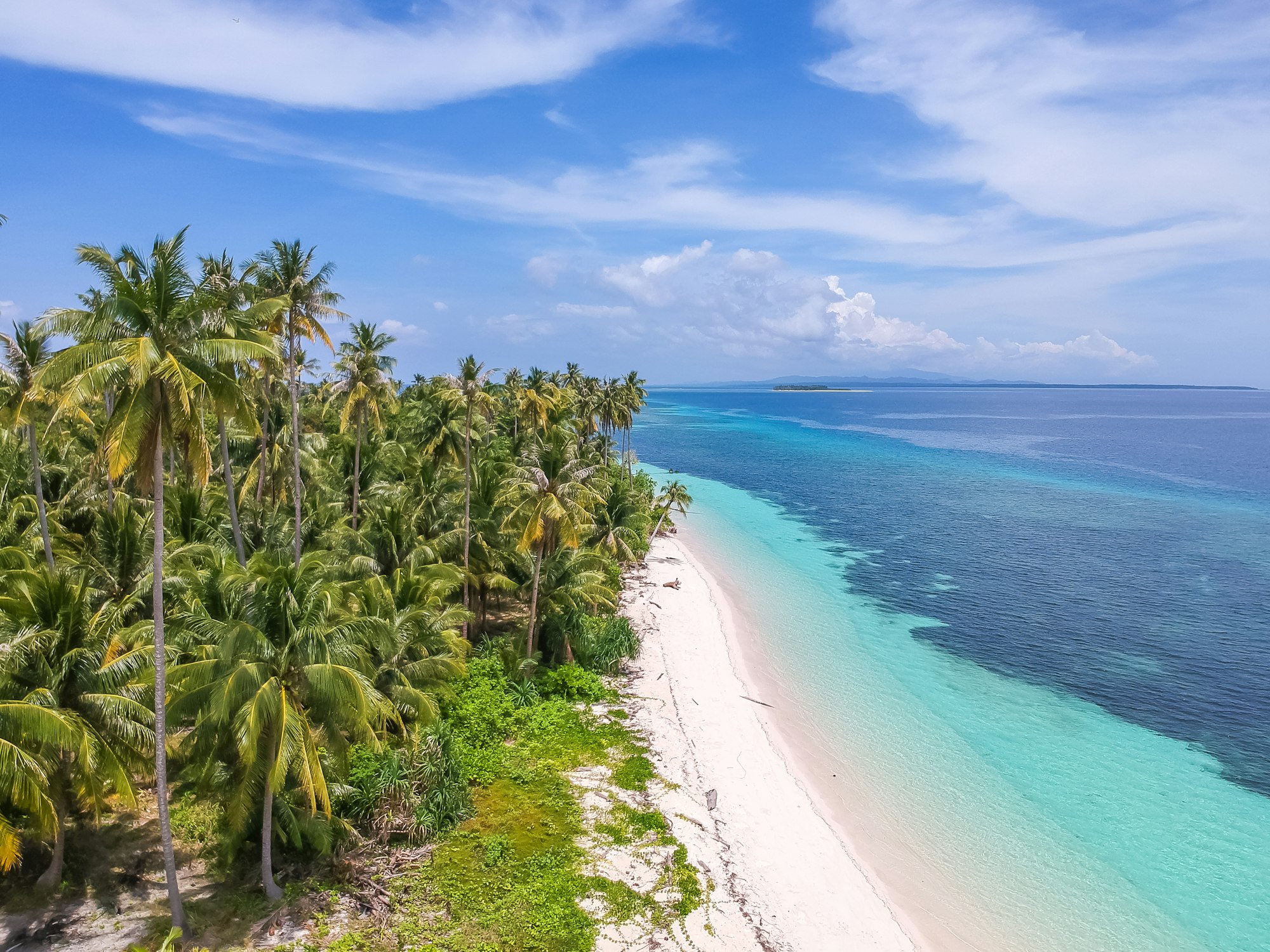
Someone messages us about the Candaraman pink sand beach roughly once a week, usually with a screenshot attached. The photo is always the same kind of thing: a long curve of shoreline glowing a soft rose color, palm trees leaning over it, water so clear it looks fake. And the question is always the same. Is that real, or is that a filter?
Here’s the honest answer, and it’s a little more complicated than yes or no. The pink sand in Balabac is real. But Candaraman Island is probably not the island you’re picturing, and the two things have been quietly mixed up online for years.
Let’s untangle it properly, because if you’re paying for a four-day trip to the far south of Palawan, you deserve to know exactly what you’re getting.
The Short Answer: Two Islands, Two Very Similar Names
Balabac has around 30 islands scattered across its waters. Two of them have names that sound almost identical when you say them out loud, and that’s where the confusion starts.
Candaraman Island is one of the headline stops on almost every Balabac itinerary. Long beach, dense palms, a sandbar nearby that’s famous for starfish. The sand there is white, with a lot of broken coral mixed in. It’s beautiful. It is not pink.
Comiran Island (sometimes written Camiaran) sits south of Onuk Island and is much smaller. It’s the one with the genuine pinkish shoreline, and it picked up the nickname “the Pink Beach of Balabac” after Filipino travel bloggers documented it back in 2014. That name stuck, then travelled, then got attached to the wrong island somewhere along the way.
So when people search for the Candaraman pink sand beach, they’re usually describing Comiran and naming Candaraman. Both islands are worth your time. They just deliver completely different things.
Insider tip: When you’re comparing Balabac operators, ask specifically whether Comiran is on the itinerary. Plenty of standard 3D2N routes skip it entirely because it’s out of the way. If the pink sand is the reason you’re going, that one question saves you a lot of disappointment later.
What Candaraman Island Actually Looks Like
Candaraman lies close to mainland Balabac, which makes it one of the longer boat legs on most itineraries. From a campsite around Punta Sebaring you’re looking at roughly 1.5 hours in good conditions, closer to 2 if the boat is fighting the swell. Most crews break the trip with a stop at a sandbar along the way, which honestly makes the ride feel much shorter.
You’ll know you’ve arrived when you spot the docking platform. It doubles as a helipad, because the island is privately owned and the owner apparently flies in. That detail never stops being funny when you’ve just spent two hours on a wooden bangka.
The beach itself
What you get is a long, generous stretch of shoreline backed by coconut palms, several of them leaning out over the water at those angles that look designed for photos. There are dining cottages, which makes Candaraman the natural lunch stop on a full island hopping day.
The sand is coarser than you’d expect. It’s mixed with small pieces of broken coral, and under midday sun it gets genuinely hot underfoot. Wear your flip-flops between the boat and the shade. I’ve watched more than one person sprint the last ten metres up the beach making a noise I’d rather not describe.
Insider tip: Bring a hammock. The palms here are spaced almost perfectly for one, and the two hours between lunch and the boat leaving is the single best nap window of the whole trip. Almost nobody packs one, and they all regret it by day three.
Comiran Island: Balabac’s Real Pink Beach
Comiran is small, uninhabited and privately owned, sitting south of Onuk. If you’ve read our guide to Onuk Island, picture something far more modest: no long jetty, no famous stilt house, just a low sandy island ringed by shallow, startlingly clear water.
The shoreline is a fine mix of crushed white and red coral. In flat midday light, especially where the sand is wet, it reads as a soft blush pink. Not bubblegum. Not the color of the edited photos circulating on social media. More like the inside of a shell.
Is that a letdown? For some people, yes. But stand there for five minutes and it grows on you, because you start noticing the individual red coral fragments and realising you’re looking at something that took centuries to grind down into sand.
Why Some Sand Turns Pink (The Actual Science)
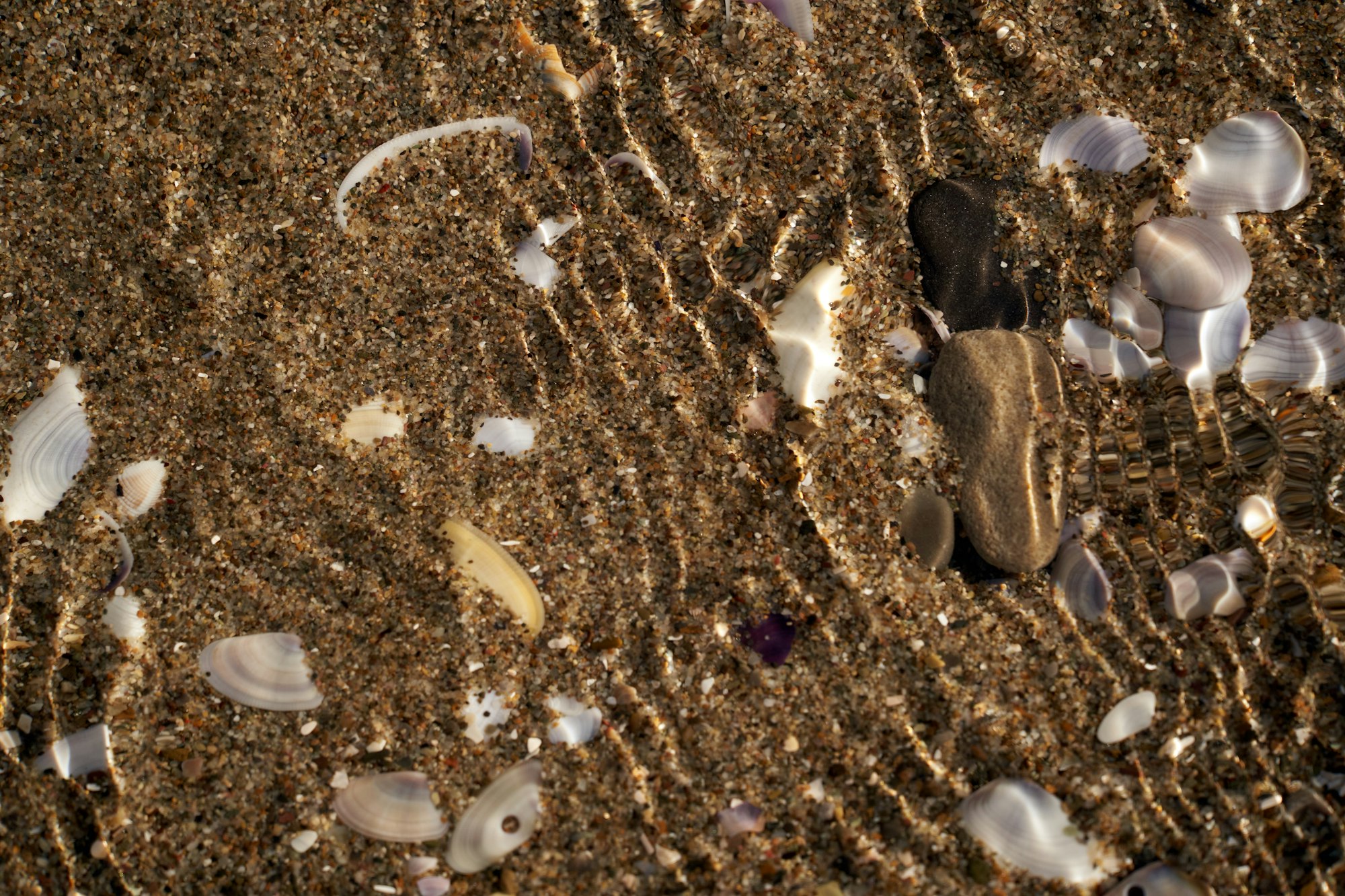
The color comes from organ pipe coral, Tubipora musica. It’s a soft coral with a hard skeleton made of calcium carbonate, and that skeleton is a deep red. While the coral is alive you rarely see the red at all, because the polyps sitting on top of the tubes are usually green, blue or purple.
When a colony dies and the waves work on it for years, the red skeleton breaks down into fragments. Those fragments wash ashore, mix with ordinary white coral sand, and the result reads as pink to the human eye. The effect is strongest in bright direct light, which is why the pink looks so much stronger at noon than at sunset.
This is the same mechanism behind the better-known pink beaches at Great Santa Cruz Island in Zamboanga and Subic Beach in Matnog, Sorsogon. Balabac’s version is simply less visited.
One thing worth knowing: organ pipe coral is listed as near threatened, and a big chunk of that pressure comes from people collecting it for aquariums, jewellery and souvenirs. So don’t pocket the red pieces. It sounds like a small thing, and it is when one person does it. It stops being small when a few thousand visitors a year all take a handful home.
Insider tip: If you want the pink to actually show up in your photos, shoot between roughly 10am and 2pm, get low, and frame the wet sand right at the waterline. Shooting from standing height in soft afternoon light will give you a beach that looks plain beige, and then you’ll be the one wondering whether you got scammed.
Candaraman Sandbar, Better Known as Starfish Island
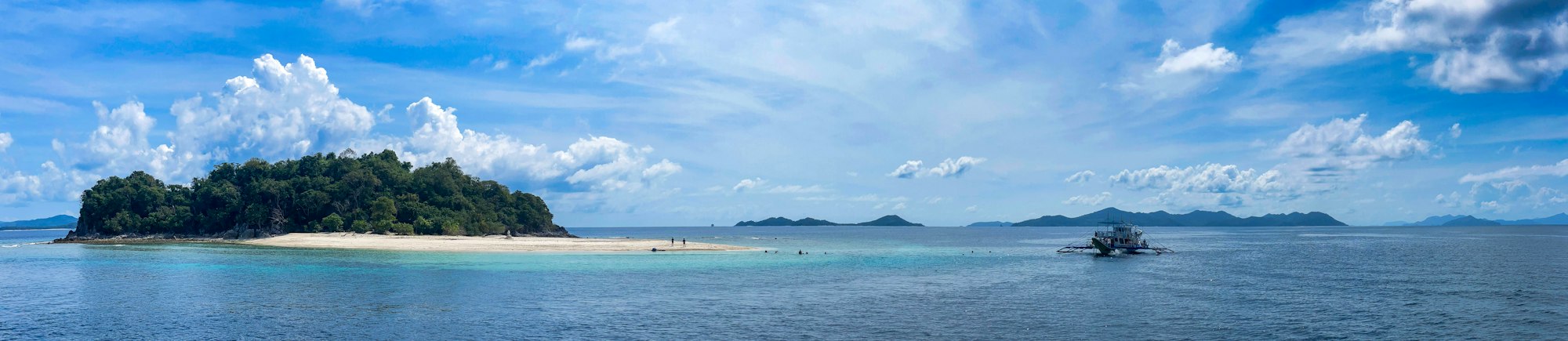
A few minutes off Candaraman’s shore is a sandbank that most operators simply call Starfish Island. It rises and disappears with the tide, and it is absolutely the reason Candaraman ends up on so many itineraries.
Time it at low tide and you get an exposed ribbon of sand with chocolate chip starfish scattered across the shallows around it, sometimes dozens within a few metres. Arrive at high tide instead and the sandbar is under water, which sounds like bad luck but genuinely isn’t. You just swap walking for snorkelling, and floating above them is arguably the better experience.
Please don’t lift the starfish
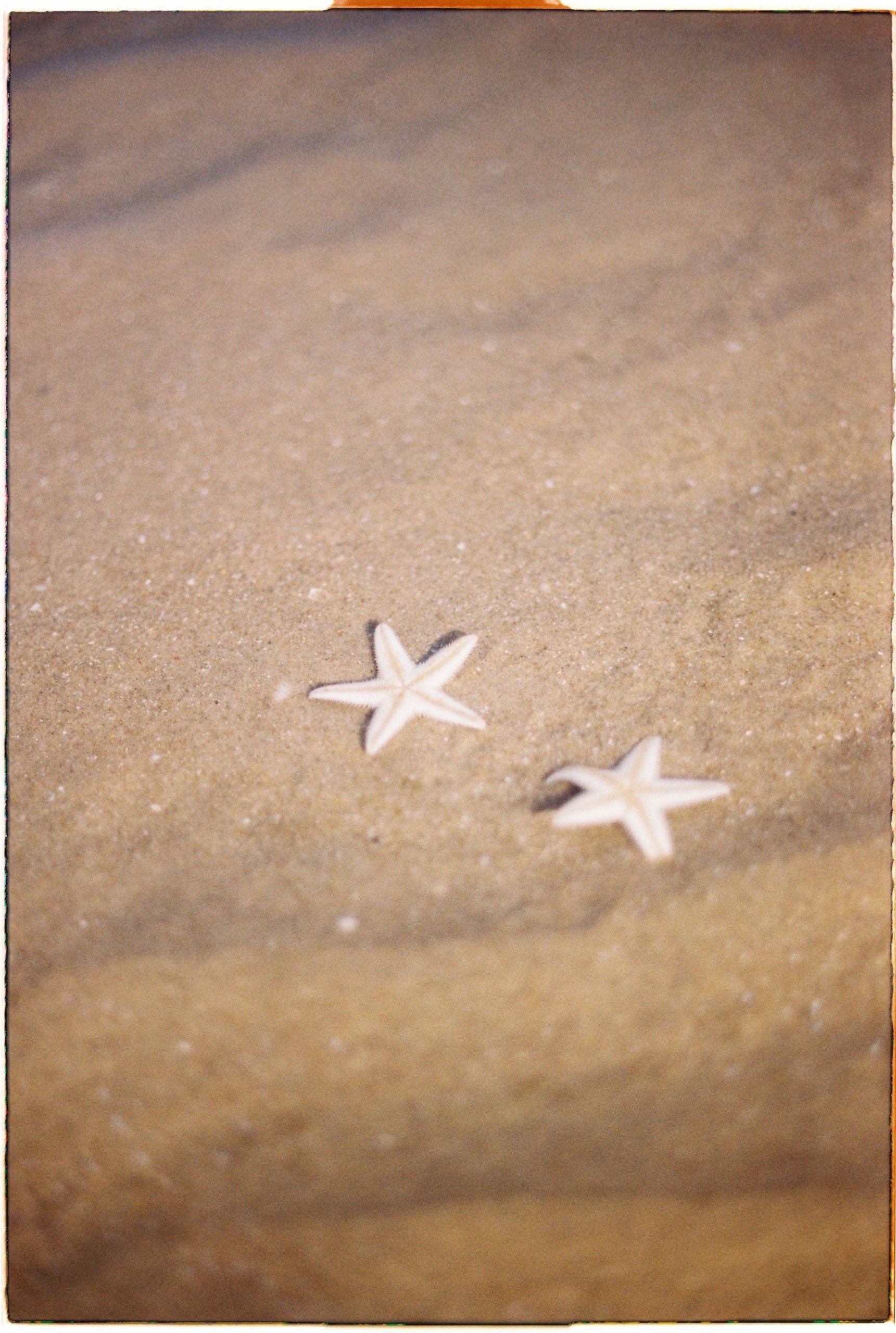
This matters more than most people realise. Chocolate chip starfish breathe through structures that need to stay wet. Lifting one out of the water for a photo stresses it, and doing it repeatedly can kill it. A starfish held up for a thirty-second photo op is not fine afterwards, no matter how gently you handle it.
Good Balabac crews will tell you this before you’re in the water. If yours doesn’t, take it as a signal about the rest of their operation. The right move is simple: put your mask on, go under, and let them stay where they are. The photos are better that way anyway.
How to Visit Candaraman Island in 2026
You can’t day-trip Candaraman from anywhere convenient. Balabac sits at the southern tip of Palawan and getting there is genuinely a project, which is exactly why it still looks the way it does.
The standard route runs like this: fly into Puerto Princesa, travel south by van or bus for around 5 to 6 hours to Buliluyan Port or Rio Tuba in Bataraza, then cross by boat. The public passenger boat from Rio Tuba to Balabac town runs once a day and takes roughly 3 hours. Our full Balabac travel guide walks through each leg in detail.
Almost nobody does Balabac independently, and we’d gently steer you away from trying. Island access is negotiated locally, several islands are privately owned, and the sea conditions need someone who reads them daily. A packaged 3D2N or 4D3N tour is the realistic option.
Approximate costs
| Item | Approximate cost (₱) |
|---|---|
| Manila to Puerto Princesa return flight | 2,000 to 5,000 |
| Bus, Puerto Princesa to Rio Tuba | around 365 |
| Shared van to Rio Tuba or Buliluyan | 500 to 700 |
| Public boat, Rio Tuba to Balabac town | 350 to 600 |
| 3D2N joiner tour package, per person | 15,500 to 16,500 |
| Fuel surcharge added by many operators since April 2026 | around 500 |
| Private 4D3N tour with van, per person (from) | from around 14,000 |
Treat these as ranges rather than quotes. Fuel prices move, operators adjust, and peak season pricing behaves differently from a wet-season departure. Message us and we’ll give you a current number rather than a guess.
Insider tip: Withdraw all your cash in Puerto Princesa. There’s no dependable ATM once you’re heading south, connectivity on the islands ranges from patchy to nonexistent, and GCash is not a payment method that works on a sandbar. Bring small bills too. Nobody in a sari-sari store is breaking a ₱1,000 note.
When to Go
Balabac’s usable window is roughly November to May, and the sweet spot is February through May when the sea flattens out. The crossing from Rio Tuba is genuinely exposed, and during the southwest monsoon from June to October, trips get cancelled with very little notice.
Do you want the pink sand at Comiran looking its best? Then you want a dry, bright, cloudless day, which stacks the odds even further toward the March-to-May window. Check the PAGASA forecast in the week before you travel, and build a spare day into your plan. Flights on Cebu Pacific into Puerto Princesa are frequent enough that a one-day buffer costs you very little.
Our Balabac season guide breaks the months down properly if you’re still choosing dates. And if you’re weighing Balabac against somewhere easier, our Palawan island hopping guide lays the options side by side.
What to Pack for a Candaraman Day
- Reef-safe sunscreen, applied before you board, not on the boat
- Flip-flops you don’t mind soaking, for that hot coral sand
- A rash guard, because the boat legs are long and shade is limited
- A dry bag for anything electronic
- A hammock if you have space for one
- Far more cash than feels sensible, in small denominations
- Any medication you take, since there’s no pharmacy out here
Balabac is safe in the ordinary sense, and travelling with an operator accredited by the Department of Tourism handles the logistics side. Sunburn and dehydration are the realistic risks, not anything dramatic. Our post on safety in Palawan covers this in more depth if it’s on your mind.
So, Is the Candaraman Pink Sand Beach Worth It?
If you’re going purely to stand on pink sand, be clear with yourself about what that means. Balabac’s pink beach is Comiran, the color is subtle rather than dramatic, and it needs the right island on your itinerary plus the right hour of the day.
But if you’re going for Balabac itself, then yes, absolutely, and Candaraman earns its spot. The palm-lined beach, the starfish sandbar, the fact that you’ll often have the whole thing to a single boatload of people. That combination barely exists anymore in Palawan. It certainly doesn’t exist in El Nido in February.
The Candaraman pink sand beach you saw online is really two islands wearing one name. Go see both, take the boat rides, and let the south be what it actually is rather than what the algorithm promised.
Frequently Asked Questions
Is the pink sand at Candaraman Island real?
Candaraman itself has white sand mixed with broken coral, not pink sand. Balabac’s actual pink beach is Comiran Island, south of Onuk. The two names get confused constantly online.
Why is the sand pink in Balabac?
Crushed red organ pipe coral (Tubipora musica) mixes with white coral sand. The red skeleton fragments tint the sand, and the effect is strongest in bright midday sun.
How do you get to Candaraman Island?
Only by boat, as part of a Balabac island hopping tour. Most itineraries reach it from a Punta Sebaring campsite in roughly 1.5 to 2 hours, usually with a sandbar stop along the way.
Can you camp overnight on Candaraman Island?
Not currently. The island is privately owned and the owner has restricted it to day trips. Check with your operator before booking, since access rules there have changed more than once.
What is Starfish Island in Balabac?
It’s the sandbar just off Candaraman, named for the chocolate chip starfish in the surrounding shallows. It appears at low tide and submerges at high tide, and both versions are worth seeing.
How much does a Balabac tour cost in 2026?
A 3D2N joiner package typically runs around ₱15,500 to ₱16,500 per person, with many operators adding roughly ₱500 in fuel surcharge since April 2026. Private tours with van transfers start around ₱14,000.
What’s the best month to see the pink sand?
March through May. You want calm seas for the crossing and bright direct sunlight for the color, and those months give you the best shot at both.
Ready to See Balabac for Yourself?
We’ll tell you straight whether Comiran fits your dates and which operators actually include it, instead of selling you a route that skips the one island you came for. CMT Ticketing and Services handles island hopping, transfers and accommodation across Palawan.
Message us on Facebook Messenger or WhatsApp, or browse our Palawan travel packages and El Nido tour options. We answer fast, and we’ll be honest with you about what you’ll actually see.