
El Nido Tour B Guide 2026: Snake Island, Caves & Beaches
Everyone asks us about Tour A first. Big Lagoon, Secret Beach, all the postcard shots you’ve probably already saved to your phone. But here’s the thing: El Nido Tour B is the one a lot of repeat visitors quietly prefer, and honestly, we get why.
Tour B skips the lagoons and takes you northwest of El Nido town instead, into a mix of sea caves, a sandbar island, and a couple of beaches that don’t see nearly as many boats. If Tour A is the greatest hits album, Tour B is the deep cut that turns out to be your favorite track. This guide walks through every stop, what it actually costs in 2026, and a few things we’ve learned from years of running this route that you won’t find on a generic tour brochure.
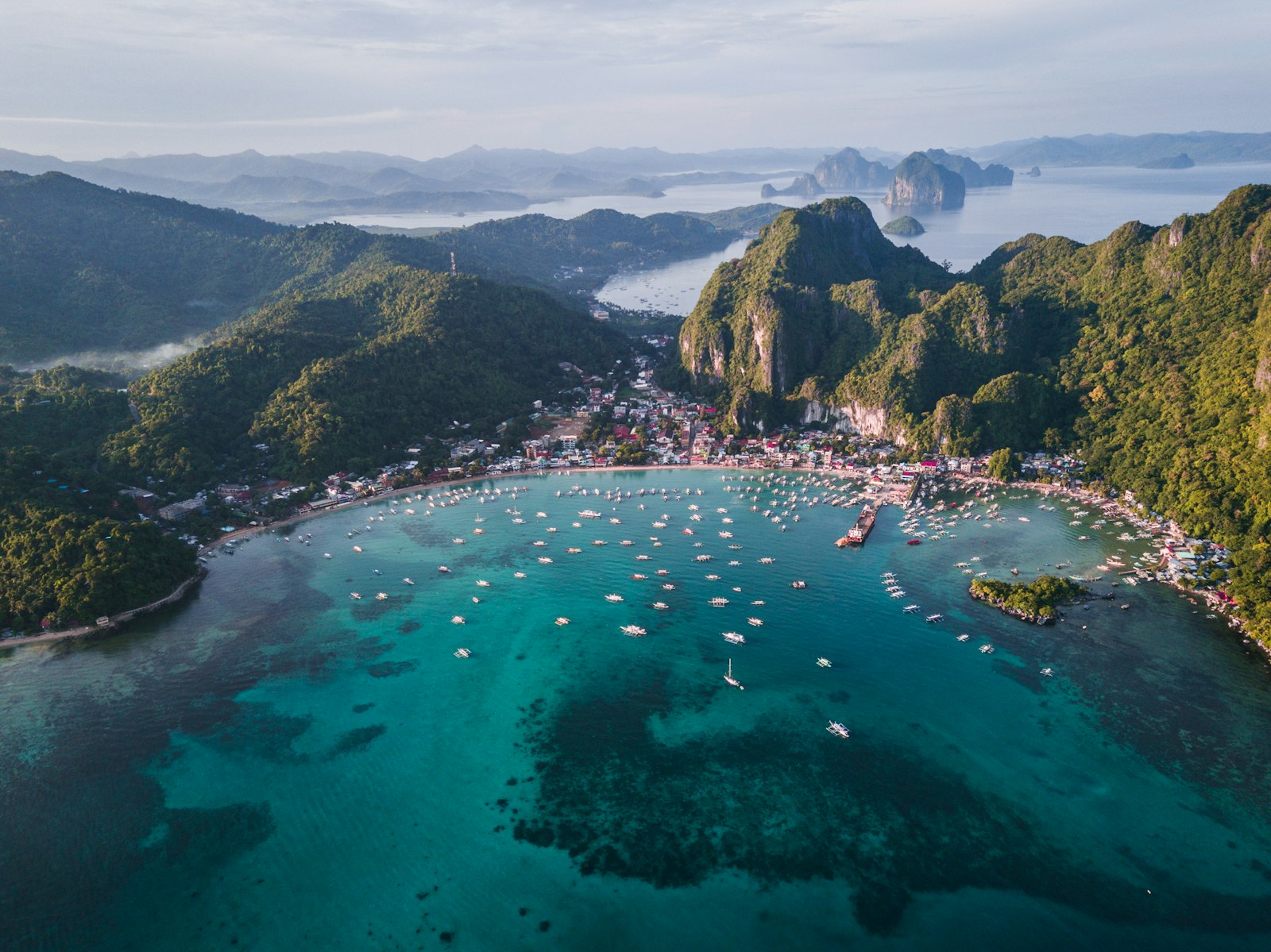
What Is El Nido Tour B?
El Nido Tour B is one of the four official island hopping routes in the Bacuit Archipelago, alongside Tours A, C, and D. It’s a full-day trip by traditional bangka boat that covers the caves and islands northwest of El Nido town, roughly the opposite direction from Tour A’s lagoon-heavy route.
Where Tour A is built around swimming and kayaking through enclosed lagoons, Tour B leans into exploring: crawling into a cave that archaeologists have linked to pre-Hispanic settlers, swimming into a sea cave with glowing water, and walking a sandbar that only fully appears at low tide. It’s less about ticking off famous names and more about the kind of quiet discovery that made you want to visit El Nido in the first place.
Boats leave from the same wharf area as the other tours, usually departing between 8:30 and 9:00 AM, and you’re back in town by around 4:00 to 5:00 PM. So budget roughly 7 to 8 hours for the full day.
El Nido Tour B Stops
Snake Island
Snake Island (officially Vigan Island, though nobody calls it that anymore) is usually the first or second stop, and it’s a genuine showstopper. A long, curving sandbar stretches out from the island and connects it to a neighboring islet at low tide, forming an S-shape that gave the place its nickname. Walk out along it and you’ll have green hills on one side and impossibly blue, shallow water on both.
We’ve had guests compare it to French Polynesia, which might sound like a stretch until you’re standing there at 9 AM with almost nobody else around. That’s honestly the best part.
Insider tip: the sandbar’s visibility depends entirely on tide, not time of day, so ask your boatman what the tide schedule looks like that morning. On a low tide run you can walk almost the entire length of it; on a high tide day, a good chunk of it disappears underwater.
Cudugnon Cave
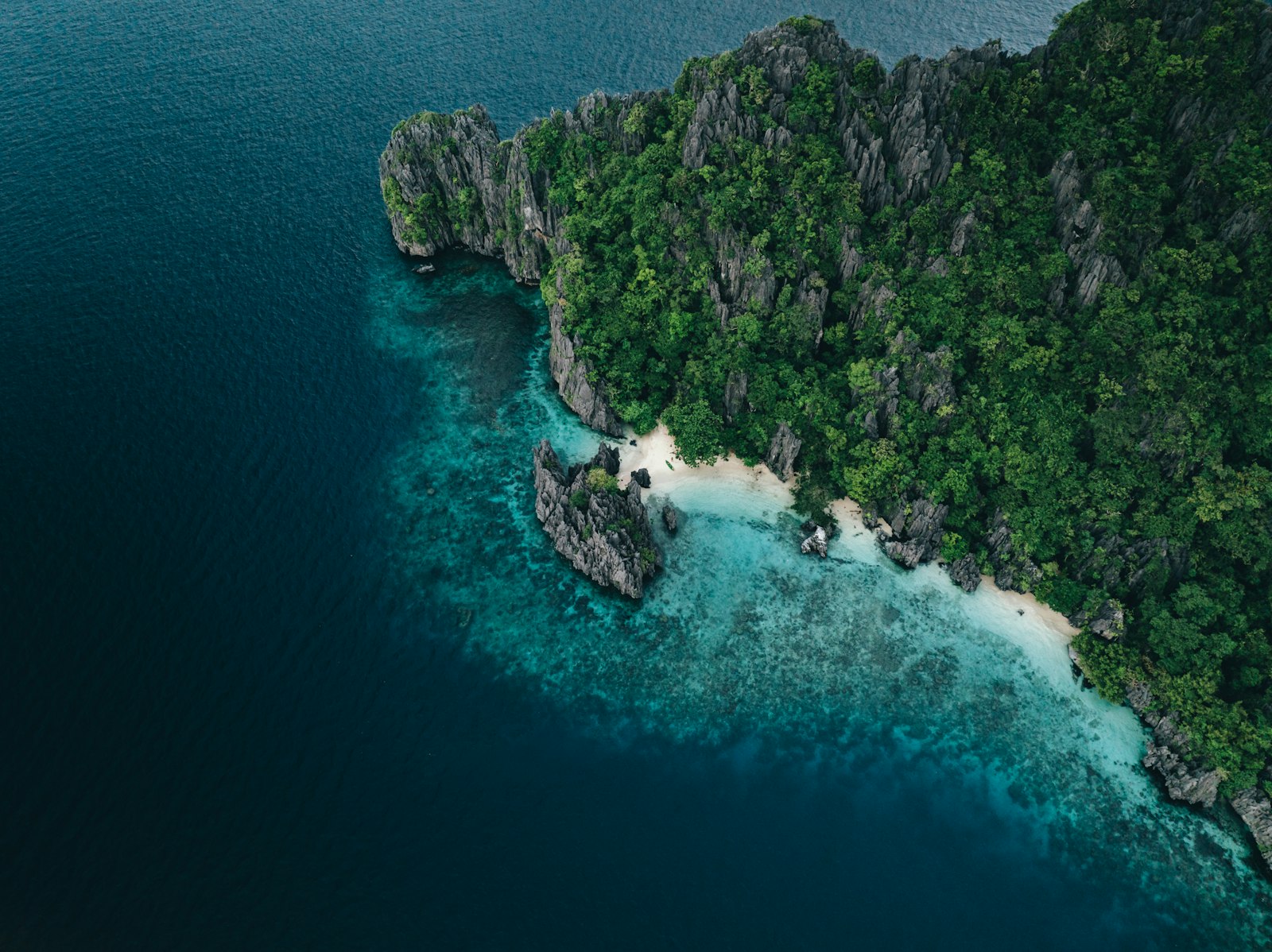
Next up is Cudugnon Cave, and this one surprises people who assume “cave stop” means a quick photo and back on the boat. You actually climb through a small opening in the cliffside into a hidden chamber, and once you’re inside there’s enough space to keep exploring upward over the rock formations.
What makes it worth the climb is the history. Archaeologists have found pottery shards and burial artifacts here linked to pre-Hispanic trade with China, and locals used the cave as a hideout during World War II. So you’re not just looking at limestone, you’re standing in a spot with a few hundred years of stories layered into it.
No separate entrance fee, it’s included as part of the Tour B route.
Cathedral Cave
Cathedral Cave is the one that tends to end up in everyone’s photo reel. You jump off the boat and swim (or kayak, depending on your operator) into a sea cave with a narrow entrance and a ceiling that opens up into something that genuinely looks like the inside of a cathedral, with stalactites hanging down and light filtering through gaps above.
Bring your snorkel mask if you have one. Under the surface the water has this faint glow to it, especially near the back of the cave, and it’s one of those details you’d completely miss if you just stayed near the entrance.
Insider tip: swim all the way to the back and turn around to look toward the entrance. That’s the angle that makes the cave’s scale actually click, and it’s easy to skip if you’re rushing to keep up with your group.
Pinagbuyutan Island
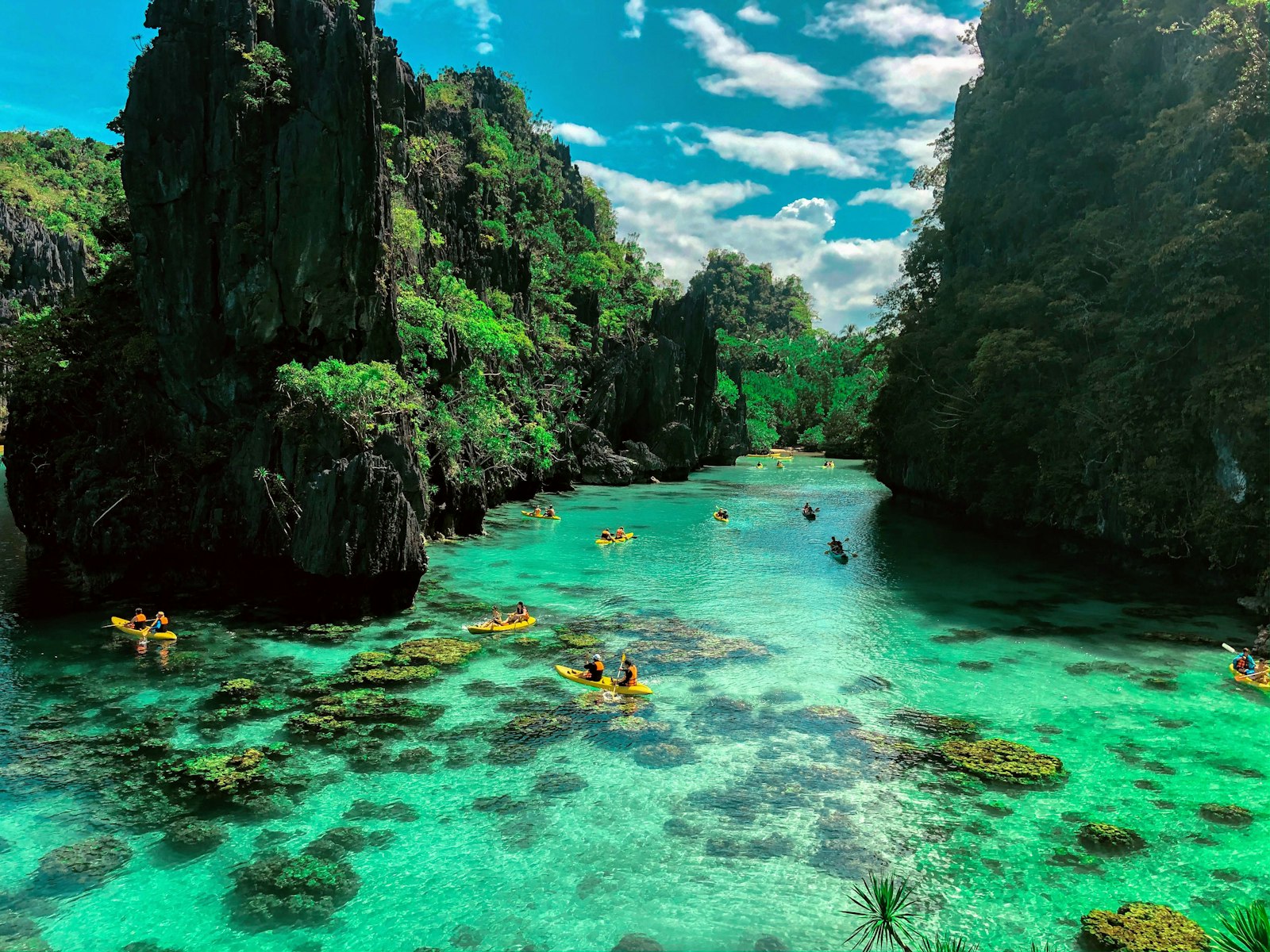
Pinagbuyutan is a small, uninhabited island with sheer limestone cliffs dropping straight into the sea and a narrow stretch of white sand at the base. There’s not much here beyond palm trees and, depending on the day, someone selling fresh coconuts from a makeshift stand. That’s kind of the point.
The snorkeling just offshore is genuinely good, with healthy coral in shallow water close to the beach. Because this island doesn’t have the name recognition of Big Lagoon or Secret Beach, it tends to stay quiet even during peak months. We’ve had days here where our boat was the only one at the stop for a solid hour.
No separate entrance fee for Pinagbuyutan itself, it’s covered by the general Eco-Tourism Development Fee (ETDF) that applies to all El Nido tourism sites.
Entalula Beach or Papaya Beach
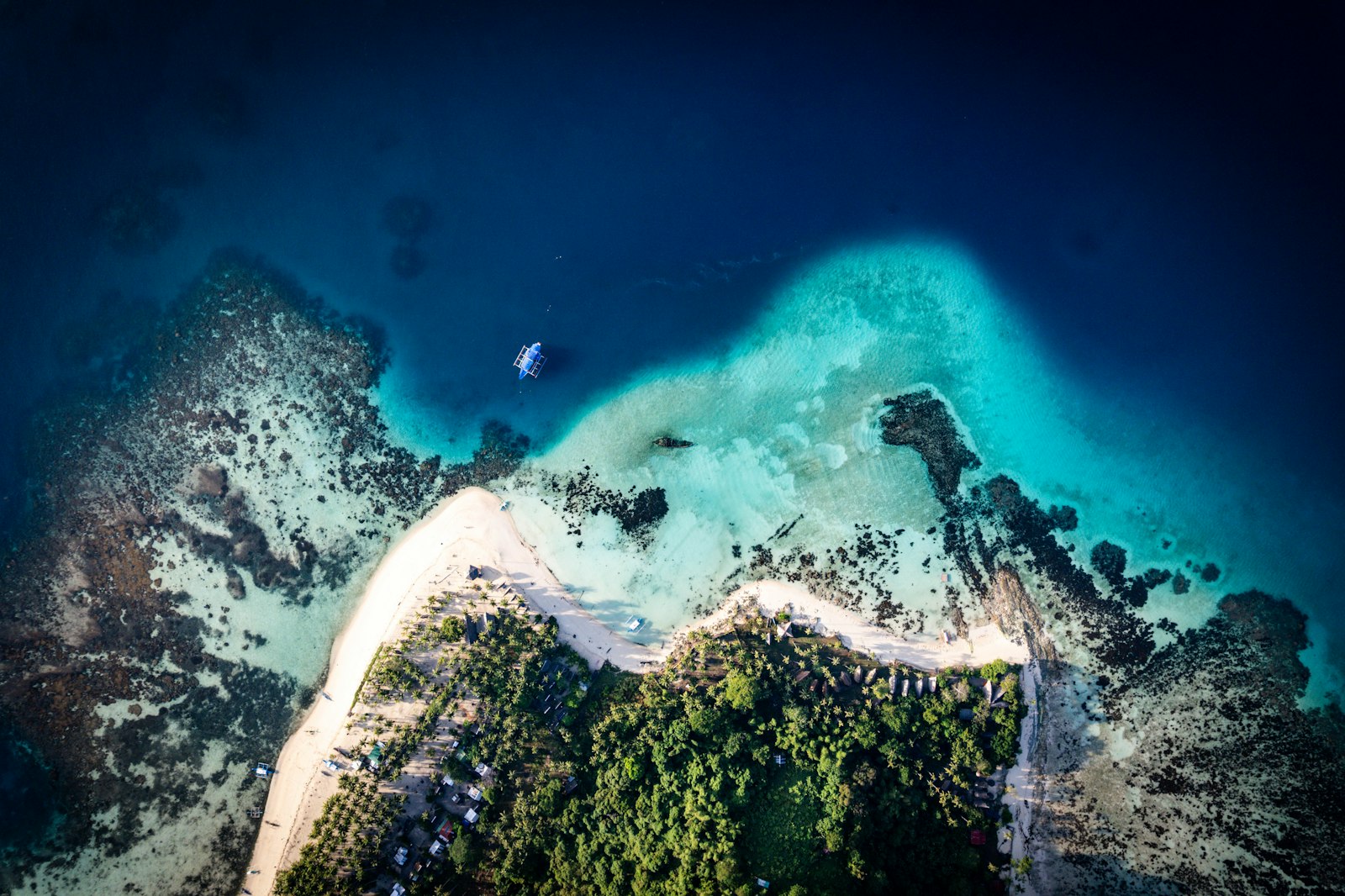
The final relaxation stop on Tour B is either Entalula Beach or Papaya Beach, and which one you get depends on your operator and sometimes on sea conditions that day. Both are calm, sheltered beaches with clear water and a backdrop of coconut trees, similar in feel to Seven Commandos Beach on Tour A but with a fraction of the crowd.
This is the wind-down stop. Not much to do here except swim, relax, and maybe grab a cold drink from a beach vendor before the ride back to town.
No separate entrance fee for either beach at most operators.
El Nido Tour B Price 2026
Here’s the honest breakdown of what a day on Tour B costs:
| Item | Cost (PHP) |
|---|---|
| Group Tour B (shared bangka) | ₱1,200 – ₱1,500/person |
| Private Tour B (boat for your group) | ₱4,500 – ₱6,000/boat |
| Eco-Tourism Development Fee (ETDF) | ₱400/person |
| Snorkeling gear (if not included) | ₱150 – ₱200 |
| Lunch (if not included) | ₱200 – ₱400 |
The ETDF is a flat government charge, not something operators set themselves, so it’s the same no matter who you book with, and one payment covers all your island hopping tours for 10 days. Most reputable operators fold it into your quoted price, but always ask directly so you’re not caught off guard at the pier. Our El Nido Tour B package includes the ETDF plus lunch, snorkeling gear, and life jackets in one upfront price.

Tour B vs Tour A vs Tour C: Which Should You Pick?
If this is your first trip to El Nido, most people start with our El Nido Tour A guide since it covers Big Lagoon and Secret Beach, the two spots you’ve probably already seen on Instagram. Tour B is the better second-day pick, or honestly a great first pick too if you’d rather skip the busier crowds and go straight for caves and a quieter pace.
Compared to our El Nido Tour C guide, which covers Helicopter Island and the more remote northern route, Tour B sits in the middle: less crowded than Tour A, less of a full-day trek than Tour C, and a genuinely good option if you only have time for one or two tours during your trip. For a side-by-side breakdown of all four routes, check our full El Nido island hopping tours comparison.
Should you do Tour A and Tour B on the same trip? If you’ve got 4+ days in El Nido, yes, absolutely. They don’t overlap at all in terms of stops, so you’re not paying twice to see the same things.
What to Bring on El Nido Tour B
- Reef-safe sunscreen: Bacuit Bay is a protected marine area, and mineral or biodegradable sunscreen is required at most stops.
- A dry bag: you’ll be getting in and out of caves and water most of the day, so keep your phone and cash protected.
- Water shoes: Cudugnon Cave involves some rock scrambling, and reef shoes make it a lot more comfortable.
- Snorkel mask: even if it’s provided by your operator, bringing your own means you’re not waiting in line to share gear.
- ₱500-₱1,000 in cash: for drinks, coconuts from vendors, and tips for your boatman and guide (₱100-₱200 per person is customary).
- A change of clothes: the boat ride back is a lot more comfortable dry.
For a fuller packing rundown beyond just this one tour, our Palawan packing list covers everything else you’ll want in your bag for the rest of your trip.
Best Time to Do El Nido Tour B
November through May is peak season in El Nido, with calmer seas and better underwater visibility, which matters a lot for a cave-heavy route like this one. According to PAGASA, the Philippines’ weather bureau, Palawan sits outside the main typhoon corridor, but the June to October wet season still brings rougher seas and more last-minute tour cancellations, especially for stops that require swimming into open cave entrances like Cathedral Cave.
Tour B tends to hold up better than Tour C or D during shoulder season since most of its stops are more sheltered, but always check with your operator the night before if you’re traveling June through October. For a month-by-month breakdown, see our best time to visit El Nido guide.
If you’re flying in specifically for island hopping, AirSWIFT runs direct flights into El Nido’s own airport, which cuts out the long van transfer from Puerto Princesa and gives you more actual time on the water.
How to Book El Nido Tour B
You can book through your accommodation, walk up to an operator booth in town, or message a local operator like us directly on Facebook. Prices are broadly similar across booking channels, but what varies a lot is group size, whether fees are actually included, and how flexible the operator is with departure times.
Things worth confirming before you hand over payment:
- Is lunch included, and what does it actually include?
- Is the ETDF (Eco-Tourism Development Fee) already in the price?
- Is snorkeling gear provided or an extra rental?
- How many people are on the boat?
Our El Nido Tour B package keeps groups small, includes all fees and gear upfront, and we can usually accommodate early departures if you want first access to Snake Island before the later boats arrive.
Frequently Asked Questions
What stops are included in El Nido Tour B?
The standard stops are Snake Island, Cudugnon Cave, Cathedral Cave, Pinagbuyutan Island, and a beach stop (Entalula or Papaya Beach, depending on the operator). Exact order can shift based on tide and weather.
How much does El Nido Tour B cost in 2026?
Shared group tours run around ₱1,200 to ₱1,500 per person, plus the ₱400 Eco-Tourism Development Fee (ETDF), which covers all your island hopping tours for 10 days. Private boats typically cost ₱4,500 to ₱6,000 for the whole boat, split among your group.
Is Tour B better than Tour A?
Neither is objectively better, they’re just different. Tour A has the famous lagoons and is more swimming and kayaking focused. Tour B has caves, a sandbar island, and noticeably smaller crowds. A lot of repeat visitors say Tour B is their favorite once they’ve already done Tour A.
Is El Nido Tour B suitable for non-swimmers?
Mostly yes. Life jackets are provided for the swim into Cathedral Cave, and guides help non-swimmers through the entrance. Cudugnon Cave requires some light climbing rather than swimming, so let your guide know in advance if mobility is a concern.
How long does El Nido Tour B take?
Around 7 to 8 hours, typically departing between 8:30 and 9:00 AM and returning by 4:00 to 5:00 PM.
Does Tour B include Helicopter Island?
No. Helicopter Island (Dilumacad) is part of Tour C, not Tour B. If Helicopter Island is on your must-see list, check our El Nido Tour C guide instead.
Can I combine Tour A and Tour B in one day?
It’s technically possible with some operators offering combo packages, but we’d steer you away from it. You end up rushing every stop and not really enjoying either route. If you have the time, do them on separate days.
Book El Nido Tour B with CMT
Tour B is the route we recommend to guests who want El Nido’s quieter, more exploratory side without skipping the highlights. Our El Nido Tour B package includes entrance fees, lunch, snorkeling gear, and small group sizes, with no surprise charges at the pier.
Book El Nido Tour B here or message us on Facebook Messenger to check today’s availability and ask about early departure slots.