
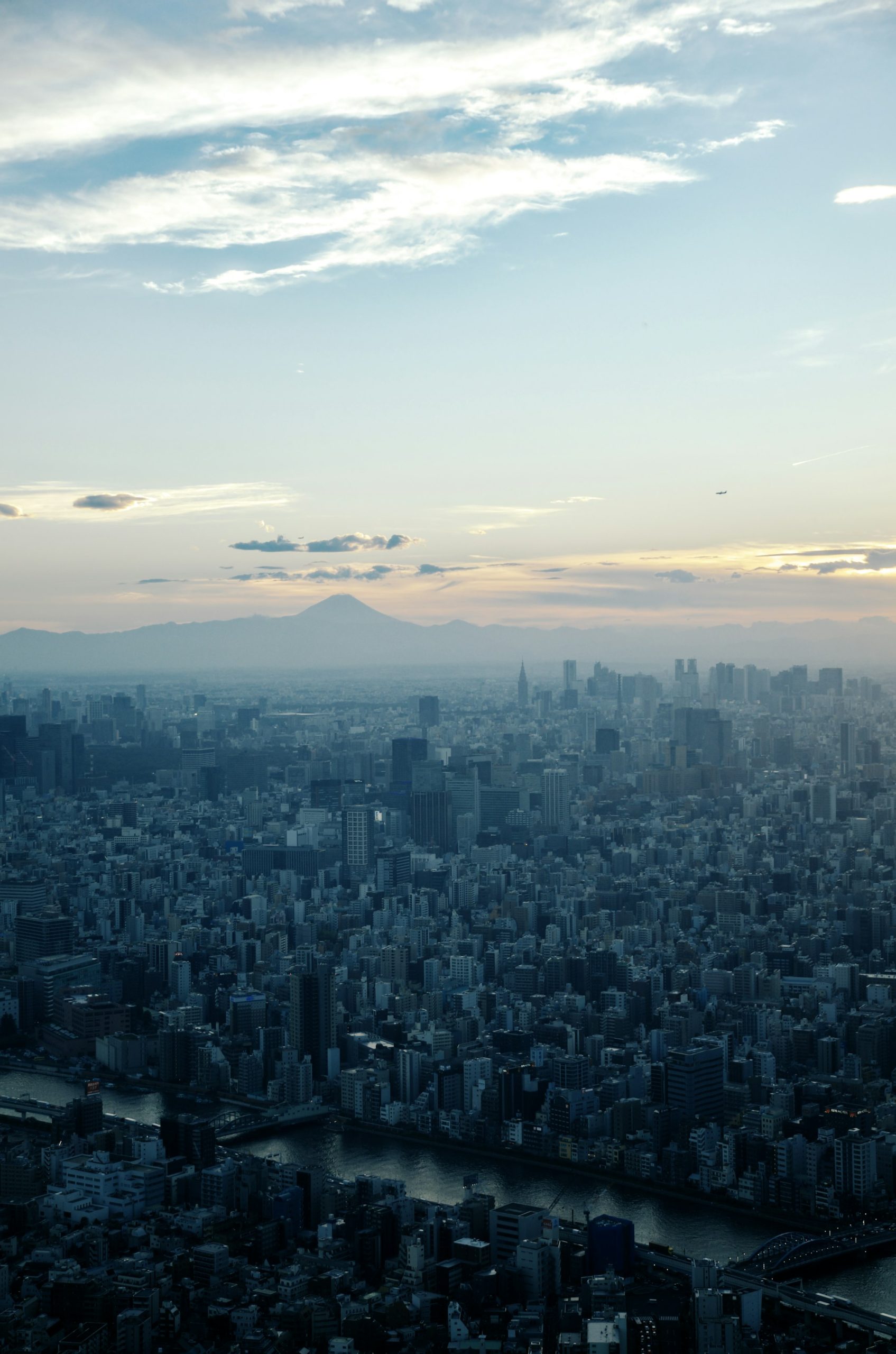
Japan Travel Guide for Filipinos 2026: Everything You Need to Know
Every Filipino I know has Japan somewhere on their list. Sakura in spring, ramen at midnight, trains that actually leave on time. But the moment you start planning, the questions pile up fast. Do I still need a visa? How much will this really cost in pesos? Is the JR Pass still worth buying? This Japan travel guide for Filipinos is here to answer all of that in one place, with 2026 rules and real peso numbers instead of vague ranges.
Here’s the thing about planning a Japan trip from Manila or Cebu: the trip itself is easy. Japan is one of the safest, most organised countries you’ll ever visit. It’s the paperwork and the budgeting that trip people up. So we’ll handle those first, then get to the fun part.
A quick heads-up before we start. Rules and fares change, so treat every peso figure here as a planning estimate, not a quote. We’ve flagged where things shifted recently in 2026.
Do Filipinos Need a Visa for Japan in 2026?
Yes. Philippine passport holders still need a visa to enter Japan as tourists. There’s no visa-free entry, no matter what a TikTok comment section tells you. What has changed is how you apply.
The eVisa route, and its one big catch
Japan expanded its eVISA programme to Filipino tourists on 15 May 2026. It sounds like the breakthrough everyone waited for, and in some ways it is: you apply online, and you’re no longer asked for a bank certificate, bank statement or income tax return. For a lot of applicants, that alone removes the scariest part of the process.
But read the fine print. The eVisa is only open to travellers joining a package tour organised by a travel agency designated by Japanese authorities. You need an ordinary Philippine passport, you need to be residing in the Philippines, and you need to be travelling purely for tourism. Independent travellers, business travellers, students, and anyone visiting relatives or friends are not eligible and must still apply the traditional way. Full details sit on the Japan Ministry of Foreign Affairs eVISA page.
Insider tip: if you’re a first-time applicant with a thin bank account but a stable job, the package-tour eVisa route can genuinely be the easier approval path, since proof of funds is waived. Just price the package honestly against a DIY trip before you commit. Sometimes the tour costs more than the visa hassle saves you.
Applying through JVAC (the route most people still use)
Since April 2025, the Embassy of Japan in the Philippines has routed all temporary visitor visa applications through the Japan Visa Application Centre, operated by VFS Global. Travel agencies can still help you prepare and book, but they no longer file on your behalf the way they used to.
Now for the good news, and it’s very good news. Japan raised its visa issuance fees in 2026 for the first time since 1978, moving a single-entry visa from ¥3,000 to ¥15,000 and multiple-entry from ¥6,000 to ¥30,000. Filipinos are largely spared. Temporary visitor visas for Philippine passport holders have long been gratis under a bilateral arrangement, and they remain free. What you actually pay is roughly ₱800 as a JVAC handling fee, plus courier charges if you don’t want to queue twice.
Processing is typically several working days once your documents are accepted, though it stretches during peak season. Apply at least a month before your flight. Two months if you’re travelling in late March.
How Much Does a Japan Trip Cost from the Philippines?
Let’s talk pesos. As of September 2026, ¥1 sits at roughly ₱0.40, so a quick mental shortcut is ¥1,000 is about ₱400. Move the decimal, then subtract a bit. That single trick will save you a lot of confused staring at menus.
Here’s a realistic 7-day, per-person breakdown for a first Japan trip out of Manila.
| Expense | Budget traveller | Comfortable traveller |
|---|---|---|
| Roundtrip airfare (MNL to Tokyo) | ₱12,000 | ₱25,000 |
| Visa (JVAC handling fee) | ₱800 | ₱800 |
| Philippine travel tax | ₱1,620 | ₱1,620 |
| Accommodation (6 nights) | ₱12,000 | ₱30,000 |
| Food (7 days) | ₱10,500 | ₱17,500 |
| Transport inside Japan | ₱6,000 | ₱21,000 |
| Attractions and shopping | ₱5,000 | ₱10,000 |
| Travel insurance | ₱1,500 | ₱3,000 |
| Approximate total | ₱49,000 | ₱109,000 |
Two line items surprise people. The first is the Philippine travel tax, which is ₱1,620 for economy passengers leaving the country. Budget airlines often don’t bundle it into your fare, so check your booking breakdown for a line labelled “travel tax” or “PH tax.” If it isn’t there, you pay at the airport counter or online through TIEZA. Nothing ruins a 5am departure like a surprise counter queue.
The second is transport inside Japan, which swings wildly depending on whether you buy a rail pass. More on that below.
Insider tip: convenience store food in Japan is genuinely good, not a compromise. A proper onigiri, hot oden and a coffee from 7-Eleven or Lawson runs about ¥700, roughly ₱280. Eat one meal a day this way and you’ll shave ₱3,000 off a week without feeling deprived once.
If those totals make you wince, that’s fair, and it’s worth comparing against a domestic trip before deciding. Our breakdown of what a Palawan trip actually costs and our honest take on whether Palawan is expensive both use the same peso-by-peso format, so the numbers are easy to line up side by side.
Best Time to Visit Japan in 2026 and 2027
Japan has four real seasons, which is exactly why Filipinos love it. We only get two. But each season asks something different from your budget and your packing list.
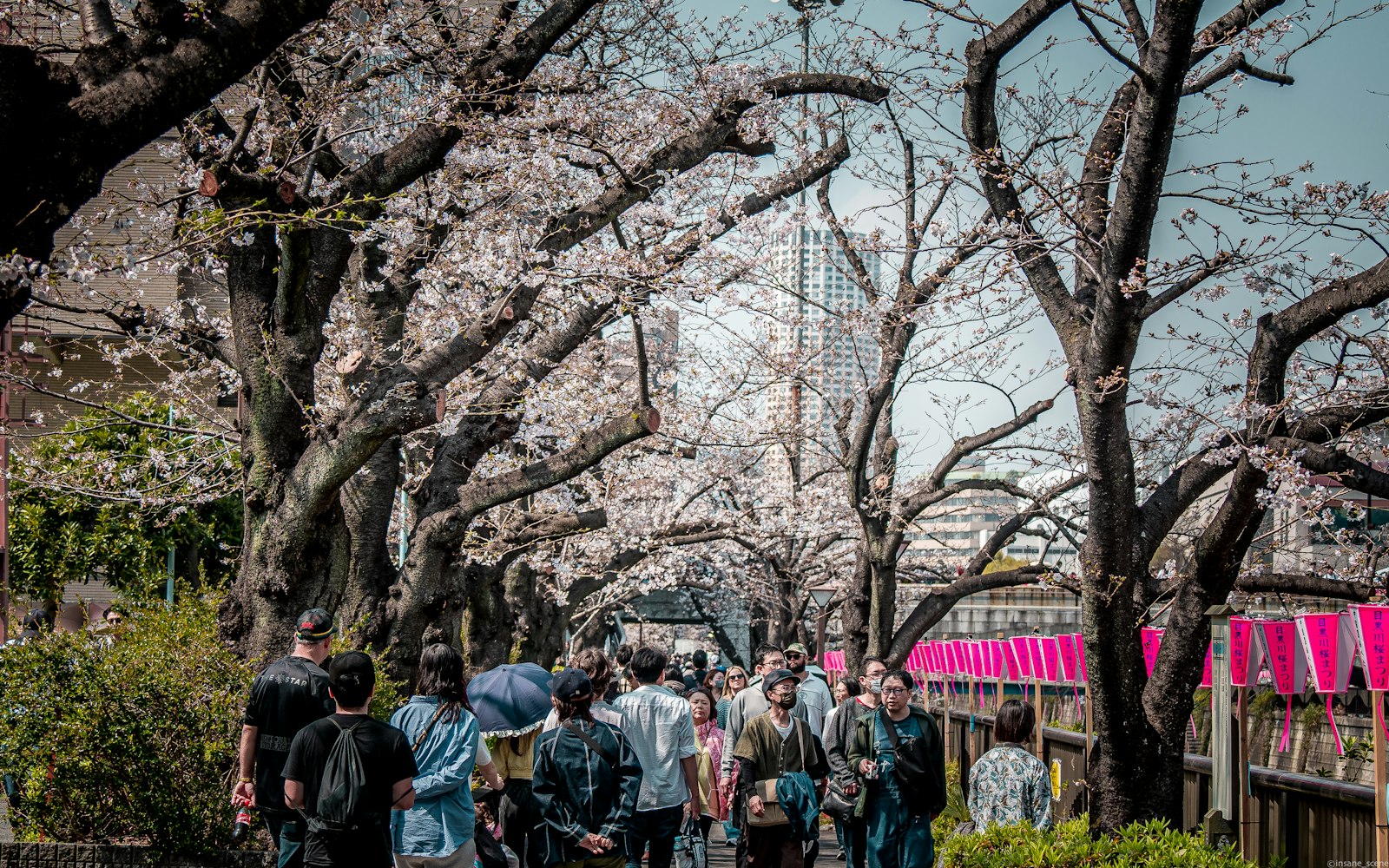
Spring (March to May) is peak sakura and peak everything else. Full bloom in Tokyo, Kyoto and Osaka usually lands somewhere between late March and the first week of April, with Tokyo peaking a few days ahead of Kyoto. Official forecasts for a given year only start appearing around January, so anything you read earlier than that is based on historical averages. Full bloom at any one spot lasts roughly five to seven days. Hotels in that window need booking months out.
Summer (June to August) is hot and humid in a way that will feel oddly familiar to anyone from Manila, except with worse ventilation on the trains. It’s also the cheapest season for flights, and northern Japan stays pleasant. Fireworks festivals are everywhere.
Autumn (September to November) is my quiet favourite. Cool weather, red maples, fewer crowds than spring, and prices that don’t make you flinch. If you only have one shot and you’re flexible, go in November.
Winter (December to February) means snow, onsen, and a proper cold most Filipinos have never actually experienced. Budget for real winter clothes, because a hoodie from a Manila mall will not save you in Hokkaido.
Insider tip: avoid Golden Week (late April into the first week of May), Obon in mid-August, and the New Year period. Domestic travel spikes, prices jump, and half the country is on the move at once. If you’re used to timing trips around our own peak season, the logic is the same one we lay out in our guide to the best time to visit Palawan, just flipped to a different calendar.
Flights: Getting from Manila and Cebu to Japan
You’ve got plenty of options, which keeps fares competitive. Nonstop Manila to Tokyo is served by Philippine Airlines, Japan Airlines, ANA, Cebu Pacific and Jetstar Japan. Philippine Airlines runs Manila to Haneda around fourteen times a week, with JAL and ANA adding daily service of their own.
Flight time to Tokyo is roughly four hours. Osaka is a little shorter. There are also useful routes into Nagoya and Fukuoka, and Fukuoka in particular is underrated for a first trip because it’s compact, cheap, and close to Kyushu’s onsen towns.
On fares, expect roundtrip Manila to Tokyo Narita to average somewhere around ₱11,000 to ₱16,000 outside peak dates, with seat sales dipping well below that. Watch Cebu Pacific for the aggressive promos and Philippine Airlines when you want baggage and meals included without the add-on maths.
Insider tip: Narita is about an hour from central Tokyo, Haneda is about thirty minutes. A cheaper Narita fare can quietly eat ₱1,500 in extra airport transfers plus two hours of your life. Compare the total, not the headline.
Getting Around Japan: JR Pass, IC Cards and Buses
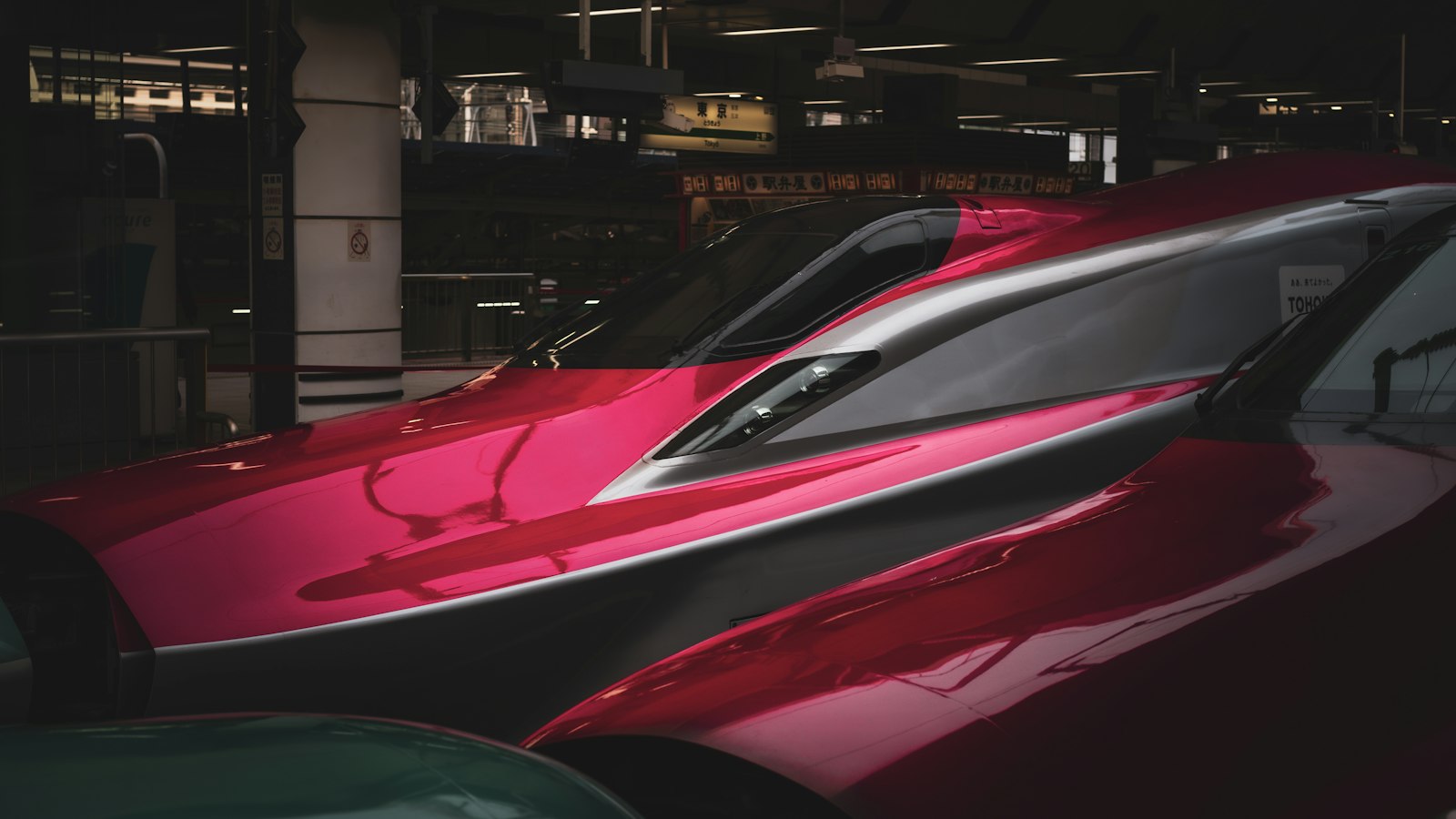
The Japan Rail Pass used to be an automatic purchase. It isn’t anymore. The 7-day nationwide ordinary pass costs ¥50,000, about ₱20,000, and overseas sales channels are scheduled to move it to ¥53,000 from 1 October 2026. That’s roughly ₱21,200.
So does it pay off? Only if you’re covering long distances. A rough rule: one Tokyo to Kyoto round trip on the Shinkansen plus a couple of shorter hops gets you close to breaking even. If your plan is Tokyo for three days then Kyoto and Osaka for four, run the actual fares first. Many first-timers come out ahead buying individual tickets.
For everyday travel, get an IC card instead. Suica, Pasmo and Icoca all work as tap-and-go for trains, buses, convenience stores and vending machines. Most travellers now load a digital Suica straight onto their phone. It’s the single most useful thing you’ll set up before landing.
Highway buses are the budget move. An overnight bus from Tokyo to Osaka runs a fraction of the Shinkansen fare and saves you a night of accommodation. You’ll arrive stiff, but ₱3,000 richer.
Insider tip: regional passes beat the nationwide pass for most first trips. The JR Kansai passes and JR East passes cover the areas you’ll actually use at a fraction of the ¥50,000 outlay. Look at those before you look at the big one.
Where to Go on a First Japan Trip

For a first visit, the classic Tokyo to Kyoto to Osaka run exists for a reason. It works.
Tokyo deserves three to four days minimum. Shibuya and Shinjuku for the city energy, Asakusa and Senso-ji for the old side, Akihabara if anyone in your group is into anime, and teamLab if you want the photos everyone asks about. Day trip to Kamakura or Nikko if you have the time.
Kyoto is two to three days of temples, and yes, it can blur together if you overbook. Fushimi Inari, Kiyomizu-dera and Arashiyama are the big three. The famous shot of the torii tunnel with nobody in it? That requires arriving before 7am. Fushimi Inari is open around the clock, so this is one of the rare Japan attractions where an early alarm genuinely pays.
Osaka is where you eat. One or two days is enough for the city itself, but it makes a good base for Nara and its deer, and for Himeji Castle.
Insider tip: don’t try to add Hokkaido or Okinawa to a seven-day first trip. You’ll spend the extra days in transit. Save them for trip number two, which, be warned, you will start planning on the flight home.
Food, Money and Everyday Practicalities
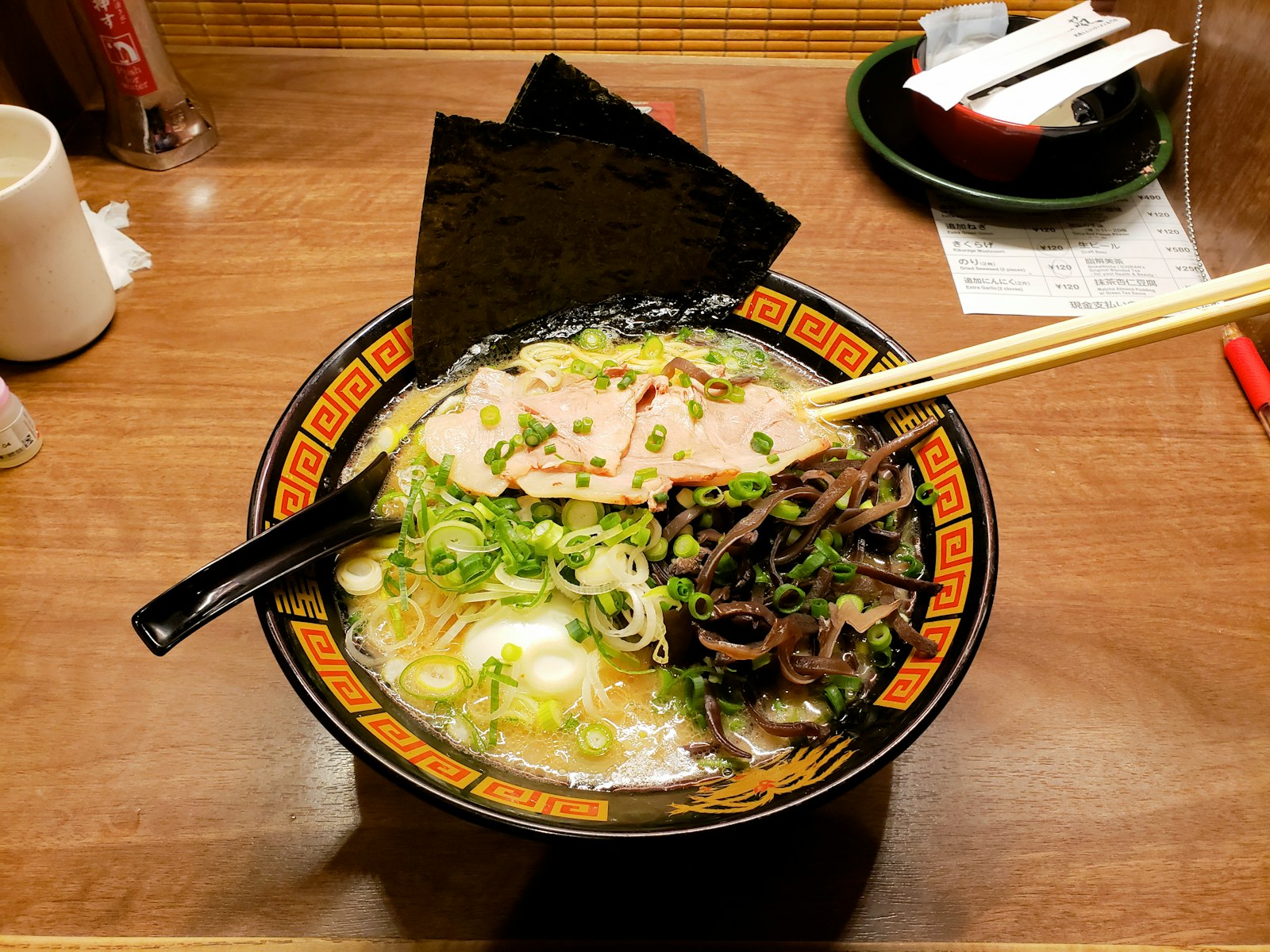
Food is cheaper than you expect. A solid ramen runs ¥900 to ¥1,200, about ₱360 to ₱480. A gyudon chain bowl is under ¥600, roughly ₱240. Standing soba near a train station is under ¥500. You will eat well on ₱1,500 a day without trying.
Money is the part Filipinos most often get wrong. Japan is far more cash-based than its reputation suggests, especially at small restaurants, shrines and rural stations. Carry yen. Seven Bank ATMs inside 7-Eleven reliably accept foreign cards, and they’re everywhere. Your GCash card is useful for some card payments, though don’t lean on it as your only option. If you’ve never used it abroad, our GCash guide for travellers covers the basics of setting it up properly.
One 2026 change worth knowing: from 1 November 2026, Japan’s tax-free shopping system switches over. Instead of paying the tax-free price at the till, you pay the full tax-inclusive price and claim the refund at the airport once customs confirms the goods are leaving Japan. Budget for that gap if you’re planning a serious shopping haul, and give yourself extra airport time on departure day.
Insider tip: get a Japan eSIM before you fly rather than renting pocket wifi at the airport. It’s cheaper, there’s no device to return, and you’re online the second you land. If you found our SIM card guide for Palawan useful, it’s the same principle: sort connectivity before arrival, not after.
Your Pre-Departure Checklist from the Philippine Side

Here’s what to sort out before you leave, in order.
- Passport valid at least six months beyond your travel dates
- Japan visa approved, whether by eVisa or through JVAC
- Roundtrip ticket and confirmed accommodation for every night
- Philippine travel tax settled, either bundled in your fare or paid separately
- Visit Japan Web registered, so you scan one QR code at the joint immigration and customs kiosks now running at Haneda, Narita and Kansai
- Travel insurance covering medical costs, since Japanese healthcare is excellent and expensive
- Yen cash for your first 48 hours, plus a card that works at Seven Bank ATMs
- Weather-appropriate clothing, which for winter means real layers, not a jacket you bought for aircon
Bureau of Immigration officers at NAIA may ask about your itinerary and funds on departure. Have your bookings and return ticket ready on your phone. It’s routine, not personal.
Insider tip: take screenshots of everything. Visa, boarding pass, hotel confirmations, Visit Japan Web QR. Airport wifi fails at the worst possible moment, and a screenshot never buffers. Same habit we recommend in our packing guide, and it has saved more trips than any gadget.
Frequently Asked Questions
Do Filipinos need a visa to enter Japan in 2026?
Yes. Philippine passport holders need a tourist visa. There is no visa-free entry. You can apply online through the eVISA system only if you’re joining a designated package tour, otherwise you apply through the Japan Visa Application Centre run by VFS Global.
How much is the Japan visa fee for Filipinos?
The Japanese government fee for temporary visitor visas remains free for Filipinos, even after Japan’s 2026 fee increase for other nationalities. You pay roughly ₱800 as a JVAC handling fee, plus courier charges if you use them.
How much does a 7-day Japan trip cost from Manila?
Plan for roughly ₱49,000 per person on a budget trip and around ₱109,000 for a comfortable one, including airfare, visa, travel tax, accommodation, food, transport and insurance. Peak sakura dates push both figures higher.
Is the JR Pass still worth buying in 2026?
Only for long-distance itineraries. The 7-day ordinary pass is ¥50,000, moving to ¥53,000 through overseas channels from 1 October 2026. If you’re staying mostly around Tokyo, or doing just one Tokyo to Kyoto round trip, individual tickets or a regional pass usually cost less.
When is the best month for a first Japan trip?
November is the sweet spot: cool weather, autumn colours, manageable crowds and softer prices. Late March to early April gives you cherry blossoms but at peak cost and peak crowding.
How much is the Philippine travel tax when flying to Japan?
₱1,620 for economy passengers. Some airlines bundle it into your fare and some don’t, so check your booking breakdown before you get to the airport.
Should I bring cash or rely on cards in Japan?
Bring cash. Japan is more cash-based than most visitors expect, especially at small restaurants, temples and rural stations. Withdraw yen from Seven Bank ATMs inside 7-Eleven, which accept foreign cards reliably.
Ready to Plan Your Trip?
CMT Ticketing and Services handles ticketing, transfers and tour packages for Filipino travellers, whether you’re heading to Tokyo or staying closer to home. Message us on Facebook Messenger or WhatsApp and we’ll help you compare fares and sort your booking.
Not quite ready for Japan yet? Have a look at our travel packages, including El Nido island hopping tours and our 5-day Palawan itinerary. Whichever direction you’re heading, this Japan travel guide for Filipinos and the rest of our planning guides are here to get you moving.