

Leave No Trace in Palawan: A Practical Guide for Responsible Tourism (2026)
Here’s the thing about Palawan: everyone who visits falls a little bit in love with it, and then they tell their friends, and then their friends come too. That’s exactly how a quiet fishing town like El Nido ends up with boat traffic jams in Small Lagoon by 10am during peak season. Leave no trace palawan responsible tourism isn’t some abstract eco-buzzword here. It’s the difference between these islands looking the way they do in your Instagram feed ten years from now, or looking like a cautionary tale.
I’ve been running tours around Bacuit Bay long enough to watch this shift happen in real time. When we first started, almost nobody asked about reef-safe sunscreen. Now it’s one of the top three questions we get on Messenger. That’s a good sign, honestly. But there’s still a gap between wanting to travel responsibly and actually knowing how, especially if this is your first trip to Palawan. So let’s close that gap.
Why Leave No Trace Matters in Palawan Right Now
Palawan isn’t just scenic. It’s ecologically fragile in ways that aren’t always obvious from a boat deck. The limestone karst cliffs you see in every El Nido photo took millions of years to form, and the coral reefs beneath your kayak took decades to grow into the shapes they’re in. Damage happens fast. Recovery does not.
The Palawan Council for Sustainable Development (PCSD) is the government body tasked with managing this balance, and they’ve tightened rules over the past few years precisely because unmanaged tourist volume was starting to show up in coral health surveys. Puerto Princesa’s Underground River, one of the most visited sites on the island, is a UNESCO World Heritage Site, which comes with real conservation obligations, not just a nice title on a brochure.
And look, I get it. You’re on vacation. You didn’t fly eight hours (or take a two hour AirSWIFT hop from Manila) to think about watershed management. But small habits, multiplied by the roughly two million visitors Palawan receives in a good year, add up to either protection or degradation. There’s not really a neutral option.
Insider tip: If you want to see how much tourism pressure has grown, ask any boatman who’s been working Bacuit Bay for 15+ years. They’ll tell you which lagoons used to be empty at sunrise that are now crowded by 8am. That’s your signal for when to actually visit certain spots (more on timing below).
The 7 Leave No Trace Principles, Palawan Style
The original Leave No Trace framework was built for American wilderness backpacking, so it needs some translation for a tropical island province where most of your “trail” is actually a boat route. Here’s how it maps onto an actual Palawan itinerary.
1. Plan Ahead and Book With Legitimate Operators
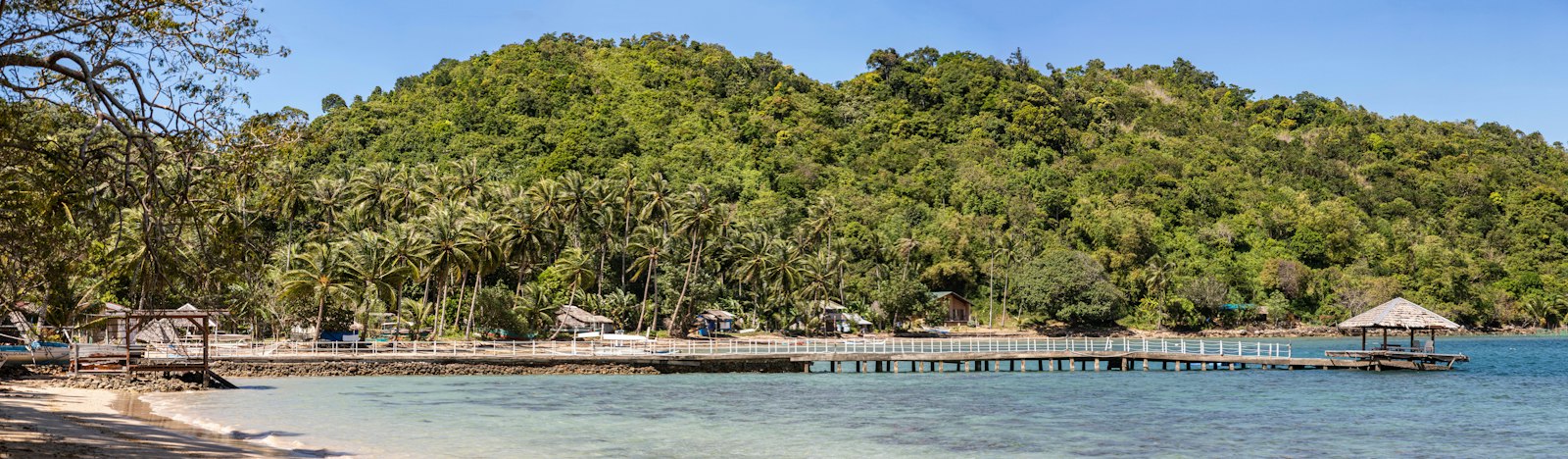
Unlicensed “colorum” boats undercut prices but often skip the environmental fees that fund reef patrols and cleanup crews. Booking through a PCSD-registered operator (check for a permit sticker on the boat) means your fee is actually going somewhere useful. It also means the boat is following designated routes instead of cutting through protected zones to save fuel.
2. Stick to Marked Sites and Trails
Big Lagoon, Small Lagoon, and Hidden Beach all have designated entry points and swim zones for a reason. Wandering off to “find a quieter spot” usually means walking on live coral or fragile shoreline vegetation that isn’t built to handle foot traffic.
3. Dispose of Waste Properly (Including on the Boat)
This one’s simple but gets ignored constantly: whatever you bring out to the islands, bring back. Most El Nido tour boats don’t have trash service at the lagoons themselves, so plastic wrappers and water bottles either get carried back or, worse, end up in the water. We keep a dry bag specifically for trash on every CMT boat. Ask if your operator does the same before you book.
4. Leave What You Find
Shells, coral fragments, starfish, sand dollars. I know the pull to grab a souvenir is real (we’ve all been tempted), but removing these items disrupts the ecosystem more than it looks like from the surface. Starfish in particular can die within minutes of being lifted out of water for photos. Take the picture, leave the creature.
5. Minimize Fire Impact
Beach bonfires happen, especially around Port Barton and on overnight island hopping trips. If your group does one, use existing fire rings when available and never burn plastic or treated wood, which releases toxins into sand that stays there long after the ash is gone.
6. Respect Wildlife
Don’t chase sea turtles for a better photo. Don’t feed fish (it changes their natural feeding behavior and can introduce bacteria). Don’t touch anything underwater, full stop, including things that look sturdy like giant clams or table coral. Your fins can do damage even when your hands don’t.
7. Be Considerate of Other Visitors and Local Communities
Palawan’s beauty isn’t a backdrop, it’s someone’s home. Keep noise reasonable near residential areas, ask before photographing local fishermen or their families, and remember that the barangays around these tourist sites are living communities, not theme park staff.
Reef-Safe Sunscreen and Gear: What to Pack
Standard sunscreen with oxybenzone and octinoxate contributes to coral bleaching, and honestly, with how much time you’ll spend snorkeling here, your sunscreen choice matters more in Palawan than almost anywhere else you’ll travel. Look for “reef-safe” or “reef-friendly” labeling, and check that zinc oxide or titanium dioxide is the active ingredient.
You can find reef-safe sunscreen at pharmacies in El Nido town for around ₱350 to ₱450 for a standard tube, though selection is limited, so I’d honestly recommend packing it before you arrive. For a full rundown of what else to bring (and what you can skip), check our guide on what to pack for Palawan.
Insider tip: Rash guards do double duty here. They protect your skin from sun without any sunscreen at all, and they hold up better against the coral-adjacent scrapes that happen when you’re getting in and out of boats.
Understanding Palawan’s Environmental Fees (and Where the Money Goes)
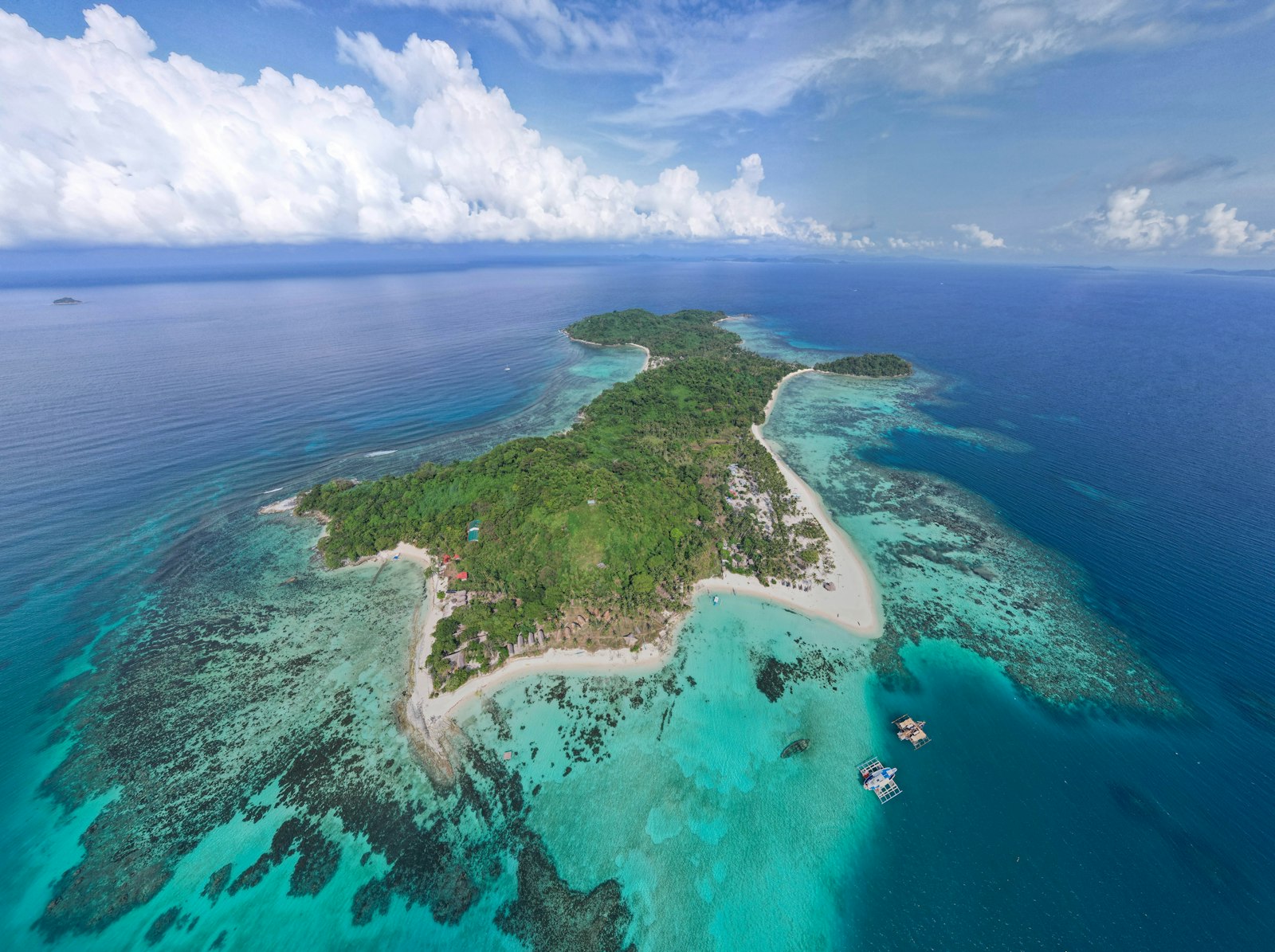
Every destination in Palawan charges some form of environmental or eco-tourism fee, and yes, it can feel like a lot of small payments adding up. But these fees are the actual funding mechanism behind ranger patrols, mooring buoy installation (which prevents anchor damage to coral), and waste management on islands with no municipal trash service.
| Destination | Fee Type | Approximate Cost (2026) | What It Funds |
|---|---|---|---|
| El Nido | Eco Tourism Development Fee | ₱200 (valid 10 days) | Ranger patrols, lagoon maintenance, waste collection |
| Coron | Eco Tourism Fee | ₱300 (valid 5 days) | Reef protection, mooring buoys, site upkeep |
| Puerto Princesa Underground River | Entrance + Environmental Fee | ₱400-₱600 depending on package | UNESCO site conservation, cave ecosystem protection |
| Port Barton | Environmental Fee | ₱100 | Local waste management, beach cleanup programs |
These numbers shift slightly year to year, so always confirm current rates with your operator or at the local tourism office when you arrive. If you’re island hopping between El Nido and Coron, our guide on the El Nido to Coron boat trip breaks down fees for that specific route too.
Choosing Tour Operators Who Actually Practice What They Preach
This is where you, as a traveler, have real leverage. Ask potential operators directly: do you use reusable water containers instead of single-use plastic bottles? Do you carry trash back to town? Do your boats have proper mooring points instead of dropping anchor on reef?
At CMT, our island hopping tours run on refillable water jugs instead of individual plastic bottles, and every boat carries a trash bag back to shore, no exceptions. We also brief every guest on reef etiquette before we leave the dock, not because we’re trying to lecture anyone, but because five minutes of context prevents most accidental damage. You can see our full lineup on our El Nido tours page or, if you’re extending the trip north, our Coron tours page.
Common Mistakes Tourists Make (And How to Avoid Them)
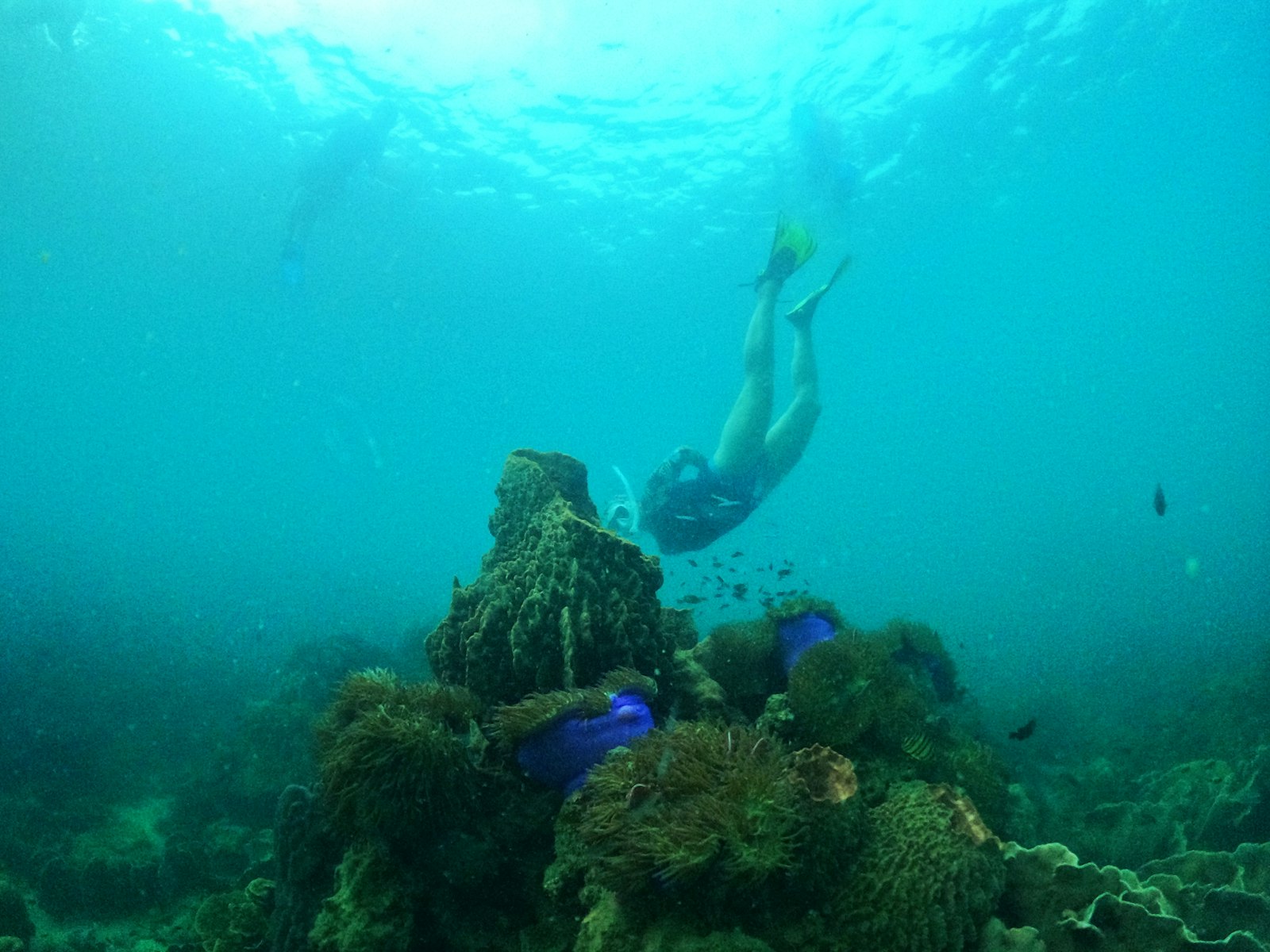
Even well-meaning travelers slip up. Here’s what we see most often:
- Standing on coral to take a photo. Even “dead-looking” coral can be alive or supporting a fragile ecosystem underneath.
- Wearing sunscreen with oxybenzone. Check the label before you pack, not after you arrive.
- Taking shells or sand as souvenirs. It’s tempting, but it’s also technically restricted in several protected zones.
- Feeding fish bread or chips during snorkeling stops. It’s common to see boat crews do this for tourist entertainment, but it disrupts natural fish behavior. Feel free to (politely) say you’d rather not.
- Over-tipping for “extra” wildlife interaction. If a guide offers to catch a turtle or starfish for photos, decline. This demand is what drives the behavior in the first place.
Supporting Local Communities the Right Way
Responsible tourism isn’t only environmental, it’s economic too. Buy your souvenirs from local vendors in El Nido town rather than resort gift shops when you can. Eat at family-run carinderias alongside the beachfront restaurants. Book homestays or locally owned guesthouses for at least part of your trip if your itinerary allows it.
And here’s a small thing that makes a real difference: learn a few words of Filipino or the local Cuyonon dialect. “Salamat” (thank you) goes a long way. Most boat crews and guides genuinely appreciate the effort, even if your pronunciation is rough (mine still is, and I’ve lived here for years).
For general trip planning that keeps sustainability in mind, our guides on best time to visit Palawan and Palawan travel requirements are worth reading before you book flights.
Timing Your Trip to Reduce Impact

Visiting during shoulder season (late May to early June, or October) instead of peak months spreads tourist pressure more evenly across the year and often means better rates too. If you do visit during peak season (November through May), consider booking the earliest island hopping departure your operator offers. Arriving at Big Lagoon at 7am instead of 10am means fewer boats, calmer water, and honestly, better photos anyway. That golden early light on the karst cliffs is something else. We arrived at Secret Lagoon once at dawn with maybe two other boats in sight, and it completely changed how the whole day felt.
Final Thoughts
Leave no trace palawan responsible tourism sounds like a mouthful, but in practice it comes down to a handful of habits: pack reef-safe sunscreen, book operators who follow environmental protocols, don’t touch what you’re not supposed to touch, and bring your trash back with you. None of it requires sacrificing a good trip. If anything, traveling this way tends to produce better memories, because you’re paying attention instead of just consuming a destination. Palawan gave us a lot of unforgettable mornings over the years. The least we can do is make sure it’s still around to give the next traveler the same thing.
Frequently Asked Questions
What does “Leave No Trace” mean for a Palawan trip specifically?
It means minimizing your environmental footprint at every stage: choosing reef-safe products, not touching or removing marine life, disposing of trash properly (including carrying it off boats), and sticking to designated routes and swim zones instead of exploring off-limits areas.
Is reef-safe sunscreen mandatory in El Nido or Coron?
It’s not currently law-enforced at the dock, but it’s strongly encouraged, and several tour operators (including CMT) recommend it directly to guests. Some protected marine parks elsewhere in the Philippines do enforce it, so it’s a good habit to build regardless.
How much are Palawan’s environmental fees in 2026?
Roughly ₱200 for El Nido (valid 10 days), ₱300 for Coron (valid 5 days), ₱100 for Port Barton, and ₱400 to ₱600 for the Puerto Princesa Underground River depending on the package. Always confirm current rates with your operator since these can adjust year to year.
Can I still take pictures with marine life like turtles or starfish?
You can photograph them in their natural environment without touching, chasing, or removing them from the water. Ask your guide to maintain a respectful distance rather than forcing an interaction for the photo.
Are unlicensed boat operators actually a problem?
Yes. Unlicensed “colorum” boats often skip environmental fees and don’t follow designated routes, which increases pressure on protected reef zones. Booking a PCSD-registered operator supports the system that funds conservation work.
What’s the best time to visit Palawan to minimize crowding?
Shoulder season months (late May, early June, and October) see fewer visitors than peak season (November through May). Within peak season, booking the earliest island hopping departure available reduces crowding at popular lagoons.
Do I need to bring my own trash bag on island hopping tours?
It’s not required, but it’s a thoughtful habit. Most reputable operators, including CMT, carry trash back to shore themselves, but bringing a small dry bag for your own wrappers and bottles never hurts.
Ready to explore Palawan the responsible way? Book an El Nido island hopping tour with CMT and travel with an operator that takes reef protection and proper waste management seriously, or check out our Coron tours if you’re extending your trip north. Message us on Facebook for same-day availability and best price.