

If you’ve been scrolling through Coron itineraries, chances are you’ve seen Maquinit Hot Springs mentioned as an afterthought, usually tacked onto the end of a “Top 10 Things to Do” list. Honestly, that’s a mistake. Maquinit Hot Springs in Coron is one of only a handful of saltwater hot springs on the planet, and after a full day of island hopping around Kayangan Lake and Twin Lagoon, there’s nothing quite like lowering yourself into warm, mineral-rich water while mangrove branches sway overhead. We went in expecting a tourist trap. We left planning our next trip around it.
Here’s the thing about Maquinit: it doesn’t photograph as well as the postcard lagoons Coron is famous for, so it gets skipped by people rushing their itinerary. But if your legs are sore from climbing Mount Tapyas or your skin feels tight from a day of saltwater and sun, this is exactly what you need. Let’s get into what makes it worth the detour, what it actually costs in 2026, and how to time your visit so you’re not sharing the pool with forty other people.
What Makes Maquinit Hot Springs So Different
Most hot springs you’ve soaked in, whether in Baguio or abroad, are freshwater. Maquinit is different. It’s a naturally occurring saltwater hot spring, believed to be one of only a few in the world and the only one of its kind in the Philippines. The water is heated geothermally, seeps up through the ground near the coast, and gets its salt content from its proximity to the sea and the surrounding mangrove estuary.
The pools themselves are man-made concrete basins built to contain the spring water, arranged in tiers so you can move between slightly different temperatures. Water temps generally sit somewhere between 38 and 41 degrees Celsius depending on which pool you’re in and the time of day. That’s noticeably warmer than a typical resort jacuzzi, and it’s not the kind of place you do laps in. You go to soak, not swim.
Insider tip: the water often looks a bit brownish or cloudy, and first-time visitors sometimes assume it’s dirty. It’s not. That’s mineral content and tannins from the surrounding mangrove roots, the same reason mangrove-fed rivers look tea-colored. Don’t let the color put you off.
Where Is Maquinit Hot Springs and How Do You Get There

Maquinit Hot Springs sits in Sitio Maquinit, on the southern edge of Busuanga Island, a short ride south of Coron town proper. It’s tucked along the coast, ringed by mangrove forest, which is part of what keeps it feeling more like a hidden pool than a commercial attraction.
Getting There by Tricycle
From Coron town, it’s roughly 20 to 30 minutes by tricycle, depending on how bumpy the road is that week (spoiler: it’s usually a little bumpy). Expect to pay somewhere around ₱300 to ₱400 for a round trip tricycle hire, which typically includes the driver waiting for you and bringing you back. Agree on the price before you get in, that’s just standard practice anywhere in Palawan. If you’re staying near the town center, you can also flag a tricycle on the street rather than pre-booking, since it’s a well-known enough spot that most drivers know exactly where you mean.
Combining It With a Coron Island Hopping Tour
A lot of Coron tour operators, CMT included, can arrange a hot springs add-on after your island hopping day, especially if you’ve just done our Coron island hopping tour and want somewhere to unwind before dinner. It’s a natural pairing. You spend the day chasing lagoons and reefs, then spend the evening letting warm, salty water work on your shoulders.
Maquinit Hot Springs Entrance Fee and Hours (2026)
Pricing at Maquinit is simple, though it does shift slightly depending on who’s collecting that day, so treat these as close approximations rather than fixed numbers carved in stone.
| Item | Approximate Price (2026) |
|---|---|
| Adult entrance fee | ₱200 to ₱300 |
| Children (typically under 10) | Around ₱100, discounted |
| Senior citizens / PWD | Discount typically applied per Philippine law |
| Tricycle round trip from town | ₱300 to ₱400 |
| Opening hours | Daily, roughly 8:00 AM to 7:00 PM |
Insider tip: bring small bills and coins. There’s sometimes a small separate environmental or parking fee on top of the entrance ticket, and change can be limited at the gate, especially in the evening rush.
What to Expect Once You’re There
The setup is low-key on purpose. You’ve got a series of tiered pools, wooden walkways, and mangrove trees growing right up to the water’s edge. There are basic changing rooms and restrooms on site, but don’t expect resort-level amenities. Bring your own towel and flip-flops just in case, since rental availability isn’t something I’d bank on every visit.
It’s not a big space, so on a slow afternoon you might have a pool nearly to yourself. On a busy evening, especially around sunset when tour groups roll in, it can fill up fast. That’s honestly the biggest factor in whether you’ll love it or find it just okay.
Best Time to Visit Maquinit Hot Springs
So when should you actually go? Nighttime is the local favorite, and for good reason. Once the sun goes down and the air cools off, the contrast between the warm water and the night air feels incredible, and the whole place takes on a quieter, almost secretive vibe. If you’re staying in town, aim to arrive right after dinner, around 7 to 8 PM, though double check the current closing time before you head out since hours can shift seasonally.
If you’d rather avoid crowds entirely, an early morning visit right when it opens at 8 AM is your best bet, before day-tour groups start arriving.
Weather-wise, El Nido and Coron share the same general Palawan pattern: dry season runs roughly November through May, and the wetter months fall between June and October. You can check current conditions before your trip through PAGASA, the Philippines’ official weather bureau, since a passing shower won’t ruin a hot spring visit but it will affect the tricycle ride there.
What to Bring
- Swimwear (obviously, but people forget)
- A towel, just in case rentals aren’t available that day
- Flip-flops or sandals you don’t mind getting wet
- Small bills and coins for entrance and possible parking fees
- A dry bag for your phone, since the walkways can get slippery near the pools
- Bug spray, mangrove areas tend to have mosquitoes around dusk
Who Should Be Careful With Hot Springs Like This
A quick practical note that a lot of blog posts skip. Soaking in water this warm, close to 40 degrees Celsius, isn’t ideal for everyone. If you’re pregnant, have high blood pressure or a heart condition, or you’re traveling with young kids, it’s worth easing in gradually and limiting how long you stay in the hottest pools rather than diving straight into the deepest one. Stay hydrated, take breaks in the cooler pools if the temperature feels like too much, and don’t go straight from a full day in the sun into a long soak without a breather in between. None of this is meant to scare you off, it’s the same common-sense advice you’d get at any geothermal spring anywhere in the world.
Is Maquinit Hot Springs Worth It?
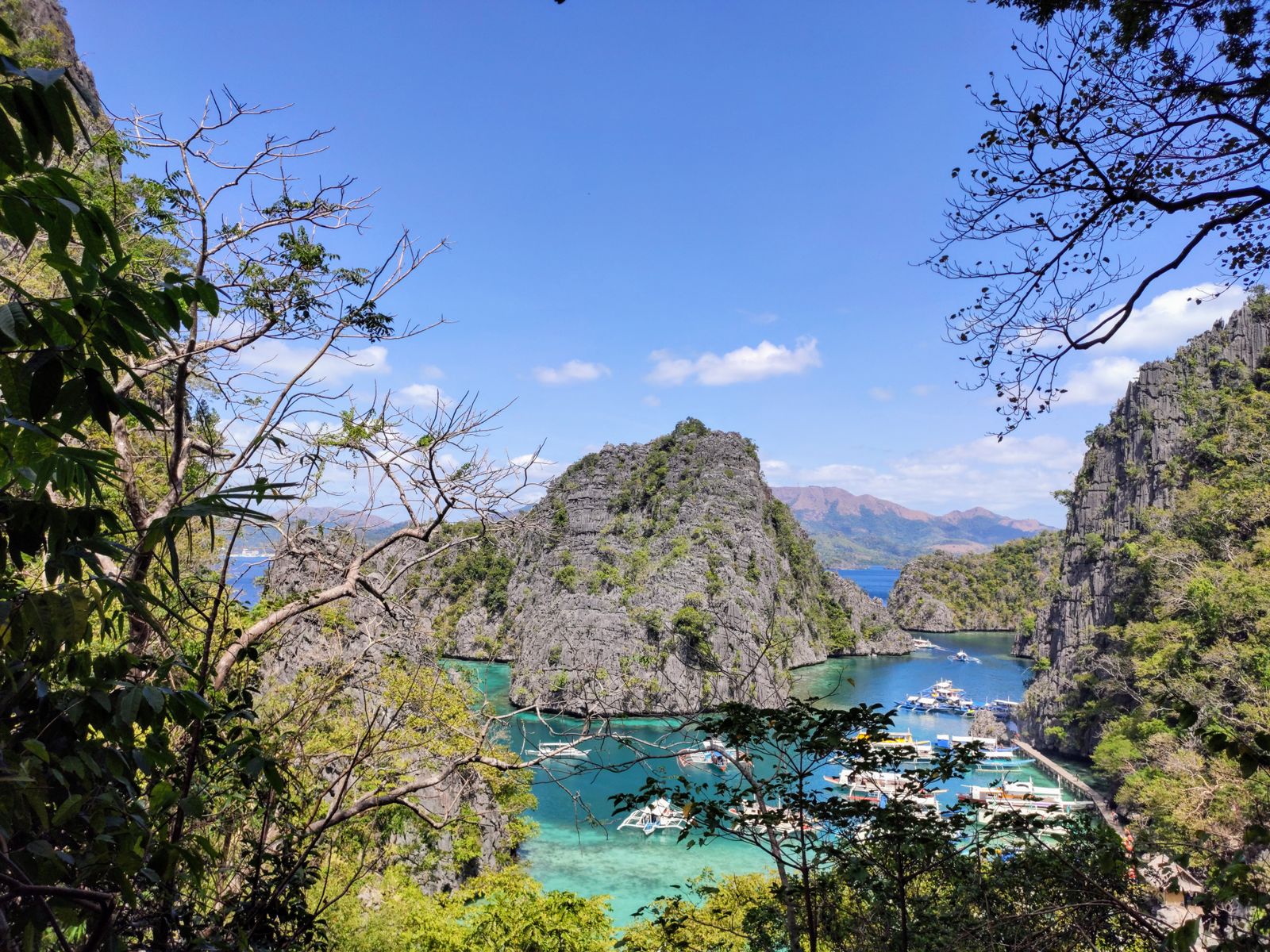
I get why some travelers hesitate. Coron already has Kayangan Lake, Twin Lagoon, and a wreck diving scene that draws people from around the world, so a modest hot spring can feel like a low priority when you’ve only got two or three days. And if you’re purely chasing Instagram shots, sure, this isn’t going to out-photograph a limestone lagoon.
But that’s kind of missing the point. Maquinit isn’t a scenic showstopper, it’s a physical reset. After a day of sun, saltwater, and hauling snorkel gear around, soaking in warm mineral water while mangroves rustle above you is genuinely restorative. Ask yourself this: would you rather spend your last evening scrolling through photos of the day, or actually letting your body recover from it?
Pair it with a morning Mount Tapyas sunrise hike and you’ve got a full day that balances effort with recovery, which is honestly how most seasoned Palawan travelers structure their Coron stop. If you’re still deciding whether Coron deserves the extra days on your route, our guide on whether Coron is worth visiting breaks down the case in more detail, and our Coron budget guide can help you see where a hot springs stop fits into your daily spend.
Getting to Coron in the First Place
If you’re coming from El Nido, the most common route is a direct flight from Busuanga’s Francisco B. Reyes Airport, which connects to El Nido on AirSwift, or flying into Coron via Manila or Cebu on carriers like Cebu Pacific. Our full breakdown on how to get to Coron covers flight routes, ferry options, and rough travel times if you’re still mapping out your Palawan trip. Once you land, our guide to where to stay in Coron can help you pick a base that’s not too far from Sitio Maquinit.
Frequently Asked Questions
Is Maquinit Hot Springs the only saltwater hot spring in the Philippines?
Yes, based on available records it’s considered the only known saltwater hot spring in the country, and one of just a handful in the world.
How much is the entrance fee at Maquinit Hot Springs in 2026?
Expect to pay approximately ₱200 to ₱300 per adult, with discounted rates typically available for children, seniors, and PWDs. Prices can shift slightly, so treat this as a close estimate rather than a fixed rate.
How do I get to Maquinit Hot Springs from Coron town?
The easiest way is by tricycle, roughly 20 to 30 minutes from town, with a round trip typically costing around ₱300 to ₱400 including wait time.
Is Maquinit Hot Springs open at night?
Yes, and nighttime is actually the most popular time to visit. It’s generally open daily until around 7 PM, though it’s worth confirming current hours before you go since they can shift.
Why does the water look brown or cloudy?
That’s from natural minerals and tannins in the water, partly due to the surrounding mangrove ecosystem. It’s not a sign of poor hygiene, just the natural character of a saltwater geothermal spring.
Can I combine Maquinit Hot Springs with island hopping in one day?
Definitely, and it’s actually the classic move. Many travelers do a full day of island hopping, then head to Maquinit in the evening to soak sore muscles before dinner.
Is Maquinit Hot Springs worth visiting if I only have two days in Coron?
If your schedule allows even one evening, yes. It doesn’t require a half-day commitment like island hopping does, so it’s easy to slot in after dinner without disrupting the rest of your itinerary.
Ready to add Maquinit Hot Springs to your Coron trip? Planning a Coron stop and want your island hopping day paired with the right add-ons, hot springs included? Message CMT Ticketing and Services on Facebook or check out our 4-day Coron highlight package or the shorter 3-day Coron explore package, and we’ll help you build an itinerary that actually lets you rest, not just rush from one stop to the next.