Money in Palawan 2026: ATMs, Exchange Rates & Cash Tips
Here’s the thing nobody tells you before your first trip here: Palawan runs on cash, and the further you get from Puerto Princesa, the truer that becomes. Money exchange in Palawan is not like changing currency in Manila or Cebu. There are fewer counters, worse rates, and in some towns literally no bank at all. I’ve watched more than a few guests arrive in El Nido with a card, a smile, and about ₱800 in their pocket, then spend their first afternoon walking between ATMs instead of swimming.
So let’s fix that before it happens to you. This guide covers what your currency is actually worth in 2026, where the working ATMs are, what the fees really cost, and how much cash to carry into each destination.
The Philippine Peso in 2026: What Your Money Is Worth
The Philippine peso (₱, code PHP) is the only currency you’ll actually spend here. Nobody in El Nido prices a tour in dollars, and any place that “accepts” your foreign notes is quietly charging you for the privilege.
As of late August 2026, one US dollar buys roughly ₱61 to ₱62. The peso has weakened noticeably over the past year, which is good news if you’re arriving with foreign currency. Rates move daily though, so check a live converter the morning you exchange rather than trusting a number you read three months ago. The Bangko Sentral ng Pilipinas publishes official reference rates if you want the authoritative figure.
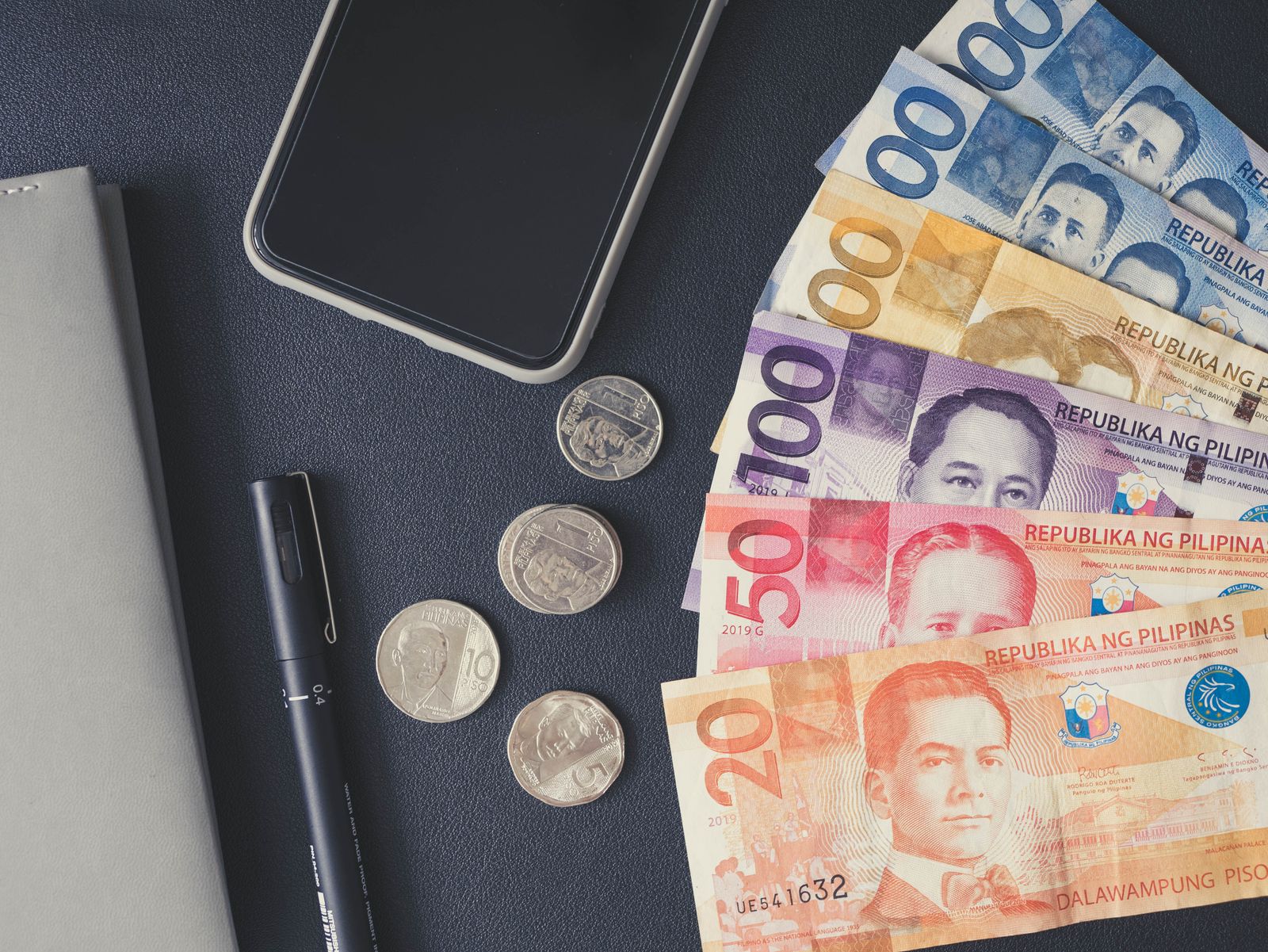
Banknotes come in ₱20, ₱50, ₱100, ₱200, ₱500 and ₱1,000. Coins run ₱1, ₱5, ₱10 and ₱20. And this matters more than it sounds: small denominations are gold in Palawan. Tricycle drivers, sari-sari stores and market vendors often can’t break a ₱1,000 note at 8am. Ask the bank or ATM for a mix, or break big notes at a supermarket early in your trip.
Insider tip: hoard your ₱20s and ₱50s
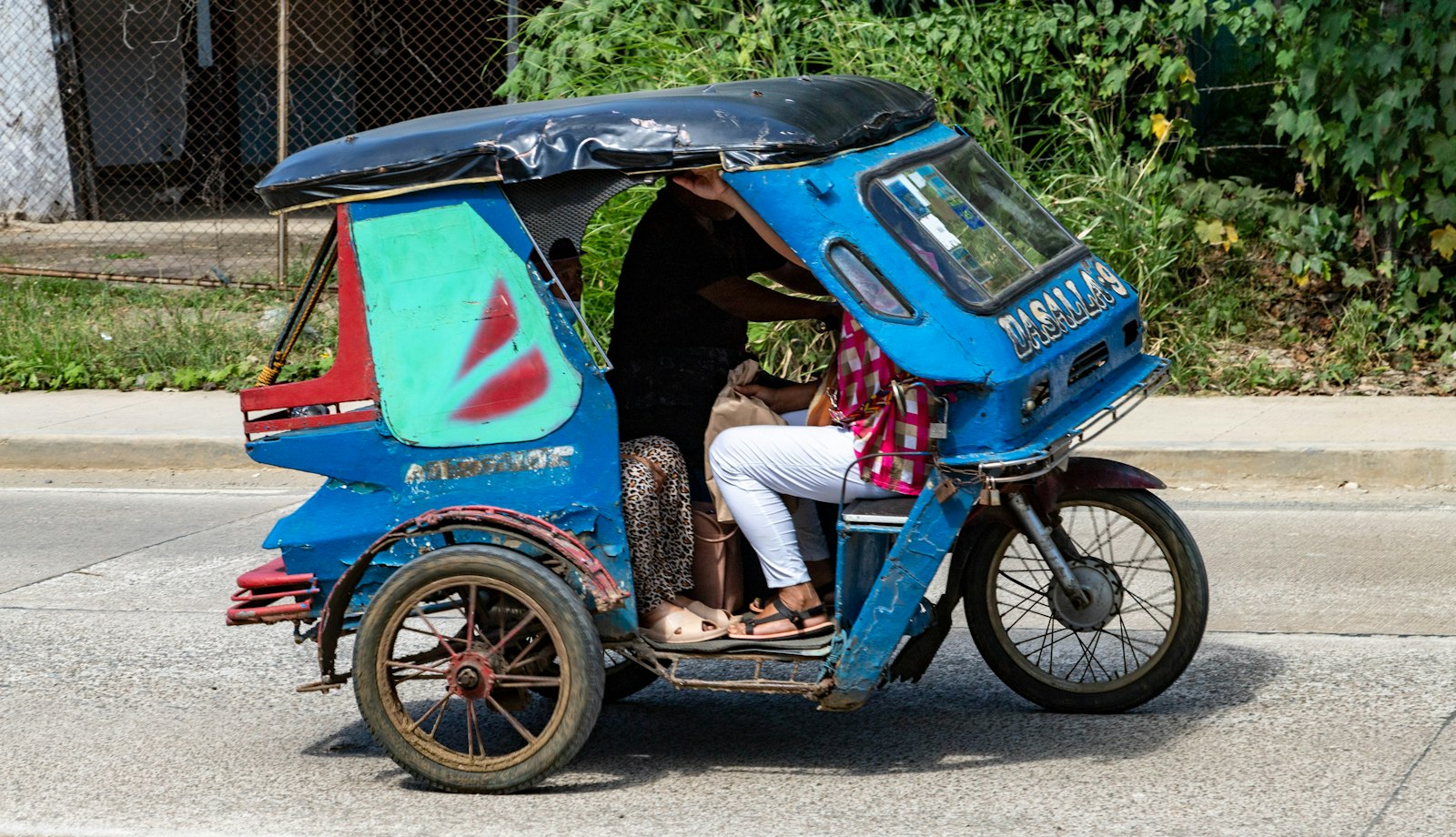
A tricycle ride within El Nido town runs ₱50 to ₱100 per person. If you only have ₱1,000 notes, you’ll either wait while the driver hunts for change or you’ll overpay. I keep a separate pocket just for small notes. Sounds fussy. Saves a surprising amount of hassle.
Where to Exchange Money in Palawan (and Where Not To)
Let me be blunt about this. The best rates in the Philippines are in Manila, particularly around Malate, Makati and the airport districts. Puerto Princesa is second best. El Nido is where rates go to die.
In Puerto Princesa, the reliable options are the pawnshop chains along Rizal Avenue, mainly M. Lhuillier and Villarica. They typically beat the smaller independent counters by 20 to 25 centavos per dollar. That sounds trivial until you’re changing $500, at which point it’s real money.
El Nido has no dedicated licensed money changer and no foreign exchange bank counter. Some hotels and dive shops will swap USD or EUR for you at informal rates, and those rates are noticeably worse than what you’d get in the city. Coron has slightly better options than El Nido but still nothing close to Manila. Port Barton and Balabac? Assume zero.
| Location | Exchange Options | Rate Quality |
|---|---|---|
| Manila (NAIA, Malate, Makati) | Many licensed changers | Best |
| Puerto Princesa | M. Lhuillier, Villarica, Rizal Ave counters | Good |
| Coron town | A few informal counters, some hotels | Fair to poor |
| El Nido | Hotels and shops only, informal | Poor |
| Port Barton | Essentially none | Not available |
| Balabac | None | Not available |
Insider tip: change money before you leave the city
If you’re flying into Manila or Puerto Princesa first, change most of your budget there. Bring clean, uncreased notes. Filipino money changers routinely reject torn, marked or heavily folded foreign bills, and older USD series sometimes get refused outright.
ATMs in Palawan: Where They Are and What They Cost
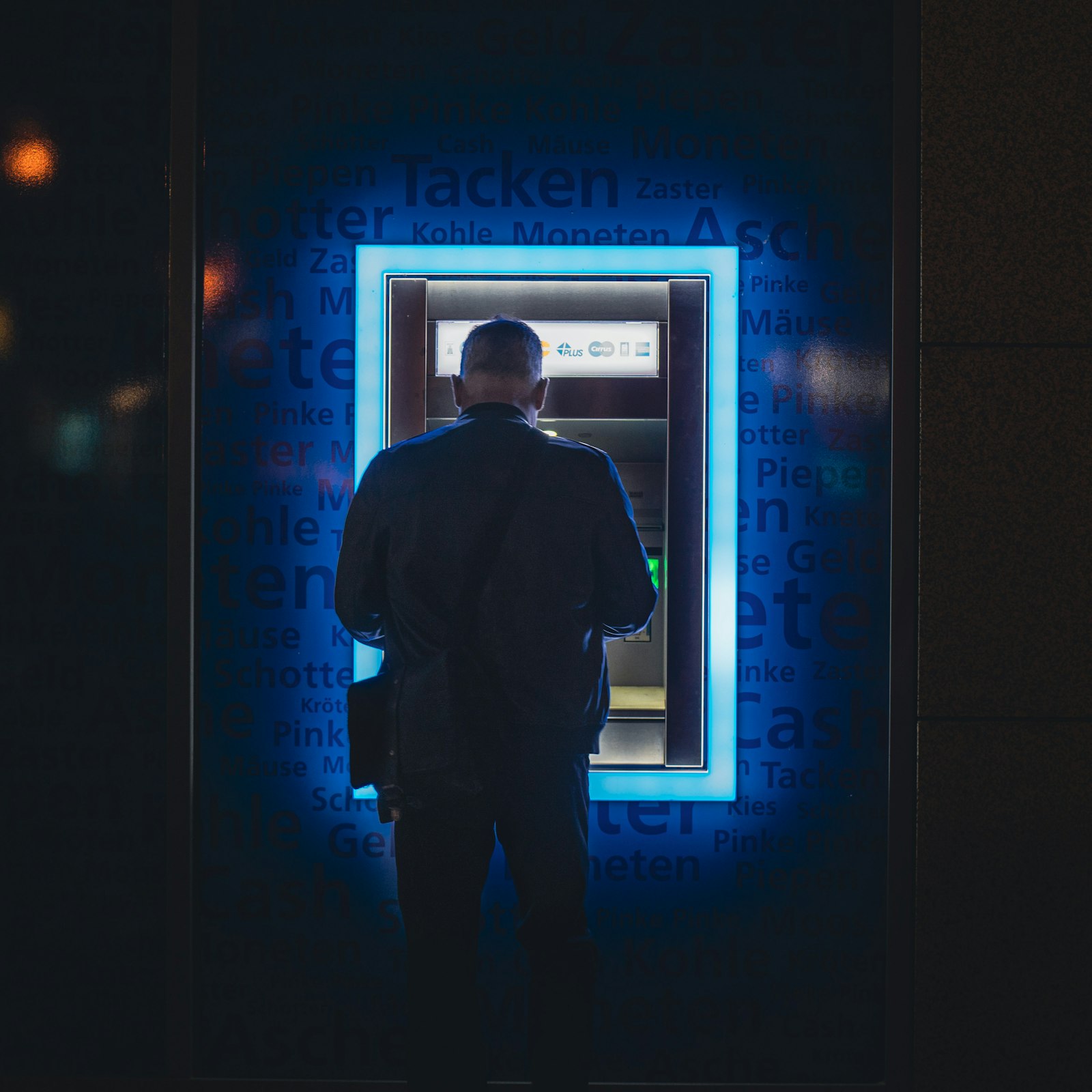
Puerto Princesa is the only place in Palawan with genuinely dependable ATM coverage. BDO, BPI, Metrobank, Landbank and China Bank all have branches and machines in the city, plus ATMs inside the malls. If you’re starting your trip there, and most people do, withdraw properly before you get on that van north.
El Nido has a handful of machines now, including BPI, BDO and Metrobank in town. That’s a real improvement over a few years ago when there were basically none. But they run dry regularly, especially on weekends, on paydays and through the peak months from November to May. When one machine is empty, the others usually are too, because everyone in town is queueing at the same three boxes.
Coron town has ATM access including a BPI machine on the National Highway in Poblacion, and it’s generally more stable than El Nido. Still not a place to rely on for a large withdrawal on a Sunday.
Port Barton has no ATM. None. The nearest machines are in Roxas town, around 1.5 hours away, or back in Puerto Princesa. Nearly all accommodation, restaurants and tours there are cash only. Balabac is the same story, only more so.
What withdrawals actually cost
Philippine bank ATMs charge foreign cards a fixed fee that’s commonly around ₱250 per withdrawal in 2026, on top of whatever your home bank adds. Per transaction limits are usually ₱10,000 to ₱20,000 depending on the bank, and Metrobank in particular is often capped near ₱10,000 for international cards.
Do the math on that. Withdrawing ₱40,000 in ₱10,000 chunks means four fees, so roughly ₱1,000 gone before you’ve bought anything. Use a bank with a higher per transaction limit where you can, and take out larger amounts less often.
Avoid the standalone private ATMs you sometimes see in convenience stores and small shops. Their charges are percentage based and can run into double digits of whatever you withdraw. That’s not a fee, that’s a robbery with good signage.
| Destination | ATM Availability | Cash to Bring In |
|---|---|---|
| Puerto Princesa | Excellent, many banks | Withdraw here |
| El Nido | Several, often empty | ₱10,000 to ₱20,000 per person |
| Coron | Decent, occasionally down | ₱10,000 to ₱15,000 per person |
| Port Barton | None | Full trip budget in cash |
| Balabac | None | Full trip budget in cash |
For a fuller picture of what you’ll actually be spending day to day, our breakdown of real Palawan trip costs puts numbers against each destination, and is Palawan expensive compares budget, mid range and comfortable travel styles.
Cards, GCash and Digital Payments
Card acceptance in Palawan is patchy and skewed upmarket. Resorts, established dive centres, a few restaurants in El Nido and Coron, and the bigger Puerto Princesa establishments will take Visa and Mastercard. Many of them add a surcharge of around 3 to 5 percent. Smaller guesthouses, boatmen, tricycle drivers, market stalls and most tour operators will not take cards at all.
GCash, on the other hand, is everywhere. It’s the Philippines’ dominant mobile wallet and it’s how a huge share of local business gets paid, including most of our own bookings. If you can get a GCash account working, you unlock a lot of convenience.
The catch is that GCash verification generally requires a Philippine mobile number and Philippine ID documents, which makes it awkward for short stay foreign visitors. Some travellers manage it with a local SIM and a passport, others don’t. Fees changed in 2026 too: over the counter cash in is free up to ₱8,000 per month with a fee applying beyond that, bank transfers into GCash are free, and sending to a bank via InstaPay costs a flat ₱15 or so. Basic verified wallets hold up to ₱50,000. Check the current terms on GCash’s official site before you rely on any specific number.
We wrote a full walkthrough on this, including what actually works for tourists, in our GCash for tourists in Palawan guide. Worth reading if you’re staying more than a week.
Insider tip: tell your bank before you fly
Foreign card blocks are one of the most common money problems we see. A traveller lands, tries an El Nido ATM, and their bank’s fraud system freezes the card because a machine in northern Palawan looks suspicious. Set a travel notice before departure, and carry a second card from a different bank as backup. Keep them in different bags.
How Much Cash to Carry, Destination by Destination
This is the practical question, so let’s answer it properly.
For El Nido, plan on ₱10,000 to ₱20,000 per person for a typical four to five day stay, withdrawn in Puerto Princesa before your van ride. That covers tours, food, a few drinks and your transfers with room to spare. Island hopping tours run roughly ₱1,200 to ₱2,200 per person depending on the tour and whether you go joiner or private, and almost every operator wants cash or GCash on the day.
For Coron, budget similarly. Tours are in the same range and the town has slightly better banking, but the same peak season shortages apply.
For Port Barton, bring everything. Your accommodation, your tours, your meals, your tricycle rides, all of it in cash carried in from elsewhere. This is the single most common budgeting mistake in Palawan and it’s completely avoidable.
You’ll also need cash on hand for environmental and terminal fees, which are collected in person and never by card. El Nido charges an eco tourism development fee per visitor, valid for a set number of days, and the rate has been revised in recent years so confirm the current amount at the tourism office when you arrive. Puerto Princesa, Coron and Port Barton have their own local fees. Our Palawan entry fees guide lists what to expect at each stop, and the Department of Tourism is the official reference for national level travel requirements.
Keeping Your Money Safe
Palawan is a low crime destination and violent theft against tourists is rare. The realistic risks are more mundane: losing cash to water, to a boat, or to your own bag.
Island hopping means wet boats, wet bags and sand in everything. Split your money. Leave the bulk in your accommodation safe or a locked bag, and carry only the day’s spending in a dry bag or ziplock. I’ve seen a guest’s entire week’s budget turn into pulp because it sat in a shorts pocket during a swim at Big Lagoon.
A few habits that help:
- Keep cash in two or three separate places, never all in one wallet
- Photograph your cards front and back and store the images somewhere you can reach without your phone
- Save your bank’s international emergency number offline
- Use a cheap dry bag for boat days, they cost about ₱150 to ₱300 in town
- Count change at the point of transaction, politely, before walking away
Insider tip: keep a ₱2,000 emergency reserve
Tuck a couple of thousand pesos somewhere separate from your daily money and forget about it. Ferries get cancelled, weather closes tours, plans change. Having untouched cash when the ATM is empty and the boat isn’t running turns a crisis into an inconvenience.
Tipping and Everyday Prices
Tipping isn’t obligatory in the Philippines but it’s genuinely appreciated. On an island hopping tour, ₱100 to ₱200 per guest split among the boat crew is a normal, welcome gesture. Restaurants sometimes add a service charge, so check the bill before adding more. Tricycle drivers don’t expect a tip, though rounding up is common.
For rough orientation on daily spending, a local meal runs ₱150 to ₱350, a tourist restaurant main is ₱350 to ₱700, a beer is ₱80 to ₱150, and a bottle of water is ₱20 to ₱40. Accommodation spans ₱900 hostel dorms to ₱15,000 plus resort rooms. If you’re planning a multi destination trip, our Coron travel guide has the local price detail for that side of the province.
Frequently Asked Questions
Can I use US dollars in Palawan?
Not really. A handful of resorts and dive shops will accept them at unfavourable informal rates, but every tour, tricycle, restaurant and shop prices in pesos. Convert before you travel or in Puerto Princesa.
How much cash should I bring to El Nido?
Around ₱10,000 to ₱20,000 per person for four to five days, withdrawn in Puerto Princesa before the van north. Bring more if you’re doing private tours or staying longer.
Are there ATMs in Port Barton?
No. There is no ATM in Port Barton. The nearest reliable machines are in Roxas, roughly 1.5 hours away, or Puerto Princesa. Bring your full budget in cash.
What does it cost to withdraw money from a Philippine ATM?
Bank ATMs commonly charge foreign cards around ₱250 per withdrawal in 2026, plus your home bank’s own fees. Per transaction limits typically sit between ₱10,000 and ₱20,000. Private non bank ATMs charge far more and are best avoided.
Can tourists use GCash in the Philippines?
Sometimes. Full verification usually needs a Philippine mobile number and local ID, which many short stay visitors can’t provide. If you can set it up, it’s extremely useful, since most local operators accept GCash payments.
Where do I get the best exchange rate in Palawan?
Puerto Princesa, specifically the pawnshop chains along Rizal Avenue. Manila is better still. El Nido has the worst rates in the province, so avoid changing money there if you can.
Do Palawan tour operators accept credit cards?
Most don’t. Cash and GCash are the standard. Larger resorts and some dive centres take cards, often with a 3 to 5 percent surcharge.
Plan Your Palawan Trip With Local Help
Getting money exchange in Palawan right is half the battle, and knowing what your trip will actually cost is the other half. At CMT Ticketing and Services we quote everything upfront in pesos, accept GCash and cash, and our four day El Nido package starts at ₱5,800 per person with no surprise add ons at the boat.
Message us on Facebook Messenger or WhatsApp, or browse the full range on our travel packages page and our El Nido tours. Tell us your dates and we’ll tell you exactly what to budget.
