
Palawan Wildlife Rescue Center Guide 2026: What to Expect
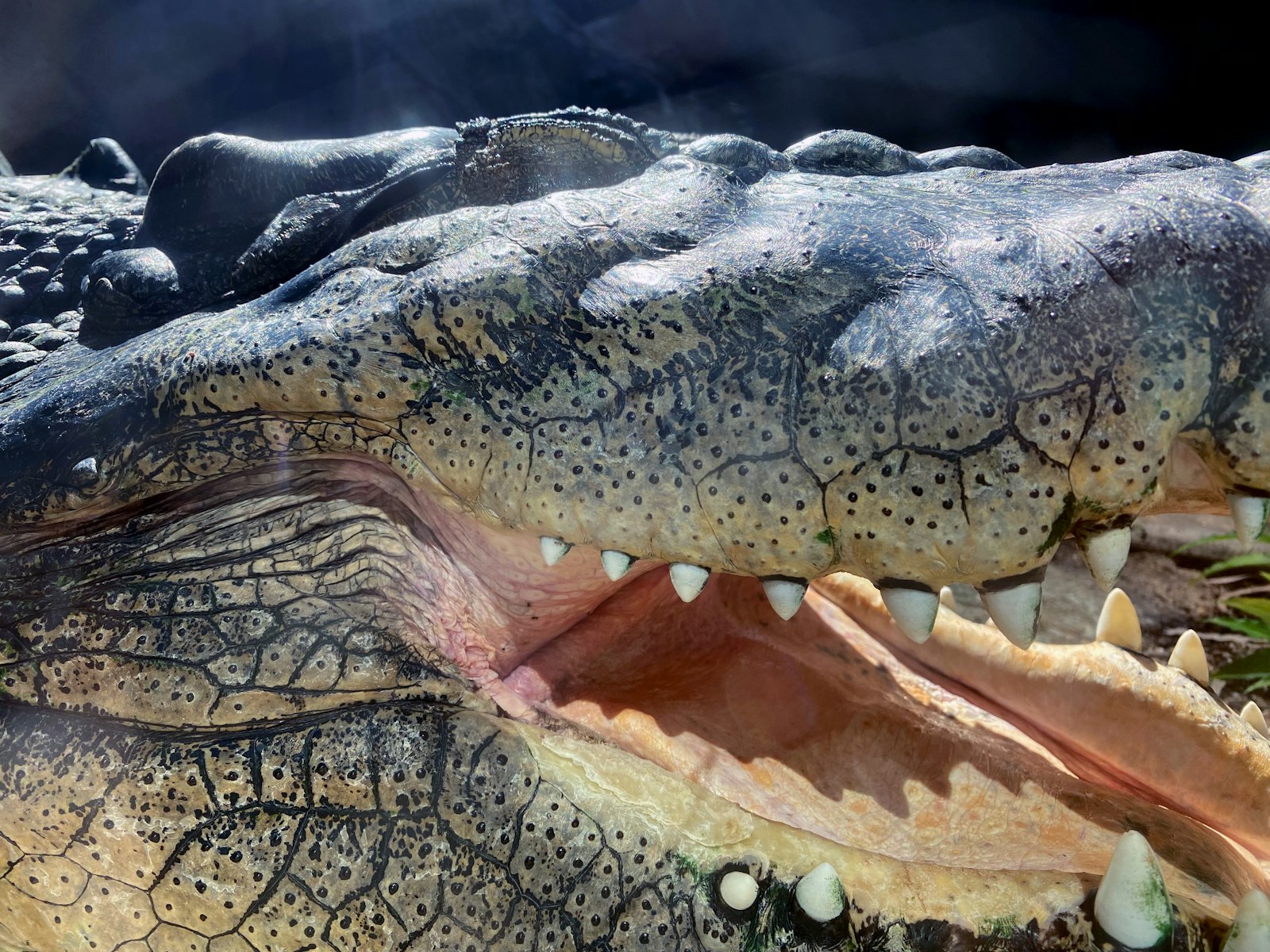
Here’s the thing about the Palawan Wildlife Rescue Center: almost nobody plans a trip to Palawan around it, and almost everybody who gets dragged there on a city tour comes out talking about it. It’s a government crocodile facility in Barangay Irawan, about twenty to thirty minutes outside Puerto Princesa, and it is not a polished theme park. It is a working conservation station with concrete pens, a walkway, and a guide who will tell you things about crocodiles you did not know you wanted to know.
We’ve sent hundreds of guests through this stop as part of our Puerto Princesa itineraries, and the feedback splits neatly into two camps. People who arrive expecting a zoo are underwhelmed. People who arrive expecting a rescue centre find it genuinely interesting. This guide is written to put you firmly in the second camp.
What the Palawan Wildlife Rescue Center Actually Is
Officially it’s the Palawan Wildlife Rescue and Conservation Center, or PWRCC. Locals and tricycle drivers just call it the Crocodile Farm, which tells you where its history sits.
It opened on 20 August 1987 as the Crocodile Farming Institute, a joint project between the Philippine government’s Department of Environment and Natural Resources and the Japan International Cooperation Agency. The original brief was blunt: breed crocodiles, stop the Philippine crocodile from vanishing entirely, and show rural communities that crocodile farming could be a livelihood rather than a nuisance. In 2000 it was renamed the PWRCC, and it’s now run under the DENR’s Natural Resource Development Corporation.
The site covers roughly three hectares and runs on four legs: the crocodile farming institute, the wildlife rescue centre proper, an ecological park, and a training centre. As of the most recent public figures, published in October 2021, it housed around 1,450 crocodiles and about 245 other wild animals.
That second number is the part most visitors miss. This is the place where confiscated pets, injured hornbills, and animals seized from the illegal wildlife trade in Palawan actually end up. Some are rehabilitated and released. Some are too damaged to survive outside and stay for good.
Insider tip
Ask your guide which enclosures hold rescues versus long-term residents. They usually know the individual animals by story, and that one question turns a fifteen-minute walk into a proper conversation. Guides here are paid staff, not commission hustlers, so you’re not being upsold.
Where It Is and How to Get There
The centre sits in Barangay Irawan, along the national highway heading north out of Puerto Princesa city proper, roughly on the way toward Sabang. Drive time from the city centre is typically twenty to thirty minutes depending on traffic through San Pedro and the checkpoint queues.
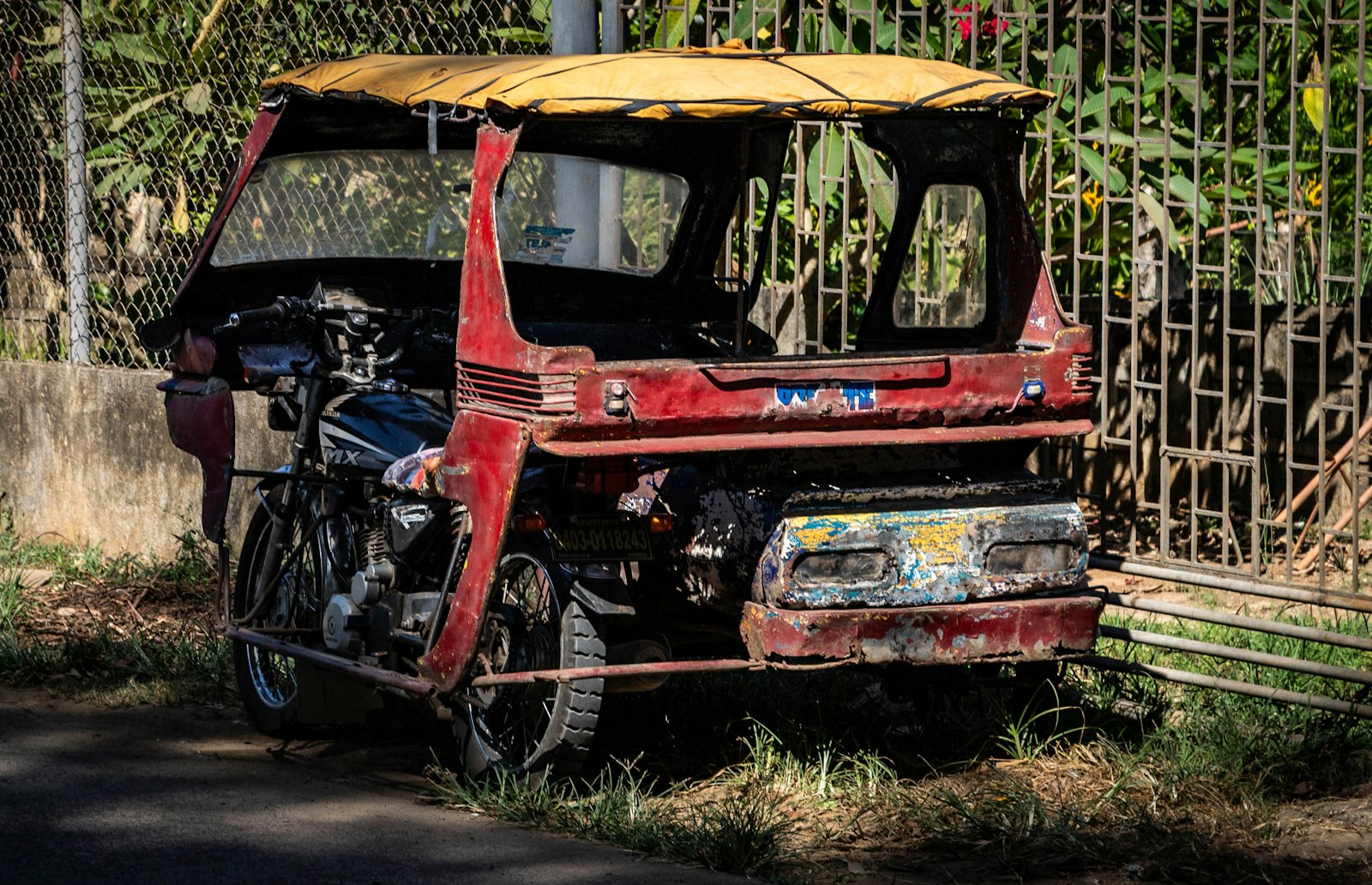
You’ve got three realistic options.
| How you get there | Approximate cost | Best for |
|---|---|---|
| Tricycle from the city, waiting time included | ₱300 to ₱500 round trip | Solo travellers and couples on a budget |
| Joined city tour (multi-stop, with guide) | ₱1,200 to ₱1,800 per person | First-timers who want the whole city in one day |
| Private van or car with driver | ₱3,500 to ₱5,000 for the day | Families and groups of four or more |
Prices move with fuel and season, so treat these as ballpark rather than gospel. Most people don’t visit the rescue centre on its own, and honestly, they shouldn’t. It’s a thirty-to-forty-five-minute stop. It works best bundled into a Puerto Princesa city tour alongside Mitra’s Ranch, Baker’s Hill and the cathedral.
If you’re tricycle-ing it yourself, agree the fare and the waiting time before you leave. Drivers are generally fair here, but “I’ll wait for you” means different things to different people, and you do not want to be standing at the highway in Irawan at 2pm trying to flag something down.
Insider tip
Go in the morning. Crocodiles are cold-blooded and the mid-afternoon heat turns them into very convincing garden ornaments. Between roughly 9am and 11am you’ll see far more movement, and the walkway is bearable rather than brutal.
Opening Hours and Entrance Fee in 2026
The centre generally operates on a weekday schedule, roughly Monday to Friday, with opening around 8:00 or 8:30am and last entry in the mid to late afternoon. Published hours vary between sources, and because this is a government facility it can close for holidays, staff training, or animal handling work without much notice.
Entrance is cheap. The commonly reported fee is around ₱40 per person, with discounted rates for students and senior citizens. Compared with the ₱3,000-plus you’ll spend on a Puerto Princesa Underground River day trip, it’s rounding error.
But please, message ahead. We check the day’s status for our own guests before we send a van, because a wasted forty-minute drive is a genuinely annoying way to lose a morning.
Insider tip
Bring small bills. ₱1,000 notes are a hassle at the counter, and the souvenir shop is cash-only in practice. There’s no ATM in Irawan.
What You’ll Actually See on the Tour
Tours are guided and run in small batches as visitors accumulate. You start in the exhibit area, where the guide covers the facility’s history and gives you the crocodile biology briefing. Then you walk the pens.
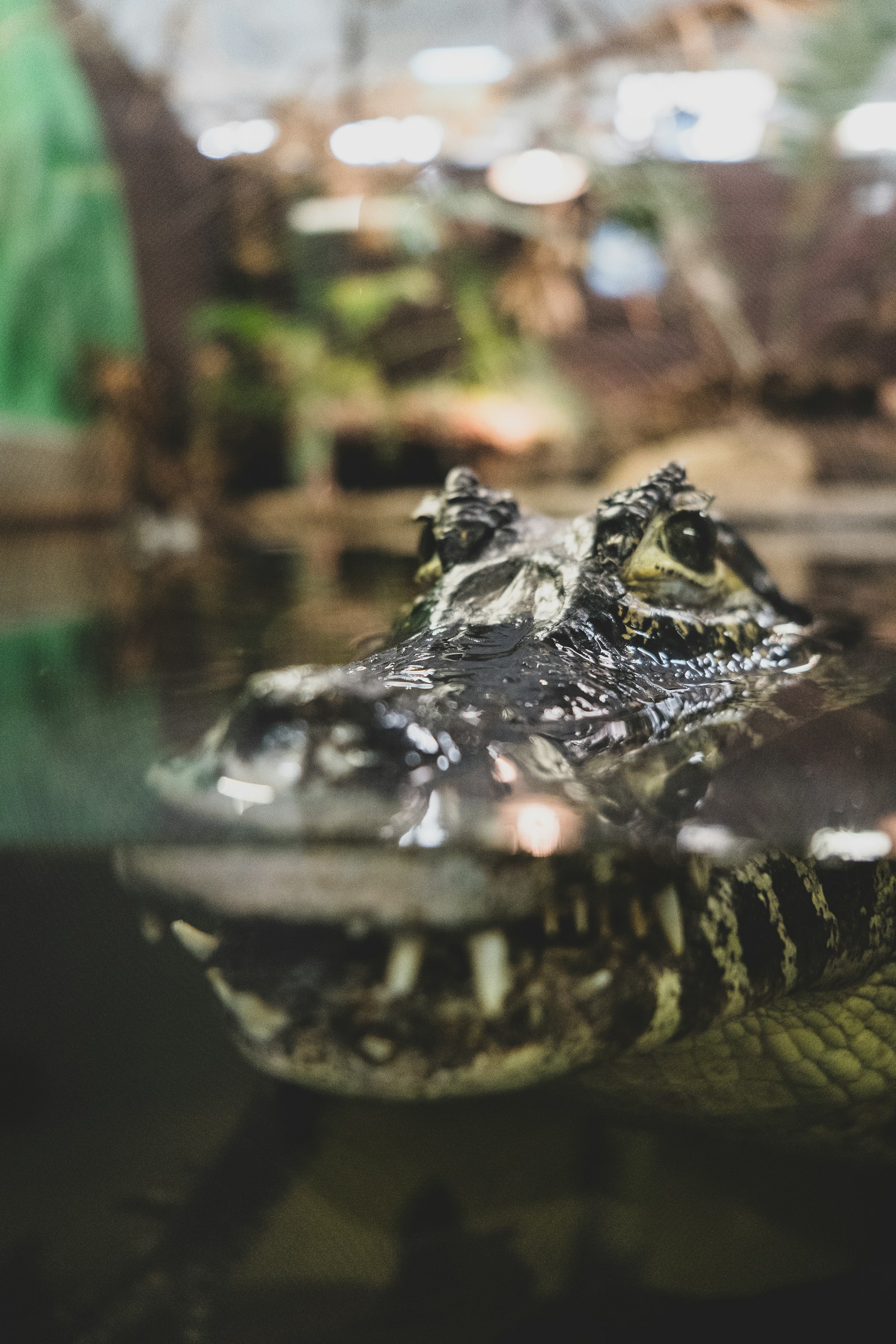
The sequence runs small to large. Hatchlings first, in shallow nursery tanks, looking almost comically like toys. Then juveniles. Then the adults, and this is where people go quiet. There’s an elevated walkway over some of the enclosures, so you’re looking straight down at animals that are considerably longer than you are tall.
Two species live here. The saltwater crocodile, Crocodylus porosus, which is native to Palawan’s coastal rivers and mangroves and is the largest living reptile on earth. And the Philippine crocodile, Crocodylus mindorensis, which is smaller, freshwater, endemic to the Philippines, and in serious trouble.
How much trouble? Recent surveys suggest somewhere between 92 and 137 adults remain in the wild, scattered across pockets of northern Luzon and Mindanao. The IUCN lists it as Critically Endangered. Standing in front of a breeding pen for a species with a wild population smaller than the guest list at a decent wedding does something to your perspective.
The animals beyond the crocodiles
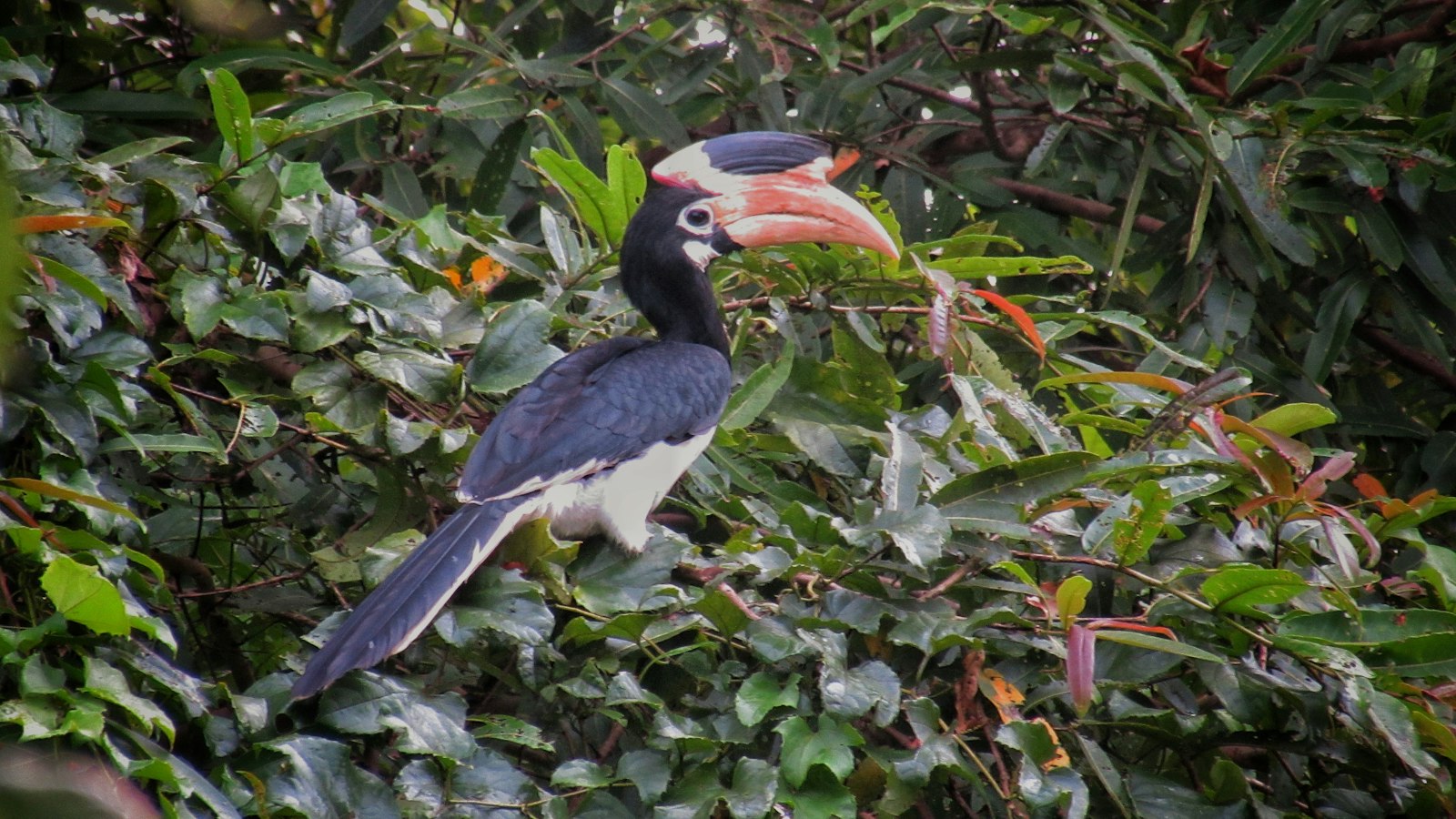
Past the crocodile pens there’s a small mini-zoo section holding rescued and resident wildlife. What’s on display shifts, because rescues come and go, but you’ll commonly find the Palawan bearcat (the binturong, which genuinely smells faintly of buttered popcorn), hornbills, mynahs, parrots, porcupines, a bearded pig or two, serpent eagles, and peacocks.
Have you ever seen a bearcat up close? Most people haven’t, and there aren’t many places in the Philippines where you can.
Insider tip
The souvenir shop sells crocodile-leather goods and, occasionally, crocodile meat products. This surprises people. The facility holds a CITES accreditation obtained in January 1997 that permits commercial sale of saltwater crocodiles, which are not endangered. Selling Philippine crocodiles is illegal and the centre does not do it. Whether you’re comfortable with that model is a personal call, and it’s a fair one to think about either way.
Is the Palawan Wildlife Rescue Center Worth Visiting?
Let me be straight with you, because there’s no point pretending otherwise: reviews are mixed, and the criticism is not baseless.
Some enclosures show their age. It’s a facility running on a government budget, not a private conservation charity with international donors, and it looks like it. Visitors who’ve come from well-funded wildlife parks in Australia or Singapore sometimes leave uncomfortable about enclosure sizes.
The counterweight is what the place actually does. Confiscated wildlife in Palawan has to go somewhere, and this is where. The alternative to an imperfect rescue centre is not a perfect one, it’s a pet market. That’s the real comparison.
So here’s our honest position as a Palawan operator. Go if you’re already doing a city tour and you’re curious about the wildlife side of the island. Skip it if your Puerto Princesa time is tight and you’d rather spend the afternoon on the water at Honda Bay or in the mangroves at Iwahig firefly watching. Both of those are stronger standalone experiences.
And if you’re weighing up whether the capital deserves your days at all, we wrote a full argument on whether Puerto Princesa is worth visiting beyond the Underground River.
How to Fit It Into Your Palawan Trip
The rescue centre slots naturally into a half-day city loop. A typical morning looks like this:
- 8:00am pickup from your hotel
- 8:30am Palawan Wildlife Rescue Center, roughly 40 minutes
- 9:30am Mitra’s Ranch and the Ranch viewpoint
- 10:30am Baker’s Hill for the hopia and the gardens
- 11:30am Immaculate Conception Cathedral and Plaza Cuartel
- 12:30pm lunch on Rizal Avenue, then back to your hotel
That leaves your afternoon free, which matters if you’re on a tight schedule. Our 2-day Puerto Princesa itinerary builds the whole thing out properly, including how to sequence the Underground River permit around it.
Worth remembering: Puerto Princesa is the gateway to a UNESCO World Heritage site, and the Department of Tourism’s official guidance is a sensible place to check current entry and permit rules before you lock in dates.
Insider tip
If you’re flying out of Puerto Princesa on an afternoon flight, the rescue centre is a decent last-morning filler. It’s near enough to the highway that you can do it, eat, and still make a 2pm check-in without stress. Most beach activities can’t offer that.
Practical Things Nobody Tells You
- Wear closed shoes. The walkways are concrete and occasionally wet. Flip-flops are survivable but not clever.
- Bring water. There’s shade, but Palawan humidity does not negotiate.
- Insect repellent. The pens sit near vegetation and mosquitoes find them agreeable.
- Photography is allowed in general, though flash near animals is discouraged. Be sensible.
- No touching. Some tours elsewhere in the Philippines let visitors hold a taped-mouth hatchling for a photo. That practice is stressful for the animal and it’s not what this facility is for.
- Allow 45 minutes. An hour if you ask a lot of questions, which you should.
If you care about the wider picture of visiting Palawan without leaving a mess behind you, our guide to sustainable travel in Palawan covers reef-safe sunscreen, plastic, and which animal encounters to avoid entirely.
Frequently Asked Questions
How much is the entrance fee at the Palawan Wildlife Rescue Center?
Around ₱40 per person, with reduced rates commonly available for students and senior citizens. It is one of the cheapest attractions in Puerto Princesa. Confirm on the day, since government fees can be adjusted.
What are the opening hours?
It generally runs on a weekday schedule, roughly Monday to Friday, opening in the morning around 8:00 to 8:30am with last entry in the mid to late afternoon. Weekend and holiday operation is inconsistent, so message ahead before you travel out to Irawan.
Is it the same place as the Crocodile Farm?
Yes. The Palawan Wildlife Rescue and Conservation Center was originally the Crocodile Farming Institute, and locals still call it the Crocodile Farm. If your driver looks blank at the official name, say crocodile farm and he’ll know exactly where you mean.
Can you hold a baby crocodile?
Handling policies vary and are not guaranteed. Do not book the trip expecting a photo op. The centre’s purpose is breeding and rescue, not animal handling entertainment.
How long does the tour take?
Plan on 40 to 60 minutes including the guided walk and the mini-zoo section. The guided portion itself is often shorter, around 20 to 30 minutes.
Is it suitable for kids?
Very. Children tend to love it, and the guided format keeps them engaged. Keep them close on the elevated walkway and hold hands near the adult pens.
Should I visit if I only have one day in Puerto Princesa?
Probably not on its own. With a single day, prioritise the Underground River or Honda Bay. Add the rescue centre only if it’s already built into a city tour you’re taking anyway.
Ready to Build Your Puerto Princesa Day?
We’re a local Palawan operator and we can slot the Palawan Wildlife Rescue Center into a city tour, a transfer, or a full multi-day trip across Puerto Princesa, El Nido and Coron. Check the current line-up on our travel packages page, or just message us and tell us your dates.
Fastest ways to reach us: Facebook Messenger or WhatsApp on +63 998 531 5694. We answer daily, we quote in pesos, and we accept GCash.