Japan Trip Cost from the Philippines: 2026 Budget Guide in Pesos
Every week someone messages us the same thing: “Kuya, magkano ba talaga ang Japan?” And the answer they usually get online is in dollars or yen, which helps nobody who saves in pesos. So here it is, the real japan trip cost from the philippines in 2026, computed the way you’d actually compute it: airfare, visa, hotel, trains, food, and the small fees nobody warns you about.
Short version? A lean seven-day trip lands near ₱60,000 per person. A comfortable one runs closer to ₱107,000. And if you want nice hotels and a Japan Rail Pass, budget ₱190,000 and up. Below is where every peso goes.
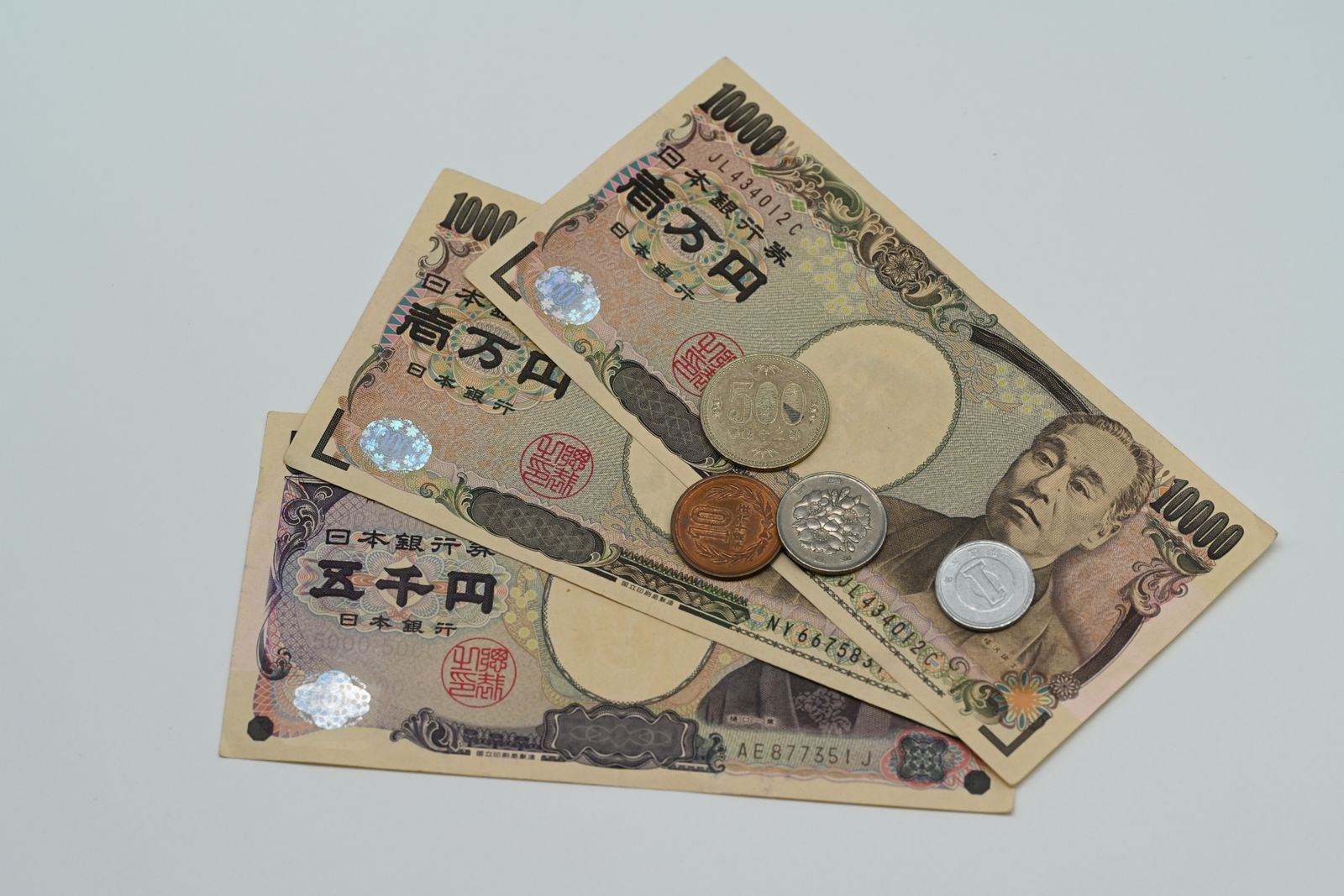
One number to keep in your head first. As of early September 2026, ¥1 sits at roughly ₱0.40, so ¥1,000 is about ₱400 and ¥10,000 is about ₱4,000. Rates move, so treat every peso figure here as a planning estimate, not a quotation. Honestly, that single mental conversion will save you from a lot of panic at the cashier.
The Short Answer: 7-Day Japan Budget in Pesos
Here’s the whole trip on one table, per person, for seven days and six nights covering Tokyo plus one other city. These are 2026 planning figures, not promo-day miracles.
| Expense | Budget | Mid-range | Comfortable |
|---|---|---|---|
| Round-trip airfare (Manila to Japan) | ₱16,000 | ₱24,000 | ₱38,000 |
| Philippine travel tax (economy) | ₱1,620 | ₱1,620 | ₱1,620 |
| Visa (consular fee plus agency handling) | ₱2,500 | ₱2,500 | ₱2,500 |
| Accommodation (6 nights) | ₱9,600 | ₱24,000 | ₱54,000 |
| Transport inside Japan | ₱9,000 | ₱14,000 | ₱21,200 |
| Food (7 days) | ₱10,500 | ₱19,600 | ₱35,000 |
| Attractions and entrance fees | ₱3,000 | ₱6,000 | ₱12,000 |
| eSIM or pocket WiFi | ₱1,200 | ₱1,200 | ₱1,500 |
| Travel insurance | ₱1,500 | ₱2,000 | ₱3,000 |
| Shopping and pasalubong | ₱5,000 | ₱12,000 | ₱25,000 |
| Estimated total | ₱59,920 | ₱106,920 | ₱193,820 |
Insider tip: the single biggest swing in that table isn’t airfare. It’s accommodation. Moving from a capsule to a mid-tier hotel adds more to your total than upgrading your flight does. If your budget is tight, sleep cheap and spend on experiences instead.
Flights: What Manila to Japan Actually Costs
Flights are the first hurdle and the easiest one to get wrong. Manila to Tokyo or Osaka round trip typically sits somewhere between ₱16,000 and ₱28,000 in 2026 for a normal booking made a month or two out. Seat sales from Cebu Pacific can drop one-way base fares to around ₱5,000 all-in, which is where those ₱12,000 round-trip screenshots on Facebook come from. Peak dates, meaning cherry blossom season in late March and early April, Golden Week in late April to early May, and the Christmas break, can push the same seat past ₱35,000.
The first time I flew to Osaka I booked six weeks out on a Tuesday departure and paid a little over ₱17,000 return. A friend on the same trip booked three weeks later for a Friday flight and paid nearly double. Same plane. Different day of the week.
A few things that genuinely move the price:
- Fly midweek. Tuesday and Wednesday departures are consistently cheaper than Friday and Sunday.
- Book roughly 40 to 60 days ahead for the sweet spot on this route.
- Compare Narita and Haneda against Kansai. Osaka is often cheaper and it’s a better first-trip base anyway.
- Check Philippine Airlines too, not just the budget carriers. Their fares include baggage, and once you add 20kg to a low-cost fare the gap narrows fast.
Insider tip: Japan’s international departure tax, the one people call the sayonara tax, tripled from ¥1,000 to ¥3,000 (about ₱1,200) on 1 July 2026. It’s collected inside your ticket price, so you won’t queue for it at the airport, but it’s part of why fares nudged upward this year.
The Visa Cost Nobody Budgets For
Filipinos still need a visa for Japan. There’s no visa-free entry and no visa on arrival, no matter what a viral post claims. The tourist visa itself remains gratis for Philippine passport holders, which is a genuinely good deal, but the consular service fee still applies: roughly US$18.69 for single entry and US$37.43 for multiple entry, which lands near ₱1,170 and ₱2,350 at current rates.
Then there’s the part people forget. Most Filipinos apply through an accredited travel agency rather than directly, and those agencies charge a handling fee, usually somewhere in the ₱1,200 to ₱1,800 range. So budget around ₱2,500 total per person and you’ll be fine.
Processing typically takes about five to seven working days once your documents are accepted, but appointment slots are the real bottleneck. Look, during peak months people are booking appointments two to three months before their travel date. Book the appointment first, then the flight, not the other way around.
You’ll also need the usual paper trail: passport, application form, photo, certificate of employment with salary and approved leave, recent payslips, three to six months of bank statements, ITR, a day-by-day itinerary, hotel bookings and a return flight. Nothing exotic, but it takes a weekend to assemble properly. Verify the current list with the Japanese Ministry of Foreign Affairs or your accredited agency before you file, since requirements do get adjusted.
Where You Sleep: Accommodation Costs in Pesos

This is where your budget is won or lost. Japanese accommodation has a very wide floor and a very high ceiling, and the middle is crowded with perfectly decent options.
| Type | Per night (¥) | Per night (₱) | Good for |
|---|---|---|---|
| Hostel dorm bed | ¥3,000 to ¥5,000 | ₱1,200 to ₱2,000 | Solo travelers, backpackers |
| Capsule hotel | ¥3,500 to ¥5,500 | ₱1,400 to ₱2,200 | Solo, short city stops |
| Business hotel (private room) | ¥8,000 to ¥12,000 | ₱3,200 to ₱4,800 | Couples, first-timers |
| Mid-range hotel | ¥12,000 to ¥18,000 | ₱4,800 to ₱7,200 | Comfort, families |
| Ryokan with meals | ¥20,000 and up | ₱8,000 and up | One splurge night |
Now the fee that surprises people. Japanese cities charge an accommodation tax on top of your room rate, and Kyoto raised its rates dramatically on 1 March 2026. Under the new Kyoto structure, a room under ¥6,000 is taxed ¥200 per person per night, a room from ¥6,000 to ¥19,999 is ¥400, ¥20,000 to ¥49,999 is ¥1,000, ¥50,000 to ¥99,999 is ¥4,000, and anything ¥100,000 and above is taxed ¥10,000 per person per night. Tokyo is gentler: nothing under ¥10,000, ¥100 for ¥10,000 to ¥14,999, and ¥200 from ¥15,000 up.
Insider tip: for most Filipino travelers staying in normal hotels, this tax adds maybe ₱160 to ₱480 across a whole trip. It’s small. What matters more is that Kyoto hotel prices themselves have climbed. Consider sleeping in Osaka and day-tripping to Kyoto, since the train between them takes under an hour and the room rate difference can be ₱2,000 a night.
Getting Around: Trains, IC Cards and the JR Pass Math
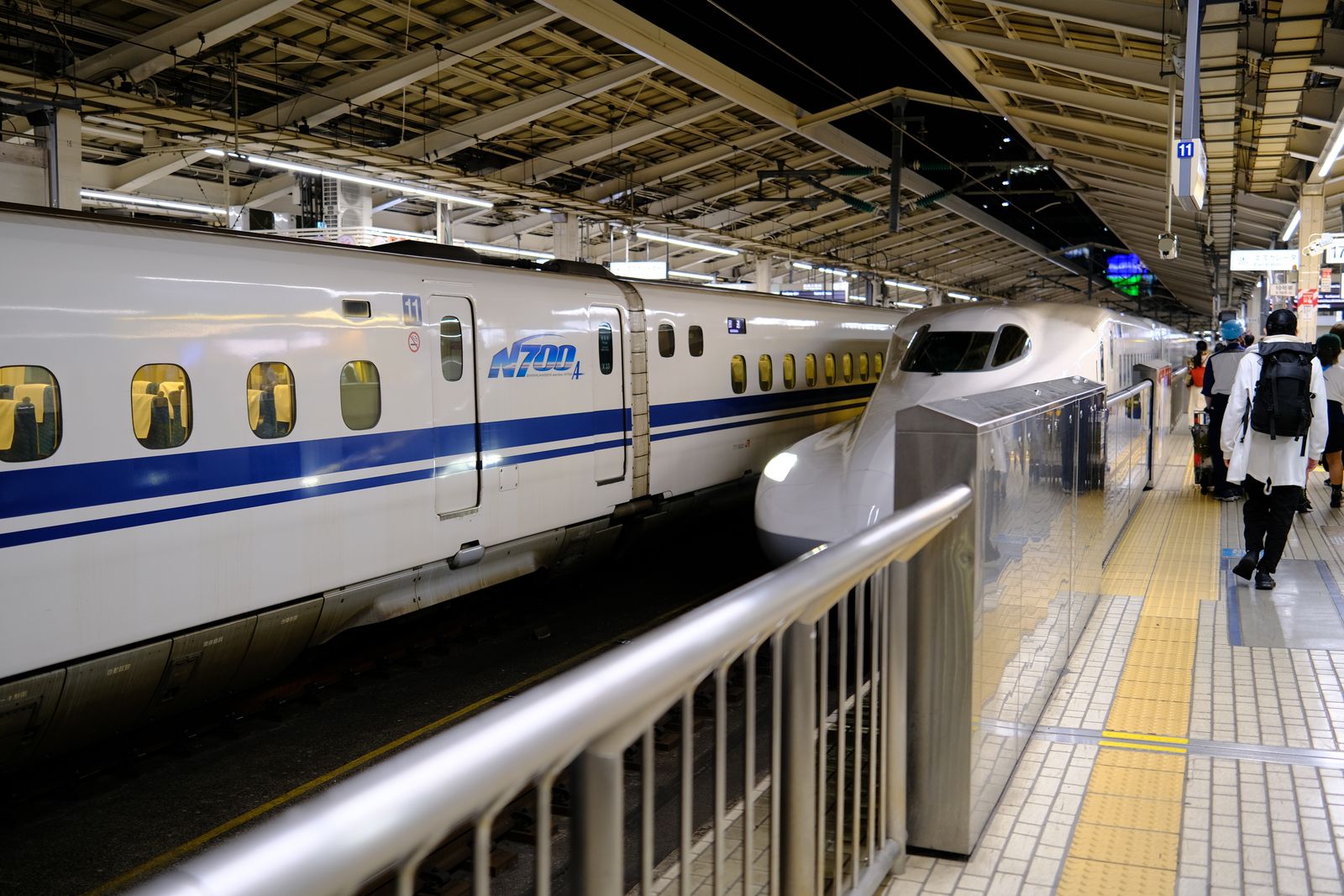
Japanese trains are wonderful and they are not cheap. City rides on the Tokyo metro run roughly ¥180 to ¥330 per trip, so ₱72 to ₱132, and a normal sightseeing day burns ₱300 to ₱500 just moving around.
Long distance is a different animal. Tokyo to Osaka on a reserved Nozomi seat costs about ¥14,720, which is ₱5,900 one way. Unreserved drops it to ¥13,870, and booking 21 days ahead through Smart EX with the early-bird fare gets you to roughly ¥12,980, or about ₱5,200. Two long-distance legs and you’ve spent more than a night in a decent hotel.
So should you buy the Japan Rail Pass? The nationwide seven-day ordinary pass costs ¥50,000, about ₱20,000, and it rises to ¥53,000 (roughly ₱21,200) for passes purchased from 1 October 2026. Do the math honestly. A Tokyo round trip to Osaka is around ¥29,000. Add a Hiroshima leg and you’re near the pass value. Stay only in the Tokyo and Osaka area and the pass loses.
Insider tip: for a standard first-timer route of Tokyo, Kyoto and Osaka over seven days, the JR Pass usually does not pay for itself. Buy individual shinkansen tickets and load an IC card (Suica, Pasmo or Icoca) with about ¥5,000 for local rides instead. You tap in, tap out, and the fare calculates itself.
Food: The Part That’s Cheaper Than You Expect
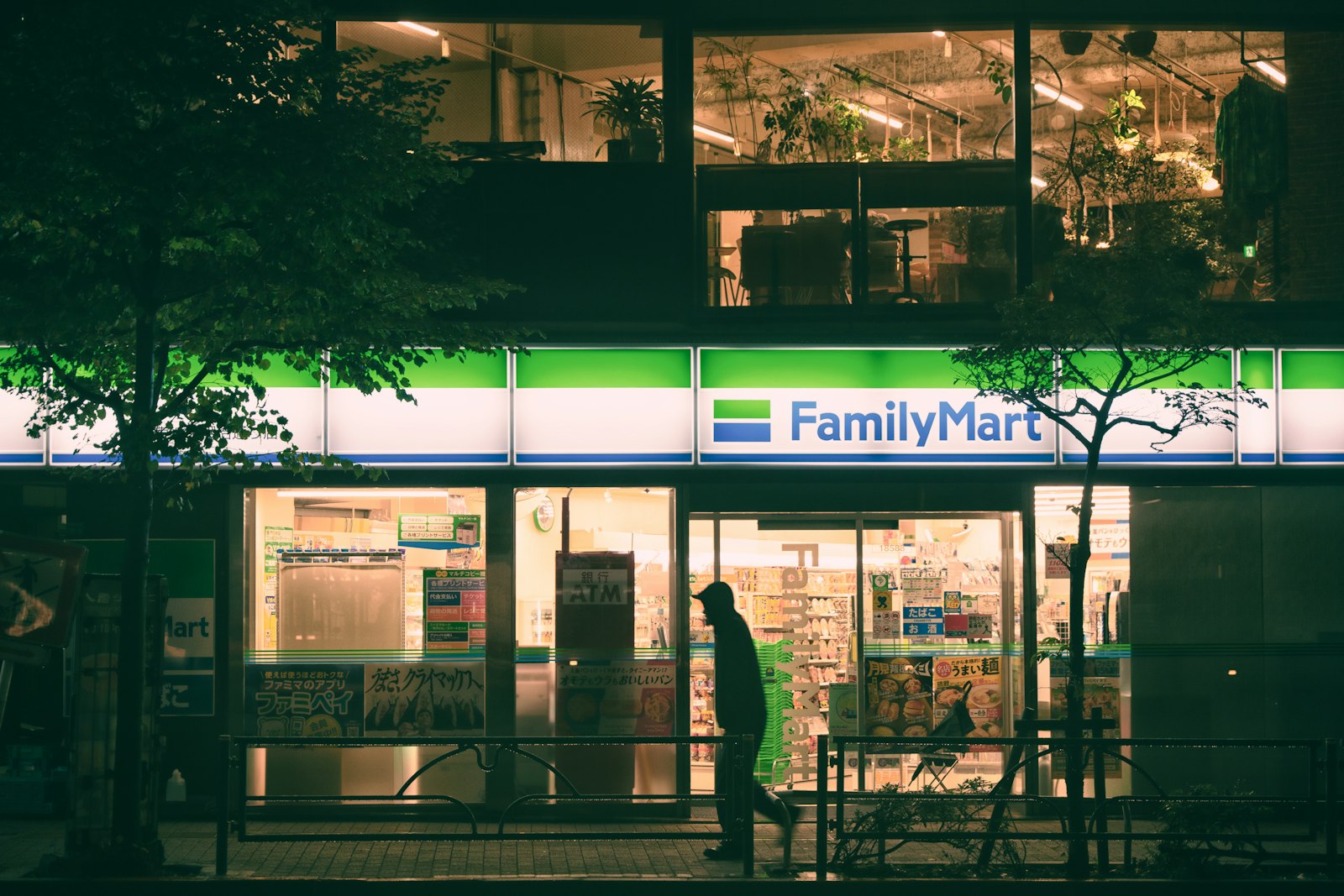
Here’s the thing about eating in Japan. It’s the one category where Filipinos consistently overbudget. A convenience store breakfast of onigiri, coffee and a boiled egg costs around ¥500, which is ₱200. A gyudon bowl at Yoshinoya or Sukiya sits near ¥500 to ¥700. A proper ramen shop meal runs ¥900 to ¥1,200, so ₱360 to ₱480. Standing sushi and conveyor belt places start around ¥120 a plate.
Realistically, ₱1,500 per day covers three meals if you’re mixing konbini and casual restaurants. ₱2,800 a day lets you sit down for every meal. ₱5,000 a day is a trip with several proper dinners in it.
Water is free and safe from the tap, restaurants pour it without being asked, and there’s no tipping anywhere. That’s three quiet savings people from Manila don’t factor in.
The Small Fees That Add Up
Beyond the big four, a handful of smaller costs deserve a line in your spreadsheet.
- Philippine travel tax: ₱1,620 for economy class departures, ₱2,700 for first class. Some airlines build it into the fare and some don’t, so confirm before you get to the counter. Details are on the TIEZA travel tax page.
- Connectivity: a Japan eSIM for a week runs about ₱700 to ₱1,200. Pocket WiFi rental is similar and better if you’re traveling as a group sharing one device.
- Travel insurance: ₱1,500 to ₱3,000 for a week. Not legally required for a tourist visa, but medical care in Japan is expensive enough that skipping it is a bad gamble. We make the same argument in our guide to travel insurance for Philippine trips.
- Luggage forwarding: about ¥2,000 (₱800) to send a suitcase between cities so you don’t wrestle it onto a shinkansen. Worth every peso.
- Coin lockers: ¥400 to ¥700 a day at major stations.
Insider tip: carry more cash than feels normal. Japan is far more card-friendly than it was five years ago, but small ramen shops, temples, shrines and older shops are still cash only. Withdrawing from a 7-Eleven ATM with your Philippine card works reliably and usually beats airport exchange counters on rate.
Japan
Six Japan packages, airfare included
Tokyo with Mount Fuji, Hokkaido in winter, Osaka with Kyoto and Nara, or Nagoya for Shirakawa-go. Every one of them quoted with the flights already in, so the number you see is the number you budget. From ₱51,935 per pax
How to Cut Your Japan Trip Cost

Want the honest list, ranked by how much they actually save you?
- Travel in the shoulder months. Late May, June, and September to early November avoid both cherry blossom pricing and Golden Week. Flights and hotels can be 30 to 40 percent cheaper.
- Base yourself in fewer cities. Every city change costs a shinkansen ticket plus a hotel check-in. Two bases over seven days beats four.
- Sleep in Osaka, visit Kyoto. Same sights, lower room rates, and the accommodation tax tier is friendlier.
- Skip the JR Pass unless you’re covering long distances. Most first-timers buy it out of habit and lose ₱6,000 to ₱8,000 doing so.
- Eat one konbini meal a day. Not out of suffering, out of math. It saves roughly ₱400 daily, which is ₱2,800 over a week.
- Free sights are genuinely good. Shrines, parks, observation decks in government buildings, and neighborhood walking all cost nothing.
If you’re the type who prefers not to compute all this yourself, that’s fair. It’s exactly why we build fixed-price packages for our CMT travel packages, so you see one number instead of fifteen.
Japan vs a Palawan Trip: A Quick Reality Check
Worth putting side by side, because plenty of people are deciding between the two. A comfortable seven-day Japan trip at roughly ₱107,000 buys you about three separate El Nido trips. Our breakdown of a typical Palawan trip cost puts a solid week in Palawan well under ₱35,000 for most travelers, and our piece on whether Palawan is expensive goes deeper into where that money goes.
That isn’t an argument against Japan. It’s just useful context. Many of our clients do one big international trip a year and two or three domestic ones, and knowing the ratio helps you plan the calendar. If you’re timing a domestic trip around the weather, our guide to the best time to visit Palawan is the companion piece. And for handling money on the road, the habits in our GCash guide for travelers carry over more than you’d think.
Frequently Asked Questions
How much money should I bring to Japan for 7 days?
Plan on ₱35,000 to ₱45,000 in spending money for a mid-range trip, on top of prepaid flights, visa and hotels. That covers food, local transport, entrance fees and moderate shopping. Bring roughly half in cash and keep a card for larger purchases.
Is Japan expensive for Filipinos in 2026?
It’s more expensive than Southeast Asia but less than most people fear. Food and local transport are reasonable. Accommodation and long-distance trains are what push the total up. The bigger factor lately is the peso, which has weakened over the past year, so your money buys less yen than it did in 2025.
How much is a Japan visa for Filipinos?
The tourist visa itself is free of charge for Philippine passport holders. You still pay a consular service fee of about US$18.69 for single entry (roughly ₱1,170) and, if you apply through an accredited agency, a handling fee usually between ₱1,200 and ₱1,800.
What is the cheapest month to fly from Manila to Japan?
Generally the rainy stretch in June and the quieter weeks of September through early November. Avoid late March to early April, Golden Week in late April and early May, mid-August, and the Christmas and New Year period.
Is the Japan Rail Pass worth it for a first trip?
Usually not. For a standard Tokyo, Kyoto and Osaka route over seven days, buying individual tickets costs less than the ¥50,000 pass, which rises to ¥53,000 for purchases from 1 October 2026. The pass makes sense once you’re adding Hiroshima, Kanazawa or multiple long legs.
Do I need to pay the Japan departure tax separately?
No. The ¥3,000 international tourist tax, up from ¥1,000 as of 1 July 2026, is collected inside your airline ticket price. You won’t pay it at the counter.
Can I use my Philippine debit card in Japan?
Yes, at 7-Eleven and Japan Post ATMs, which reliably accept foreign cards. Notify your bank before you travel, expect a withdrawal fee of around ₱150 to ₱250 per transaction, and withdraw in larger amounts to reduce the number of fees.
Ready to Plan Your Trip?
CMT Ticketing and Services books international flights, handles visa assistance, and puts together fixed-price packages so your japan trip cost from the philippines stops being a guessing game. Message us on Facebook Messenger or WhatsApp and we’ll build you a quote with real numbers, no hidden add-ons.
And if Japan turns out to be next year’s trip rather than this year’s, the same planning help applies anywhere else we go. Have a look at the rest of our packages in the meantime.