
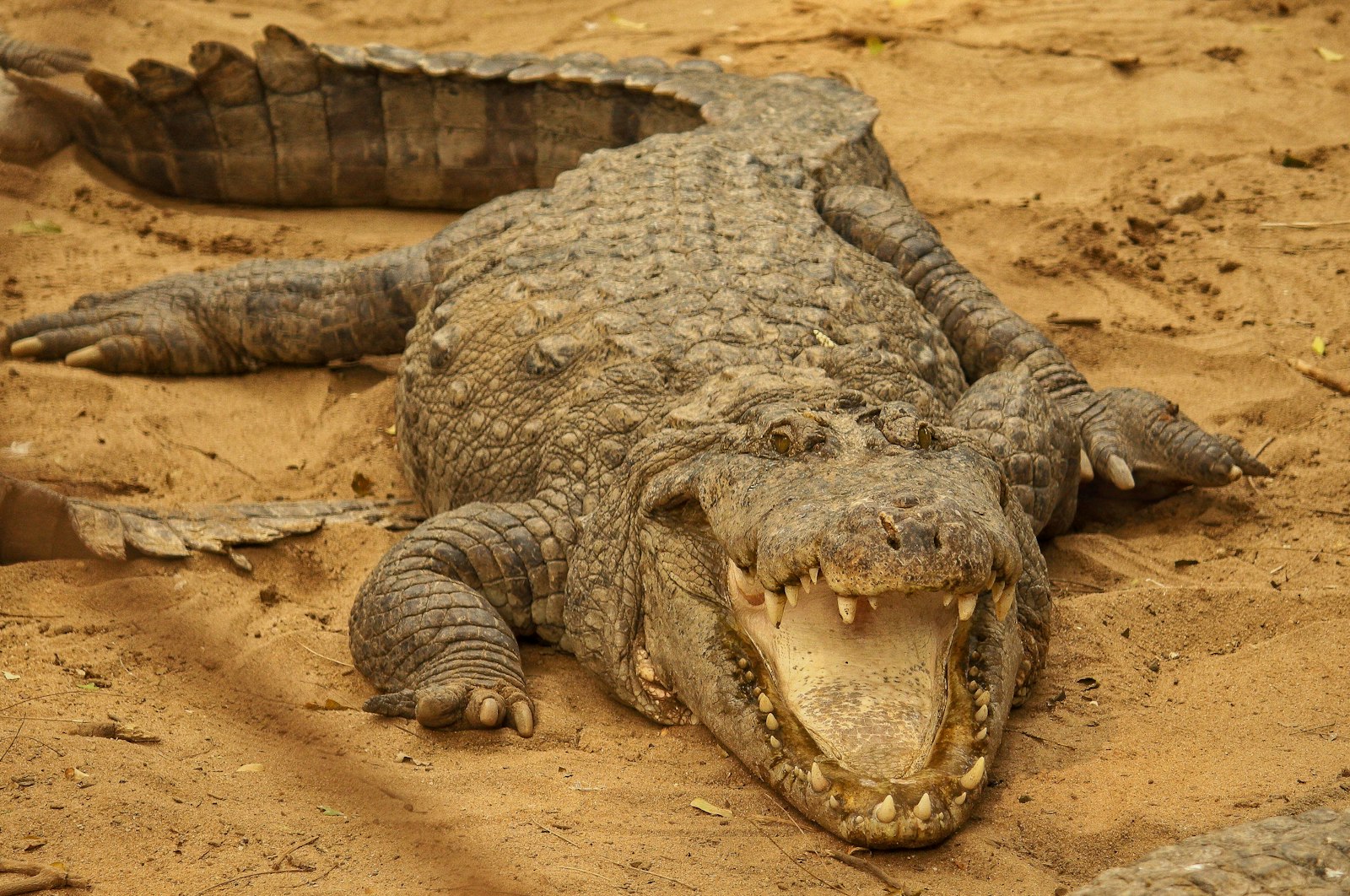
Philippine Crocodile in Palawan: Conservation, Facts and Where to See Them (2026 Guide)
Most people come to Palawan chasing lagoons and limestone cliffs. Almost nobody comes here thinking about crocodiles. And honestly, that’s part of why this topic keeps getting overlooked, even though Palawan sits right at the center of one of the most quietly dramatic wildlife stories in the Philippines.
The Philippine crocodile is one of the rarest crocodilians on the planet, and Palawan plays a real role in trying to save it. But here’s the thing a lot of blog posts get wrong: the wild population of this specific species isn’t actually thriving in Palawan’s rivers the way you’d expect from the name. What Palawan does have is the country’s main breeding and rescue center for the species, plus a different, much more widespread crocodile that genuinely does live wild here. Mixing the two up is easy to do, and it matters, especially if you’re planning to swim in a river or mangrove area during your trip.
So let’s sort out what’s actually true, where you can responsibly see a Philippine crocodile up close, and what the conservation picture looks like heading into 2026.
Meet the Philippine Crocodile: One of the Rarest Reptiles on Earth

The Philippine crocodile (Crocodylus mindorensis) is a small to medium-sized, broad-snouted freshwater crocodile found only in the Philippines. Adults typically grow to around 2 to 3 meters, which is modest compared to their much bigger saltwater cousins. They’re generally shy around people, preferring quiet rivers, ponds, and marshes over open water.
Here’s the part that surprises most visitors: this species is listed as Critically Endangered on the IUCN Red List, and recent field surveys suggest fewer than 150 mature individuals remain in the wild across the entire country. That’s not a typo. We’re talking about a species that came close to vanishing entirely by the late 20th century, with researchers estimating population declines of over 80 percent compared to numbers from the 1930s.
Wild populations today are concentrated mainly in northern Luzon (the Sierra Madre area) and southwestern Mindanao, not Palawan. Palawan was historically part of the species’ range too, but decades of hunting, habitat loss, and being mistaken for the more aggressive saltwater crocodile pushed local populations toward local extinction. I remember asking a guide in Puerto Princesa about this years ago and getting a shrug: “wala na dito sa ilog namin” (there aren’t any left in our river anymore). That kind of quiet admission tells you more than any statistic.
Insider tip: if a tour guide or dive operator tells you Palawan is “full of Philippine crocodiles” in the wild, take it with a grain of salt. The species is here in the sense that it’s actively protected and bred here, not because it’s commonly spotted swimming past a kayak.
The Philippine crocodile has been nationally protected since 2001 under Republic Act 9147, the Wildlife Resources Conservation and Protection Act, and the Department of Environment and Natural Resources coordinates recovery work through the Philippine Crocodile National Recovery Team.
Philippine Crocodile vs Saltwater Crocodile: Why the Difference Matters in Palawan
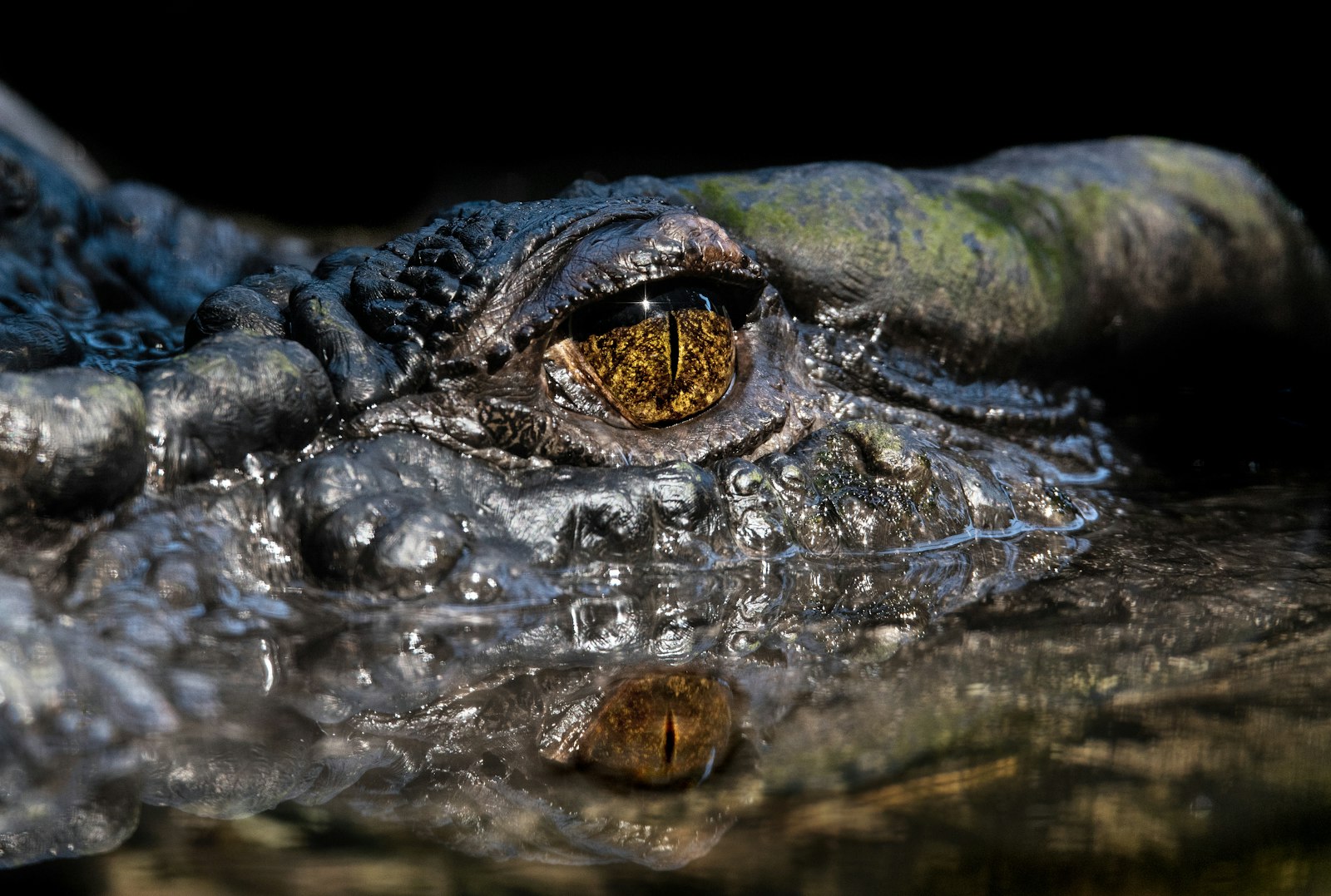
This is the mix-up that actually matters for your trip. Palawan’s rivers and mangroves do have a wild crocodile population, but it’s mostly the saltwater or estuarine crocodile (Crocodylus porosus), not the Philippine crocodile. These are two very different animals with two very different safety implications.
| Feature | Philippine Crocodile | Saltwater Crocodile |
|---|---|---|
| Scientific name | Crocodylus mindorensis | Crocodylus porosus |
| Typical adult size | 2 to 3 meters | 4 to 6+ meters |
| Habitat | Freshwater rivers, ponds, marshes | Rivers, mangroves, brackish and coastal waters |
| Wild status in Palawan | Functionally extinct in the wild locally | Present in low numbers in some rivers |
| Temperament | Generally shy, avoids people | Can be territorial and dangerous |
| Conservation status | Critically Endangered (IUCN) | Least Concern globally, but locally protected |
| Where you’ll actually see one in Palawan | Palawan Wildlife Rescue and Conservation Center | Occasionally reported in Balabac, Iwahig area rivers |
So when you see “beware of crocodile” signage near a river mouth or mangrove tour in Palawan, that warning is almost always about the saltwater species, not the small, endangered freshwater crocodile you’d see at a conservation center. Two totally different risk levels, two totally different animals.
Insider tip: if you’re doing a mangrove paddle or river tour anywhere in Palawan, ask the operator directly which species has been reported in that specific area. Most reputable operators, including guides working the Iwahig and Balabac routes, know the local history and will tell you honestly.
Where to See Philippine Crocodiles in Palawan (Legally and Safely)
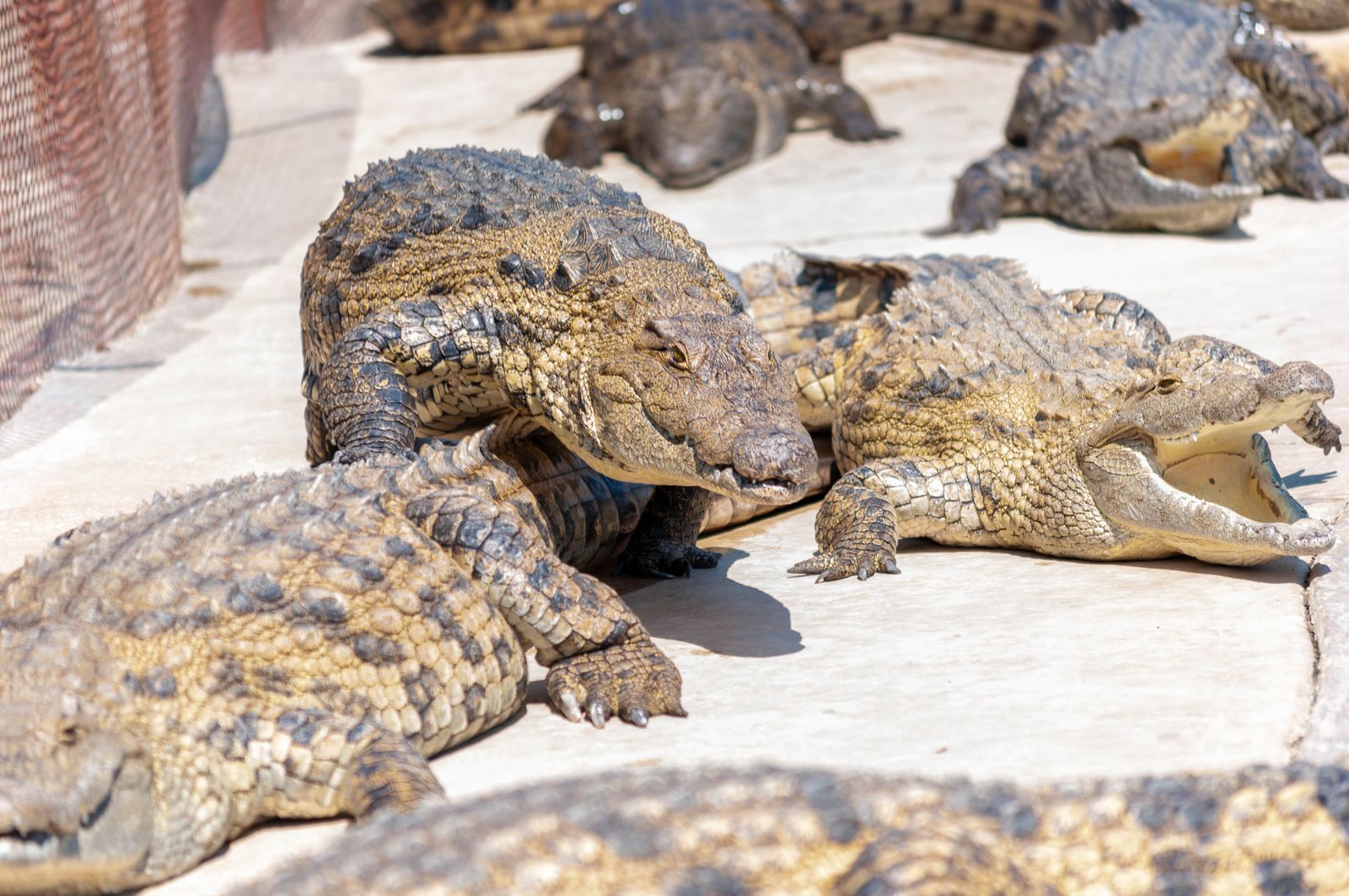
If you actually want to see a live Philippine crocodile during your trip, your best and really only reliable option is the Palawan Wildlife Rescue and Conservation Center (PWRCC) in Barangay Irawan, roughly a 30-minute drive from Puerto Princesa city center.
The center started life in 1987 as the Crocodile Farming Institute, a government facility built specifically to breed the Philippine crocodile in captivity after wild numbers collapsed. Over the decades it expanded into a broader wildlife rescue and education facility, which is why it now carries the “Wildlife Rescue and Conservation Center” name instead of just “crocodile farm,” even though most locals still call it that out of habit.
Inside, you’ll see crocodiles at every life stage, from tiny hatchlings in nursery tanks to full grown adults in larger enclosures, alongside other rescued wildlife like tarsiers, monkeys, and various native bird species. Guided walkthroughs run roughly every 15 minutes, and the whole visit takes about 45 minutes to an hour if you’re not rushing.
| What to Know | Details |
|---|---|
| Location | Barangay Irawan, about 30 minutes from Puerto Princesa city proper |
| Typical hours | Generally open daily, roughly 8:30 AM to 5:30 PM (confirm before visiting, as hours can shift) |
| Entrance fee | Modest, roughly ₱30 to ₱100 depending on current rates and any add-ons |
| Time needed | 45 minutes to 1 hour |
| Best paired with | A Puerto Princesa city tour or a stop on the way to the Underground River |
Rates here are genuinely low compared to most Palawan attractions, which honestly makes it one of the better value stops if you’re already spending a day around Puerto Princesa. It’s not a flashy attraction. Don’t expect a polished zoo experience. But if conservation and wildlife interest you even a little, it’s worth the detour.
Insider tip: go earlier in the day if you can. The crocodiles are more active before the midday heat sets in, and you’ll beat the tour bus crowds that tend to arrive around late morning.
Wild Crocodile Sightings in Palawan: Balabac, Iwahig and Beyond
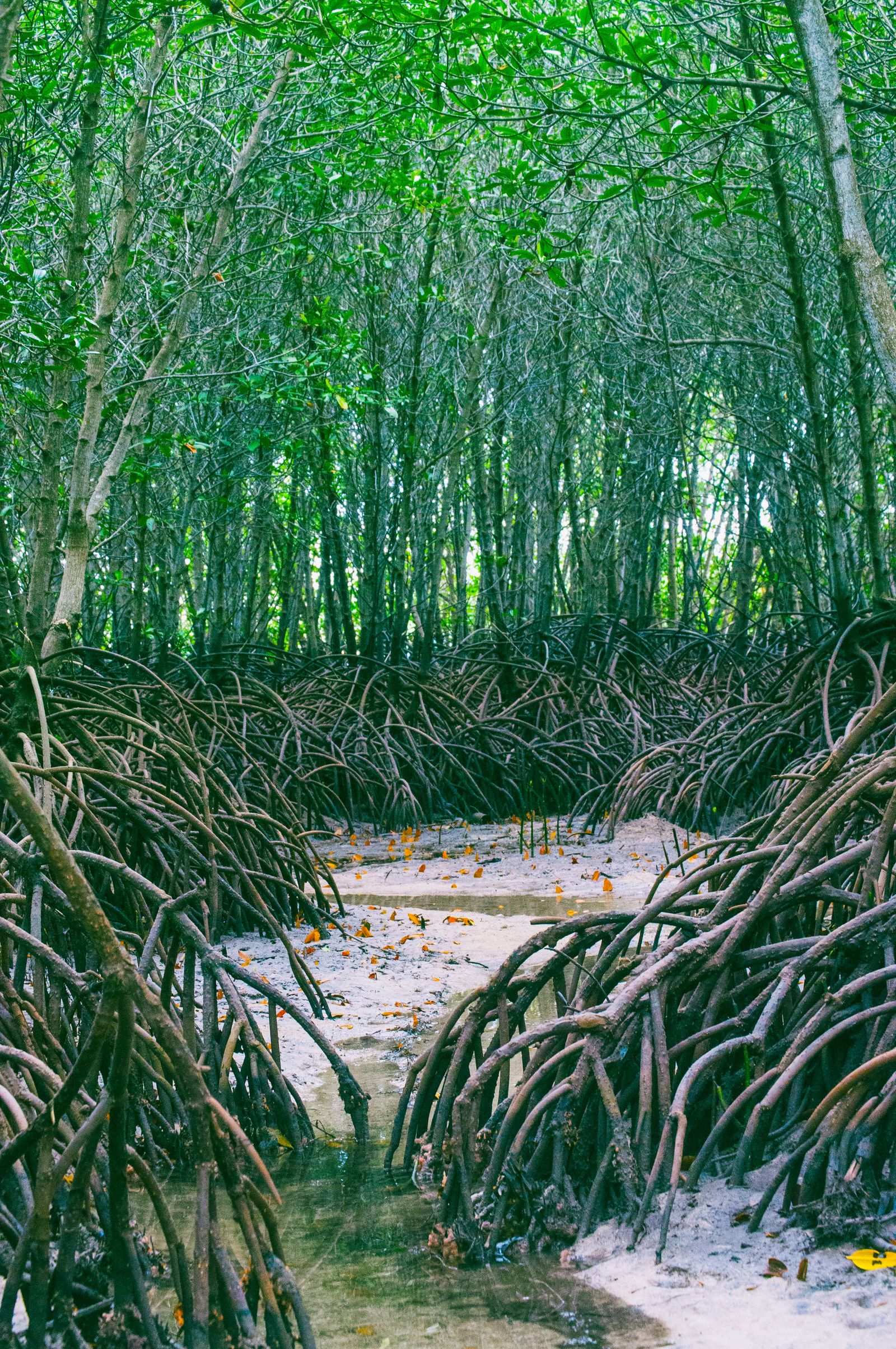
While the Philippine crocodile isn’t really out there in Palawan’s wild rivers anymore, the saltwater crocodile absolutely is, particularly around Balabac, the southernmost part of the province, and in scattered river systems near Puerto Princesa.
Balabac has become enough of a hotspot that the Palawan Council for Sustainable Development (PCSD), the provincial body responsible for environmental regulation across Palawan, developed a dedicated ten-year crocodile conservation strategy for the area covering 2019 to 2029, working alongside international technical partners. Part of that plan includes nest protection programs run with local communities, since Balabac’s mangroves and rivers turn out to be an important nesting habitat.
Closer to Puerto Princesa, there’s an interesting story from the Iwahig area. In 2019, a subadult saltwater crocodile, around 10 feet long, was trapped for the first time in a narrow river within the Iwahig Prison and Penal Farm after reportedly going after poultry kept by inmates. Officials at the time noted that historically, all of Palawan’s rivers likely had saltwater crocodiles, but many populations disappeared as habitats shrank and food sources dwindled. That crocodile was eventually relocated to the PWRCC.
If you’re combining a Puerto Princesa stop with a visit to see the Iwahig firefly watching tour, it’s the same general river system, which is a fun (if slightly nerve-wracking) fact to bring up with your boatman after dark.
Insider tip: if you’re heading down to Balabac for its famous sandbars and island hopping, ask locally about which rivers or mangrove channels are off-limits for swimming. Crocodile activity there is taken seriously enough that PCSD has an active management plan, so local guides will know the current situation better than any blog post can.
Crocodile Safety Rules for Tourists in Palawan
None of this is meant to scare you off Palawan’s rivers and mangroves. Actual crocodile encounters involving tourists are rare. But a little awareness goes a long way, and honestly, it’s just good practice anywhere in the Philippines that has documented crocodile activity.
A few practical rules:
- Never swim in unmarked rivers, mangrove channels, or brackish estuaries in areas where locals or signage advise against it, particularly around Balabac and the Iwahig river system.
- Take “beware of crocodile” signs seriously, even if the water looks calm. Saltwater crocodiles are ambush predators and can be nearly invisible near the surface.
- Don’t feed or approach any crocodile, whether in the wild or at a conservation facility. Both crocodile species are protected under Philippine law.
- If you’re on a guided mangrove or river tour, stick with reputable, experienced operators who know the local terrain. This is one of those situations where the cheapest tour isn’t always worth the risk.
- Report any crocodile sighting to your guide, local barangay officials, or the PCSD rather than trying to handle it yourself.
Both crocodile species fall under national protection through RA 9147, and here in Palawan specifically, the Palawan Council for Sustainable Development holds jurisdiction over local wildlife management under the province’s Strategic Environmental Plan framework. This is also connected to why Palawan carries UNESCO Man and Biosphere Reserve recognition, part of a broader push to protect biodiversity across the province, including in areas near the Puerto Princesa Subterranean River World Heritage Site.
Insider tip: if you’re nervous about river or mangrove activities anywhere in Palawan, ask your operator directly whether crocodiles have ever been reported in that specific location. A confident, specific answer (not a vague “don’t worry about it”) is usually a good sign you’re dealing with a guide who actually knows the area.
How to Combine a Crocodile Center Visit With Your Palawan Itinerary

If you’re building out a Palawan trip and want to fit in the PWRCC without wasting a day, the easiest approach is pairing it with other Puerto Princesa activities. Most travelers combine it with the Puerto Princesa city tour circuit, which often includes stops like the Baywalk, Plaza Cuartel, and sometimes a firefly watching tour in the evening.
It’s a smart add-on especially if you’re wondering whether Puerto Princesa is worth visiting beyond the Underground River itself. This kind of low-cost, educational stop is a good example of why the answer tends to be yes, especially for families or travelers who want more than just beach time. Puerto Princesa continues to be promoted as one of the province’s key destinations by the Department of Tourism, alongside the more famous island hopping circuits up north.
If your main Palawan trip is centered on island hopping in El Nido rather than Puerto Princesa, that’s completely fine too. Many travelers fly into Puerto Princesa, do a day or two of city-based activities like this, then head north. When you’re ready to book the island hopping side of your trip, our El Nido tour packages cover the classic Tour A through D routes, and our team can help you sequence a Puerto Princesa wildlife stop with your El Nido dates so you’re not backtracking or wasting travel days.
Insider tip: if you’re short on time and have to choose between the wildlife center and a full city tour, prioritize the wildlife center if you have kids along or a genuine interest in conservation. It’s cheaper, shorter, and honestly more memorable for most first-time visitors than another round of souvenir shopping.
Planning your season matters here too. If you want to check general trip timing before locking in dates, our guide on the best time to visit Palawan breaks down weather patterns across the province, and our Palawan safety guide covers broader travel safety questions beyond wildlife, from swimming conditions to standard precautions.
Frequently Asked Questions
Are there Philippine crocodiles in the wild in Palawan?
Not really anymore, or at least not in any documented, stable population. Wild Philippine crocodiles today are found mainly in northern Luzon and southwestern Mindanao. Palawan’s role is centered on the Palawan Wildlife Rescue and Conservation Center, which breeds and houses the species for conservation and education.
Is it dangerous to swim in Palawan’s rivers because of crocodiles?
Most tourist areas, including the popular lagoons and beaches around El Nido and Coron, have no documented crocodile activity. The concern is specific to certain rivers and mangrove systems, mainly around Balabac and parts of Puerto Princesa’s outskirts like the Iwahig area. Always ask your guide about a specific location before swimming somewhere unfamiliar.
What is the difference between a Philippine crocodile and a saltwater crocodile?
The Philippine crocodile (Crocodylus mindorensis) is smaller, generally shy, and critically endangered, with almost no wild presence left in Palawan. The saltwater crocodile (Crocodylus porosus) is much larger, can be territorial, and does have a small wild presence in some Palawan rivers, particularly around Balabac.
How much does it cost to visit the Palawan Wildlife Rescue and Conservation Center?
Entrance fees are modest, generally somewhere around ₱30 to ₱100 depending on current rates, though it’s worth confirming the exact price before you go since fees can change.
How do I get to the Palawan Wildlife Rescue and Conservation Center?
It’s located in Barangay Irawan, roughly a 30-minute drive from Puerto Princesa city center. Most visitors combine it with a Puerto Princesa city tour, which typically includes transport between stops.
Why is the Philippine crocodile critically endangered?
Decades of hunting for hides, habitat loss from agriculture and development, and being killed out of fear or confusion with the more dangerous saltwater crocodile all contributed to steep population declines, with researchers estimating an over 80 percent drop compared to numbers from the 1930s.
Can I see crocodiles as part of an El Nido island hopping tour?
No, El Nido’s island hopping routes (Tour A, B, C, and D) are focused on lagoons, beaches, and snorkeling spots around Bacuit Bay, and don’t involve crocodile habitats. Any crocodile viewing would need to be arranged separately, typically around Puerto Princesa or Balabac.
Ready to Plan the Rest of Your Palawan Trip?
A stop at the Palawan Wildlife Rescue and Conservation Center pairs naturally with a Puerto Princesa city day, and once you’re ready to head north for the lagoons and island hopping Palawan is famous for, check out our El Nido tour packages for Tour A through D options, private charters, and add-ons. Message us on Facebook and we’ll help you build an itinerary that fits your dates.
The Philippine crocodile might be one of the rarest animals in the country, but with a bit of planning, seeing one responsibly in Palawan is easier than most travelers realize.