
Port Barton Snorkeling Guide 2026: Reefs, Turtles & Tips
If you’re putting together a Port Barton snorkeling guide in your head from a few Instagram reels and a hostel noticeboard, let me save you some guesswork. Port Barton is a small fishing village on Palawan’s west coast, about four hours north of Puerto Princesa, and the reefs sitting just offshore are the honest reason to come. Not the nightlife. Not the lagoons, because there aren’t any here. The snorkeling.
We’ve run guests through this bay in both seasons, and the pattern is consistent: people arrive planning two nights and end up staying four. Here’s the thing about Port Barton. The water is shallow, the reefs start within a fifteen minute boat ride, and the tours are cheap enough that going out twice barely dents your budget. If you’ve already read our complete Port Barton travel guide, treat this as the underwater chapter.
Why Port Barton Beats El Nido for Snorkeling (Sometimes)
Bold claim, I know. El Nido has the more dramatic scenery, no argument there. But scenery is what you look at from the boat. Under the surface, Port Barton has two things going for it that El Nido struggles with in 2026.
First, boat traffic. A Port Barton reef stop might have three or four boats on it. The equivalent stop in Bacuit Bay can have twenty. Fewer boats means less silt kicked up, less sunscreen slick, and a lot fewer fins in your face.
Second, depth. Most Port Barton reef tops sit somewhere between two and six metres. That’s snorkeling depth, not diving depth. You can float on the surface and still see detail on the coral, which matters enormously if you’re a nervous swimmer or bringing kids.
What Port Barton does not have is the postcard karst backdrop. If limestone cliffs are the point of your trip, read our El Nido vs Port Barton comparison before you commit. Both towns are worth it. They’re just different products.
Insider tip: the very best water of the day is usually the first stop of the morning tour, around 9:30am, before the wind picks up and before the other boats catch up. Ask your operator to run the itinerary in reverse if the reef stop you care about is normally scheduled last.
The Best Snorkeling Spots in Port Barton
Port Barton runs a fairly standardised municipal tour system, so the stop names below will show up on almost every operator’s board. What varies is the order and the guide.
Twin Reef
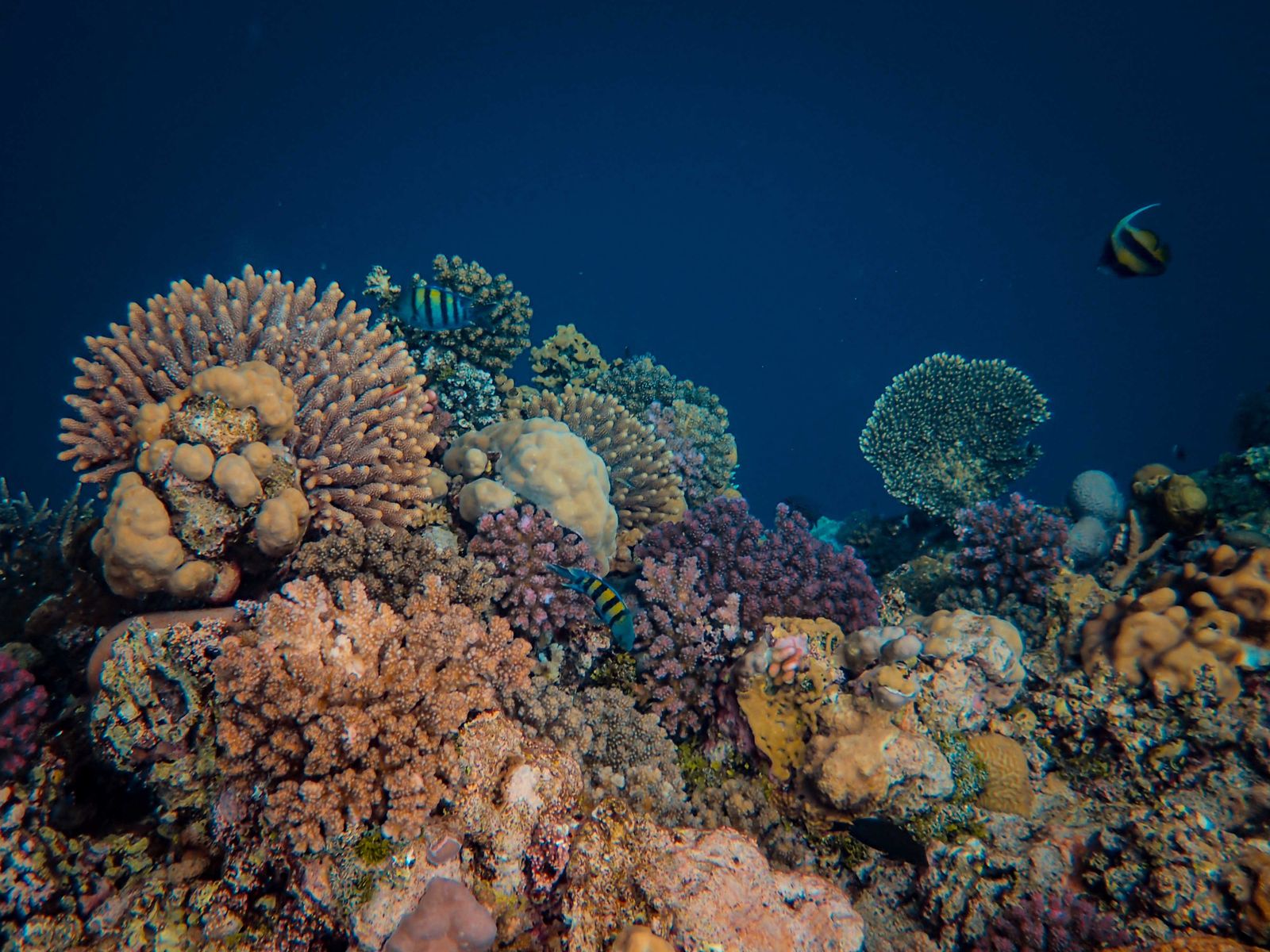
If you only snorkel one spot here, make it Twin Reef. It’s widely considered the best coral in the Port Barton area, and it earns that. Two reef mounds rise close to the surface with a sandy channel between them, so you get structure, fish schooling around the edges, and easy orientation. Expect sergeant majors, parrotfish, wrasse, the occasional lionfish tucked into an overhang.
It’s roughly 20 to 25 minutes out from the main beach. Visibility on a calm morning is genuinely excellent.
Aquarium Reefs (1, 2 and 5)
The Aquarium stops are the shallow, fish-dense ones. Named that way for a reason. These are the sites where a first-time snorkeler suddenly gets it, because the fish are right there in a metre and a half of water and they don’t spook easily. Reef 5 tends to be the healthiest of the group.
These reefs are also where you’ll notice bleaching damage in patches. It’s real and worth being honest about. Palawan reefs took heat stress in recent years like reefs everywhere. Plenty is still thriving, but don’t go expecting untouched perfection.
Turtle Spot and the Turtle Sanctuary
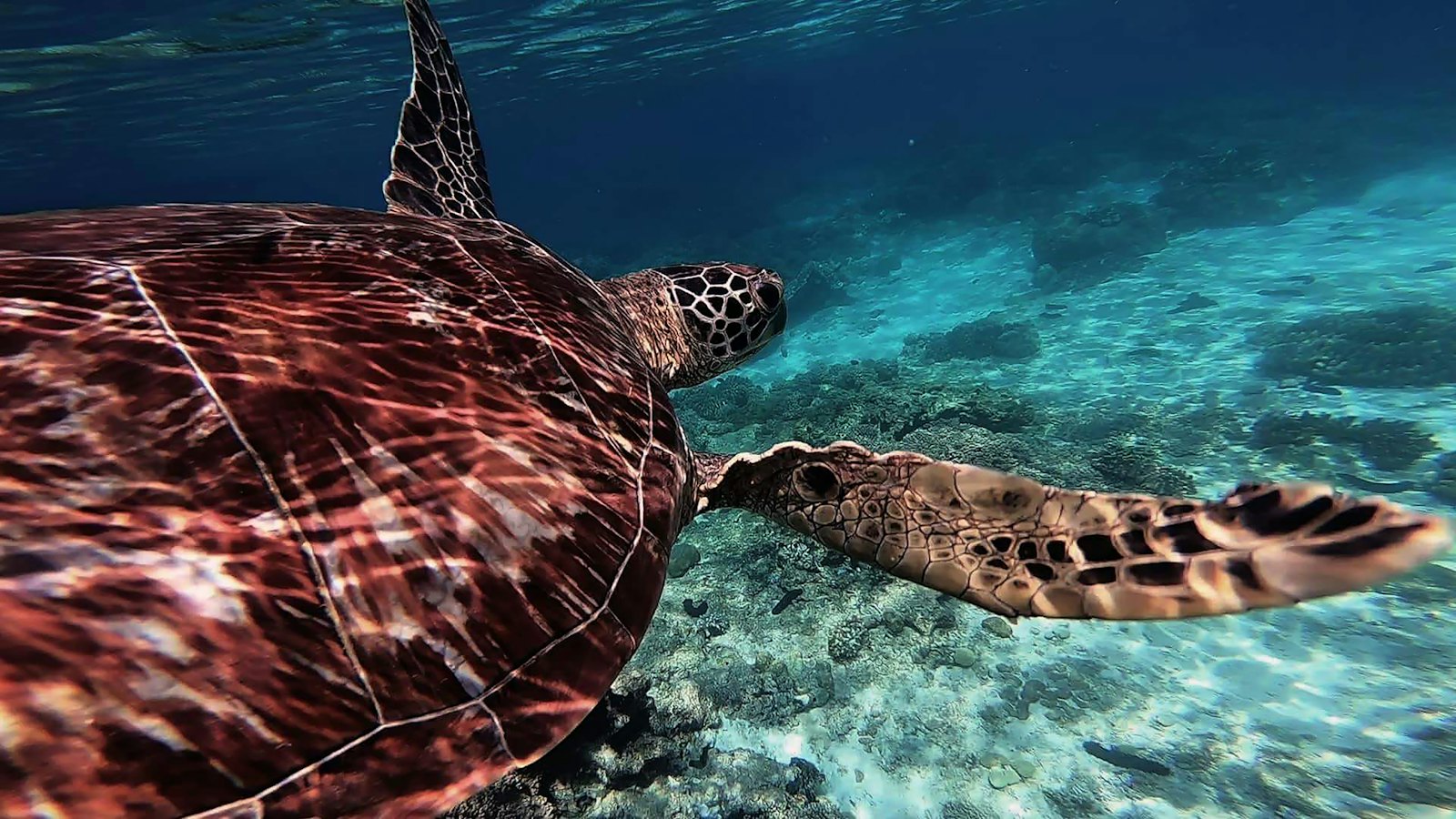
This is the headline stop and the one people ask about first. Turtle Spot is a designated seagrass feeding area roughly 25 minutes by boat from the main beach, where green turtles and occasionally hawksbills come in to graze. It isn’t a pen or an enclosure. It’s open water where turtles reliably show up.
Reliably, though, is not the same as guaranteed. Some mornings you’ll see three in twenty minutes. Some mornings you’ll see none. Any operator who promises you a turtle is selling you something they can’t deliver.
Exotic Island and Inaladelan (German Island)
Inaladelan, which everyone calls German Island, is the lunch stop on most Tour A itineraries and has decent snorkeling straight off the beach. Exotic Island is smaller and quieter. Neither has the coral quality of Twin Reef, but both give you shallow, calm water and a sandbar to dry off on.
Maxima, Paradise and Double Island
These usually appear on the Tour B circuit alongside the Aquarium reefs and the marine sanctuary. Paradise Island is the one most people photograph. Honestly? The snorkeling is fine rather than remarkable, but the stops break up the day nicely and you’re not out there for six straight hours of swimming.
For the above-water side of these islands, our guide to the best beaches in Port Barton covers which ones are worth your beach towel.
Port Barton Island Hopping Tours: What You Actually Get
Port Barton operates a regulated tour system, which is good news for you. Prices are broadly standardised, so the haggling energy you’d spend elsewhere is better spent on picking a good boat crew.
As of 2026, a joiner island hopping tour typically runs around ₱1,500 to ₱1,800 per person, and most operators quote it all-in. That figure normally covers the boat, a guide, mask and snorkel, a life vest, a cooked lunch on the beach, and the environmental fee. Some quote lower and collect the conservation fee separately at the pier, so always ask which it is before you hand over cash.
| Item | Typical 2026 cost | Notes |
|---|---|---|
| Joiner island hopping tour (A or B) | ₱1,500 – ₱1,800 per person | Usually includes lunch, gear and fees |
| Private boat charter | Approximately ₱4,000 – ₱7,000 per boat | Varies by boat size and number of stops |
| Environmental / conservation fee | Around ₱150 – ₱200 per person | Sometimes bundled, sometimes collected at the pier |
| Mask and snorkel rental | Roughly ₱150 – ₱250 per day | Free with most joiner tours |
| Fins rental | Roughly ₱150 – ₱200 per day | Rarely included, ask in advance |
| Kayak rental (reef access from shore) | Around ₱500 – ₱800 per day | Great value if you want to self-guide |
Treat these as planning ranges rather than fixed rates. Fuel prices move, and so do Port Barton’s tour prices. We confirm the current rate with our boat partners whenever a guest books.
Insider tip: book the tour the afternoon before, not the morning of. Boats fill from about 4pm the previous day, and the ones still taking walk-ups at 8am are usually the leftovers. If you want a specific reef prioritised, that conversation happens the night before too.
Snorkeling With Turtles Without Being That Tourist
Let’s talk about the turtles properly, because this is where visitors get it wrong most often, usually without meaning to.
Green turtles in Palawan are a protected species, and the Turtle Spot area is managed as a sanctuary. The rules are not complicated. Don’t touch. Don’t chase. Don’t get between a turtle and the surface, because they need to breathe and a wall of snorkelers between them and air is genuinely stressful for the animal. Give it about three metres and let it decide how close it wants to be.
The Philippine Department of Tourism has pushed responsible marine wildlife interaction guidelines across the country, and Palawan’s boat operators are broadly on board with them. You can read more about the national tourism framework at the Department of Tourism.
Here’s the practical bit nobody tells you: turtles surface every few minutes to breathe, so the best strategy is to float still and wait rather than swim around hunting. Kick less, see more. Every single time.
Best Time to Snorkel in Port Barton
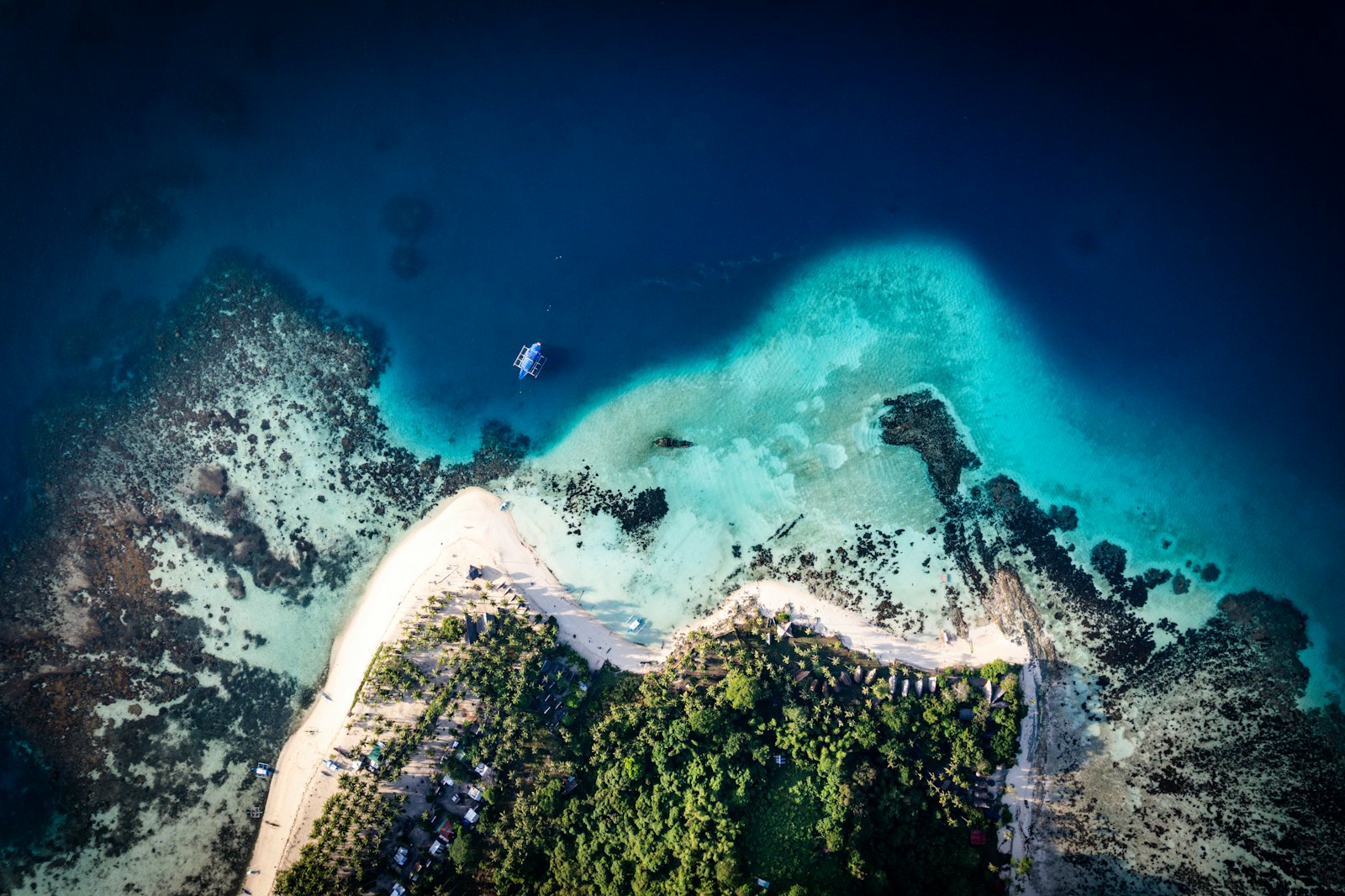
Season matters more here than in El Nido, because Port Barton faces west into open sea with very little island shelter. When the wind is up, the bay chops and visibility drops.
The reliable window runs roughly December through May, during the northeast monsoon the locals call amihan. Calm mornings, flat water, good visibility. March through May is the sweet spot if you want almost guaranteed conditions, though it’s also the hottest stretch of the year.
June to October is the southwest monsoon, habagat, and it brings squalls and swell. Tours still run on plenty of days, but cancellations happen and the water gets murkier after heavy rain washes runoff into the bay. Check the forecast at PAGASA before you lock in a date, and build a spare day into your plan.
Water temperature sits comfortably between 26 and 30 degrees Celsius year-round, so you don’t need a wetsuit. A rash guard is more about sun than warmth. Our broader best time to visit Palawan guide breaks the seasons down month by month if you’re still choosing dates.
Gear, Safety and What to Actually Bring
Tour gear in Port Barton is functional rather than premium. Masks are usually fine. Snorkels are usually fine. Fins are hit and miss, and rarely included.
If you snorkel more than once a year, bring your own mask. A mask that seals properly is the single biggest upgrade to your day, and a leaking rental will ruin an otherwise perfect reef. Our Palawan packing list covers the full kit, but for snorkeling specifically:
- Your own mask, if you have one. Rash guard for sun protection.
- Reef-safe sunscreen only. Oxybenzone and octinoxate damage coral, and some operators will ask you to rinse off. See our guide to reef-safe sunscreen in Palawan.
- A dry bag. Bangka boats get wet, and there is no dry storage.
- Cash. There is no reliable ATM in Port Barton and card payment is rare.
- Motion sickness tablets if you’re prone. The crossing to the outer reefs gets bumpy after 11am.
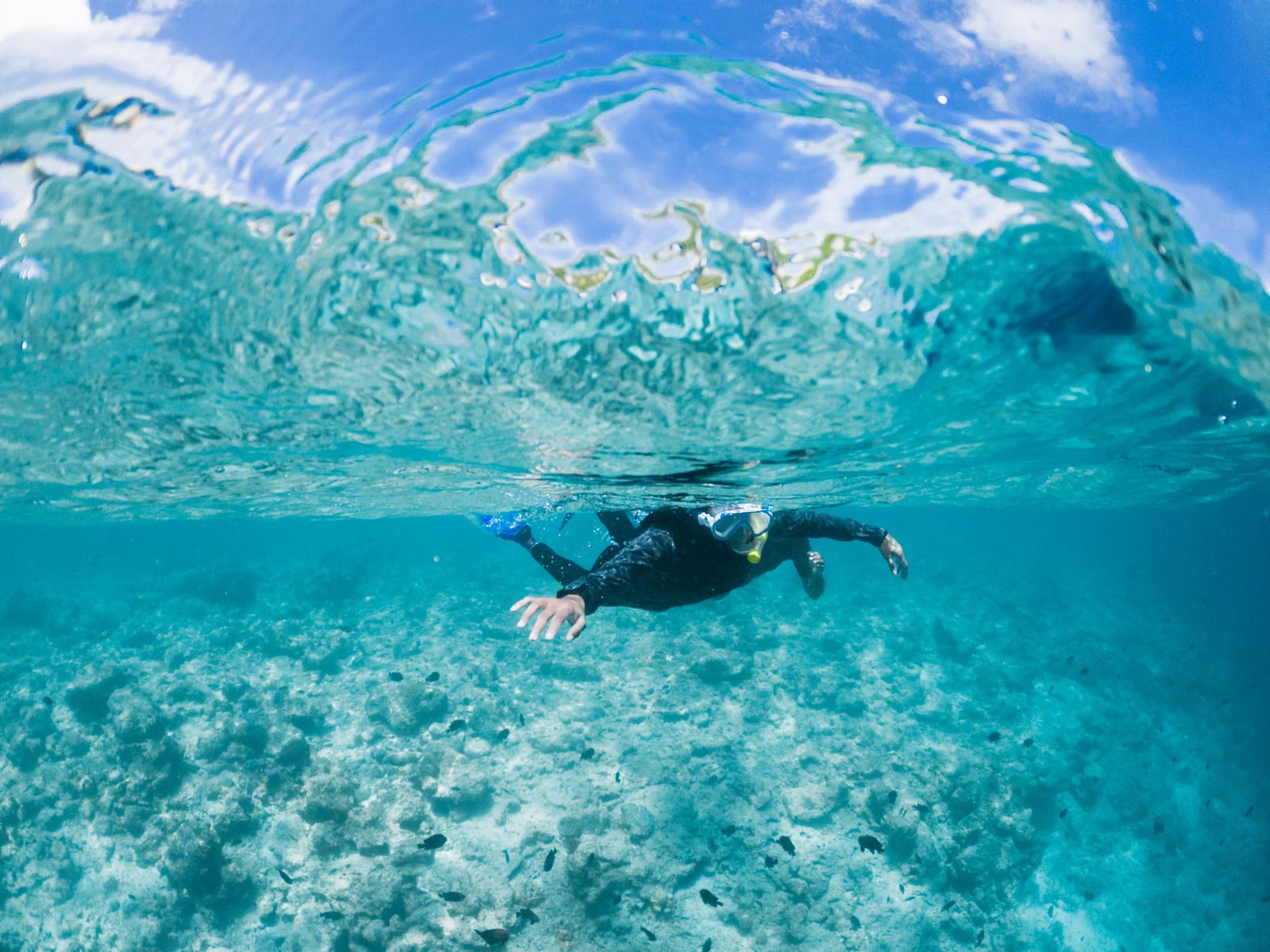
On safety: wear the life vest at the turtle and reef stops even if you’re a strong swimmer. Not because you’ll drown, but because it keeps you floating high and horizontal, which means you stop kicking downward onto the coral. Guides will thank you.
Can You Scuba Dive in Port Barton?
You can, and it’s underrated. Port Barton has an operating PADI dive centre running daily boats to sites outside the main bay, including Shark Point and Middle Rock, where the water is more exposed and the coral is in better shape. Visibility on a good day is reported well beyond 30 metres.
Marine life on those outer sites includes turtles, cuttlefish, nudibranchs, large groupers and occasional blacktip reef sharks. It isn’t Coron wreck diving, and it doesn’t pretend to be. If wrecks are what you came to Palawan for, our Coron wreck diving guide is the one you want.
For divers checking credentials, you can verify any centre’s status through the PADI dive centre locator before you book.
Insider Tips Nobody Puts in the Brochure
A few things we’ve learned the slow way.
The house reef off the northern end of the main beach is snorkelable from shore at high tide. It’s not spectacular, but it costs nothing and it’s a good warm-up if you’re rusty. Go at high water or you’ll be scraping over rubble.
Power in Port Barton is limited and many places run on generators with restricted hours. Charge your camera and phone overnight, not at 2pm when you’d assumed you could. Our guide on where to stay in Port Barton flags which areas have the steadiest supply.
And if you’ve come down from the north, the road in is rough. Genuinely rough in stretches. Our El Nido to Port Barton guide covers the timings and the van options honestly, including which departures actually get you there in daylight.
Want to compare the underwater experience against Palawan’s more famous spot first? Our El Nido snorkeling guide covers the same ground for Bacuit Bay.
Frequently Asked Questions
Is Port Barton good for snorkeling?
Yes, and it’s one of the main reasons to visit. The reefs are shallow, the boat traffic is light compared with El Nido, and Twin Reef in particular has some of the healthiest coral on this stretch of Palawan’s west coast.
How much does a Port Barton island hopping tour cost in 2026?
Expect roughly ₱1,500 to ₱1,800 per person for a joiner tour, usually including lunch, snorkel gear, a life vest and the environmental fee. Private charters typically start around ₱4,000. Confirm what’s bundled before you pay.
Will I definitely see turtles at Turtle Spot?
No. Turtle Spot is a wild seagrass feeding area, not an enclosure. Sightings are common but not guaranteed. Mornings tend to be better, and staying still gives you a far better chance than swimming around looking.
Do I need to know how to swim?
Not strictly. Life vests are provided on every tour and the reef stops are shallow. That said, being comfortable putting your face in the water makes an enormous difference to how much you enjoy it. Tell your guide if you’re nervous, they’ll stay with you.
What is the best month to snorkel in Port Barton?
March to May gives you the calmest water and the best visibility. December through February is also reliably good. June to October is the rainy monsoon season, when swell and runoff can shut tours down or muddy the water.
Can I snorkel in Port Barton without joining a tour?
You can snorkel the house reef from the main beach for free, and you can rent a kayak for around ₱500 to ₱800 a day to reach closer reefs. The best sites, though, including Twin Reef and Turtle Spot, need a boat.
How many days should I spend in Port Barton?
Two full days lets you do both tour circuits. Three is better if you want a weather buffer or a slow beach day. Plenty of visitors intend two and stay a week. Our things to do in Port Barton guide shows what fills the extra days.
Ready to Snorkel Port Barton?
CMT Ticketing and Services arranges Port Barton island hopping, transfers and accommodation across Palawan, and we book with boat crews we actually know. Message us on Facebook Messenger or WhatsApp and tell us your dates. You can also browse everything on our travel packages page. We’ll tell you honestly which tour fits and what the water is doing that week.