
WW2 History of Coron’s Sunken Japanese Fleet (2026 Guide)
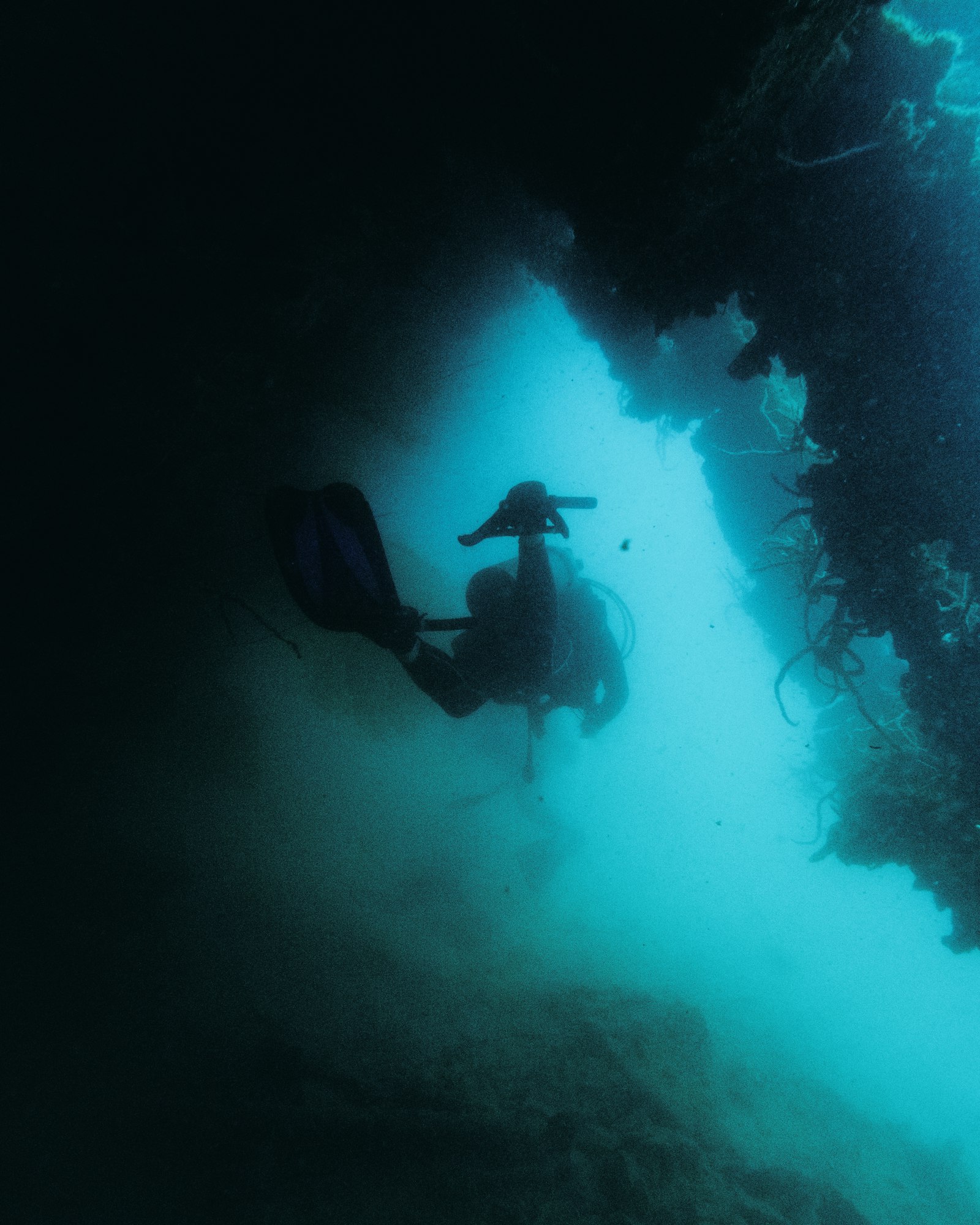
If you’ve ever floated above a shipwreck in Coron Bay and wondered how an entire fleet ended up on the seafloor, here’s the short answer: war got there first. The WW2 history behind Coron’s sunken Japanese fleet is one of the most dramatic stories in Philippine history, and honestly, most tourists who come here for the “Instagram lagoon shot” have no idea they’re swimming over a real battlefield.
I still remember the first time a dive guide in Coron told me the Kogyo Maru sank in under fifteen minutes. Fifteen minutes. That number stuck with me the whole ride back to town. So before you book a wreck tour, let’s go through what actually happened here in 1944, which ships you can visit today, and how to plan the trip properly in 2026.
Why Was a Japanese Fleet Hiding in Coron Bay?
By September 1944, World War 2 in the Pacific had turned hard against Japan. The Imperial Japanese Navy needed a place to shelter its supply and support vessels away from American reconnaissance planes patrolling the open sea. Coron Bay, tucked behind the limestone cliffs of Busuanga Island, looked perfect. It’s narrow, ringed by tall karst islands, and was assumed to be too remote and too well hidden for the US Navy to find.
They were wrong.
American reconnaissance had already spotted ship movement in the area, and Task Force 38, under Vice Admiral Marc Mitscher and operating within Admiral William “Bull” Halsey’s Third Fleet, had the fleet marked. Insider tip: if you want the full military backstory before your trip, the Philippine Department of Tourism has historical notes on Palawan’s wartime sites that pair well with what your dive guide will tell you on the boat.
The Attack: September 24, 1944
Here’s the part that gets me every time I tell it. On the morning of September 24, 1944, around two dozen SB2C Helldiver dive bombers launched from the USS Lexington, escorted by roughly 96 Hellcat fighters. They flew nearly 340 miles from their carrier group to reach Coron Bay. That’s already a huge risk on its own, because it meant they had barely enough fuel to make it back.
They had about fifteen to twenty minutes over the target. That’s it. In that short window, American pilots sank around a dozen Japanese vessels anchored in and around Coron Bay, including the Akitsushima, Okikawa Maru, Irako, Kogyo Maru, Olympia Maru, Taiei Maru, Kyokuzan Maru, Terukaze Maru, and the Lusong Gunboat.
Think about that for a second. An entire fleet, gone, before lunchtime. And they had to fly back to the carrier with barely a fuel margin to spare. It’s one of the more underrated air raids of the Pacific War, and it’s the reason Coron is now considered one of the best wreck diving destinations on earth.
The Wrecks You Can Visit Today
Not every ship sank in the same spot, and they don’t all sit at the same depth, which is actually good news. It means Coron has wrecks suited for total beginners and wrecks that will humble even experienced tech divers.
Okikawa Maru: The Giant Tanker
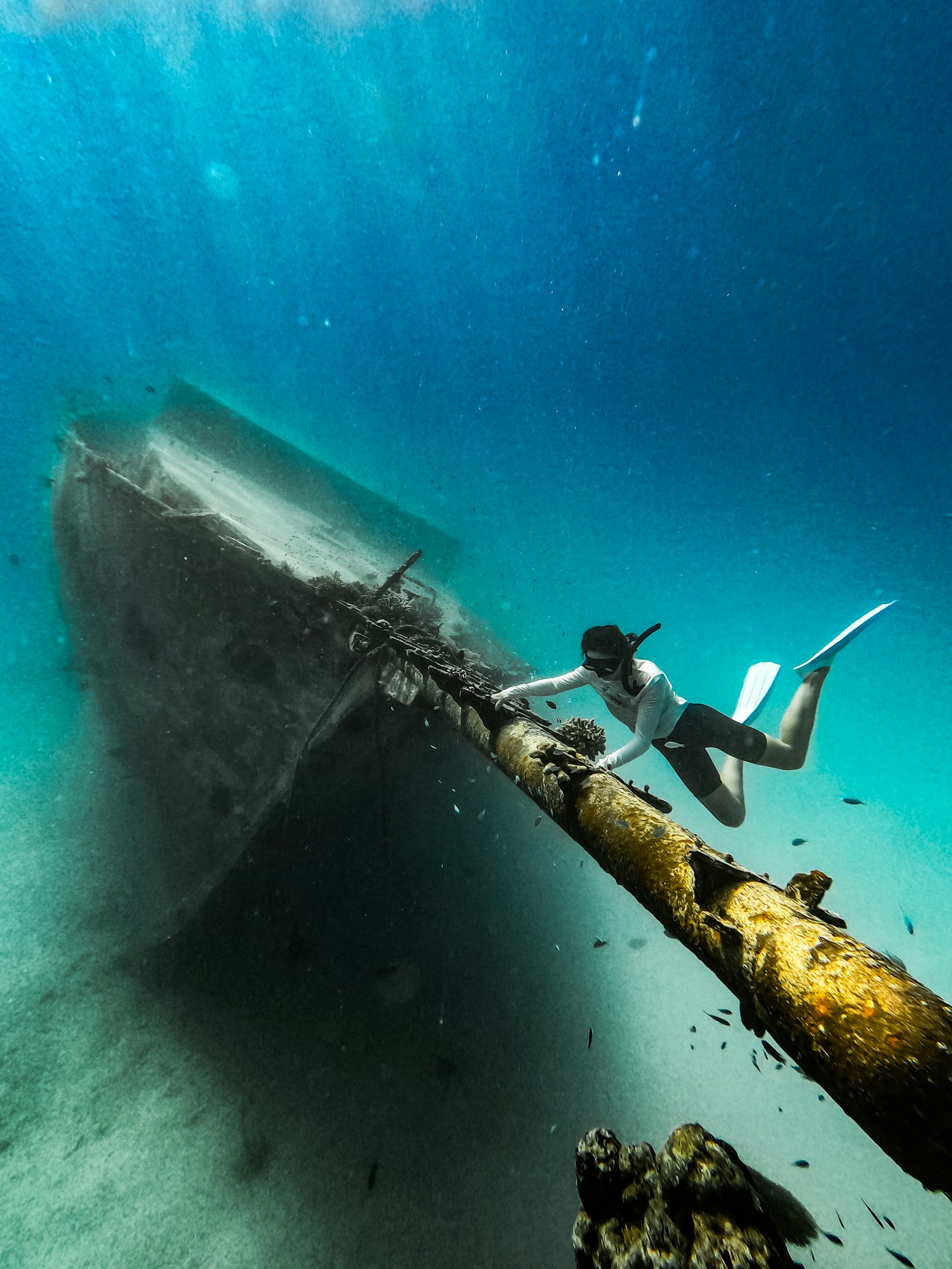
This oil tanker is the largest wreck in Coron Bay at around 160 to 170 meters long. It sits between 10 and 26 meters, which makes it accessible to Open Water certified divers, not just advanced ones. The bow has broken off and points upward, which honestly makes for one of the more dramatic underwater silhouettes you’ll see in Palawan.
Irako: The Jewel of Coron
Local dive shops call Irako “the jewel of Coron” for a reason. This 147-meter former refrigeration ship for the Japanese Navy sits upright between 34 and 43 meters, with the deck starting around 28 meters. It’s stunning, but it’s also deep, current-prone, and not a beginner site. If wreck diving is your main reason for visiting Coron, this is the one experienced divers plan their whole trip around.
Kogyo Maru: Beginner-Friendly and Beautiful
At around 120 meters long and resting near 25 meters, Kogyo Maru is often recommended as one of the best “first real wreck dives” in Coron. Coral has taken over parts of the hull, and it’s common to see schools of jackfish circling the structure.
Lusong Gunboat: Perfect for Snorkelers
Here’s the thing, you don’t actually need a scuba certification to see a WW2 wreck in Coron. The Lusong Gunboat sits in just 2 to 10 meters of water, shallow enough that the stern is visible at low tide. It’s small, calm, and honestly one of my favorite stops because kids and non-swimmers on the boat can still peek at it through a mask while divers explore the sandy bottom around it.
| Wreck | Approx. Depth | Length | Best For |
|---|---|---|---|
| Lusong Gunboat | 2-10m | 25m | Snorkelers, beginners |
| Kogyo Maru | ~25m | 120m | Open Water divers |
| Okikawa Maru | 10-26m | 160-170m | Open Water divers |
| Akitsushima | 25-35m | Large cruiser | Advanced divers |
| Irako | 34-43m | 147m | Advanced/experienced divers |
How to Dive (or Snorkel) the Wrecks in 2026
Most CMT guests book a shared island hopping trip that includes wreck stops, but if wreck diving specifically is your goal, you’ll want a dedicated dive day. Here’s roughly what you’re looking at in 2026 pricing.
| Trip Type | Typical Price (PHP) | What’s Included |
|---|---|---|
| Shared reef and wreck snorkel tour | ₱1,900-2,500/pax | Boat, guide, snorkel gear, 1-2 shallow wreck stops |
| 2-tank fun dive day | ₱5,000-6,000/pax | Boat, tanks, weights, guide, 2 wreck/reef dives |
| 3-tank fun dive day | ₱6,000-7,500/pax | Boat, tanks, weights, guide, lunch |
| 3-day wreck package (9 dives) | ₱15,000-17,000/pax | Multiple boats, all gear, meals, most major wrecks |
Insider tip: if you’re not certified yet, don’t panic. Several dive shops in Coron town run a “Discover Scuba” intro session before the boat leaves, so you can still descend to the shallower wrecks like Kogyo Maru with an instructor holding your hand the whole way. Just don’t expect to reach Irako on your first dive ever, that one’s for certified divers with real bottom time under their belt.
A few practical things nobody tells you before your first Coron wreck trip. Bring motion sickness tablets even if you don’t normally get seasick, the boat ride between sites can get choppy past 10am once the wind picks up. Pack a rash guard, the sun here is brutal by 9am and reapplying sunscreen between dives gets old fast. And if you’re prone to ear pressure issues, tell your guide before you descend, not after, Coron’s dive masters deal with this constantly and would rather slow down than rush someone who’s struggling.
For anyone building out a full Coron itinerary, our Coron wreck diving guide breaks down which dive shops we personally recommend, and our Coron island hopping guide covers the non-diving stops like Kayangan Lake and Twin Lagoon that pair nicely with a wreck day.
Marine Life That’s Made the Wrecks Home
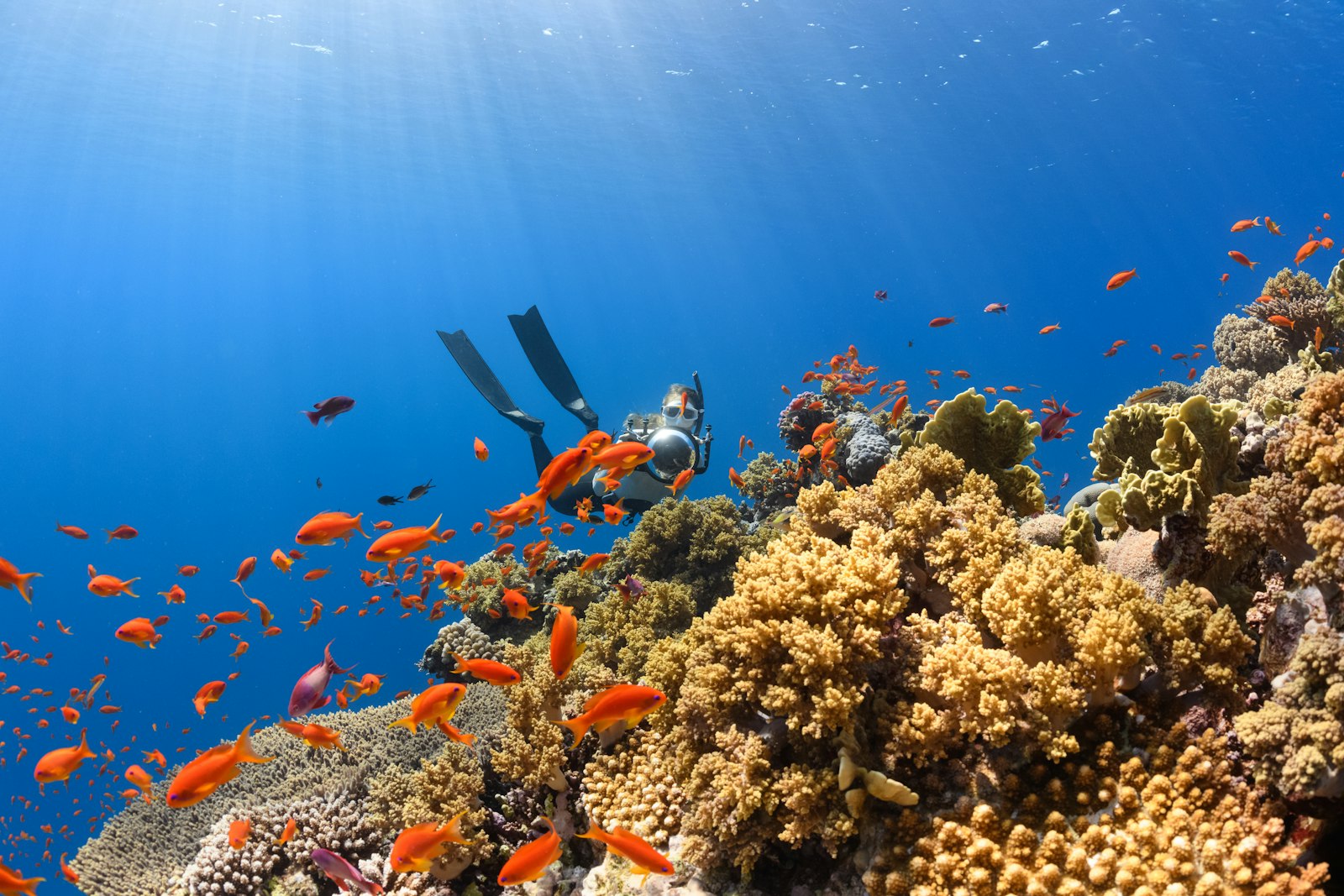
Here’s something that surprises a lot of first-time wreck divers: after eighty years underwater, these ships aren’t just rusting metal anymore. They’re full-blown artificial reefs. Coral has colonized the hulls of Kogyo Maru and Okikawa Maru so thoroughly that in some sections you’d struggle to tell where the steel ends and the reef begins.
Lionfish tend to hover near the darker interior compartments, and it’s common to spot batfish schooling around the superstructure of Okikawa Maru in loose, curious clusters. Around Lusong Gunboat, the shallow water and calm current make it a nursery for smaller reef fish, which is part of why it’s such a good spot for snorkelers and first-timers to get comfortable in the water before attempting anything deeper.
Insider tip: bring a dive light even on the “shallow” wrecks. A lot of the color you see in dive shop photos comes from artificial light bringing out reds and oranges that get filtered out naturally past about 5 meters. Without one, everything just looks blue-green, which is honestly a letdown after you’ve hyped yourself up for the trip.
Because the wrecks now function as living reefs, most Coron dive operators treat them as protected sites, similar in spirit to how PCSD manages marine protected areas elsewhere in Palawan. Fin control matters here. One careless kick against decades-old coral growth can undo years of natural recovery, so buoyancy control isn’t just a nice-to-have skill on these dives, it’s basically mandatory etiquette.
Are You Allowed to Dive a War Grave?
This question comes up more than you’d think, and it’s a fair one. Some of these wrecks went down with crew still aboard, which technically makes certain sites war graves. Diving them is legal and widely practiced, Coron has built its entire tourism identity around it, but responsible operators ask that you don’t remove artifacts, don’t penetrate deep into unstable sections without proper wreck training, and treat the sites with the same respect you’d want shown to a memorial back home.
So before you go poking around inside a hull for a “cool photo,” ask yourself: would you want strangers doing that at a place where your own relatives died? Most divers I’ve met in Coron get it immediately once it’s explained that way.
Best Time of Year to Dive Coron’s Wrecks
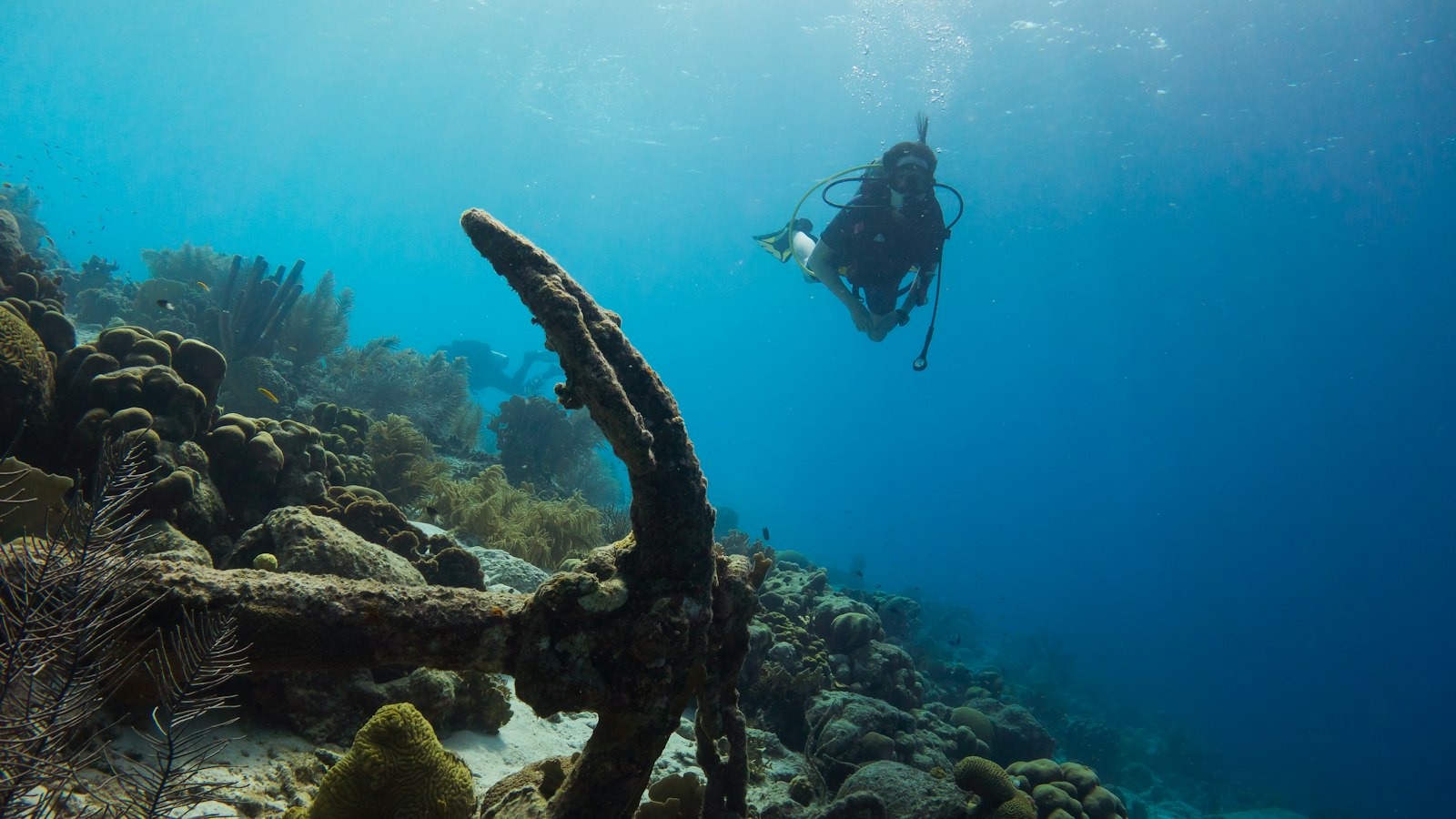
Visibility in Coron Bay is generally best from November through May, which lines up with Palawan’s dry season. June through October brings more rain and choppier seas, and visibility can drop noticeably during typhoon season. If your trip dates are flexible, check current conditions through PAGASA before you fly in, especially if you’re booking during the shoulder months of June or October.
And look, even in the “bad” months, Coron rarely shuts down completely. It’s more about visibility and comfort than safety in most cases. But if wreck photography is your priority, aim for the dry season when the water runs clearer.
Getting to Coron and Planning Around It
Most travelers fly into Busuanga (Francisco B. Reyes Airport) from Manila or Cebu, then transfer about 45 minutes to an hour into Coron town. If you’re combining this with an El Nido leg of your trip, our guide on how to get to Coron walks through flight options, and if you want a slower, more scenic hike-and-view alternative on your rest day between dives, Mount Tapyas at sunrise is a solid non-diving activity to pair with it.
Wondering whether the wrecks alone justify a Coron trip? We get that question a lot, and we actually answered it directly in Is Coron worth visiting, where wreck diving comes up as one of the top reasons travelers say yes.
For certification requirements or refresher courses before attempting the deeper wrecks, PADI maintains updated guidelines on what level of training you’ll need for wreck penetration versus standard wreck viewing.
Final Thoughts
The WW2 history behind Coron’s sunken Japanese fleet isn’t just a fun fact your dive guide mentions between briefings, it’s the entire reason this bay looks the way it does. Twelve ships, fifteen minutes, and eighty years later you can float above the whole thing with a mask and snorkel or a full tank on your back. Few destinations in the world let you touch history quite like this.
Frequently Asked Questions
How many Japanese ships sank in Coron Bay during WW2?
Around a dozen vessels were sunk during the US airstrike on September 24, 1944, including the Akitsushima, Okikawa Maru, Irako, Kogyo Maru, Olympia Maru, Taiei Maru, Kyokuzan Maru, Terukaze Maru, and the Lusong Gunboat.
Can beginners dive the Coron wrecks?
Yes. Okikawa Maru and Kogyo Maru sit at depths accessible to Open Water certified divers, and the Lusong Gunboat is shallow enough for snorkelers with no dive certification at all. Deeper sites like Irako require advanced training and real experience.
Is it legal to dive WW2 wrecks in Coron?
Yes, wreck diving is legal and it’s one of Coron’s main tourism draws. Responsible operators ask divers not to remove artifacts or penetrate unstable sections without proper wreck diving training, since some sites are considered war graves.
What is the best wreck in Coron for non-divers or snorkelers?
The Lusong Gunboat, resting in just 2 to 10 meters of water, is the go-to spot for snorkelers and non-swimmers who still want to see a piece of WW2 history up close.
What certification do I need for the deeper wrecks like Irako?
Irako sits between 34 and 43 meters, which typically requires Advanced Open Water certification and ideally some wreck diving specialty training given the depth and current.
When is the best time to visit Coron for wreck diving?
November through May generally offers the clearest visibility, since it falls within Palawan’s dry season. June through October can bring rain and reduced visibility, though trips still run.
How much does a Coron wreck diving trip cost in 2026?
Shared snorkel and reef tours start around ₱1,900 to ₱2,500 per person, while a 2-tank fun dive day typically runs ₱5,000 to ₱6,000 per person, not including certification courses.
Ready to see the WW2 wrecks of Coron Bay for yourself? Book your Coron island hopping and wreck tour with CMT Ticketing and Services and let our local guides take you straight to the history, no guesswork required. Message us on Facebook for the best current rates and same-week availability.