
Best Snorkeling in Coron for Non-Divers: 2026 Guide
Here’s the thing about Coron. Almost every article you read about it is written for scuba divers, and you come away thinking the good stuff is locked behind a certification card you don’t have. That’s not true. The best snorkeling in Coron for non-divers is genuinely world class, and a lot of it sits in water shallow enough that you could stand up in it if there weren’t coral underneath.
I’ve floated over most of these spots with nothing but a mask, a snorkel, and a life vest the boatman handed me. No tank, no training, no drama. What follows is where to go, what it actually costs in 2026, and the small practical things that make the difference between a great snorkel day and a sunburnt, salt-in-your-eyes one.
Why Coron Works So Well If You Do Not Dive
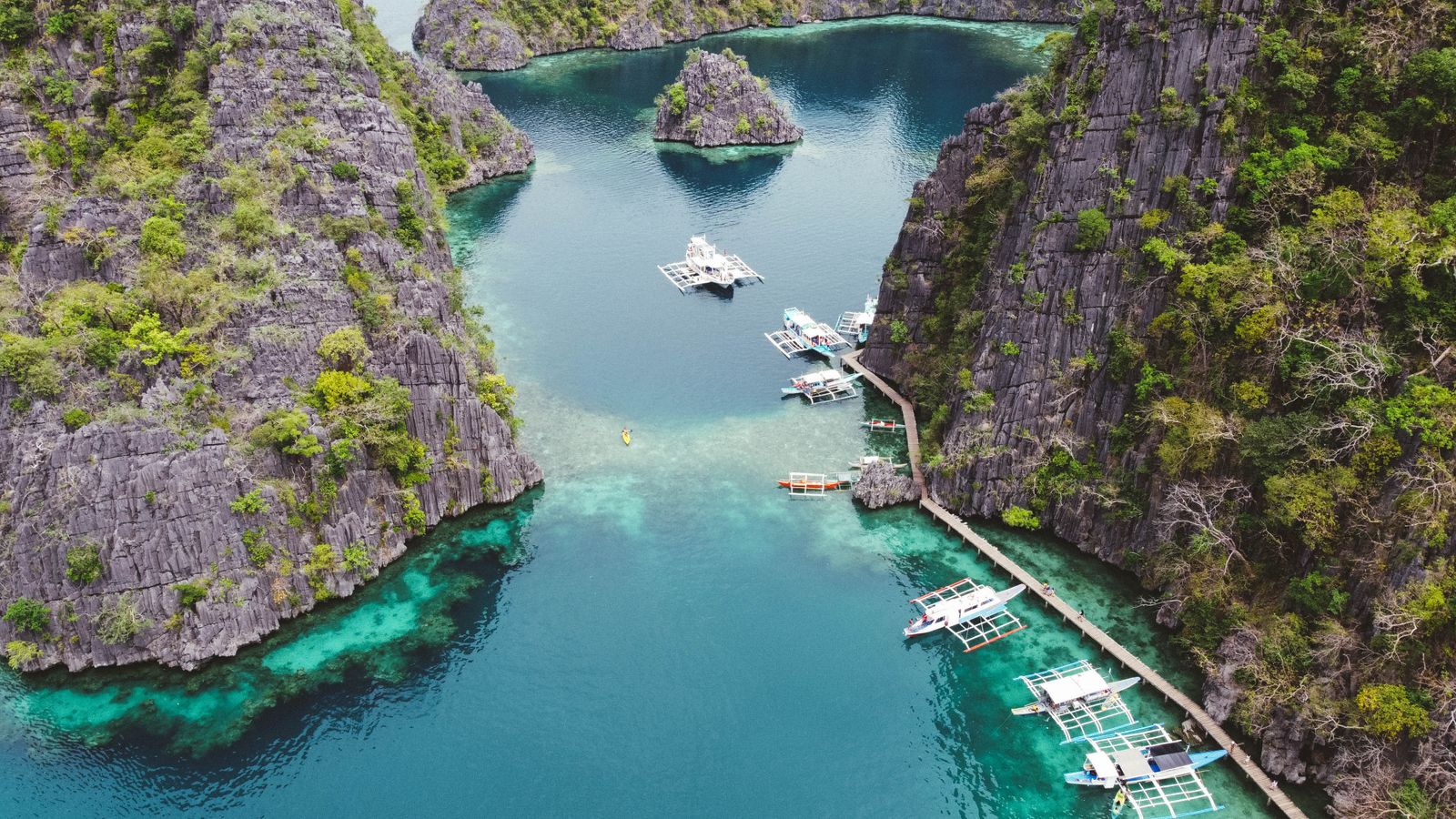
Coron sits in the Calamian Islands at the northern tip of Palawan, and the geography does you a favour. The bays are sheltered by limestone islands, which means the water is often glassy by mid-morning. Visibility on a good day runs 15 to 20 metres. And crucially, several of the famous WWII Japanese shipwrecks here rest in surprisingly shallow water.
That last part is the bit most people miss. Coron is famous for wreck diving, but at least two of those wrecks break the surface or sit close enough to it that a snorkeler sees plenty. You’re not getting the full swim-through experience. You are absolutely getting the “there is a sunken ship five metres below my belly” experience, which is a story worth telling.
The water does most of the work
Insider tip: ask your boatman to hit the reef stops before 10am. Coron’s boat traffic peaks between 10am and 2pm, and once six bangkas anchor in the same cove, the sediment kicks up and the fish scatter. Same reef, half the magic. Most joiner tours run a fixed route, but a private boat lets you flip the order, and honestly that’s the single best upgrade you can buy here.
The 7 Best Snorkeling Spots in Coron for Non-Divers
1. Siete Pecados Marine Park
If you only snorkel one place in Coron, make it this one. Siete Pecados (“Seven Sins”) is a cluster of small islets about 10 to 15 minutes by boat from Coron town, which makes it the easiest serious reef to reach. The coral sits in roughly 1 to 3 metres of water in the shallow sections, so you’re floating right on top of it.
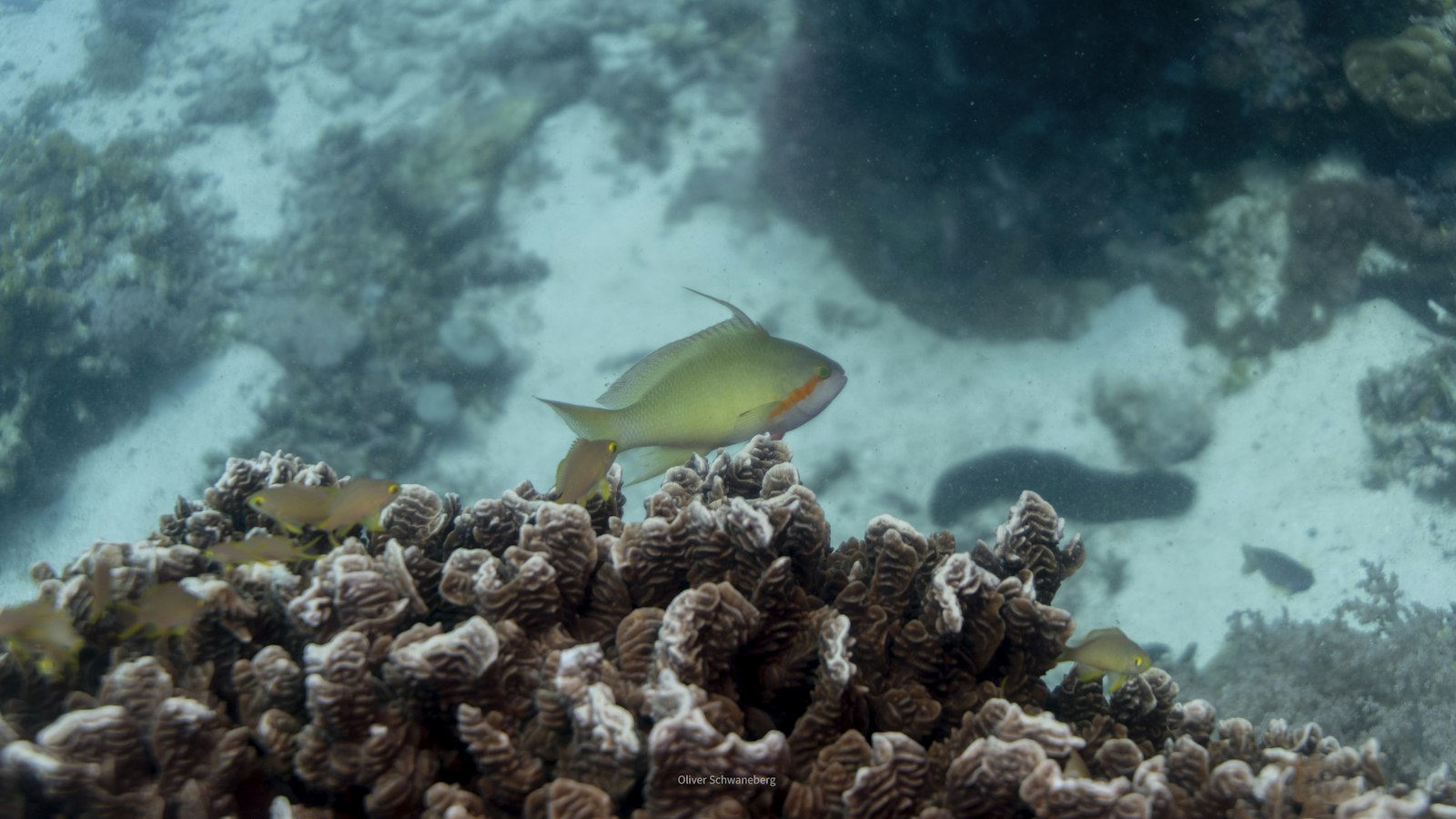
Expect clownfish in anemones, sergeant majors that will follow you around hoping for food, angelfish, parrotfish, and schools of small silver fish that move like one animal. Turtles turn up often enough that it’s worth keeping your head down. The park is protected and there’s a separate entrance fee, which is a good sign: the money is one reason the coral here still looks alive.
Insider tip: the current on the outer side of the islets can pick up. Stay on the sheltered side facing the boats, and keep your life vest on even if you’re a strong swimmer. Nobody looks cool getting fished out of a marine park.
2. Lusong Gunboat Wreck
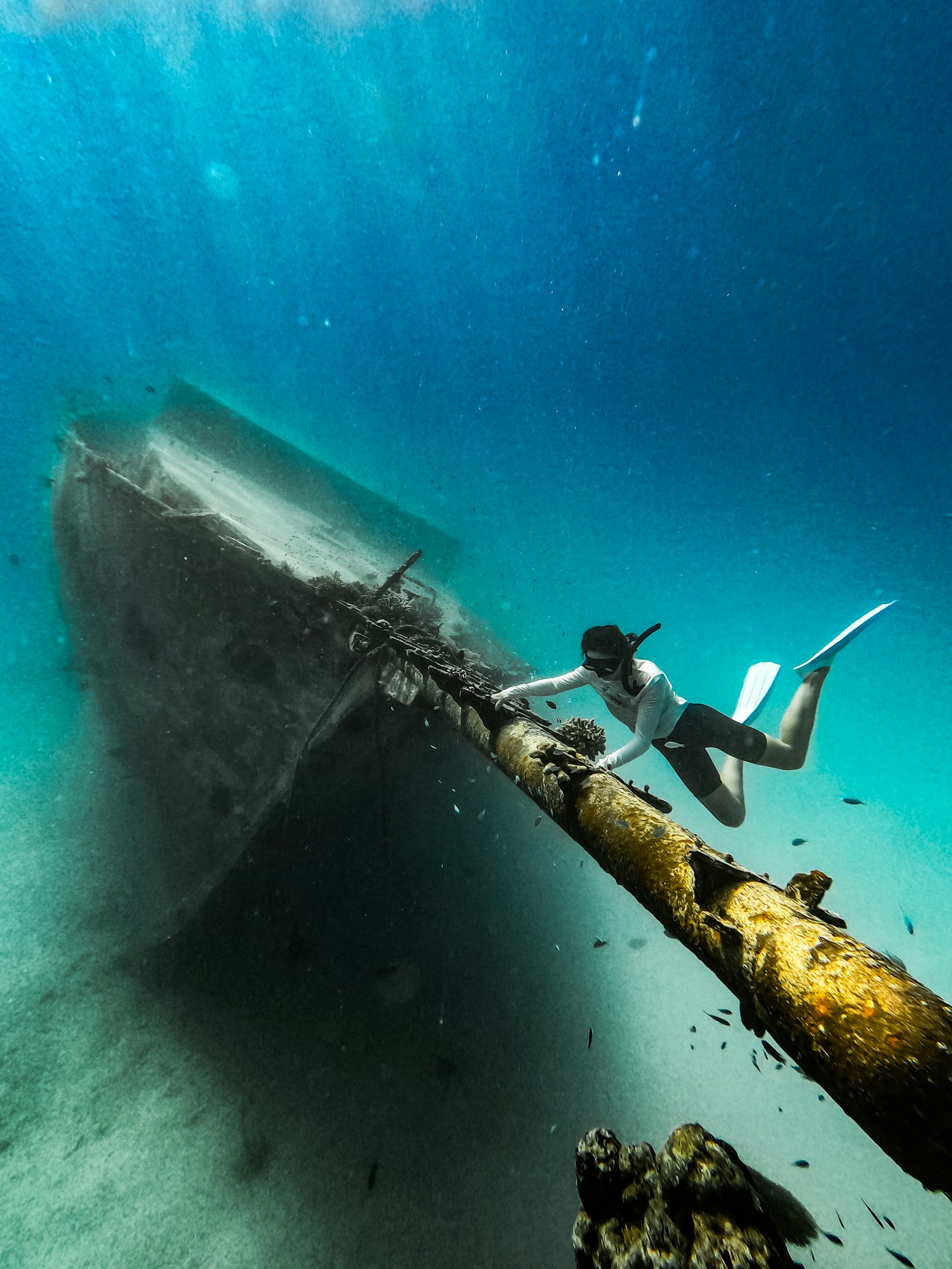
This is the one snorkelers get most excited about, and rightly so. The Lusong Gunboat is a small Japanese vessel sunk in WWII, and part of the hull sits so shallow that at low tide the top of it pokes out of the water. You can float directly above coral-covered steel. No tank needed.
It’s about a 45 to 60 minute boat ride from Coron town, usually bundled into a “Reefs and Wrecks” style tour. The hull is crusted with soft coral and sponge, and the fish life around it is dense because the structure gives them somewhere to hide.
3. Skeleton Wreck
Another WWII Japanese supply ship, and the name tells you what it looks like from above: ribs of a hull, bare and coral-encrusted. The shallowest point of the Skeleton Wreck sits around 5 metres down, with the stern dropping to roughly 22 metres. For a snorkeler, 5 metres is very doable viewing distance in clear water, and confident freedivers can duck down for a closer look.
It sits off Coron Island, only a short hop from town, which is why it appears on so many Coron island hopping itineraries. Go early. This one gets busy.
4. Coral Garden
Less dramatic than the wrecks, better for pure reef watching. Coral Garden is a shallow stretch of hard and soft coral usually visited on the same loop as Twin Lagoon and CYC Beach. Water is typically 2 to 5 metres. It’s the spot where nervous first-timers relax, because there’s no current to speak of and the bottom is always visible.
So if you’re travelling with kids or someone who hasn’t put their face in the sea since a bad experience at a swimming pool, ask specifically for Coral Garden. It builds confidence fast.
5. CYC Beach (Coron Youth Club Beach)
CYC is a small white sand beach with shallow, calm water and a few mangroves at one end. The snorkeling is modest compared to Siete Pecados, but it’s the easiest possible entry: you walk in from the sand. Good for a rest stop, good for a swim, good for practising with your mask before the deeper stops.
Insider tip: the shoreline has stones mixed in with the sand. Water shoes or reef-safe sandals save your feet. While we’re on the subject, please use reef-safe sunscreen in Palawan. Some marine parks now check.
6. Twin Lagoon
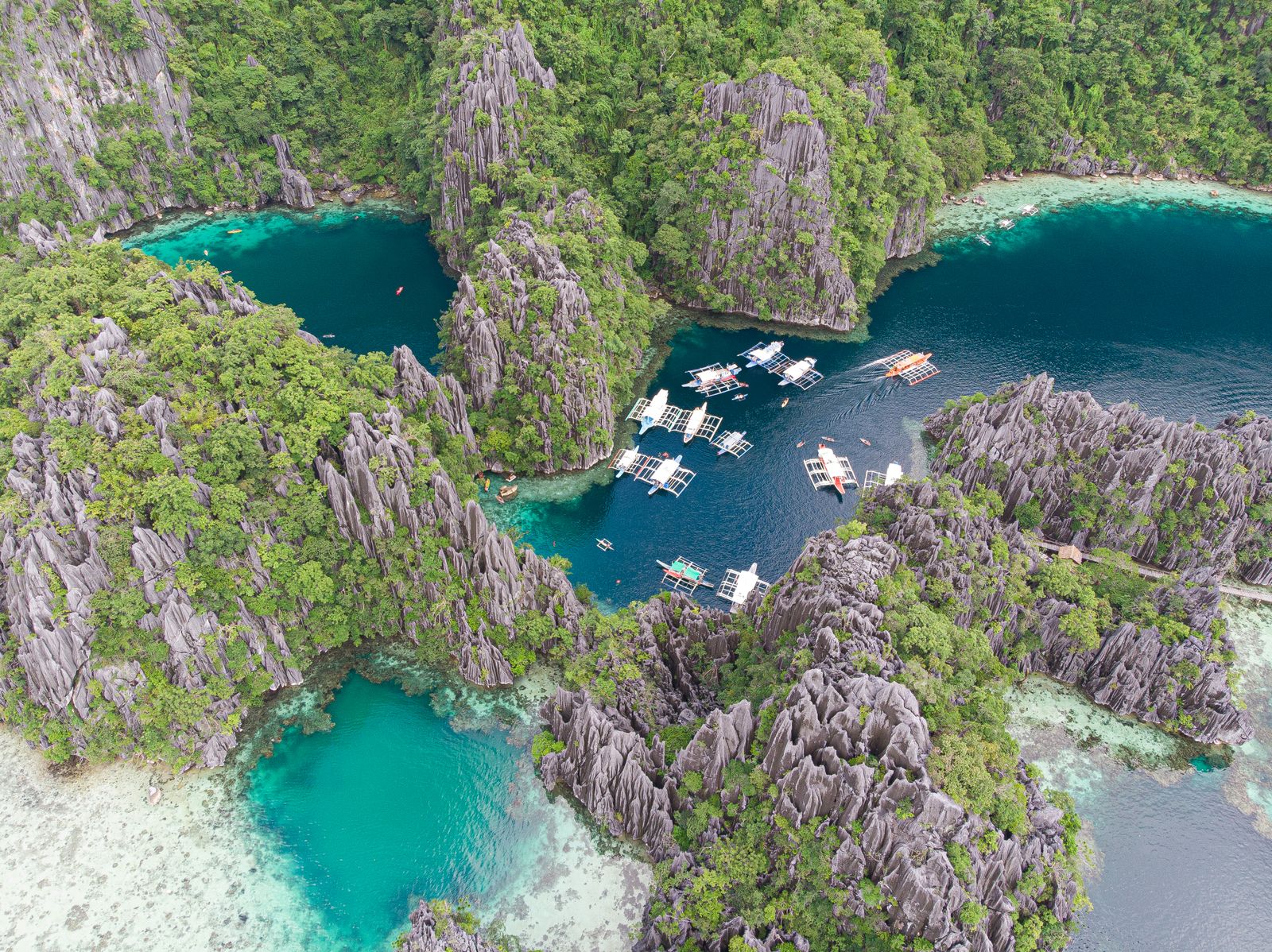
Twin Lagoon isn’t really a reef spot, but it belongs on this list because of the sensation. Two lagoons separated by a limestone wall, connected by a small gap you can swim through at low tide or a ladder you climb over at high tide. Freshwater sits on top of saltwater, and where they mix you get a visible shimmer and a genuine temperature shift on your skin. Warm, then cold, then warm again.
Fish life is limited inside the inner lagoon. The experience is the point. Read our full Twin Lagoon guide before you go, because timing your visit around the tide changes it completely.
7. Malcapuya, Banana and Bulog Dos
These sit further south, roughly 1.5 to 2 hours by boat from town, and they’re the postcard islands: powder sand, sandbars, shallow turquoise shelves. The snorkeling off Bulog Dos in particular is easy and pretty, with clear water over sand and scattered coral heads.
Because of the distance, this is usually its own full day rather than a stop on the Coron Island loop. Worth it if you have the days to spare. If you’re tight on time, see how many days you need in Coron before you commit.
What It Costs: Coron Snorkeling Fees and Tour Prices in 2026
Prices in Coron move around, and rates quoted by different operators vary quite a bit, so treat these as realistic ranges rather than fixed numbers. Entrance and environmental fees are collected on the boat or at the site, and most joiner tours already bundle them in.
| Item | Typical 2026 cost (₱) | Notes |
|---|---|---|
| Joiner island hopping tour (Coron Island loop) | ₱1,500 to ₱2,500 per pax | Usually includes lunch, guide, most fees |
| Joiner tour to Malcapuya / Banana / Bulog Dos | ₱1,700 to ₱1,900 per pax | Longer day, further out |
| Siete Pecados marine park fee | around ₱100 per pax | Collected at the site |
| Kayangan Lake entrance | around ₱300 per pax | Often the priciest single fee |
| Twin Lagoon entrance | around ₱200 per pax | Separate from the tour price on some boats |
| Snorkel mask rental | ₱100 to ₱200 per day | Free on some tours, ask first |
| Private boat charter | ₱4,500 to ₱9,000+ per boat | Splits well across 4 to 6 people |
Insider tip: if you’re a group of four or more, price a private boat against four joiner seats. It’s often nearly the same money, and you get to choose the order of stops, which as I said earlier is the whole ballgame. For a broader breakdown of what a trip here runs, see our Palawan trip cost guide.
Gear, Safety and the Things Nobody Warns You About
Bring your own mask if you can. Rental masks in Coron are fine but they’re communal, the silicone gets tired, and a leaky mask ruins a reef stop faster than bad weather. A basic mask and snorkel costs about the same as two days of rental anyway.
A rash guard beats sunscreen for your back and shoulders. You will be face down in tropical sun for long stretches and you will not notice you’re burning until that evening. Ask me how I know.
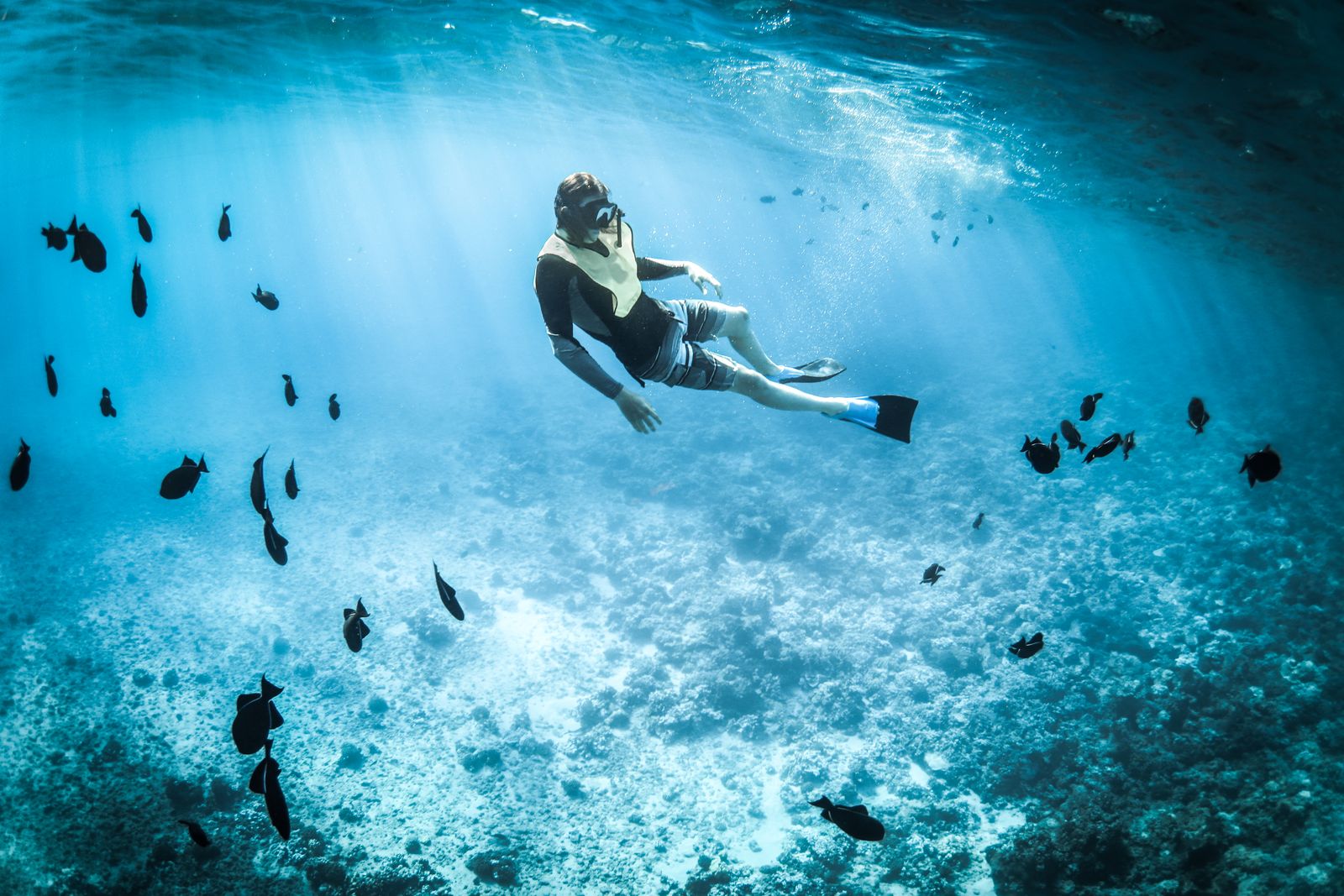
Life vests are standard on Coron boats and most operators require them at open water stops. If you’re a confident swimmer and want to freedive down a metre or two, tell your guide. Many will let you swim vest-free within an agreed area while they keep eyes on you.
One more thing. Don’t stand on coral. Ever. It looks like rock and it is an animal, and a single careless footstep undoes decades of growth. Float, don’t kick down.
When to Go for the Clearest Water
Peak season in Palawan runs roughly November through May, and the sweet spot for snorkeling is usually March to May, when the seas flatten out and visibility is at its best. December and January are gorgeous but the amihan northeast wind can make crossings choppy, which mostly affects the longer runs to Malcapuya rather than the close-in reefs.
June to October is the wet season. It rains, but often in short bursts rather than all day, and prices drop. The real issue is that boat trips get cancelled when the Philippine weather bureau, PAGASA, raises a wind or gale warning. Build a spare day into your itinerary during those months and you’ll be fine.
Want the full seasonal picture? Our guide on the best time to visit Palawan breaks it down month by month.
How to Fit Snorkeling Into a Coron Trip
Two full boat days is the minimum that makes sense. Day one, the Coron Island loop covering Kayangan Lake, Twin Lagoon, Skeleton Wreck, Coral Garden and CYC. Day two, either the reefs and wrecks route with Lusong Gunboat, or the southern islands if you want beaches.
Getting there has changed recently, so check current routings rather than relying on old blog posts. Direct Manila to Busuanga turboprop flights moved to Clark in early 2026, and Cebu Pacific now flies the route from Clark and Cebu. Our how to get to Coron guide covers ferries and the El Nido crossing too.
Still deciding between destinations? Our El Nido vs Coron comparison is blunt about which one suits which kind of traveller, and if you want to sleep close to the boat pier, where to stay in Coron will save you a few tricycle fares.
Frequently Asked Questions
Can you snorkel in Coron without knowing how to swim?
Yes, with a life vest and a guide keeping close. Every Coron boat carries vests and most operators are used to non-swimmers. Say so when you book so the guide plans for it, and stick to the calm stops like Coral Garden and CYC Beach.
Can you actually see the shipwrecks while snorkeling?
At two spots, yes. The Lusong Gunboat sits so shallow that part of the hull breaks the surface at low tide. The Skeleton Wreck’s shallowest point is around 5 metres down, which is clearly visible from the surface on a clear day. The deeper Coron wrecks are dive-only.
Which is the single best snorkeling spot in Coron?
Siete Pecados, for most people. Closest to town, shallowest coral, densest fish life, and it’s a protected marine park so the reef is in better shape than at unmanaged sites.
Do I need to bring my own snorkel gear to Coron?
Not required, but recommended. Rentals run roughly ₱100 to ₱200 a day and the fit is hit and miss. Your own mask, properly fitted, is the difference between enjoying a reef and constantly emptying water out of your face.
How much does a snorkeling tour in Coron cost in 2026?
Joiner island hopping tours typically run ₱1,500 to ₱2,500 per person including lunch, guide and most entrance fees. Private boats start around ₱4,500 and make sense from four people up.
Is Coron or El Nido better for snorkeling?
Coron wins on wrecks and on lagoon novelty. El Nido wins on sheer reef colour at spots like Small Lagoon and Secret Beach. If snorkeling is your priority and you can only pick one, Coron edges it because of the wrecks.
What months have the clearest water in Coron?
March to May, generally. Seas are calmest and visibility is best. November to February is still very good, with occasional choppy crossings from the northeast wind.
Ready to Get in the Water?
CMT Ticketing and Services runs and books island hopping and snorkeling trips across Coron, El Nido and the rest of Palawan, including private boats where you choose the route and beat the crowds to Siete Pecados. Message us on Facebook Messenger or WhatsApp and tell us your dates, group size, and whether anyone in the group is a nervous swimmer, and we’ll build the day around it.
You do not need a dive certification to see the best of this place. The best snorkeling in Coron for non-divers is right there, three metres under a rented mask, and it has been waiting a long time. Browse our Palawan travel packages and let’s get you on a boat.