
7-Day Japan Itinerary for First-Timers from Manila (2026)
Most first-time Japan itineraries for Filipinos fail the same way. Someone finds a seven-day plan online, it has fourteen cities in it, and by day three you’re spending more time on trains than looking at anything. Then you come home exhausted and slightly confused about what you actually saw.
This japan itinerary for filipinos does the opposite. Three bases, one train transfer, and enough slack built in that a late morning doesn’t wreck the whole day. It’s the route we recommend to clients flying out of Manila for the first time, and it’s deliberately unambitious about distance so it can be ambitious about everything else.
Seven days sounds short. It isn’t, if you stop trying to cover the whole country.
The Route in One Line
Tokyo (3 nights), shinkansen to Kyoto (2 nights, with a day trip to Nara), then Osaka (1 night), flying home out of Kansai. You fly into one airport and out of another, which costs nothing extra on most fares and saves you a full day of backtracking.
| Day | Base | Focus | Travel time that day |
|---|---|---|---|
| 1 | Tokyo | Arrive, Shinjuku, easy evening | 4h20m flight + 1h transfer |
| 2 | Tokyo | Asakusa, Ueno, Akihabara | Under 1h total |
| 3 | Tokyo | Shibuya, Harajuku, Meiji Jingu | Under 1h total |
| 4 | Kyoto | Shinkansen, Fushimi Inari, Gion | 2h13m to 2h40m by train |
| 5 | Kyoto | Arashiyama, Kinkaku-ji | About 1h total |
| 6 | Nara then Osaka | Nara Park, evening in Dotonbori | About 1h30m total |
| 7 | Osaka | Osaka Castle or shopping, fly home | 1h to Kansai Airport |
Before You Book Anything: Three Things That Change the Plan
The visa comes first. Philippine passport holders need a visa for Japan. Since 15 May 2026 there’s an eVISA route for qualified applicants, but only for people travelling on an organised package tour. Independent travelers still apply through the Japan Visa Application Centre run by VFS Global. Start two to three months out, and don’t buy non-refundable tickets before approval. Confirm current requirements with the Embassy of Japan in the Philippines.
Your month decides your day plan. An August itinerary needs indoor afternoons. A February one needs earlier sunsets factored in. We break this down properly in our month-by-month guide to the best time to visit Japan, but the short version is that October, November and mid-May are the easiest months to run this route.
Skip the Japan Rail Pass. This surprises people. The 7-day ordinary pass costs ¥50,000, rising to ¥53,000 for purchases from 1 October 2026. This itinerary uses one long-distance train. Paying per ticket costs far less. The pass only starts making sense once you’re adding Hiroshima, Kanazawa or multiple long legs.
Day 1: Land in Tokyo and Do Almost Nothing
Direct flights from Manila to Narita or Haneda run about four hours twenty minutes. Most depart in the morning or early afternoon, which means you’re landing with half a day gone and a body that thinks it’s still in Pasay.
From Narita, the Narita Express takes about an hour into central Tokyo for roughly ¥3,070. From Haneda, you’re twenty to thirty minutes out and paying a fraction of that. Haneda is worth a slightly higher fare if you have the option.
Get an IC card at the station, either Suica or Pasmo, and load ¥3,000 to start. You’ll tap it for every train, most buses, and half the convenience stores. It removes the single biggest source of first-day friction.
Then stop. Check in, walk around your neighbourhood, eat something, sleep early. Trying to squeeze Shibuya into arrival night is how people burn out by day four.
Insider tip: Base yourself near Shinjuku, Shibuya or Tokyo Station rather than chasing a cheaper hotel two train changes out. In Tokyo you pay for location in minutes, not just pesos, and over three days the difference adds up to hours.
Day 2: Old Tokyo, Asakusa to Akihabara
Start at Senso-ji in Asakusa, and start early. By 9am the approach through Nakamise-dori is shoulder to shoulder. By 7am it’s nearly empty and the light is better. Entry is free.
Walk to the Sumida River for the Tokyo Skytree view, then take the train to Ueno. Ueno Park holds several museums, and Ameyoko market underneath the tracks is the closest thing Tokyo has to a Divisoria energy, which a lot of Filipino travelers find unexpectedly comforting.
Finish in Akihabara. Even if anime and electronics aren’t your thing, the multi-storey arcades are worth an hour, and the street at night is genuinely something.
Insider tip: Eat your biggest meal at lunch, not dinner. Japanese restaurants run lunch sets, teishoku, that cost roughly half the dinner price for the same kitchen. A ¥1,200 lunch set is often a ¥2,400 dinner.
Day 3: Modern Tokyo, Shibuya and Harajuku
Meiji Jingu first, because it’s free, it opens at sunrise, and the forest walk in is a genuine surprise in the middle of a city that size. Then Harajuku and Takeshita Street, then Omotesando if you want the calmer, more expensive version of the same idea.
Shibuya Crossing in the late afternoon. The paid observation decks give you the overhead shot, but the free view from the second-floor window of the Starbucks in Tsutaya, if you can get a seat, does most of the same job.
Evening in Shinjuku. Omoide Yokocho and Golden Gai are tiny alleys of six-seat bars and yakitori counters. Some places have a cover charge of ¥500 to ¥1,000, so check before sitting down.
Ever notice how the best travel days have nothing scheduled after 6pm? That’s this day. Leave the evening loose.
Day 4: Shinkansen to Kyoto
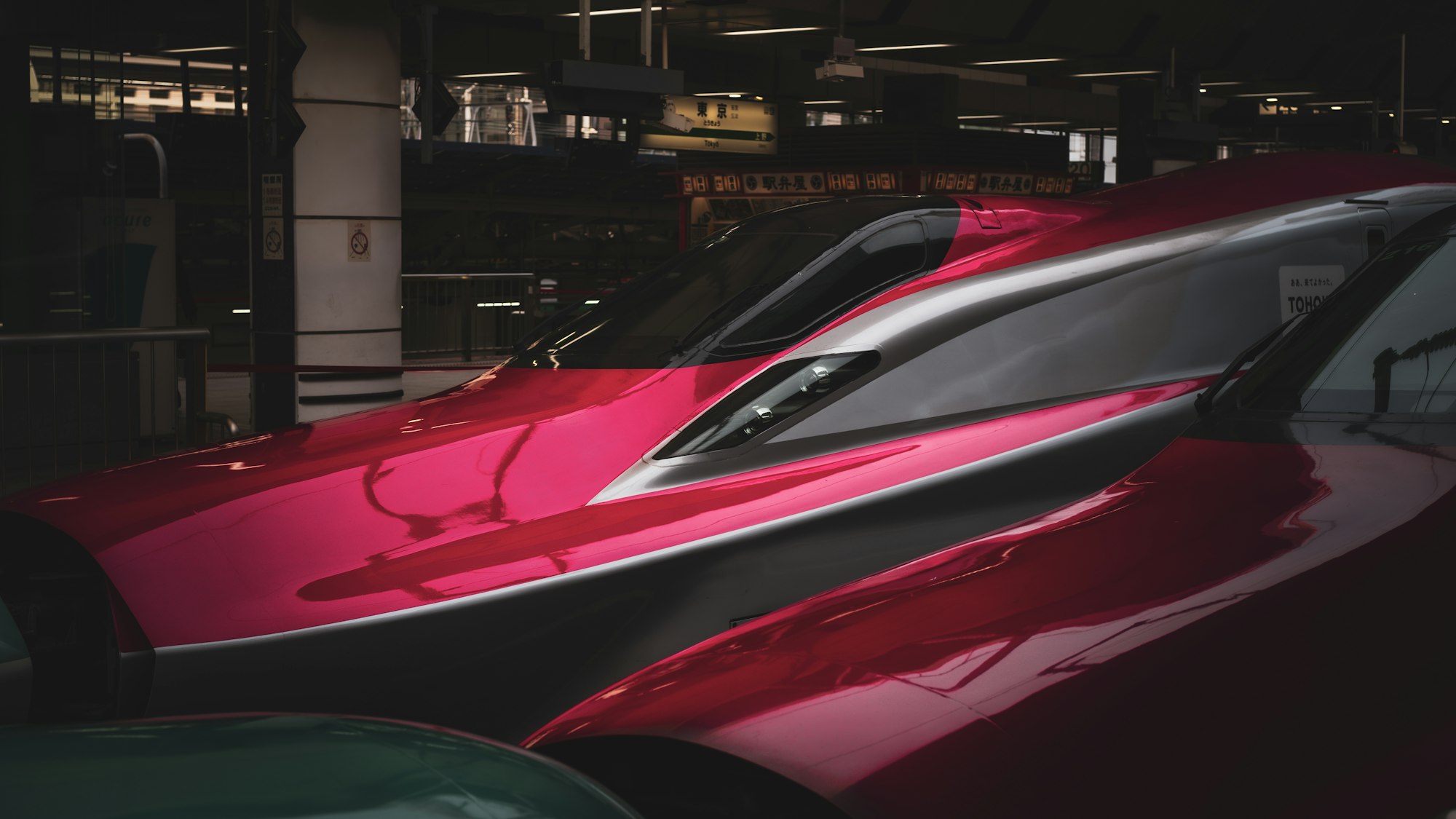
Leave Tokyo mid-morning. The Nozomi does Tokyo to Kyoto in about 2 hours 13 minutes and costs around ¥14,170 for a reserved seat. The Hikari takes roughly 2 hours 40 minutes for about ¥13,850 reserved, or ¥13,320 unreserved. If you’re not on a JR Pass, the small saving rarely justifies the extra half hour.
Sit on the right side heading west, seats D and E, and you get Mount Fuji about forty minutes out of Tokyo on a clear day. In winter your odds are excellent. In summer haze, less so.
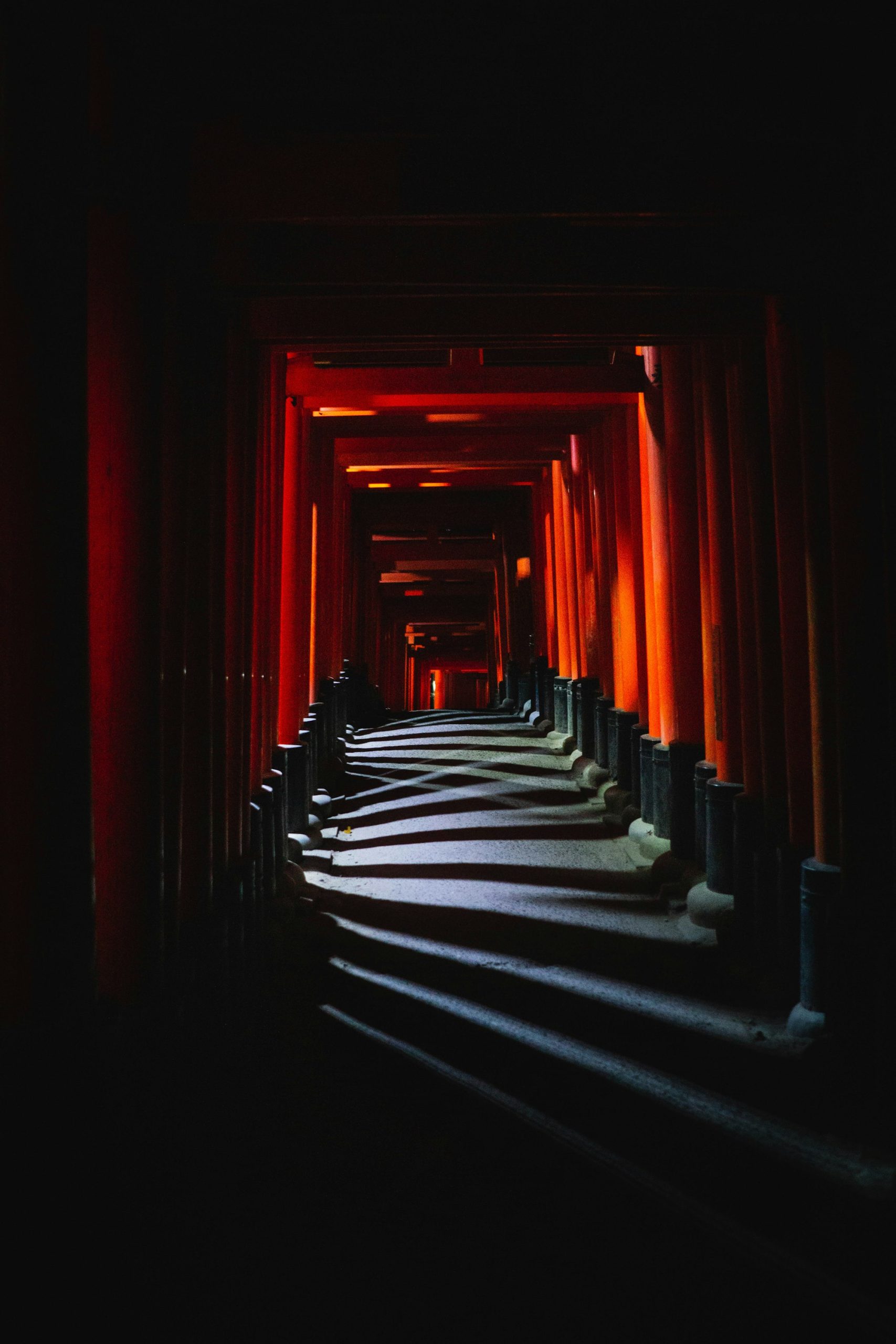
Drop your bags in Kyoto and head straight to Fushimi Inari. It’s free, it never closes, and late afternoon into early evening thins out dramatically once the tour buses leave. Walking twenty minutes up past the crowded lower gates is where it gets good.
Dinner in Gion. Walk Hanamikoji and Pontocho, but please don’t chase geiko down the street for photos. There are signs asking you not to, and there are fines attached.
Day 5: Arashiyama and Kinkaku-ji

Arashiyama in the morning, and again, early matters. The bamboo grove at 7:30am is a quiet walk. At 11am it’s a queue that happens to be made of bamboo. The grove itself takes fifteen minutes, so pair it with the Togetsukyo Bridge, the riverside, and the Iwatayama monkey park if you’ve got the legs for the climb.
Afternoon at Kinkaku-ji, the golden pavilion, entry around ¥500. It’s a single view that you walk a loop around, so budget forty-five minutes, not half a day.
If you have energy left, Kiyomizu-dera in the east of the city stays open late on certain evenings with illuminations. Entry is roughly ¥500.
Insider tip: Kyoto’s buses are slow and crowded, and the flat fare system confuses first-timers. For most of this day, a taxi split between three or four people costs about the same per head as the bus and saves thirty minutes each way.
Day 6: Nara in the Morning, Osaka at Night
Check out of Kyoto, leave your bags at the station lockers or send them ahead, and take the train to Nara. It’s about 45 minutes on the Kintetsu line from Kyoto.
Nara Park is free and full of deer that bow for crackers. The crackers cost around ¥200 from park vendors. Todai-ji, which houses the great bronze Buddha, is roughly ¥800 to enter and is one of the few interiors on this trip that makes people go quiet.
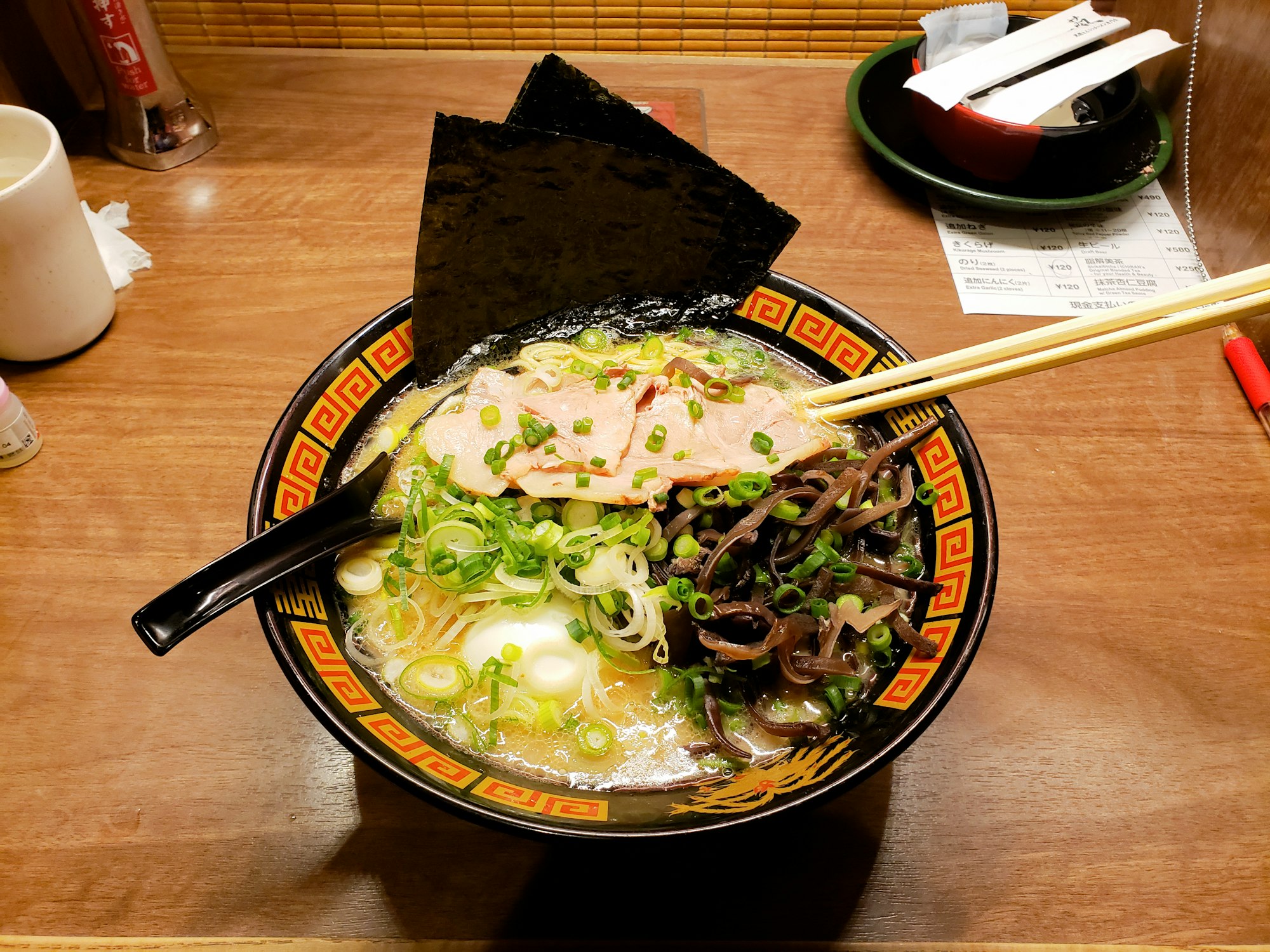
Mid-afternoon, continue to Osaka. From Nara it’s under an hour. Check in, then go to Dotonbori and eat: takoyaki, okonomiyaki, kushikatsu, ramen. Osaka’s nickname is the nation’s kitchen and it earns it.
This is the day the trip stops being a checklist. Nobody has ever come back from Osaka talking about a monument.
Day 7: One Last Thing, Then Kansai Airport
Depending on your flight time, pick one: Osaka Castle, around ¥600 to enter the keep, or Shinsaibashi for shopping, or Kuromon Ichiba market for a final breakfast.
Kansai Airport is about 38 minutes from Namba on the Nankai Rapi:t limited express, roughly ¥1,490, or under ¥1,000 on the ordinary airport express which takes about 45 minutes. Leave three hours before an international departure.
Manila flights out of Kansai run about four hours. You’ll land home the same day.
What This Trip Actually Costs
| Item | Budget version | Mid-range version |
|---|---|---|
| Return airfare from Manila | ₱15,000 | ₱26,000 |
| 6 nights accommodation | ₱21,000 (hostel/capsule) | ₱42,000 (business hotel) |
| Trains, including shinkansen | ₱9,000 | ₱11,000 |
| Food, 7 days | ₱10,500 | ₱19,000 |
| Entry fees and extras | ₱3,000 | ₱6,000 |
| Total per person | around ₱58,500 | around ₱104,000 |
These are indicative figures at roughly ₱0.38 to ₱0.40 to the yen, and the exchange rate moves. Airfare is the number that swings hardest, so it’s the one worth watching. For a fuller breakdown including the visa fees and the ¥3,000 international tourist tax now built into your ticket, see our Japan trip cost guide in pesos.
What We Deliberately Left Out
Hiroshima. Beautiful, important, and a four-hour round trip from Kyoto that eats a full day out of seven. Save it for a second visit.
Mount Fuji as a day trip. Hakone and Kawaguchiko are lovely but they cost you a Tokyo day and the mountain is frequently hidden by cloud. You’ll see Fuji from the shinkansen anyway.
Universal Studios Japan. It’s a full day and tickets run roughly ¥8,600 to ¥11,000 depending on the date. If USJ or Disney is the point of your trip, build the itinerary around it instead of bolting it on.
Too many temples. Kyoto has over a thousand. Four is plenty for a first visit. Temple fatigue is real and it hits around number six.
Practical Notes Filipinos Keep Asking About
Cash still matters. Japan is more card-friendly than it was, but small restaurants, shrines and markets are cash only. Withdraw at 7-Eleven or Japan Post ATMs, which reliably accept Philippine cards.
Luggage forwarding, takkyubin, costs roughly ¥2,000 to ¥2,500 per bag and moves your suitcase hotel to hotel overnight. On the Tokyo to Kyoto transfer it is genuinely worth it, because shinkansen oversized luggage now requires a reservation.
Get travel insurance. Medical care in Japan is excellent and expensive, and a single emergency room visit without cover can cost more than the trip. The same reasoning we apply to Palawan trips in our travel insurance guide applies double here.
Check baggage allowances carefully. Cebu Pacific prices bags separately, while Philippine Airlines usually includes checked baggage, so the cheaper headline fare is not always the cheaper trip.
Frequently Asked Questions
Is 7 days enough for Japan?
For Tokyo, Kyoto, Nara and Osaka, yes, comfortably. It’s not enough for Hokkaido, Hiroshima or Okinawa on top. Adding a fourth region to a seven-day trip means you’ll spend roughly a quarter of your holiday in transit.
Should I buy a Japan Rail Pass for this itinerary?
No. With one long-distance leg, individual tickets cost far less than the ¥50,000 pass, which rises to ¥53,000 from 1 October 2026. The pass pays off on routes with three or more long journeys.
Can I do this itinerary in reverse, flying into Osaka?
Yes, and it often works better. Kansai to Kyoto to Nara to Tokyo, flying home from Narita or Haneda, is the same trip with the jet lag landing on your quieter days.
How much cash should I bring from Manila?
Around ¥30,000 to ¥50,000 per person in cash for a week, topped up from ATMs as needed. Exchange rates at Japanese airports are usually worse than withdrawing from a 7-Eleven ATM once you arrive.
Do I need to speak Japanese?
No. Station signage, ticket machines and most restaurant menus in tourist areas have English. Google Translate’s camera function handles the rest. Staff will meet you more than halfway.
What’s the best month to run this japan itinerary for filipinos?
Late October to early December, or the second and third weeks of May. You get mild weather, moderate crowds and airfares well below cherry blossom season.
Is Japan safe for solo Filipino travelers?
Extremely. Violent crime is rare, public transport runs late, and lost items genuinely get handed in. The main risks are heat exhaustion in summer and overspending on food.
Want This Booked Instead of Planned?
CMT Ticketing and Services puts together organised Japan packages, which is also the route that qualifies for the simplified eVISA process, and we handle the flights and visa assistance alongside it. Send us your dates and budget on Facebook Messenger or WhatsApp and we’ll come back with real numbers, or browse our travel packages.
Still deciding between an international trip and something closer to home? Our El Nido island hopping tours run year-round and cost a fraction of a week in Japan.